15 Mind-Blowing Facts About The Sopranos

Cunnilingus and psychiatry brought us to this.
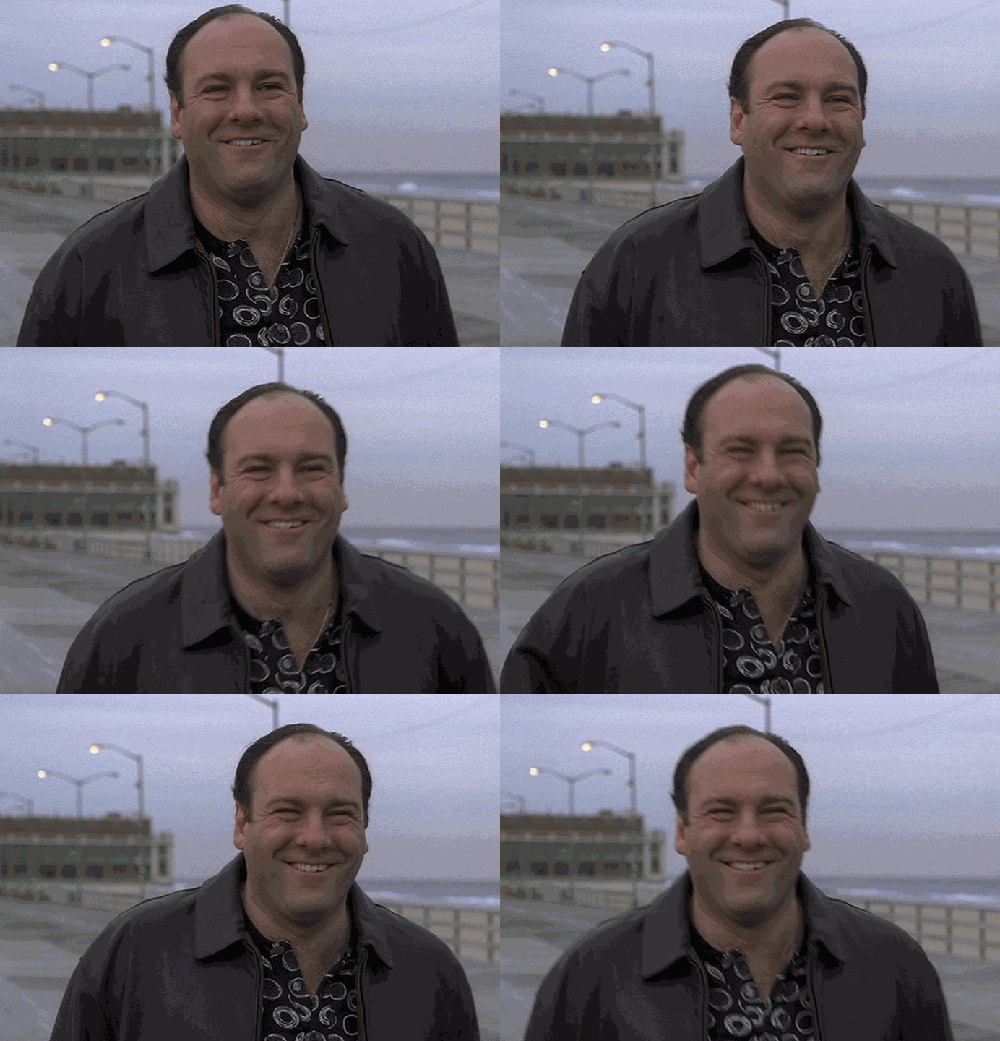
Who can argue with a show that features an outstanding cast, exceptional writing and some of the most brilliantly dark and comic storylines ever to appear on television? Incredibly inventive and innovative in its day, The Sopranos has aged wonderfully and demands multiple repeatings. In fact, i's perfect for today's culture of binge-watching. But before you rush off to re-watch it, here are a few facts about the show that you may never have heard before. Sure, Tony Soprano may have said that the Internet makes him nervous, but that doesn't stop it from being a great place to find out exclusive information about this excellent show! Do you know which actor starred in the series twice in completely roles? Or who had to wear body armour to make them look more physically imposing? Perhaps you already know who was the first choice to play Tony Soprano, but you may have never heard about how the show was received by real-life gangsters and Italian-American citizens. Even with these facts, it's best to heed Tony's advice. "Believe none of what you hear, and all of what you see."

15. The Show Started As A Movie Pitch
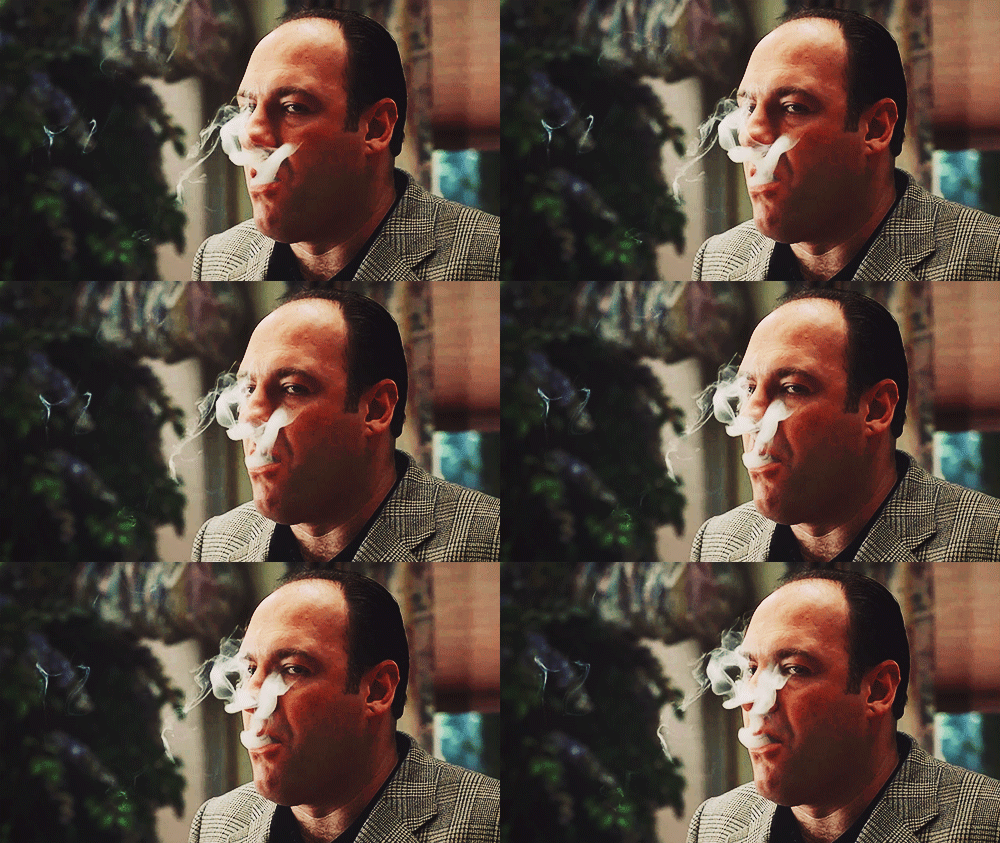
David Chase initially wanted his creation to be a film, and the original scripts that he wrote were for a feature length production about a mobster that went to visit a psychiatrist. These themes were eventually carried over into the show, of course, mainly because Chase's manager believed that the characters were so well-written that they deserved the extensive time that they would be granted in a television serial. Although The Sopranos would surely have a been a great film, it's certainly worth being thankful to Chase's manager for granting Tony Soprano and his family the screen-time and dedication that they deserved.

14. Payphones And Shopping Bags

For some reason, The Sopranos is inundated with both payphones and characters carrying shopping bags. They appear in the background of a huge number of shots throughout the show. It's a trend that seems to occur in practically every episode. There doesn't seem to be a given reason for this, other than that it's an interesting aesthetic trend. Still - great piece of trivia to look out for next time you watch!

13. Tony's Estimated Worth

The writers of The Sopranos carefully researched the ways in which mobsters controlled and laundered their money in order to make Tony Soprano as realistic as possible, and they employed New York assistant district attorney Dan Castleman to advise on this issue. When Castleman was asked how much they had decided Tony would realistically be worth, he stated that it was roughly 5 or 6 million dollars - an amount that fluctuated, of course, because of Tony's substantial gambling problem.

12. Real-World Crossovers

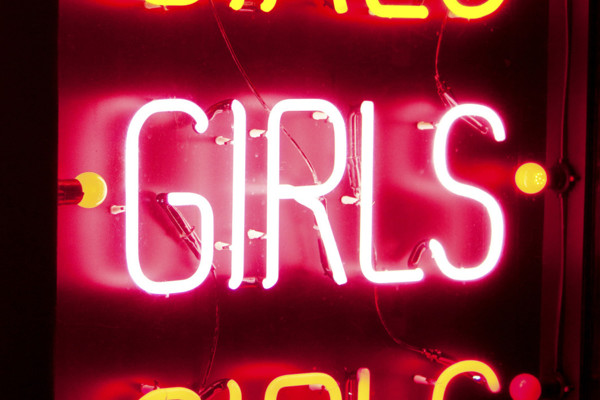
There are many instances of bizarre crossovers between The Sopranos' shooting locations and their real-life existences. Scenes in the Bada-Bing strip club were filmed at an actual gentleman's club in New Jersey called Satin Dolls - a club that has since been the subject of several high profile burglaries. A sports store in the show, based on a real New Jersey shop, was portrayed as going out of business, leading to many concerned calls from customers. Similarly, Long Island's Riverhead Raceway was "sold" in the show. This led to so many questions from customers about its "new" ownership that the race track had to erect a sign to clarify that it was a fictional sale.

11. Italian-American Stereotyping?

While many have praised The Sopranos for its portrayal of Italian-American life, not all reception has been positive. The Coalition Of Italian-American Associations publicly condemned the show for its representation of "negative Italian-American stereotypes", perhaps unsurprisingly given that the show upholds the same image of Italian-American people that has dominated most media portrayals of the past 50 years. However, you regard it as stereotypical or exaggerated, the show is still exceptional.

10. Name Changes

Jamie-Lynn Sigler, who played Meadow Soprano, was made particularly famous by a highly erotic strip scene for her boyfriend during the show. One thing that is interesting, though, is her rapid name-change routine that occurs across the credits of the various seasons. In the first four seasons she uses her maiden name, Sigler. However, after she got married around the time of Season Five, she changed her name to DiScala. Nothing strange there, right? Weirdly, though, because her marriage lasted less than 2 years, by the time the next season aired she had shifted her name back to Sigler again. As such, she is only credited by her married name for one season. Not a major fact, but still a very interesting piece of trivia to watch out for.

9. Double-Casting

Joseph R. Gannascoli is best known for playing closeted homosexual Vito Spatafore in The Sopranos, a character that runs from Season 2 right up until Season 6. However, Gannascoli had intriguingly appeared in show's first season - as an entirely different character. His role is relatively minor - he plays a bakery customer called Gino - and you may have missed him if you've only watched once or twice. But look again and you'll see Gannascoli appearing long before Spatafore is even mentioned. This re-casting of a minor actor that has impressed isn't unique to The Sopranos, of course (Gbenga Akinnagbe, or Chris from The Wire, famously appeared in episodes as a courtroom officer before his character was introduced), but it's still slightly surreal to see an actor playing more than one character in a show that makes such a big deal out of its realism.

8. Body Armour

For the first three seasons of The Sopranos, Steven Schirripa had to wear a fat suit/body armour in order to portray the larger-than-life Bobby. Given that Bobby was subjected to many fat jokes during the show, it's unsurprising that Schirripa - who at the time wasn't much larger than Gandolfini - was concerned that he wasn't big enough for the role. After Season Four, the fat suit was scrapped... Schirripa speculates that "I guess, in Season 4, David thought I was fat enough on my own, so he let me get rid of it." Denise Borino, who played Ginny Sacramoni, also reportedly wore body armour to make her character appear fatter.

7. Tony Sirico's Life Inspired Paulie's Storyline

According to the LA Times, Tony Sirico has a pretty impressive criminal rap sheet. Arrested 28 times, the first of which was at the age of 7, he had a bit of a reputation as a stick-up artist in his neighbourhood. It's not surprising to learn, then, that his character Paulie was based largely around Sirico's own life story. Paulie, a prince of criminals among a cast of many crooks, is more than a match for the man that portrays him. There are other similarities too. The fact that Sirico was utterly dedicated to his mother was carried across to show, as was his OCD about neatness. Paulie is one of The Sopranos' most memorable characters, and that is mainly down to just how realistic he actually is.

6. Generous Gandolfini

Tony may have been pretty merciless womaniser and killer in the series (though he shown to be an excellent family man... Most of the time), but the man that played him, James Gandolfini, couldn't have been much more different. Perhaps the most infamous example of his generosity occurred at the end of Season Four, when HBO and its actors suffered various clashes over pay. The cast of The Sopranos staged a sit-in to shut down the set, halting filming and causing frictions with the studio. However, Gandolfini, who had been paid, elected to dish out his bonus equally amongst the rest of the cast ($33,333 each) in order to settle the dispute and get everyone back to work again. Tony may be going to hell when he dies, but Gandolfini has a heart of gold.

5. Goodfellas Connection

Two dozen actors are shared between The Sopranos and Martin Scorcese's 1990 gangster masterpiece The Sopranos. Chase has admitted that the film was a huge inspiration, and various characters in the show express a love for it. Here is a comprehensive list of all of the actors that have appeared in both: Lorraine Bracco: Jennifer Melfi in The Sopranos/Karen Hill in Goodfellas Frank Vincent: Phil Leotardo in The Sopranos/Billy Batts in Goodfellas Tony Darrow: Larry Boy Barese in The Sopranos/Sonny Buns in Goodfellas Chuck Low: Shlomo Teittleman in The Sopranos/Morrie Kessler in Goodfellas Suzanne Shepard: Mary DeAngelis in The Sopranos/Karen's Mother in Goodfellas Jerry Vale: Himself in The Sopranos/Himself in Goodfellas Michael Imperioli: Christopher Moltisanti in The Sopranos/Spider in Goodfellas Daniel P. Conte: Faustino "Doc" Santoro in The Sopranos/Dr. Dan in Goodfellas Frank Pellegrink: Agent Frank Cubitosi in The Sopranos/Johnny Dio in Goodfellas Tony Sirico: Paulie "Walnuts" Gualtieri in The Sopranos/Tony Stacks in Goodfellas Frank Adonis: "Guest" in The Sopranos/Anthony Stabile in Goodfellas Angela Pietropinto: Helen Barone in The Sopranos/Paulie's Wife in Goodfellas Marianne Leone: Joanne Moltisanti in The Sopranos/Tuddy's Wife in Goodfellas Susan Varon: Joan Gillespie in The Sopranos/Susan in Goodfellas Paul Herman: Beansie Gaeta in The Sopranos/"Dealer" in Goodfellas Tony Lip: Carmine Lupertazzi in The Sopranos/Frankie The Wop in Goodfellas Vincent Pastore: Salvatore Bonpensiero (Big Pussy) in The Sopranos/"Man With Coatrack" in Goodfellas Anthony Allesandro: 'Waiter' in The Sopranos/Henry's 60s Crew Member in Goodfellas Victor Colicchio: Joe in The Sopranos/Henry's 60s Crew Member in Goodfellas Johnny Ciarcia: Albie Cianflone in The Sopranos/Batt's Crew #1 in Goodfellas Vito Picone: Vito in The Sopranos/Vito in Goodfellas Vito Antuofermo: Bobby Zanone in The Sopranos/Prizefighter in Goodfellas Gaetano LoGiudice: Various "Patrons" in The Sopranos/Henry's 70s Crew Member in Goodfellas Nicole Burdette: Barbara Giglione in The Sopranos/Carbone's Girlfriends in Goodfellas Anthony Caso: Martin Scorsese in The Sopranos/Truck Hijacker in Goodfellas

4. Shooting Multiple Versions

As has become the norm in television dramas with shocking and unexpected twists and turns (arguably started with the revelation of Laura's Palmer's killer in David Lynch's Twin Peaks), David Chase would have his cast and crew film multiple versions of the same central scenes in order to maintain secrecy surrounding the actual outcome until the show aired. Effectively this meant that the cast and crew were no more aware of where the plot was going than the show's audience, maintaining a sense of mystery that actually seems kind of inconceivable in a current culture of leaks and social network theories. One of the most famous examples of this approach can be seen in Season Five, when Silvio killed Adriana unexpectedly. Alternative versions were shot simultaneously, including one in which Adriana drove off without being harmed. It would be interesting if more footage of alternative takes were to emerge, just to see some of the red herrings put together by Chase and his group of directors.

3. Steven Van Zandt Was The First Choice To Play Tony

Steven Van Zandt plays Silvio, one of the most memorable and genuinely brilliant characters in The Sopranos. However, the character of Silvio was only written after HBO balked at the idea of a first-time actor like Van Zandt taking on the lead role that Chase wanted him for - that of Tony Soprano. Van Zandt was the guitarist in Bruce Springsteen's E-Street Band, and the combination of his Al Pacino look and sense of humour made such an impression on Chase that he felt he was perfect for the show. When HBO knocked him back, Chase determinedly constructed Silvio to fit perfectly to Van Zandt's look and style. What this meant, to the benefit of the show, was that fans got to see both Van Zandt AND Gandolfini absolutely nailing both outstanding characters on screen, rather than just one of them. HBO's rejection of Van Zandt ended up being a hug positive, mainly because of Chase's refusal to give up on his dream of casting the guitarist in his series.

2. The Real Mob Thought The Show Had An Insider

Whether this is just an urban myth perpetuated by writers on the show or not will never be entirely clear, but it's a fascinating story nonetheless. David Chase and his team frequently spoke about receiving phone calls from the FBI explaining that the series was all that its officers ever spoke about, which is testament to how excellent the writing on The Sopranos actually was. What is even crazier, and slightly less believable, is that the FBI reportedly told the writers that it wasn't just them enjoying the series - it was also the gangsters that they were spying on via wiretaps. Apparently the real-life mobsters were huge fans of The Sopranos, and were so blown away by its realism that they were convinced that the writers had someone working for them that was also a mole in the real gangs. Again, whether this is true or not is up for debate... It's certainly feasible though. Everyone loved The Sopranos when it aired, and its believability was one of the key reasons for its huge popularity.

1. The World Trade Centre's Disappearance
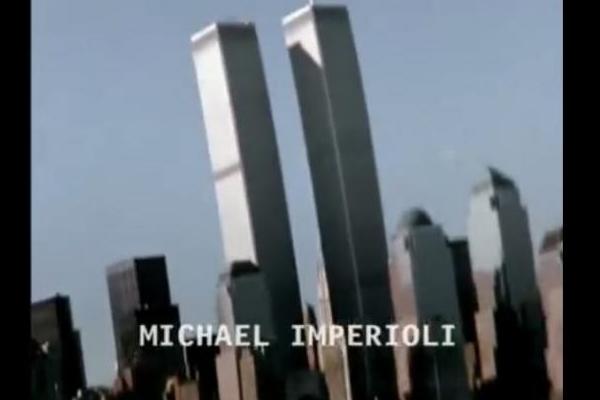
The opening credits of the first three seasons of The Sopranos are notable for one significant difference from the rest of the seasons' sequences: there is a shot in which the World Trade Centre is visible in Tony Soprano's rearview mirror which was, for obvious reasons, removed after 9/11. This may seem like a small fact, but it's significant. The Sopranos has one of the most iconic title sequences of all time, so this change is notable anyway. But it's also telling that such a vast world event impacted on The Sopranos' fictional world, with frequent references to the WTC's collapse becoming a part of the narrative. The entire landscape of New York changed with the terrorist attacks of September 11th 2001, including the landscape of The Sopranos. This is another subtle nod to the importance that the show placed on realism - even a minor detail like a shot in the opening credits was edited to maintain the illusion that The Sopranos was a real family of Italian-American New York mobsters. Interestingly, the WTC also became yet another topic for some of the hilarious electric dialogue that marked The Sopranos out as perhaps the greatest TV series of all time. Bobby: World really went downhill after the World Trade Center. You know, Quasimodo predicted all of this. Tony: Who did what? Bobby: All these problems, the middle east. The end of the world. Tony: Nostradamus. Quasimodo's the hunchback of Notre Dame. Bobby: Oh, right. Notredamus. Tony: Nostradamus and Notre Dame, that's two different things completely. Bobby: It's interesting though they'd be so similar, isn't it? And I always thought, "OK, Hunchback of Notre Dame. You also got your quarterback and your halfback of Notre Dame". Tony: One's a f*cking cathedral! Do you know any other compelling Sopranos facts? Share your favourites below in the comments thread below.

Contributor
Contributor

Articles published under the WhatCulture name denote collective efforts of a number of our writers, both past and present.