7 Reasons Why Teen Titans Go! Has Failed
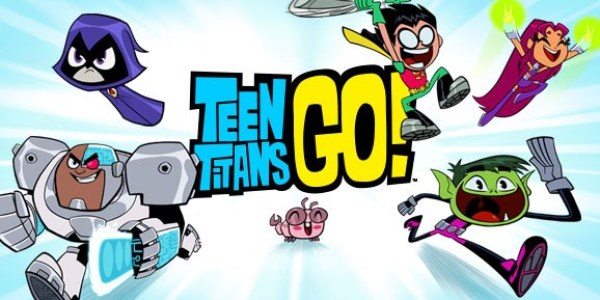 In 2004, an animated series based on the Teen Titans, a DC Comics team of sidekicks and young superheroes premiered on Cartoon Network. It aired for 5 seasons and was loved by its fans. Like many shows before it, Teen Titans was able to appeal to hardcore comic book fans and kids who had never heard of these characters before. The series became famous for its combination of humour, character development, and season long story arcs. The series was also one of the first Western-produced animated series to have anime influences, which included various visual gags and having a Japanese pop music duo perform the theme song. Teen Titans ended in 2006 (with a direct-to-video movie) and it seemed we had heard the last of Robin, Cyborg, Starfire, Raven, and Beast Boy. Then in 2012, animated shorts starring the team called The New Teen Titans aired on Cartoon Network's DC Nation programming block, clearly set in the same continuity as the Teen Titans series (with the same voice cast and miniaturized character designs). The shorts proved popular enough for Cartoon Network to consider reviving the property. Sadly, instead of a straight continuation of the original series, what we got was a "re-imagining" of the original series in the form of Teen Titans Go! The voice cast remains the same, but there are many aspects of this new animated series which have caused frustration and outright hatred from fans. This series has so much potential, which is why it is upsetting that to date, Teen Titans Go! has been a failure.
7. Turning The Characters Into Stereotypes
 The original Teen Titans series focused on a main cast of five characters, each presented as individuals with no double identities or "normal" lives. They essentially wore their superhero costumes all the time. One of the quirks of the original series was that no one really seemed to take notice of the five characters walking around in colourful costumes. Presenting the characters in this way allowed the writers to explore each character's personality based on who they were. At a first glance, each of the main characters can easily be identified with a popular stereotype: Cyborg is a smart jock, Starfire is a naive fish out of water, Raven is a emotionless Goth girl, Beast Boy is a relaxed slacker, and Robin is a overachieving control freak. What made the original Teen Titans series so engaging was that each character was given opportunities to grow and develop their personality. As we learned more about the characters back stories and their insecurities, they also became more relatable as characters. Learning why Raven keeps her emotions hidden, or seeing Cyborg react to being given an opportunity to blend in with normal people were great bits of character development. In Teen Titans Go! each main character is seemingly defined by their stereotype. There is no depth for these characters, just opportunities for jokes. Robin is now a hyperactive, obsessive-compulsive, and impulsive nitwit who feels incompetent for not having superpowers. Their characters are given little opportunity for growth and seemingly remain static throughout the episodes. It seems like a waste to take five well-rounded characters and essentially turn them into bare-bones versions of their previous selves.
6. Keeping Some Continuity
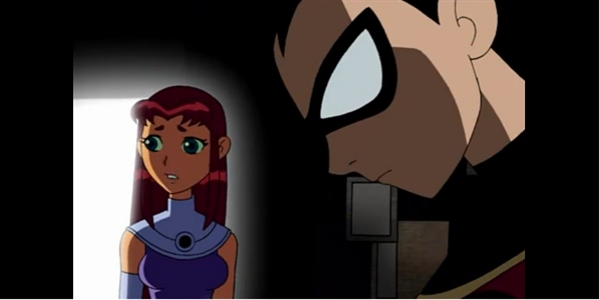 It has never been explicitly stated if Teen Titans Go! is meant to be a continuation of the previous series. There are several indicators which have been presented in the new show to suggest that there is a connection. For starters, the character designs (while shrunken down and simplified for the new Flash animation style) still retain a considerable likeness to the original series. Several supporting characters from the previous series, including the Hive Five, Silkie, Aqualad, Kitten, Red X, Doctor Light, and Speedy have been included (again designed to resemble the original series). The main voice cast and several of the supporting voice cast has returned to their previous roles as well. All indications would suggest that Teen Titans Go! is in fact a direct continuation of Teen Titans, simply done in a different animation style (which has been done before with shows like Ben 10: Omniverse and Batman: The Animated Series). However, particular episodes such as "Terra-ized" suggest otherwise. In this episode, Beast Boy meets a character named Terra for the first time, who was a central character to the second season of the original series. The inclusion of other characters, such as Silkie and Brother Blood who were introduced after Terra, creates confusion. Her introduction here shows that the writers of the new series are essentially taking whatever content from the original series they choose and creating a new series. If the producers of this series wished to establish a new universe without any connection to previous stories, it bears the question of why they would include so many callbacks and references to the previous series? They would be better off developing their own mythology or actually attempting to maintain the continuity from the original series.
5. Making The Series A Comedy
 The original Teen Titans show certainly had its funny moments. As previously mentioned, there were many anime-inspired cutaway gags which involved chibi-style animation or over the top character reactions. In fact, there were entire episodes of the series such as "Mad Mod" or "Fractured" which had a very comedy focused plot. For the most part, the series tried to take itself seriously. The conflicts faced by the characters seemed real and there were plenty of serious moments, particularly during the season finales. The series knew when it was time to tell a joke and when to play up the superhero melodrama. The New Teen Titans animated shorts had a mostly comedy set-up, but with a two minute animated short you cannot really establish a strong plot. Teen Titans Go! on the other hand is presented as a straight out comedy. This series focuses on the "funny business" that happens between the Teen Titans are not saving the world. Episode subjects include Cyborg and Beast Boy being lazy on a Sunday and being convinced by the "Couch Spirit" to remain in their sloth. The emphasis on comedy shows a disconnect from the original series, which could mean that the producers are aiming at a younger demographic with the new series. Admittedly, some of the setups for episodes are very funny. "The Legendary Sandwich", "Sidekick", "The Colours of Raven", and "The Left Leg" are all examples of episodes which are very entertaining and engaging. However, when every episode is a laugh-fest it again shows how much the series is disconnected from its roots. Even occasions where the Titans battle super villains are played up for laughs. On one occasion, they challenge the Hive Five to a dodgeball game. There are no words to describe the disappointment.
4. Keeping The Original Voice Cast
 As previously mentioned, one of the most significant callbacks to the original series was getting the original voice cast from Teen Titans to reprise their roles. Scott Menville (Robin), Hynden Walch (Starfire), Khary Phaton (Cyborg), and Tara Strong (Raven) are all talented voice actors working in the industry today. It is a real treat to see them continue working together on the Teen Titans as an ensemble. Interviews with the cast have confirmed that they became like a family while recording the original series, and have remained close friends ever since. Some of this familial bond can be heard from their performances in the original series. Each actor captured the complexities of their characters so well that they have become synonymous with their role. The inclusion of the original voice cast is deemed a failure on two levels. Firstly, hearing the voices of the characters from the original series speak the dialogue of the new series can be frustrating. A comparable experience would be getting the cast of The Dark Knight to act out Batman & Robin. Secondly, it is clear that these actors enjoy working together. Anyone who follows Tara Strong on Twitter will tell you that on Fridays she posts pictures and Vine videos from the weekly Teen Titans Go! recordings (the picture above is an example). These social media instances demonstrate the bond shared by these actors and the enjoyment they receive from playing these parts. While promoting Teen Titans Go! the main cast reminded fans that they had a lot of fun recording the episodes and encouraged fans to embrace the changes. Greg Cipes even commented that even in comic books there are occasional reboots where stories are presented in a different way. That is a fair point, but nonetheless- if you don't intend to continue the stories from the previous series, stop using the actors who brought those characters to life.
3. Trying To Copy Other Shows
 It seems pretty clear that Cartoon Network green-lit a new Teen Titans show that was meant to follow the trends of existing popular Cartoon Network shows. Shows like Adventure Time and The Regular Show have become incredibly popular with children and many adults outside the target demographic. These creative shows have lots of bright colours, imaginative settings, humourous characters, and crazy amounts of energy built into them. These types of programs are very popular across all animated shows currently on television, so its no surprise that Teen Titans Go! was made to follow this trend. The situations in which the Titans find themselves have become increasingly bizarre (see the picture above) and far-removed from the DC Comics property on which it is based. Keep in mind, the original Teen Titans show got crazy at times as well (they once got sucked into the television and got stuck channel surfing into different shows). The original series had a balance between crazy adventures and more grounded stories. Teen Titans Go! is trying to be every other show for kids on television today, instead of focusing on what made Teen Titans an engaging and interesting concept in the first place.
2. Abusing The Opportunity For A Shared Universe
 The original Teen Titans was on television at the same time as two other DC Comics animated series, Justice League Unlimited (JLU) and The Batman. In order to keep the shows unique, certain limitations were placed on the producers of each series. Batman characters were exclusively used for the Batman, JLU was allowed to use the majority of DC Comics characters and characters specific to the Teen Titans stories were used in that series. This is why we never saw the Titans team up with the Justice League, or why Batman was never mentioned by name in Teen Titans. Essentially, each series was separate from the others, which meant the concept of a shared universe between characters of the same company was not discussed. However, since Teen Titans has gone off the air, animated series such as Batman: The Brave And The Bold, Ultimate Spider-Man, and Avengers: Earth's Mightiest Heroes have showcased a shared universe where essentially any character from a particular company can appear. This change in corporate culture is definitely felt in Teen Titans Go! The characters in this new show now make references to other superheroes such as Aquaman and Superman. Batman & Commissioner Gordon have made a couple of non-speaking cameos, and there was a guest-appearance from the Wonder Twins. An entire episode called "Sidekick" was centered around Robin cave-sitting for Batman. The potential for a greater shared universe is definitely present. However, the producers have yet to take full advantage of this shared universe. Referencing other characters and seeing them is fun, but actually having them interact with the main characters would be more entertaining. The picture above is a perfect example of hidden references thrown into the backgrounds, which shows that the producers are aware of the expanded universe but choose to limit their presence. On this wall of the Batcave is a bust of Mr. Freeze, a copy of the Scarface puppet, a box labelled "Hush Bandages", a container of Renu-yu (which was integral to Clayface's origins in Batman: TAS) and an urn labelled Robin II with a crowbar beside it (a reference to Jason Todd, the second Robin from the comics). That is a lot of subtle callbacks to the comics and previous series. However, more direct inclusion of related characters would be more appropriate than these hidden messages.
1. It Was Meant To Replace Young Justice
 The most significant failing of Teen Titans Go! is its failure to serve as a replacement to the Emmy-Award winning series set on Earth-16 of the DC Comics multiverse, Young Justice. There is no direct correlation between the untimely cancellation of Young Justice (which was renamed Young Justice: Invasion for its second season) and the creation of Teen Titans Go! Reportedly, Young Justice was cancelled due to low sales of the toys and merchandise created by the show. Teen Titans Go! essentially became the replacement series for Young Justice on the DC Nation block, taking spot of a series focused on a team of young heroes. For anyone unfamiliar with Young Justice, it was an incredible show which brought together characters from different generations of the DC Universe while creating a timeline and mythology all its own (it was eventually recognized as its own Earth in the DC Multiverse). Both seasons featured complex story arcs which involved many plot twists and mysteries. Characters were complex and given plenty of room to grow. The cast was enormous and arguably unmanageable by the end of the second season. Young Justice was an example of a strong story set in a shared universe that celebrated all aspects of DC Comics history. Much like Teen Titans before it, Young Justice focused on a team of young superheroes- except these characters did have double lives and they did exist in a universe with the Justice League and other characters. Fans of Young Justice were expected to jump on board with Teen Titans Go! with the promise of more adventures in the style of the original series. As it currently stands, Teen Titans Go! cannot be a replacement for Young Justice or be an appropriate successor to the original Teen Titans series. The various failures mentioned in this article demonstrate where the producers of this new show have failed to present a unique vision or stay true to the original series. Titans, Go!