9 Reasons To Be Excited About Arrested Development Season 5

Take these elements, throw them into Season 5, and baby - you've got a stew going.

Whether you thought Season 4 of Arrested Development was "a huge mistake" or you "prematurely shot your wad" while watching it, there can be no doubt that Netflix's recent announcement that it has commissioned a fifth season to air in 2016 is exciting news. There are few comedies as utterly hilarious and self-referential as Arrested Development, and any opportunity to expand on its characters and innumerable in-jokes is more than welcome! There were certainly problems with the fourth season, and it probably didn't quite match the high points of the original three seasons, but there was definitely more than enough there to suggest that a fifth season could be a huge success. Plus the inventive narrative structure suggested that Mitchell Hurwitz and his team certainly haven't run out of innovative ideas as yet. This article lists just 9 things that it would be great to see in the new season. Some are little issues that cropped up in Season 4 that a new series would undoubtedly be better off without, some are little in-jokes or references to characters that deserve more exposure, and some are simply answers to questions that came up at the end of the previous season. It'll certainly be exciting to see what tricks Hurwitz has up his sleeve this time. Sorry, not tricks - "illusions".


9. What Happened To Lucille Two?

Season 4 didn't end with a lot of cliffhangers. In fact, it mostly just ended the way that most episodes of Arrested Development do - suddenly and without warning. One mystery stands out that continues to be debated though: everyone wants to know what happened to Lucille Two. Liza Minnelli is brilliant as the neighbour that dates everyone from Buster to GOB throughout the show's four series, but she appeared to meet her grisly demise during the complex narrative of Season 4. Her body is shown in a bloody heap at the bottom of a flight of stairs, before vanishing in a later sequence. Buster, who inadvertently touches her blood, is arrested for her murder at the end of the season. But no body has been located as of yet. Is Lucille Two dead? And if so, who is responsible? The list of people with a motive is huge - could Season 5 have a whodunnit story arc?

8. Continue To Experiment

Much criticism was levelled at Season 4 for its narrative structure, which seems unfair in retrospect. The series was split into 15 episodes that each took place over a similar time period, with information and jokes being fed to the audience in incomplete parts so that only a viewing of the full series would reveal everything. This was done partially out of necessity, as the unavailability of certain cast members meant that it was more feasible to film single episodes relating to each character rather than episodes that required the ensemble cast. But it was also an incredibly innovative way of playing on the show's infamous penchant for running jokes and in-references. Jokes would be referred to in the first episode that would not pay off until mid-way through the season, while mysterious allusions in the first half of the series would only make sense once the perspectives of other characters had been explored. This did result in a few problems (which are mentioned later in the list), but the bravery shown in making such a creative decision is to be applauded. Arrested Development has always been a pretty experimental and fan-oriented comedy series. Long may that continue.

7. But Try To Balance That With More Humour Early On

As I suggested, there were a few problems with the narrative structure - an inevitable side effect of taking such an experimental approach. The main one is the fact that the first few episodes of the season were just not all that funny and ultimately came across as pretty confusing. While the gag set-ups and storyline allusions in these early episodes, with hindsight, is pretty impressive, on first viewing the episodes just end up dragging - not ideal for a show that has long relied upon quick-fire jokes (known to hide several visual jokes in a single shot). The overall experiment paid off well, and after a few viewings the hidden meanings and jokes play out far more smoothly. But in Season 5 the balance must be better for first-time viewers. This is something that should improve given that the prototype season is out of the way.

6. Shorter Episodes

Another reason why the first half of Season 4 dragged a bit was the sudden change in pacing brought about by the switch to 30 minute episodes, in contrast with the 20 minute episodes of the first three seasons. Eventually the time-change wore off, and it was easier to enjoy the latter half of the season. Again, though, Arrested Development benefits from being snappy and full of quick jokes. The full thirty minutes just doesn't quite feel right. More episodes that match the length of Tobias' cut-offs are required.

5. Less Focus On Creepy Michael

One of the reasons why those first few episodes were pretty poorly received was the overwhelming focus on Michael Bluth. Yes, Michael is the lead character and yes, he has always provided the show with the heart that its more selfish characters lack. But he is also, most of the time, the show's "straight guy". He just isn't particularly funny, which is fine given that he has such a hilarious group of comedy figures surrounding him. When asked to carry full episodes of the show on his own, the lack of great jokes showed. It wasn't until episodes about Tobias, GOB and Buster followed later in the season that the humour began to flow more naturally. Seemingly to try and make his character funnier, the writers also made Michael into a pretty unpleasant, arrogant and generally creepy figure in Season 4. Michael was always likeable as the normal "good" guy in a family of self-absorbed idiots, so this was certainly not a character shift that worked particularly well. Hopefully it's dropped for Season 5.

4. A Lot More GOB - As President Of The Bluth Company

The best episodes of Season 4 focused on GOB. No question. In fact, along with Tobias, you'd be hard-pushed to find another character with as many truly side-achingly funny lines across the four seasons. So why did it take so long for GOB's Season 4 episodes to show up? OK, so Hurwitz insisted that the season could be watched in any order, and that the narrative puzzle could be solved in a number of ways. Realistically though, it worked best to watch it in the chronological order that it was presented. GOB's only two episodes were parts 7 and 11. He made brief appearances in earlier episodes, but forcing the audience to wait that long for such a great character to steal the limelight certainly was... Sorry... A huge mistake. Fortunately, when he finally arrived GOB stole the show as expected. The season also concluded with him as president of the Bluth Company, so it should be fun to see how the company fares under his expert leadership.

3. Ensemble Cast

The best way to balance the appearances of boring Michael and hilarious GOB is to get back to what made the first three seasons work so well: a constantly interacting ensemble cast. The interplay between Arrested Development's outstandingly bizarre Bluth family members is the show's strongest element, and the fact that the writers struggled to get them all together for Season 4 certainly made it the weakest season to date. As noted, it partially explains the decision to have episodes that revolve around specific characters - some of whom are just funnier than others. Hopefully everyone will be tied down for this series. If so, with the continuing experiments of the writers, Season 5 could be truly special indeed.

2. Fewer Guest Stars - But More Focus On The Best Ones
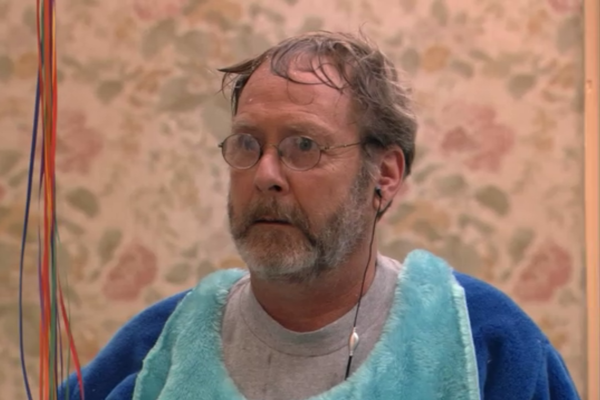
To compensate for the absence of Bluth family members in certain episodes, Hurwitz wrote in a lot of smaller characters. Some of these were exceptional, with the most effective being those that had appeared earlier in the show: Gene Parmesan, Private Detective; Henry Winkler's Barry Zuckerhorn; Ben Stiller's Tony Wonder. But some felt overused, such as Ron Howard (great as a narrator, not so great as a key character) and his daughter Rebel. There was also the error of selecting Seth Rogen, who is only really any good at playing himself, to portray a young George Sr. Given how absolutely hilarious Jeffrey Tambor is, the selection of someone like Rogen to play an earlier version of his character just emphasised how poor a fit he was for the show. Here's to more focus on the Bluths next time out, and less emphasis on the side-show figures.

1. Franklin Delano Bluth

Finally, how did Hurwitz manage to avoid including the member of the Bluth family with true star potential? Franklin Delano Bluth is one of the greatest running jokes in the history of the show, up there with Tobias' innuendos, blue paint, the banana stand and the sad walk. To not include him in Season 4, where is particular brand of humour would have been truly welcome, was a travesty. Hopefully the show's creators have learned from that mistake. Maybe Hurwitz was worried that he might say some more things Whitey wasn't ready to hear...

Contributor
Contributor

Articles published under the WhatCulture name denote collective efforts of a number of our writers, both past and present.