9 TV Shows That Tried To Exploit Nostalgia (And Failed)
Nostalgia only gets you so far.
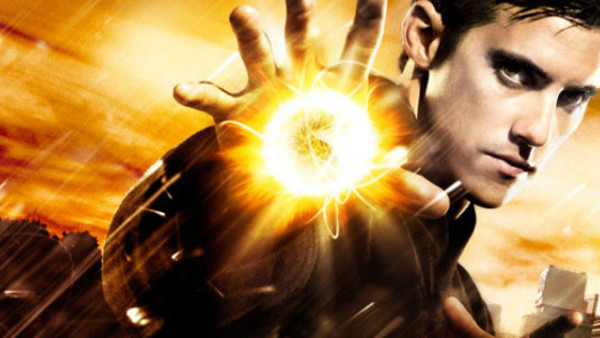
It's becoming increasingly obvious that nostalgia is the most valuable currency in the entertainment industry. Move over 'originality' and 'creativity', what's really important in creating a piece of media fans love is tapping into the things they already love from the past, and repackaging it with enough new bells and whistles to justify bringing it back.
While that's a fair assessment of the big media-making machine, it's not to say that all TV show revivals, spin-offs, prequels or special episodes that tap into nostalgia are inherently bad. Some, like Twin Peaks: The Return, have opened up incredible new creative avenues for shows that were otherwise stuck in a formula, while others simply breathe new life into an older brand and, occasionally, even improve on what came before.
For every success though there's a bunch more that crash and burn, lazy enough to assume that slapping an established title or bringing back a returning face for a new series will result in everyone flocking to their TVs because they remember the thing. Hell, sometimes the intentions might have even been noble, but nostalgia-baiting still won out in the end.
9. Magnum P.I. (2018)

Even if you never watched Magnum P.I., you can probably picture how it looks in your head. The crime series was a bona-fide cultural phenomenon throughout the 80s, with Tom Selleck's moustachioed private investigator being synonymous with TV of that era.
It made the actor a star, to the point where no amount of movie work could separate him from his most famous role. He was the show and the show was him - the plots and style were just a bonus.
It would have been a tough act for anyone to step into those shoes, but Jay Hernandez, who was cast as Magnum in the 2018 revival, does a pretty good job. However, the shadow of Selleck looms large, and every time you're reminded that he's supposed to be this iconic character, the whole thing comes crashing down.
However, the real issue is that while the new Magnum P.I. is a fine enough procedural, it relies heavily on the audience's fondness for not just the original show, but all crime shows from that era. From the intentionally cheesy reworking of the main theme over the opening credits to the clean-cut plots, the series is very much designed to be a throwback, which only goes so far in masking the middling scripts.
Without the branding, it's hard to imagine this getting a second season.
8. MacGyver (2016)
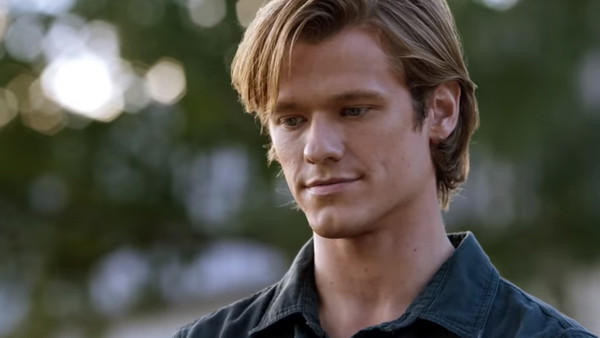
Growing up, the only reference point I had for MacGyver was knowing it as the TV show Patty and Selma loved on The Simpsons, as it was way more popular in the US than it was in the UK, spawning seven seasons and two TV movies.
It succeeded primarily because of the strength of the title character, played with such charm by Richard Dean Anderson. There's a reason Patty and Selma fawned over him: he fought for the voiceless, could outsmart anyone in a tight squeeze and could do pretty much anything with a Swiss Army Knife. He also had a sick mullet.
Over two decades after the final episode aired, CBS ordered a reboot, and despite trying to ape the same characteristics that made the original show so compelling, it felt like a hollowed carcass that'd been reanimated. On paper it hits the same beats as the original MacGyver, but without knowing what made them work the first time around.
A bit like Magnum, this is most obvious when it comes to the new lead. Lucas Till is a good actor, but he's no MacGyver, and the writing's attempts to make him a modern update feel like cosplay at best.
Still, the show is doing decently enough, currently airing its fourth season, and recovering now it's finding its own identity, and not simply imitating what came before.
7. Rock And Chips

Only Fools and Horses is one of the most beloved British sitcoms of all time, and while writer and creator John Sullivan managed to maintain a high degree of quality for over two decades, his attempts to keep the franchise alive through spin-offs weren't quite as successful.
The first, a spin-off focusing on Boycie and Marlene's escape to the country, aired immediately after Only Fools ended and was mostly inoffensive. The second, Rock and Chips, was a far different beast, dropping the sitcom framing entirely for a dramedy prequel series focusing primarily on Del and Rodney's mother.
As a one off, this kind of worked, shedding light on a past talked about but never seen in the main show. It was full of fan service as well, with callbacks to the original series, jokes explained with new context, and characters showing up who had only been mentioned in passing.
That was fine for a special, but when more episodes were commissioned the best parts remained these references to the main show, rather than anything new the series brought to the table. Unlike a great prequel such as Better Call Saul, even the shift in presentation and genre couldn't help Rock and Chips feel like it wasn't simply colouring between the lines.
6. Roswell, New Mexico
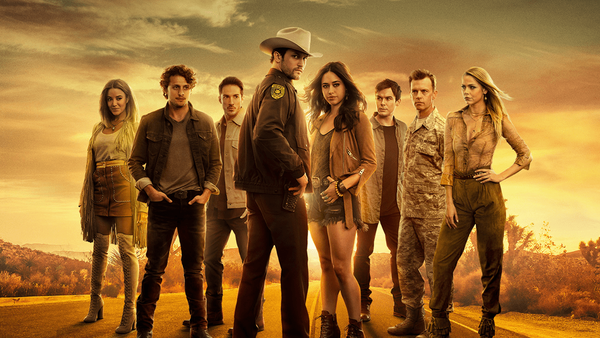
Even more so than Netflix (which I'll get to next), The CW trades in safe bets and nostalgia. The network has enjoyed a resurgence over the past decade, relying on a slate of superhero shows to draw in viewers, alongside reboots of popular cult TV series from years gone by.
Rather than gamble on new ideas, the network has brought back 90210, Charmed, Dynasty, and is in the process of rebooting Walker, Texas Ranger of all things, but by far the weirdest series order was Roswell, New Mexico.
Now, there's certainly a whole bunch of people out there who would instantly recognise Roswell by name alone, but it was never a 90210 or a Charmed, lasting a mere three seasons.
Roswell, New Mexico banked on being supported - at least initially - by nostalgic familiarity but unsurprisingly the Roswell fandom just wasn't there. The reimagining could have worked, perhaps by rethinking the source novels rather sticking close to the formula of the show, but by aping the style of the original series and covering similar beats, it was viewed as little more than a needless imitation.
5. Fuller House

Netflix have made a killing cashing in on nostalgia, jumping on shows from the distant past and rebooting or reviving them for a whole new generation. They've made it clear nothing is off-limits, and Fuller House is the biggest example of that.
The first season of the sitcom revival was also an example, however, of what happens when executives want to cash in on nostalgia but have no real way to justify it. For fans of the original, seeing most of the old cast back together to refer to the old days and indulge in similar plots might have been a dream come true, but for everyone else there was no compelling reason to jump into a show that clearly wasn't for them.
Thankfully, after an indulgent throwback-heavy first season, the writers realised they couldn't get along on that initial nostalgic interest forever (the biting reviews probably helped), and subsequent seasons have improved by moving away from being a quick endorphin rush of childhood remembrance to forging a new identity as a continuation that also stands on its own merits.
4. Knight Rider (2008)
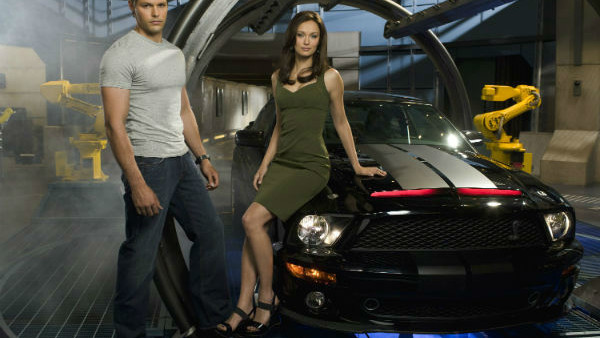
You don't get much more 80s than Knight Rider, a TV show about a crime-fighter (played by The Hoff, because of course) whose sidekick just happens to be a super-powered car that can talk. It was daft, obviously, but it endured, living on for decades across TV, TV movies, and video games.
It was just a matter of time before it was brought back to the small screen, and NBC tried to get in on the action in 2008, modernising the format with the son of The Hoff's character taking over the lead.
This was before the big 80s nostalgia boom of the 2010s though, so the update found itself in a rather precarious position. At the time, seriousness and grittiness was in, but the show still had to appeal to fans of the wacky original, and thus found itself simultaneously trying to tackle adult themes while still indulging in the sci-fi shenanigans.
To put it another way, it was at once trying to appeal to the nostalgia of fans, while also being a little ashamed of the property it was based on.
It was a total disaster, and was swiftly cancelled after one season.
3. The Twilight Zone (2019)

A Twilight Zone revival should have been the easiest open goal in television history. The return of the show had been long overdue, and after Black Mirror started doing horror/sci-fi anthology in its place, it made sense for the grandaddy to return.
When it finally happened, CBS initially made all the right moves on paper. After producing one of the best Twilight Zone movies not called Twilight Zone in Get Out, Jordan Peele was tapped to produce, narrate and even write episodes of the series, and he along with the other executives quickly got to work drafting in the best talent in the industry.
Movie directors like Ana Lily Amirpour and Simon Kinberg were singed to helm episodes alongside Black Mirror staple Owen Harris, but the problem was the stories simply weren't there. It was also in a difficult position, caught between delivering something new and contemporary while delivering audiences a 60s Twilight Zone nostalgia hit via recreating and reimagining old episodes.
There were flourishes of greatness in the first season, but it needs to break out the shadow of the previous iteration and commit to something truly new to truly succeed with the next batch of episodes.
2. Heroes Reborn

Part of the wave of TV show revivals dropping in the mid-2010s, Heroes Reborn could have been something special. The original show crashed and burned fairly quickly, but the promise of that first season was something audiences didn't forget. As a result, the feeling was that if Heroes was allowed to be unshackled in the way modern TV was with no mandate to exist indefinitely, it could finally realise its full potential.
A 13-episode event run was made intentionally to go back to the show's first-season roots, rebooting the series a little bit like Star Wars or Independence day, with new, younger characters being brought in to compliment the returning cast.
The end result was muddled though, and the storytelling hadn't improved in the years Heroes had been off the air. Millions of people tuned in to see these characters return, but quickly dropped off when it became apparent that the core issues that tanked the series previously hadn't been addressed.
1. Arrested Development
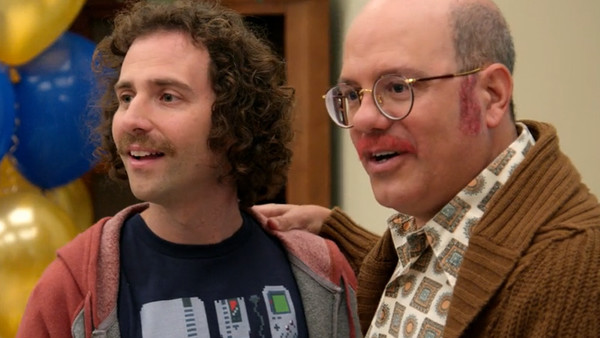
A classic case of 'be careful what you wish for', even before Arrested Development aired its final episode, fans of the cult sitcom were begging anyone who would listen to bring it back for more seasons. It took a while, but that perseverance finally paid off when Netflix revived the show with the original cast in 2013.
The problem was, though, in the gap between seasons, pretty much every member of the cast skyrocketed to success, and getting them all in the same room was impossible. As a result, the fourth season had to split the cast up (or crudely green screen them into each other's scenes) and fans agreed the magic just wasn't there as a result. It wasn't terrible, but the experiment had failed, and it was clear that there'd be no point moving forward unless you could get that chemistry back.
That led to another five-year wait for Season 5, but finally the cast was mostly back together for another string of episodes. At this point though, fans realised it wasn't just the team not interacting with each other that was the problem, but the writing as a whole. The magic of earlier seasons just wasn't there, and the funniest lines were simply callbacks to gags over a decade old.
Watch Next
The Arrested Development Quiz: Don't Make A Huge Mistake
