Game Of Thrones: 5 Plot Contrivances In A Song of Ice And Fire That Were Passed Off As Realism
 We are now less than a week from the premiere of Season 3 of Game of Thrones, HBOs popular adaptation of George R.R. Martins epic fantasy novel series, A Song of Ice and Fire. Set in the fictionalbut vaguely recognizable--realm of Westeros, Martins books tell of the struggle for control of the land, and are full of well-written characters and compelling political intrigue. They are also pretty realistic, as much as a fantasy series can be. They present the brutality of medieval society, and the plot is full of unexpected with sudden, surprising deaths. And while theres a role for magic, its more as an increasingly powerful outside force than a tool for the characters to use. Whats more, were supposed to accept the frustrating death of a beloved character that leaves us no one to root for in the story as this is what often happens in real history; death is usually sudden and pointless (just look up how Frederick Barbarossa died). If we dont like it, then we must not be getting it. But my problem is not with the unexpected deaths or twists, but how they happen. They often occur through some sort of deus ex machina magical means, or through normalbut rather contrived-feelingevents. It often comes off like Martin wrote himself into an impasse, or wanted to play with readers emotions, and had to come up with a convenient way to kill a character. So here are five parts of A Song of Ice and Fire that supposedly lend to its realism butin my opinioncome off as plot contrivances. It is with a heavy heart that I lay these out, as I still love Martins work. But it must be said. Note: I will indicate which of these are spoilers if youve only been watching the TV series.
5. The Death Of Renly
 Ah, Renly. Readers of Martins novels barely got to know him before his death. Viewers of the TV series got a bit more of him, but he was taken away too soon. About that. In book two, Renly looked to be the hero of the series. Young, gallant, charismatic, he had attracted numerous supporters in his fight against the Lannisters. He ran into a bit of trouble with his older brother Stanniswho had a better claim to the throne but less gravitasbut Renlys superior forces seemed able to take care of that. But then Melisandre, a priestess following Stannis, gave birth to a shadowy creature that snuck into Renlys tent and killed him suddenly. And Renlys forces fell apart. I guess it was supposed to highlight the mystery surrounding Melisandres religion, and the magical forces gradually awakening as the series went on. And I agree Renly might have been too conventionally heroic a character to fit into Martins world. But it feels a bit like cheating. In this supposedly hyper-realistic world, a woman can give birth to a shadow that resolves the difficulties in the plot?
4. The Red Wedding
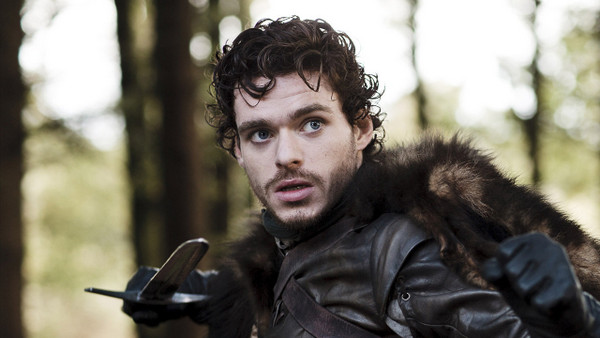 SPOILER ALERT In A Storm of Swords, the third novel in the series, things are starting to go badly for Robb Stark. His forces suffered a disastrous defeat, some of his bannermen have given up and gone home, and he angered his crucial alliesthe Freysby breaking off his engagement with one of the Frey daughters. And then theres The Red Wedding. Robb tries to smooth things over with the Freys by putting his uncle in his place. Unfortunately, the Freys and the Boltonsanother Stark bannermanbetray him to the Lannisters and massacre the Starks during the wedding, including Robb and his mother. Now this isnt a case of magic, but it still felt a bit contrived. Betrayals happen, yes. But two major allies betraying the Starks at once, during a wedding no less? And it wasnt really that necessary. The tide was turning against Robb, the triumphalism surrounding his campaign in the first two novels was waning. Surely there was a more, say, realistic way to bring about his downfall? It really came off like an attempt to shock readers, rather than really develop the plot.
3. Wildfire
 The Battle of Blackwater Bay was the high point of A Clash of Kings, and a thrilling part of the TV series. Stannis fleet besieges Kings Landing, threatening the outnumbered and poorly-managed defenses of King Joffrey. It looks to be a tense, dramatic battle, until the defenders unleash wildfirea hyper-charged version of the actual Greek Fire used in the defense of Byzantium back in the daydestroying Stannis fleet. Its not magic per se, more like alchemy or science, but it still has that deus ex machina element I found distasteful. The tension had been building up, and then it as resolved suddenly by a plot creation that kind of came out of nowhere. I actually felt a bit cheated, really. Convenient nick-of-time rescues are for Tolkien. I was expecting some more (or less, I guess) from Martin.
2. Resurrection
 SPOILER ALERT Throughout the first few books, we hear a lot about Lord Berric Dondarrion. Ned Stark sends him and his men to chase down the villainous Sandor Clegane who is ravaging the riverlands. After Joffrey comes to power, Berric is hunted as an outlaw but he and his band continue to wreak havoc on Lannister forces. He is so difficult to kill that rumors spread he is actually immortal. Berric is a great character in the books, partly because we hear so much more than we see of him, the element of Martins writing that so greatly adds to its depth. The myth of immortality about him makes him even more engaging until we find out that he really is immortal. Or at least can be brought back to life by another vaguely-explained priest. We see this after Gregor Clegane kills Berric in a duel, and he is soon revived. And we learn that Lady Catelyn was also revived, and is now a mute zombie who follows Berric around. Again, Martins convenient use of magic cheapens a great character, a guerilla leader who could have had a tragic and powerful death. And it also cheapens one of the selling points of Martins booksthat, like in the real world, people die. If anyone can be brought back by one of these priests, the books battles get a bit less stressful.
1. Dragons
 SPOILER ALERT I guess this isnt a plot contrivance as much as the plot itself, but Ill still put it in. Throughout the first book, we hear a lot about the deposed Targaryens and the dragons they rode into battle, once upon a time. But the dragons are all dead. It sets a nice mythic tone to the gritty, real-world political struggles of the story, a hint of a time long gone that only makes the present (so to speak) more depressing. Oh wait, nevermind. There really were dragons. And there still are dragons, as we find at the end of the book. Daenerys Targaryen (Dany), the last of the clan, received petrified dragon eggs as a gift, and they eventually hatch. As the books go on, the dragons grow into a bunch of brats who tend to burn down everything around them. They make Danys task of travelling through hostile wastes and taking over well-defended cities laughably easy. Which is a shame, since Dany is pretty irritating, and one character Id be ok with seeing conveniently wiped out. I wouldnt go so far as to say that Dany is the Jar Jar Binks of Westeros, but I wouldnt mind a version of the book series with her edited out. The fact that Martin gave her two dragons to follow her around and solve her problems for her makes it worse.