Marvel’s Daredevil Season 2: 32 Easter Eggs You Probably Missed

12. Kitchen Irish
Netflix
Netflix
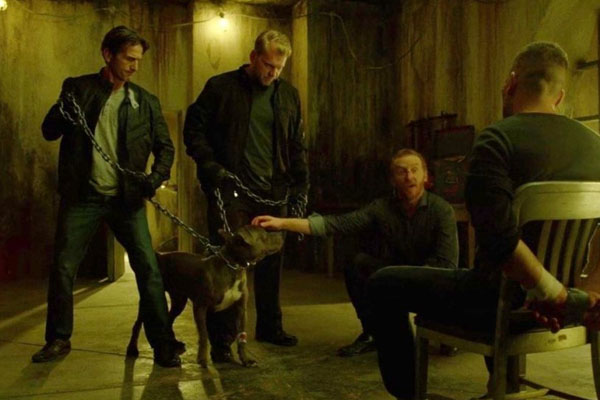
The Irish gangsters who Punisher kills right at the start of episode one have taken their name from the second volume in Punisher Max. The use of stolen money as an important narrative device is also from the same story, which sees four warring Irish gangs fighting over $10000000 left behind by their former leader, Mr Nesbitt (who survives to briefly appear in the show too). The booby-trap that Punisher leaves attached to the money also comes from the comics, though it was Nesbitt who wired it originally.

11. The Punisher In Prison

Marvel
Marvel
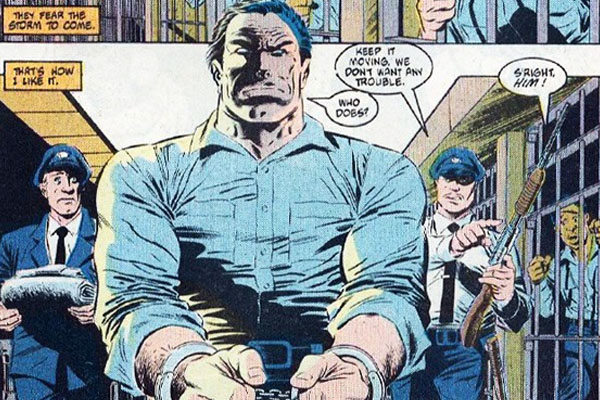
Despite it seeming to ruin his ability to enact sweet, sweet revenge on criminals, when Punisher has gone to prison it has produced some of his best comic book stories. Typically he goes in of his own accord, in order to take down villains behind bars, but like in PunisherMAX, the show sees him legitimately caught and imprisoned. It's a favourite narrative direction for Punisher writers to the point that it's almost a cliche (though a welcome one), and the shot of him walking the corridor with baying inmates around him is straight out of the comics. On the very first page of his first comic, Punisher makes the same walk - albeit with terrified inmates heralding his return - and it's a great companion parallel to the show's sequence.

10. Killdozer

Marvel
Marvel
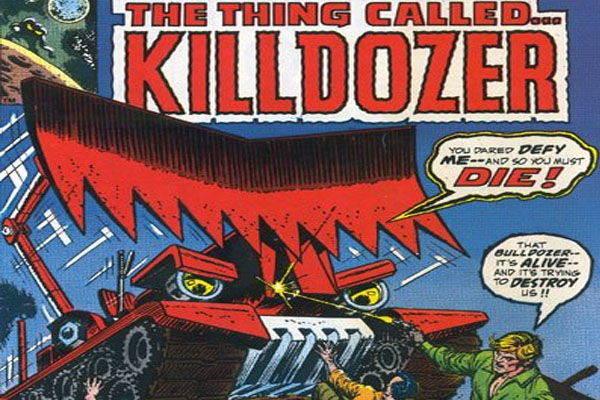
When the media talk up Frank Castle's crimes, Foggy Nelson expresses his disdain and fear, suggesting he should be called "the Punisher" or "Killdozer". That's not an accidental choice, as it refers to two different villains in Marvel comics. The first is an early compatriot of Tony Stark's who helped work on Obediah Stane's Iron Monger suit. He would himself suit up with two fellow former scientists to become the Iron Trinity and fight Falcon. The second is far more ridiculous: an animate bulldozer that channels the spirit of a robot race that clashes with humans millions of years ago, goes on a rampage and kills people. It's very Stephen King, but it's not very good.

9. Karen's Past

Netflix
After lots of flirting in the first season with the idea that Karen has a dark past, we finally get a little more of the shadows in her upbringing that made her think she deserves to be punished. That much is established when Geoffrey Cantor's Mitchell Ellison presents her with Ben Urich's research file on her (creepy!), that includes newspaper clippings. Clearly this is going to play some part in future episodes of the show, and has been drawn from Daredevil: Born Again (as was the origin of Nuke, who was introduced in Jessica Jones). And while Karen's personal story might not include pornography and heroin, the fact that she's haunted by a crime (murder by the look of it), suggests this is the source.

8. The People Vs Frank Castle

Marvel Comics
Marvel Comics
The court-room drama in the second season is a little bit of a let-down despite allowing Foggy to grow as a character. It robs Frank Castle of his sharpness and for the most part Matt Murdock isn't even present. But it at least offers a nice reference back to The Trial Of The Punisher comics, which were something of a departure from his usual ass-kicking arcs. In those comics, Castle hands himself over amid accusations that he murdered a DA, which is precisely what he's framed for in the show. In a slight variation on the comics, in the show Punisher obviously doesn't kill the DA, but it's obvious this is a big reference point for the story, hence the court case being name-checked.

7. The Blacksmith

Marvel Comics
Marvel Comics
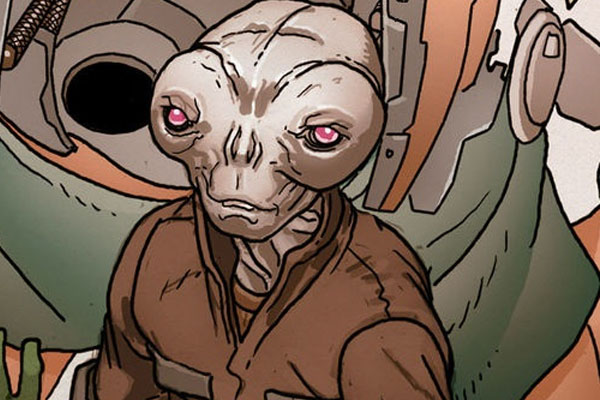
The origin of the villain The Blacksmith's name is a little complex, unless you're really paying attention. In the comics, he's a Skrull, which obviously bears no resemblance to Clancy Brown's character in the show, but you have to think in more linear terms to get the link. The Skrull are a race of shapeshifters, which massively telegraphs the fact that the Blacksmith isn't what he first appears to be. And the revelation that he's really Brown's character Colonel Schoonover has its own Easter Egg; he's named in reference to Marvel Comics artist Brent Schoonover.

6. The Military Link

Marvel Comics
There are a couple of military-based Easter Eggs in the show, specifically relating to Punisher. Firstly, in episode 3 when Frank Castle talks to the old man on the roof (and works out whether he'll have to kill him), the pair discuss military service. While Castle says he toured Iraq and Afghanistan, the old timer says he was a Vietnam Vet. The Reason he mentions his unit - the 3rd Marine Company - is because in the comics, Frank was a Marine in that company during Vietnam. Later when Clancy Brown's colonel tells the story of Castle's heroics at war, he's basically recounting the events of the end of Punisher Born, when Castle takes down combined forces of the Vietcong in spectacularly brutal fashion. The wars might have changed, but that's the moment from the comics he's lifting. The fact that In a case of life imitating art, soldiers have adopted Punisher's symbol as a sign of endurance and strength, emblazoning it on vehicles and helmets.

5. The Luke Cage Nod (And Claire Temple Returns Obviously)

Netflix
Netflix
The upcoming release of Luke Cage's own show will hopefully mirror the successes of both seasons of Daredevil and Jessica Jones leading in the Defenders, and there's a brief nod to the hulking character in this season. Though he's not explicitly mentioned by name, Claire Temple talks about fixing up a big guy and it not working out so well for her. It's got Cage all over it. And it goes without saying that Claire Temple returns. The season gave her the opportunity to leave her job and have her become disillusioned with the medical community when the children of the corn attack her and kill her work-mate. That sets up her turning into Night Nurse - the Nick Fury of the Defenders universe - and operating under the radar as a fixer for the team.

4. The Jessica Jones References

Netflix
Netflix
There are a couple of pretty major references to Jessica Jones. First when Foggy meets up with Marci, it turns out she's been given a job by Jeri Hogarth at her firm after she was fired in the first season. She refers to her office's dealings with Jessica Jones. There's also of course the further confirmation that the DA is looking to tighten the grip on vigilantes - which started with her attempt to charge Jones in her season. And finally, Hogarth herself turns up for a cameo at the end of the season to offer Foggy a job at her company because of his specialism in unconventional legal approach. It was a vaguely sinister meeting: perhaps Hogarth will ask Foggy to monitor Danny Rand in Iron Fist.

3. Elektra's Death (And Last Words)

Netflix
Netflix
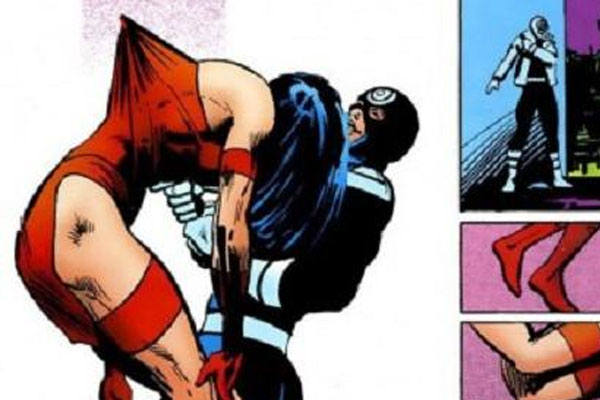
Elektra's death was inevitable as soon as she started trying to get Daredevil to kill other people, and it was great to see her big moment paying homage to her death at the hands of Bullseye in the comics. Obviously Nobu is a different character, but the way he stabbed her felt like a conscious parallel (especially considering the effect on Murdock in both cases).
Marvel Comics
Marvel Comics
Elektra's inevitable revival also mirrors what happens in the comics when she was revived against Frank Miller's desires ten years after she died. In that case too, it was the Hand who attempted to bring her back (though it failed and Daredevil and Stone had to complete it). Does this mean we're going to see her installed as the new head of the Hand in the third season? Let's hope so - a fully villainous turn might be a good thing for the character.

Contributor
Contributor

WhatCulture's former COO, veteran writer and editor.