MCU: Why Netflix's Marvel Experiment Failed
Daredevil joins Iron Fist and Luke Cage in being cancelled, and Netflix's MCU is all but over.

Matt Murdock may have learned to live without fear, but the thing all Netflix Marvel fans were scared of has happened: after three seasons, the plug has been pulled on Daredevil.
The writing was on the wall after Netflix decided to cancel Iron Fist and Luke Cage within a week of each other - and on the eve of Daredevil's third season, no less - but now it's been made official.
Although Netflix don't release ratings, it was quite easy to see why they canned both Iron Fist and Luke Cage: neither were of truly GREAT quality, even if the former made improvements in its second season. Daredevil, on the other hand, is something else entirely. The third season wasn't just its best so far, but is the best season of superhero TV ever made, and means that the Netflix version of the MCU is well and truly dead (the cancellations of Jessica Jones and The Punisher now seem like a formality, once their forthcoming seasons have aired).
With these shows, Netflix made an ambitious attempt to build a small-screen, street-level version of the Avengers, but with four shows gone (including The Defenders), it's clear that the experiment has failed.
5. The Defenders Was A Letdown

Marvel's Phase One was more than the sum of its parts: on their own, Iron Man 2, Captain America: The First Avenger, and Thor are nothing really special. The reason they work so well is that they were key steps towards building The Avengers, and the team-up movie was a complete and utter success in every way imaginable. But what if it'd failed?
While Marvel would've pressed on with some things, it likely would've derailed plans, and the audience size would've taken a major hit. On a much smaller scale, that's what happened with The Defenders.
From conception, these series were all going to build-up to the team-up: there'd be four shows, four seasons (interrupted by prioritising Daredevil Season 2), and then the team-up event series. And even though there were some struggles on the way there - parts of Daredevil Season 2, the back-half of Luke Cage Season 1, Iron Fist - it all would've been worthwhile had The Defenders lived up to expectations and hype. Even people who were flagging on the shows wanted to see it, because this was the payoff.
What we got, though, was a flat, dull, glacial series that, despite some good individual moments for its characters, never justified its existence beyond a corporate mandate, and essentially nullified the shared universe, allowing a number of viewers to presumably drop off.
4. The Heroes Work Better Alone

One of the problems with The Defenders is that the heroes don't work as a team. While the Avengers had their issues and then some, there were believable bonds made between them and you really got the sense of teamwork and togetherness. That doesn't exist with the Defenders.
Jessica Jones is there to roll her eyes at everyone around her, and prefers to work either alone, or with the people she's learned to trust (and at the moment, that's just down to Malcolm). Daredevil, too, has his close friends Foggy and Karen, but he does everything he can to protect them, and it's better when he has that more personal involvement, which didn't happen with the other heroes. Punisher, too, is by his nature a lone cannon with regards to other heroes.
The only two who are actively made better by being teamed-up are Luke Cage and Iron Fist, with the pairing showing potential in both The Defenders and Luke Cage Season 2. There should've been a Heroes for Hire series there, but Netflix missed the boat. The other heroes simply don't mesh well enough together, and that means the shared universe can't really work.
3. Too Many Shows, Too Many Episodes

Since launching back in 2015, there have been six different shows, 11 seasons, and 135 episodes in the Netflix Marvel Universe. That's, well, a hell of a lot.
Netflix expanded this corner of the MCU rapidly, and it's all been too much, especially in the crowded marketplace of Peak TV. What's been the real killer, though, is how many episodes each season has.
When Daredevil Season 1 was produced, it stuck to the tried-and-tested prestige television method of having a 13-episode season, which worked for the likes of The Wire and Mad Men, so you can see why Netflix landed on this number. It worked for Daredevil at first, and Jessica Jones' first season too, but since then every season of every show would've benefited from being tightened up.
Most could've been cut to 10, and some could've been chopped to eight or even six episodes. All of them are bloated, don't have enough plot to last through so many instalments, and suffer from terrible pacing issues. For this to happen once is forgivable, but when it's the same issues with every show, there's a serious failing and audiences are going to run out of patience eventually.
2. People Felt Like They Needed To Watch Everything (So Watched Nothing)
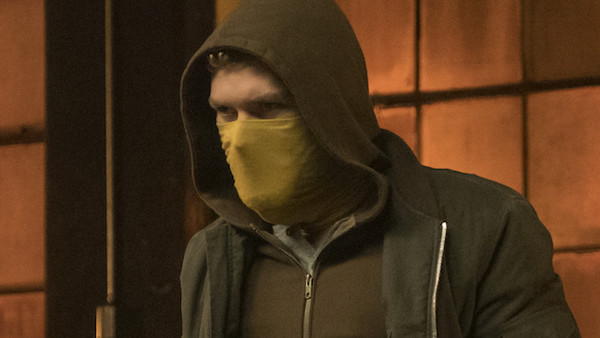
Another aspect of the shared universe that ultimately hindered each series was just how essential Netflix and Marvel wanted everything to feel. They didn't just want people to watch The Defenders, they wanted subscribers to view Daredevil, Jessica Jones, Luke Cage, and Iron Fist, and then come back for seconds and even third helpings.
While most of the shows, especially post-Defenders, do largely standalone, the damage was already done. If you missed one series or fell a couple behind, which is easy to do when Netflix alone have so much content and there are many others 'must watch' series elsewhere too, then there was a sense of being unable to catch-up, and so just not bothering. The movies have had this problem to a degree, but there it's easier because it only requires two hours of investment for each instalment, rather than 13. With so much required viewing, it's not much of a surprise people started giving up.
1. Disney Plus

Netflix's Marvel shows may have been waning for some time - the few available metrics, such as the data obtained by Screen Rant here, point to a steady and then sharper decline for a couple of years - but the cancellations have coincided with the plans being unveiled for Disney Plus.
Disney's own streaming service, it's going to include MCU TV shows, and is being seen as a direct competitor to Netflix. Even if Netflix aren't worried about the competition - and they've got such a head start that they needn't be - it doesn't make too much sense for them to keep on producing Marvel series which will help the company they're now in competition with. They may never officially state that as the reasoning, but with Disney Plus launching late-2019, it's likely Netflix will have completely cleared its decks of Marvel TV shows by then (i.e. cancelled Jessica Jones and The Punisher). They may have cancelled some of the Marvel shows even if Disney Plus wasn't launching, but this has undoubtedly expedited proceedings.
What do you think went wrong with Netflix's Marvel Universe? Let us know down in the comments.