10 Alternative Views On Wrestling's Biggest Scandals

Did Edge use real-life heat to become a genuine headliner?

Professional wrestling is no stranger to the word 'scandal'. By virtue of this, the industry has never elected to shy away from courting controversy. The (sports) entertainment medium known as pro wrestling is pre-determined. In 2015, that's hardly a shocking statement, but there was certainly a time when it was. In 1987, 'Hacksaw' Jim Duggan and The Iron Sheik played polar opposites on WWF television. Duggan was a patriotic babyface, whereas the Sheik was portrayed as a foreign heel menace. Behind the scenes, the men were good friends and travel partners. When they were busted by police for drugs whilst riding together on the road, it caused some problems for the company that employed them. In '87, the idea of wrestling being outed as 'fake' was appealing to the mainstream media, and they jumped all over the story. Turning a negative into a positive for his company, Vince McMahon openly spoke to the media about the way his business worked. Naturally, this angered many within the wrestling industry, who were more than a little frustrated by McMahon's willingness to expose secrets. The Duggan and Sheik incident was huge at the time, and threatened to tear down walls of secrecy many had spent generations building. This wouldn't be the first - or indeed the last - time an organisation or performer would spin something potentially harmful into something more positive. The following examples prove that, for a variety of reasons, even the most shocking situations can have an impact which is often more than meets the eye.

10. Continuing The Show After Owen Hart's Death Showed Commitment Of Talent

It would be foolish to try and claim a positive after Over The Edge 1999 - the wrestling world simply wasn't feeling that way. During the pay-per-view, Owen Hart fell from the rafters of the arena and tragically passed away on the way to the hospital. Paramedics could do nothing to prevent Hart's death, as the trauma from the fall was simply too great. The wrestling world had lost one of its most beloved performers. People have debated what happened next ever since. Instead of cancelling the rest of the event, Vince McMahon made the decision that it would continue. His performing staff must have been distraught, unable to comprehend what had just happened. The next match out after the Owen incident involved Mick Foley, who teamed with the rest of The Union to face The Corporate Ministry. As he explained in his first book, Foley's head was all over the place. At that point, it wasn't quite clear whether or not Owen would survive. However, by the time Steve Austin and The Undertaker went out for the main event, news had spread that Hart had passed. Whether people agree with McMahon's decision or not, it showed an awful lot of commitment to the WWF cause for wrestlers to get their heads together long enough to perform.

9. WWF Posting Lawsuit Against WCW Showed Vulnerability

In 1996, the World Wrestling Federation were furious with rival World Championship Wrestling, who had just signed both Scott Hall and Kevin Nash. Both men had been major stars in the WWF (as Razor Ramon and Diesel respectively) and Vince McMahon decided to sue his competition, crying foul that their WCW characters were eerily similar to the ones they had portrayed in his company. Later that year, McMahon decided to bring back the Razor and Diesel characters. The men behind these personas were Rick Bognar and Glen 'Kane' Jacobs but, by the beginning of 1997, fans had already turned their backs on the idea. Even without bringing back others to play the Razor and Diesel roles, the WWF were showing a lot of weakness by taking WCW to court. Vince McMahon clearly felt threatened, because WCW had used two of his bigger stars to kickstart something huge. Wrestling fans were genuinely excited to see what would happen with Hall and Nash in WCW, and that infuriated Vince. His back firmly against the wall, he decided to seek legal action for something truly petty. This shows how vulnerable he and the company were at that point.

8. ECW Crucifixion Gifted The WWF Kurt Angle
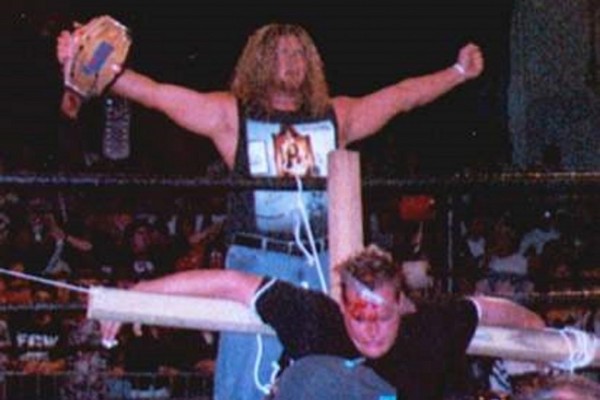
The Summer of 1996 was a huge one for Kurt Angle. At the Olympic Summer Games in Atlanta, Angle won a Gold Medal in wrestling. Quickly, Kurt became the talk of America, and the pro-wrestling world wanted a piece of his star power. According to Scott 'Raven' Levy, Angle had already turned down a deal with the WWF by the time he agreed to attend an ECW show in '96. Angle was there to make a quick speech and provide commentary for a match or two - he was under the impression that ECW was more 'legitimate' and featured more real wrestling, as opposed to the cartoonish WWF. The Olympic Hero would be horrified by what he witnessed that night. As part of the epic storyline involving Raven and The Sandman, the beer-drinking babyface was 'crucified' by his rival. Looking on, Angle was completely disgusted, and any apparent agreement to bring him into the ECW mix was cancelled immediately. Angle threatened legal action, should his name and likeness appear on the show. Just a few short years later, he signed a WWF contract. Admittedly, there's a good chance Angle may have eventually ended up in the WWF anyway. Even if he had signed with ECW, the promotion would have expressed interest at some point down the line. That said, it cannot be forgotten that Paul Heyman almost got him first. The crucifixion angle pretty much soured Angle on pro wrestling, and only the top company could convince him to sign.

7. Signature Pharmacy Scandal Helped Freshen Up WWE Roster

Regarded as the smaller of the two major drug scandals to hit WWE, the one which happened in 2007 is still memorable nonetheless. Known as the 'Signature Pharmacy Scandal', it saw a string of top names linked to an online Florida pharmacy implicated in steroid distribution. The likes of Batista, Edge, Kurt Angle and Booker T were all named and shamed and suspensions were doled out. Vince McMahon and company were not best please, to say the least. The incident directly led to Booker T's departure from WWE in '07. Whilst the promotion stood behind Batista, they decided to suspend Booker for his involvement. Both men had claimed innocence, but the Houston native was outraged that he was punished. The former World Champion would quickly join TNA, leaving WWE on bad terms. Booker had been a huge part of the main event scene in the promotion. Analysing what happened following his exit from the company, Booker's absence paved the way for some fresh blood at the top of the card. The likes of Jeff Hardy would benefit from this, as WWE needed to push new wrestlers to the top in rapid fashion. Even CM Punk, who won 'Money In The Bank' at WrestleMania XXIV was pushed. It's unclear whether or not there would be room for them at the top, had Booker not departed (and had WWE not had to suspend so many other top talents).

6. The 'Plane Ride From Hell' Proved A Watershed Moment
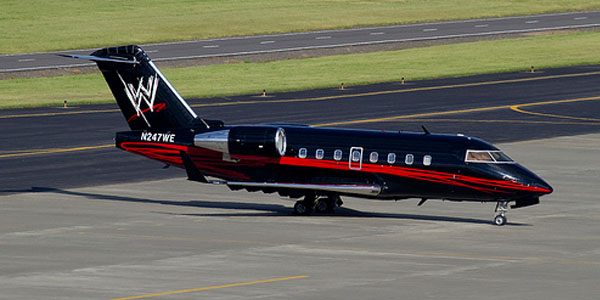
Professional wrestling has always had somewhat of a rowdy, carnival-esque vibe to it. The statement 'the boys will be boys' has often been used in order to justify immature antics. Traditionally, wrestlers were like rock stars when they were on the road, tearing up nightclubs and bars and generally living the high life. Today's performers are more restrained than their predecessors, which suits WWE officials. There are certainly less memorable road stories coming to light, because there are more distractions for talent whilst on the go. In 2002, however, management had a potential disaster on their hands. Coming home from a UK tour on a WWE-chartered plane, talent were restless and in the mood to cause trouble. Guys like Sean 'X-Pac' Waltman, Scott Hall and Curt Hennig were from the old school way of doing things, and they mixed potently with relative newcomers like Brock Lesnar. Whilst thousands of feet in the air, Waltman cut the poneytail of an unconscious Michael Hayes (who had been knocked out by Bradshaw) off, Hall had completely passed out and Hennig and Lesnar almost feel through a plane door when they decided to have an impromptu amateur wrestling match in the aisle (there were other incidents, such as Goldust serenading ex-wife Terri Runnels over the plane intercom and Ric Flair parading around in nothing more than a robe). By the time the plane landed in the United States, several of the wrestlers involved were in deep trouble. It wouldn't be long before Waltman, Hennig and Hall were gone from the company as a result of there behaviour. This was somewhat of a watershed moment, and one of the last times WWE performers were out of control on the road. WWE warned talent not to behave in this fashion again and used several of the old school wrestlers to set an example.

5. Eddie Guerrero Passing Leads To WWE Wellness Policy
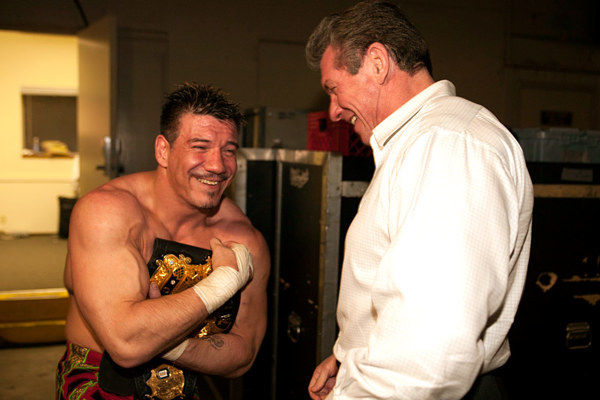
It's a testament to how beloved Eddie Guerrero was that the wrestling world still mourns his death a decade on. Latino Heat stole the hearts of grappling fans across the globe with his performances, but sacrificed a lot to get to the top. He masked his injuries with painkillers and other substances, and also worked out like a fiend in the gym, Naturally small, Eddie tried to compensate for this by upping his workload and hitting the weights hard. He also used anabolic steroids to facilitate his muscle growth. The upshot was that his heart couldn't take the strain and he passed away from heart failure on November 13, 2005. WWE paid tribute to the cherished wrestler, and he is still fondly remembered. Shortly after Eddie died, the company announced plans for their brand new 'Wellness Policy', which was designed to stop talent from burning themselves out or resorting to drugs and alcohol. WWE didn't want another major star dying in a hotel room on their watch. The wellness program cannot be considered anything other than a positive. It's fair to say that the organisation should have been doing something similar years before Guerrero's death (it might have prevented his death), but his passing was the catalyst. Random drug tests and other methods haven't eradicated wrestling problems, but at least WWE have taken steps to try and better look after their employees.

4. Edge Used Real-Life Love Triangle Heat To Become Headliner
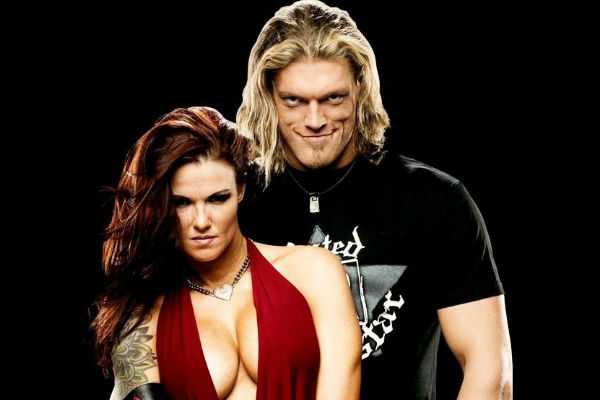
Back in the Summer of 2005, there was no hotter story in wrestling than a very-real situation involving Edge, Lita and Matt Hardy. For years, Lita and Matt had been an item, something which fans had known about since it was referenced on television. In Spring '05, reports leaked that Lita had been seeing Edge behind Hardy's back, something Matt was very vocal about outside the company. The sensei of Mattitude was promptly released from his contract, but fans wanted him back - those chants of 'you screwed Matt!' just wouldn't go away. WWE made the decision to turn the real-life situation into an on-screen rivalry, playing off the genuine heat between Matt and Edge (and Lita). As a result of the feud, Edge rocketed up the card. He was well on his way in late 2004/early 05, but the love triangle gave him Lita as his manager and helped create the red-hot 'Rated-R Superstar' character. Edge had broken through the glass ceiling. Fans genuinely disliked the character and he became one of WWE's top heels as a result. Lita played a big part in his success, acting as a conniving, slutty female who rubbed her indiscretions in the faces of fans. Edge had toiled for years to crack the main event scene but it was only after this scandal that he was over enough to do it.

3. Chris Benoit Tragedy Changed View On Concussions
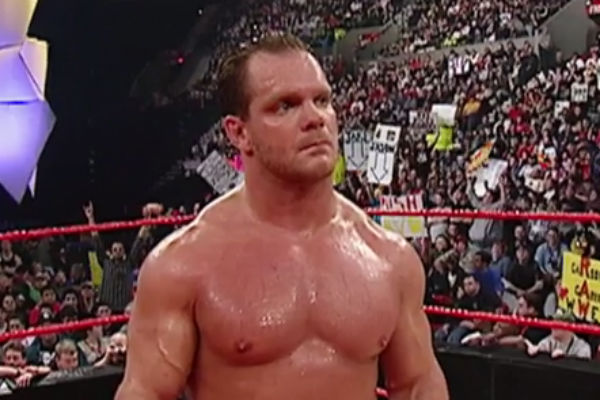
The last days of Chris Benoit's life still make wrestling fans shudder. There are many different stories and reports regarding exactly what happened, but the fact is that Benoit took the life of his wife and young son before committing suicide. The Benoit tragedy is without a doubt one of wrestlings biggest ever scandals. WWE had initially paid tribute to Benoit, before retracting their positive statements when reports of murder surfaced. Postmortem, theories were posted citing head and brain injuries as a possible reason for Benoit's mental state at the time of the murders. The Canadian grappler had suffered many, many concussions, and it was reasoned that he sank into a deep depression because of this. Following the Benoit tragedy, WWE placed a lot more emphasis on protecting talent from the effects of concussions. Slowly but surely, the in-ring product has morphed to be more sensitive to head and neck injuries. Due to this, several moves - including Piledrivers and Brainbusters - are seldom seen on television and talent have to pass several tests before they are allowed back in the ring after suffering a concussion. The Benoit situation was horrific, but it spurred a change which needed to be made. WWE are now more conscious about talent safety.

2. Montreal Screwjob Ushered In 'Attitude Era'
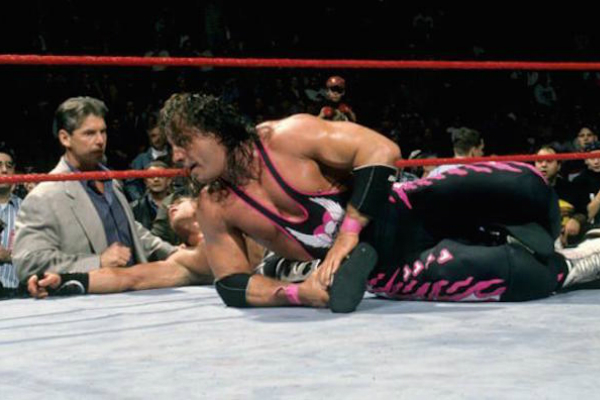
Even before he had left the World Wrestling Federation, Bret Hart was growing tired of the promotion's tactics. In 1997, Vince McMahon wanted to push the envelope a little more in an effort to improve ratings and turn the tide in the Monday Night Wars. The WWF had lost the top spot in North America to WCW, and McMahon saw sleaze and controversy as a means to take it back. As it turned out, he was right. Incredibly, the screwing of Bret Hart only helped the WWF look more edgy. At the 1997 Survivor Series, McMahon, Shawn Michaels and others infamously conspired to take the WWF Heavyweight Title from a departing Hart. In the aftermath, Vince played-up his part in the incident, creating the 'Mr. McMahon' character. That persona would go on to be wildly successful, providing an ideal antagonist for top star Steve Austin. After the Survivor Series, the WWF started to move further into this new 'Attitude'. 1998 was the year when they turned the tables on WCW, and smut and sleaze played a major role. The 'Montreal Screwjob', whilst in many ways deplorable, provided a controversial launching pad for this new outlook. Like it or not, Bret's heartbreak only led to more success for Titan Towers.

1. Steroid Scandal Forced WWF To Adapt
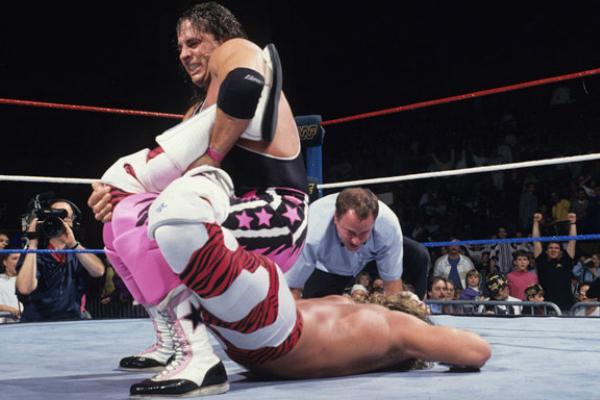
1992 brought about a massive change in the WWF. Previously, Vince McMahon had promoted muscle-bound beasts like Hulk Hogan and The Ultimate Warrior as his top stars. Having a huge body was deemed necessary to make it to the top in the company, because McMahon was fascinated with the idea of larger-than-life 'WWF Superstars'. '92 changed all of that. The United States government began investigating McMahon, the WWF and some of his wrestlers. The situation became known simply as the 'steroid scandal', and McMahon faced a lengthy prison sentence if he was found guilty of helping his performers acquire performance-enhancing drugs. Looking to distance himself from the idea of steroids, Vince decided to take his product in a mcuh different direction. Suddenly, smaller workers like Bret Hart and Shawn Michaels were featured more prominently. Hulk Hogan and Warrior disappeared from screens temporarily, and there was much more emphasis on actual wrestling ability rather than muscle mass. The scandal could have ended up killing the WWF juggernaut outright, but it actually forced McMahon to adapt and embrace a new kind of performer at the top of his cards. What other big wrestling scandals can you think of? Do you agree with the alternative points raised on this list? Let us know your thoughts down in the comments section below!

In this post: 
Lita EDGE
 
Posted On: 
Contributor

Lifelong wrestling, video game, music and sports obsessive who has been writing about his passions since childhood. Jamie started writing for WhatCulture in 2013, and has contributed thousands of articles and YouTube videos since then. He cut his teeth penning published pieces for top UK and European wrestling read Fighting Spirit Magazine (FSM), and also has extensive experience working within the wrestling biz as a manager and commentator for promotions like ICW on WWE Network and WCPW/Defiant since 2010. Further, Jamie also hosted the old Ministry Of Slam podcast, and has interviewed everyone from Steve Austin and Shawn Michaels to Bret Hart and Trish Stratus.