10 Observations From The Resurrection Of Jake The Snake Roberts

Redemption for a real-life Randy 'The Ram'. Get the tissues out, folks - this one's emotional!
When older fans look back on watching WWF in the 1980's and are asked to name their favourites or which superstars they most remember, the stock answers are Hulk Hogan or the Ultimate Warrior, but they'll often bring up Jake The Snake Roberts, too. The man who walked to the ring looking like a serial killer, hit arguably the best DDT of all-time, and carried a bag with a python snake named Damien. Sadly, over the last twenty years or so, those who grew up and continued to watch wrestling or somehow caught a glimpse of Jake via TMZ would feel sad at the tragic way his life turned out. Jake's demons had gotten the best of him and he'd become a drug addict, couldn't get a job with a major wrestling company and was known for his inappropriate behaviour at independent wrestling shows. Then in 2012, Diamond Dallas Page went to visit Jake and everything changed. The documentary The Resurrection Of Jake The Snake documents the entire process, from DDP reaching out to Jake all the way through to him getting clean and ultimately reclaiming his life and legacy. If you read this article, it'll spoil parts of the movie in terms of the plot but I would encourage anyone reading that if you haven't seen this documentary, you really ought to - it's a must-see. It's an emotional, brave and raw look at the life of an addict and how he turns his life around. Here are ten observations I made while viewing it...

10. Jake At Rock Bottom

The documentary starts off with a summary of Jake's career with a who's who of wrestling legends talking about the psychology and intensity that Roberts brought to the squared circle. Luckily, WWE licensed footage for the film so most of the wrestling-based stuff is covered with actual footage, which helps give it an air of legitimacy. After his career is recapped, we get to the fateful night in 2008 where Jake came to the ring intoxicated and, after stumbling into the ring and being pinned in 30 seconds, ended up exposing himself. The whole incident ended up on TMZ for the world to see. It seemed like Jake was a lost cause at that point. When Dallas initially visits Jake at his home, there's a poignant sadness about the whole scene. As old pictures and magazines of Jake's glory days in wrestling decorate his walls, the fallen, broken legend can barely walk and seems to be at rock bottom in his life. As DDP decides to bring Jake to live with him to help him get clean and healthy, there's a real sense of this being Robert's last chance to make things right in his life. He bluntly tells the camera that "my history will not be my destiny".

9. The Love Between Jake And DDP

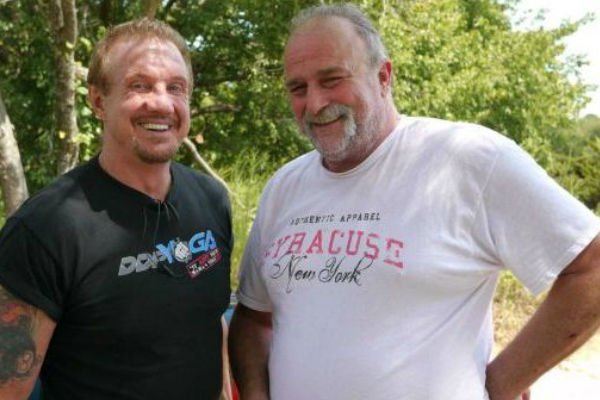
Throughout the documentary, we see Jake struggle with overcoming addiction and coming to the realisation that he'll never be cured of it and it's going to be a daily fight for him that he'll have for the rest of his life. Whenever Dallas talks about Jake, he gets emotional because you can see how much Jake means to Page. After looking up to him in his early days, Dallas considers Roberts a mentor and whenever there's tough times, he's there for him to give him that kick up the arse to get motivated again and fight to stay clean and healthy. For a guy like Jake Roberts, who is openly stubborn and has so much pride, it must be incredibly difficult to let go and admit to needing help. The relationship between Page and Roberts really shines throughout the film. They act and treat each other like brothers rather than just friends or colleagues, providing some emotional scenes during the movie.

8. Rehabilitation

During the first half of the film, there's a clear thread on rehabiliating Jake both physically and mentally. With his financial problems, the director Steve Yu sets up a crowdfunding campaign to pay for shoulder surgery. When fans donate $7000 or the $9200 goal within 24 hours, Roberts is overwhelmed by the generosity and it seems to fuel him to continue striving to get better. While Jake works out with DDP in the accountability crib, you see Jake go from a man who can barely bend his knees of his hips to become agile and flexible the more he does it. While unintentional, Jake's rehab is probably the best advert you could ever have for DDP Yoga.

7. Scott Hall

There are three stars in this documentary. In addition to DDP and Jake, the third star is another wrestling legend, Scott Hall. Dallas ends up putting in a call to Scott after hearing how messed up he was. Hall ends up moving into the crib as well and is almost in worse shape than Jake in some aspects, especially physically. The transformation of Hall from his first appearance in the documentary to the end is both heartwarming and, frankly, astounding. Hall comes across as a genuinely good person who let his demons get the best of him and thinks escalated to a point of no return. But once he starts DDP Yoga and changing his lifestyle, he just gets better and better. While Jake relapses and flies off the handle at other people in the house, Hall is constantly working towards a better future. Living with his son Cody and teaching him how to wrestle is the buzz that The Bad Guy gets nowadays and his love for his son and new zest for life shines through in the film.

6. The Cauliflower Alley Club

Jake works hard for months to get his weight down, to try stay clean and one of the biggest feel-good moments of the film is when The Snake gets the call to be inducted into the Cauliflower Alley Club. He brings his kids with him and seeing the love they have for their Dad and him making the effort to bring them and talk about them in his speech was a great moment in the doc. There was no choice other than Diamond Dallas Page to induct Jake into the CAC. When Page gives his speech to introduce Jake, he still comes across as a fan of Jake Roberts, wanting him to succeed and keep fighting the addiction. The CAC trip seems to give Jake a sense of accomplishment and that his hard work was paying off. It's hard to not smile through that portion of the movie.

5. The Relapses

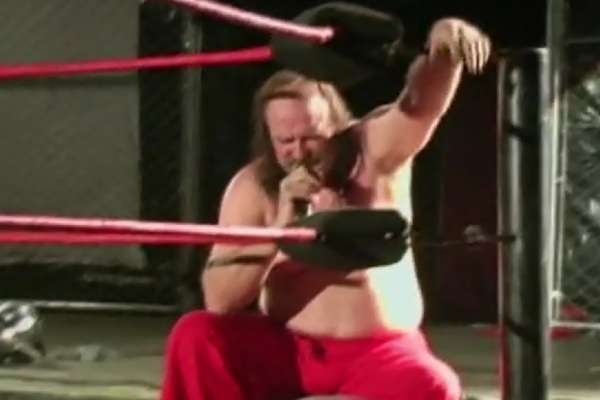
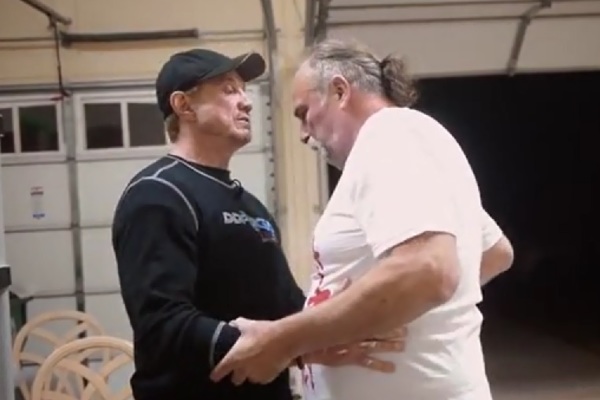
When DDP was putting the footage together to edit the documentary, it would've been easy to just put in the positive steps in Jake's recovery but not include all of the bumps in the road. Some of the strongest parts of the film focus on Jake's relapses and how he handles the confrontation with his friends and Dallas. Raw footage is caught on camera of how Jake's personality morphs into the addiction and how he lashes out at the people around him. Seeing his few relapses and the fallout from those and how he recovers and rebuilds himself is a fascinating look at someone battling addiction and constantly struggling to overcome it.

4. The Power Of Positivity

A key theme of the documentary is Diamond Dallas Page's positivity, something he reminds Hall and Roberts of at every opportunity. No matter how many times Jake relapses or Hall doubts himself, Dallas is always there to remind them how much people love them and why them working to get better will benefit them. Throughout the film, Roberts finds it hard to stay positive at points whether it's him wanting to see results faster or getting frustrated with himself for caving and having a drink one day, but a pivotal part of his recovery is DDP's positivity and it's clear when watching this that without the power of positivity, Jake might not have had such a miraculous resurrection.

3. The Haircut

Towards the end of the film, Jake agrees to get rid of his famous long hair and go for something a little more classy and contemporary. By the time he does this in the movie, the cutting of his hair is almost symbolic of the changes he's made in wanting to become a better person. There's an odd scene where Jake flips out because he feels like Scott Hall is making fun of the lack of hair on the top of his head, but it's only through talking about it that he realises that the sensitivity he's feeling is more indicative of his struggle than Hall actually being mean or trying to belittle him. After seeing Roberts for decades with the long hair, it's bizarre to see him without it, but it feels like him cutting his locks is almost him closing the chapter on part of his life and starting afresh.

2. Back To Wrestling

The last twenty minutes of the documentary are a joy to watch and incredibly emotional to witness. When Jake's reached a point in his recovery where he's been able to control the addiction, he decides to come out of retirement and do some shows in order to leave the business on his own terms. One of his goals that he talks about throughout most of the 90 minutes is wanting to return to the WWE for a spot in a Royal Rumble match. While, that dream is ultimately unfulfilled, there's a superb scene where the accountability crib is filmed watching Old School RAW with Page making a special appearance and, unbeknownst to the house, at the end of the show Jake's music hits and he comes out to lay a snake over a fallen Dean Ambrose. As his music hit and the camera cut between the arena and Jake's friends at Dallas' house jumping up and down with joy, I couldn't help but get goosebumps and start to fill up with tears. You feel like you're with him in this battle as the movie progresses so getting to see his hard work pay off with a moment in the ring is a joy to see.

1. The WWE Hall Of Fame

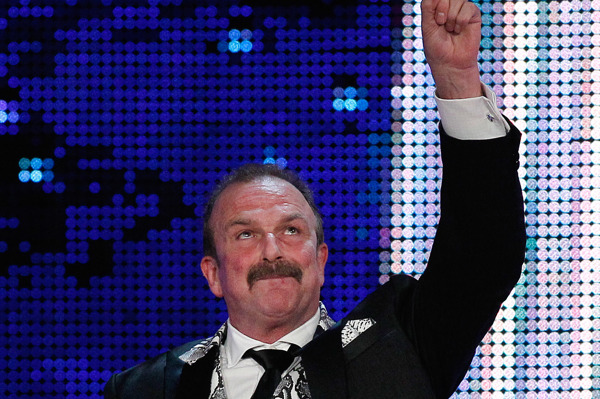
When Dallas went to Jake's house and saw how poor his physical wellbeing was and how long a road he had ahead of him, it seemed like they might never get there. But in 18 months, Roberts makes so many remarkable changes that by the end of the film, he's like a different person. In one of the best scenes in the whole film, Jake talks to Dallas about Triple H calling him to thank him for doing Old School Raw but to tell Roberts that he wouldn't be in the Royal Rumble. Page is visibly disappointed for his friend and tries to remain positive but of course Jake is just playing with Dallas and informs him that HHH did tell Jake that he'd be getting inducted into the Hall of Fame. The hugs and the tears and the emotion feels one hundred per cent real and is the culmination of the hard work they both put in to get Jake reconnected with his family, his friends, his fans and, most importantly, staying clean. There's been dozens of wrestling documentaries over the years from WWE-produced ones to independent features, but The Resurrection of Jake The Snake is one of the most emotional viewing experiences a wrestling fan can ever have. It's a story of a fallen hero who is sitting around waiting for death, who is saved by his friend who desperately wants to see his life and legacy remembered in a more positive way. This is a can't-miss piece of filmmaking. Can't take my word for it? As the legendary Jake The Snake Roberts would say - Trust Me. Watch it immediately. More information on the film can be found at www.JakeTheSnakeMovie.com, where you'll also find a link to the iTunes version of the movie which you can purchase online and watch the film digitally.Have you watched the movie? What did you think of it? Let us know in the comments.

Contributor
Contributor

Kenny is a successful podcast host with Inside The Ropes, promotes exciting Q&A events in the UK with the likes of Sting and DDP, has interviewed the big guns like Foley, Jericho, Bruno and Austin and enjoys cheese a great deal.