10 Reasons WWE's Audience Has Dropped 20% In 12 Months
7. Lack Of Star Power
Here's a poser: who is the biggest star in WWE today? Who's the one person who shifts the most tickets, moves the most merchandise, and draws eyes to the product like iron filings to a magnet?
John Cena? Brock Lesnar?
Both good answers. Rewind just two months back, and Goldberg and The Undertaker would likewise have been viable candidates. But what do all these men have in common?
Well, obviously they're all major stars - that's implied. But these particular stars were formed long ago in the WWE Universe - The Undertaker practically at its inception. They've shone brightly for a while now, but they can't burn forever (and the latter two have all but supernova-ed). Cena and Brock's appearances are already dwindling - putting the Universal title on the latter smacks of desperation - and it's surely not long before they call it a day. Who's left to light up arenas?
The answer, is nobody. WWE may have a talented roster, but the way that pool is booked almost seems specifically designed to prevent anybody becoming too popular. Part of this is down to the company's pre-determined vision of who they want to champion the brand. The other is the CM Punk effect - WWE are terrified of being held to ransom by a star who outgrows the promotion.
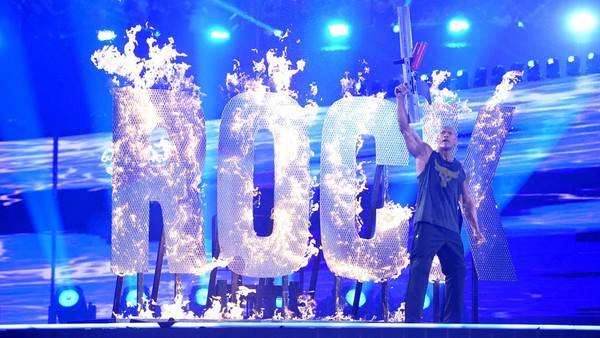
It means the organisation are heavily reliant on loyal veterans, or short-term, high-fee returning megastars. It's no coincidence that Raw ratings jump when someone like The Rock makes a rare cameo. But it's a well in serious danger of drying up. Who from the mid-2000s will WWE be able to call upon for a quick nostalgia pop? The lack of candidates speaks volumes of the company's inability to create stars over the past ten years.
The rest of the year, there's almost no reason to get excited. Everyone is in the same position, and anyone who threatens to break free of the mid-card is swiftly put in their place. Fans have been conditioned to expect their support for periphery players to be snuffed. With the company only prepared to get behind their chosen few, why invest in anyone else?