10 Things You Need To Know About The Original ECW Invasion

In the mid 90's the WWF was invaded by ECW.
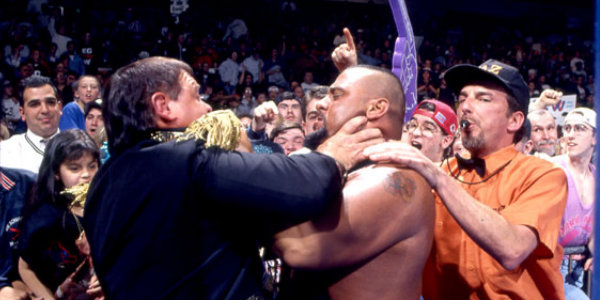
ECW invading WWE wasn't exclusive to 2001. Paul Heyman brought his band of hardcore merry men to the WWE first in 1997 for a series of epic RAW shows. This article will run down everything you need to know about that original Invasion. The original ECW had a die-hard fan base that couldn't, and perhaps will never be, matched as far as undying loyalty goes. Vince McMahon saw this and revived the promotion in 2006 after it went out of business five years earlier. He thought it would translate into big business. However, to say that it was a colossal failure would be an understatement. A corporate spin on a grass roots, anti-establishment wrestling promotion was a glaring reminder to fans that this wasn't the land of hardcore that they used to know. However, in the mid-90€™s, the professional wrestling landscape was a much different place. WWE, WCW, ECW were flourishing as the top three promotions and the highly sought-after inter-promotional dream match had been always a topic conversation. Who would win these epic encounters: Stone Cold Steve Austin vs. Bill Goldberg, The Rock vs. Ric Flair. We were treated to a sneak preview of what could be in 1996, and what eventually flourished the following year as the original ECW invasion. Extreme Championship Wrestling quickly gained ground and took off like wildfire while earning an infamous reputation. Not even Vince McMahon could ignore the uprising of extreme and there are a lot of ground breaking things that took place. Without further ado, here are 10 Things You Need To Know About The Original ECW Invasion.

10. The Whispers Of Extreme

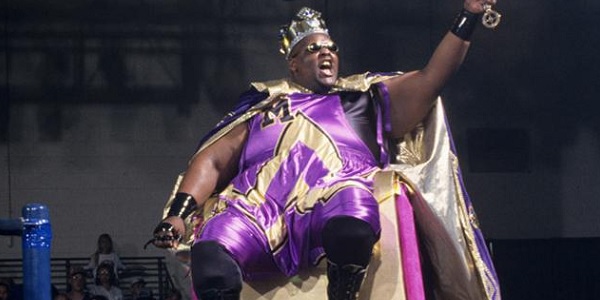
1995€™s King of the Ring is considered one of the worst pay-per-view events the WWE has ever produced. Lackluster and gimmicky matches with poor booking decisions was an unfortunate statement as to how far down professional wrestling had fallen creatively. The KOTR tournament usually produced great matches, but this time, it was riddled with bad matches, convoluted storytelling and poor finishes. Mable wrestled Savio Vega in the finals, and drew a chorus of boos during and after the match when Mable was declared the winner and crowned king. However, there was a particular chant emanating from the live Philadelphia audience that became the real story with insiders and diehard fans. Loud €œECW€ chants could be heard during the match. Fans who only watched WWE had no idea what they were chanting or what €œECW€ meant. On commentary, Vince McMahon acknowledged the chants, believing it was a positive reaction for Savio Vega. Once he figured out what was really going on, the microphones in the crowd were turned down immediately. This isn't the most significant thing to ever occur on a wrestling show. However, fans voiced their displeasure at a product by echoing the name of another company that succeeded where WWE failed in giving them content that didn't insult their intelligence.

9. ECW Plays Mind Games

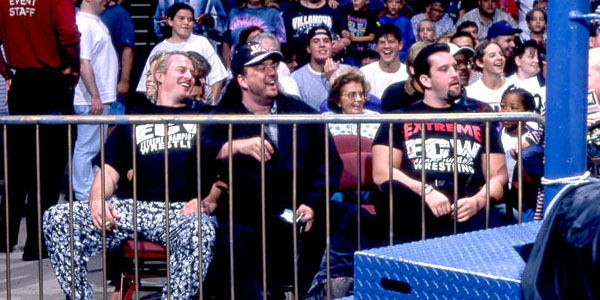
1996€™s In Your House: Mind Games started off with a Caribbean Strap Match with Savio Vega against Justin €œHawk€ Bradshaw with Uncle Zebekahia (Zeb Colture) in his corner. The two whipped each other mercilessly as the ECW stars Sandman, Tommy Dreamer, and Paul Heyman came through the Philly crowd and took their seats in the front row. The match spilled outside to the floor where Vega whipped Bradshaw at will. That gave the Sandman the opening he needed to do his trademark beer chug along with smashing the can repeatedly on his forehead before he proceeded to spit the beer in Savio Vega€™s face. Vega played it off like it was some fan getting out of line while the commentators never mentioned ECW by name thus giving it that unscripted vibe.

8. Sabu Fears Taz 9/23/96

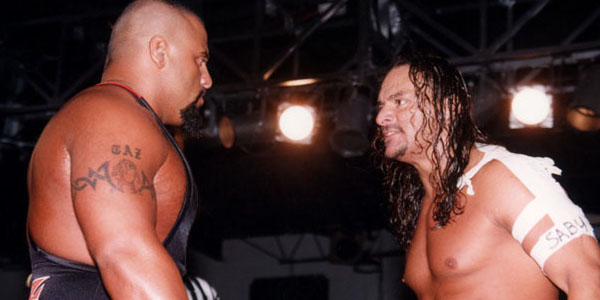
The next night on Raw, following Mind Games, Owen Hart and The British Bulldog defended the tag team titles against Skip and Zip, The Body Donnas. It seemed like any other match at the time with Clarence Mason, on commentary, insisting he didn't steal the champ€™s clientele away from Jim Cornette under duress. All of a sudden an €œECW€ chants breaks out and Taz jumps over the ringside barricade, bringing the match to a temporary halt as he holds up an orange sign with black text that reads €œSABU FEARS TAZ€ Jim Ross put over the moment as a shoot, never mentioning the renegade promotion by name and angrily referring to it as €œsome local outfit that wrestles out of a bingo hall trying to get their 15 minutes of fame.€ The real purpose of this moment was to give ECW worldwide exposure while promoting their most anticipated and heavily built match that would headline the company€™s inaugural pay-per-view, Barely Legal. This was major water cooler talk amongst hardcore fans and for those who never heard of ECW, the objective was clear. Who is Taz? Why is Sabu afraid of this guy? What is ECW? Maybe I should look into this!

7. Challenge Accepted

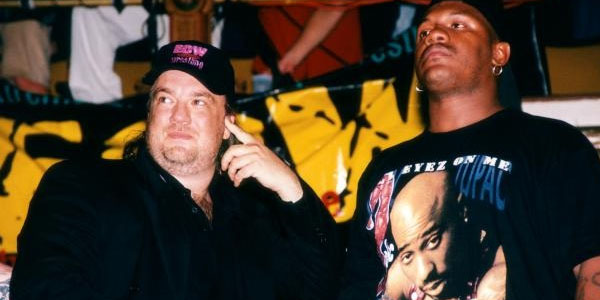
ECW signs and chants were becoming more prominent with the live audience on WWE television. This was a clear indicator that Paul Heyman and Vince McMahon€™s business relationship had moved past the flirting stage. It was time get extreme in a recognized manner, but a story line was required in order to make a memorable introduction. Jerry €œThe King€ Lawler became the anti-extreme mouth piece, fed up with all the buzz €œExtremely Crappy Wrestling€ was garnering. Lawler went on a vicious rant about his hatred towards the group, challenged the ECW wrestlers to appear on Raw the following week, assuming they would they slip on a banana peel and prove his point that there is nothing behind the hype. Heyman called in on Raw the week before and accepted the challenge. February 24, 1997, ECW invaded the Manhattan Center. The birth place of Monday Night Raw. The Eliminators, Perry Saturn and John fired the opening shots as they cornered a member of the ring crew and hit him with their finishing maneuver, Total Elimination. Stevie Richards with the Blue World Order (BWO) in toe defeated Little Guido with the Stevie Kick. Sabu jumped off the RAW sign onto the Team Taz entourage, but that did little to deter Taz who choked out Mikey Whipwreck with the Tazmission. Tommy Dreamer beat D-Von Dudley, Bubba Ray jumped in after the match and The Sandman made the save. Paul Heyman, who had been doing commentary during the ECW matches, had enough of Jerry Lawler€™s negative remarks, and charged at him but was restrained by his compatriots.

6. The Extreme Debate: March 10, 1997
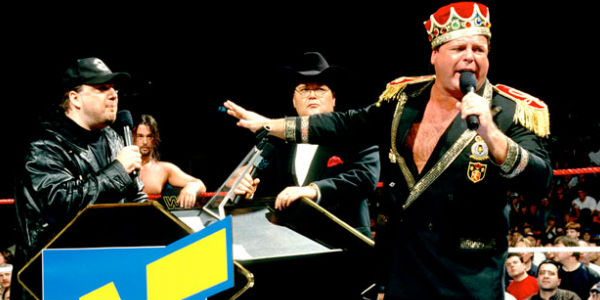
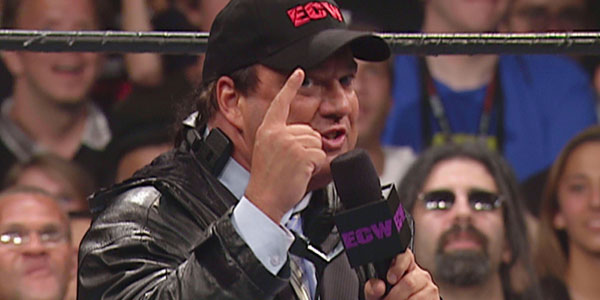
The debut of Raw is War featured an extreme debate with Paul Heyman representing ECW and Jerry Lawler supposedly holding the flag for the WWE with the topic being €œShould ECW even exist?€ Lawler questioned if the promotion even existed, calling them a once a month rinky-dink bingo hall operation with a bunch of wrestlers who couldn€™t catch on with a legitimate origination. Heyman replied that he was proud of his roster because they worked hard to give the fans their money€™s worth. Things went into shoot territory as Heyman mentioned that Lawler€™s kids won€™t even use his last name because they are ashamed of him. Lawler retorted that Heyman is a loser because he is a 35 year old man who lives with his parents who fund ECW. Things got back on their regularly scheduled programming as Tommy Dreamer vowed to go to war with the Sandman, Eliminators and Dudley€™s behind him. Lawler called out his friends in the WWE locker room to come out and teach ECW a lesson. No one did, and Lawler ran with his tail tucked between his legs.

5. The Birth Of Mr. Monday Night

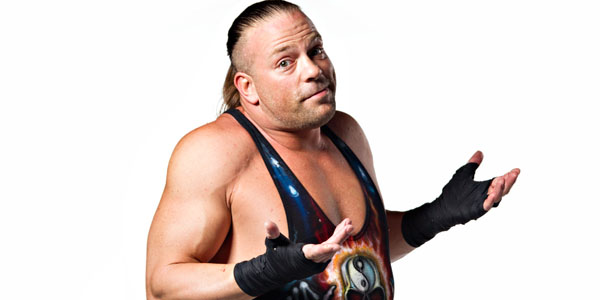
On the 5/12/97 episode of Raw, a new superstar made his WWE debut and his name was Rob Van Dam. Well, at least that€™s what Jerry Lawler tried to make us believe. RVD defeated Jeff Hardy, who was an unknown job guy at the time, in a high flying affair while Lawler sang his praises on commentary. Rob Van Dam had laid the groundwork a month earlier at ECW€™s inaugural pay-per-view, Barely Legal. After beating Lance Storm, he aired his grievances with the company, stating that he was insulted at being second string for the injured Chris Candido. He also bragged that his win made him more valuable for another promotion. For weeks, Jerry Lawler would spew his anti-ECW venom to anyone who would listen. Rob Van Dam going to WWE, while under contract to ECW was a slap in the face of the hardcore faithful while also validating Lawler€™s claims of the company being low rent and full of talentless wrestlers.

4. Jerry Lawler Invades The ECW Arena
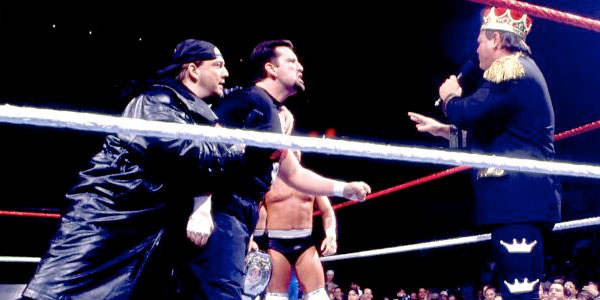
ECW wrestlers had appeared on WWE television for the last few months. It was time to reverse the trend. Wrestlepalooza 1997 was built around Tommy Dreamer€™s last chance to finally beat his arch nemesis, Raven, before he left for WCW. Dreamer got the big win that escaped him for so long and he was left with little time to celebrate. The lights went out and when they came back on, Rob Van Dam was in the ring and nailed Dreamer with a chair. The lights went down for a second time, and when came back on, Sabu was in the ring and assisted with the beatdown. The lights went down a third time, and when they came on, Jerry Lawler was in the ring, with a microphone, trashing ECW. The trio destroyed all of the ECW wrestlers who tried to aid Dreamer until Taz came out and the WWE contingent cleared the ring, in fear of the human suplex machine. The angle got a monster reaction inside the ECW arena, maybe the biggest ever in that building, and was executed to perfection on every level imaginable. This is more than worth going out of your way to see because it shows how an inter-promotional angle is properly done.

3. Mr. Monday Night Vs. Flash Funk

Raw on 6/9/14 in Hartford, CT served as the aftermath of Jerry Lawler€™s assault on the ECW arena. Rob Van Dam wrestled Flash Funk, who still showed strong ECW colors from his days as Too Cold Scorpio. Paul Heyman and Tommy Dreamer had seats at ringside while Lawler was goading them, on commentary. RVD won the match, Heyman jumped the guard rail only to get beat up by Lawler, Dreamer brawls with RVD and a whole host of WWE officials try to maintain order.

2. USWA Enters The War

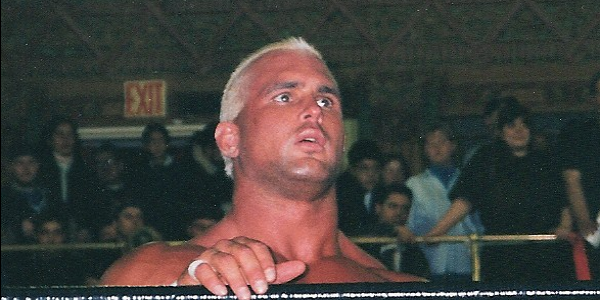
The United States Wrestling Association (USWA) was a wrestling promotion based in Memphis, Tennessee that was founded by Jerry Jarrett in 1989 and taken over by Jerry Lawler and went out of business in 1997. Lawler would often headline their events and brokered talent exchanges between himself and Vince McMahon. USWA was also a developmental territory of sorts for WWE. The Rock, under the name Flex Kavana, worked there until he was ready for the big time and Glen Jacobs kept himself in in-ringshape until WWE was ready to debut the character, Kane. Raw on 6/16/97 featured what was called €œinter-league action€ between Brian Christopher of the USWA and Chris Candido of ECW. On commentary, Paul Heyman dropped the bomb that Christopher is Jerry Lawler€™s son. Lawler denied it, interfered in the match and got Christopher disqualified in the process. Tommy Dreamer ran in to make the save for Candido. This was the beginning an ECW vs. USWA feud that only took place only in the USWA. The storyline started when Tommy Dreamer trashed the USWA TV studio in response to Jerry Lawler€™s anti-ECW crusade. This led to several shows involving inter-promotional matches with increased attendance. Unfortunately, the angle was short-lived as fans predominantly cheered ECW, who were portrayed as the heels, failing to garner the desired result for the babyface USWA.

1. Rob Van Dam And Sabu Killed The Invasion
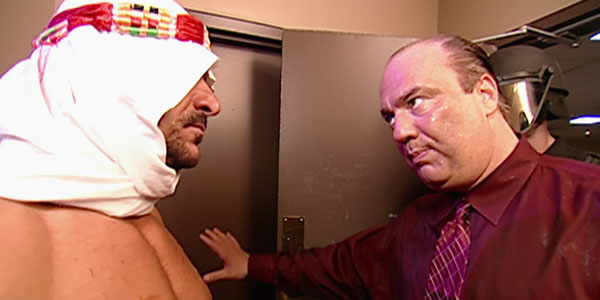
The Wrestling Observer reported that backstage at the Monday Night Raw taping on 6/23/97, Rob Van Dam and Sabu were not happy with what WWE creative had booked for them. Sabu complained about having to do a double count out finish with Flash Funk and wanted to go over in the match. RVD was scheduled to put over Jesse James Armstrong, aka Road Dogg, via count, who was primarily losing matches at the time. RVD commented that his losing to James would be equivalent to Bret Hart coming into ECW and losing to one of their job guys. This drew the ire of WWE officials, Gerald Brisco in particular, who found it insulting that Van Dam would compare himself to Bret Hart. There were also complaints about Van Dam€™s ego as he believed he was a bigger star than he actually was at the time. It€™s certainly understandable from a promotional point of view because Van Dam would have made ECW look inferior if he lost to a jobber. However, there were no count outs in ECW, and since Van Dam was a heel, a simple promo talking about how he wasn't used to WWE rules could have given him a pass. This was thought to have almost killed the invasion angle as it was believed that Paul Heyman saved it. The plan was to have aweekly ECW presence on Raw to build to a match at Summer Slam that year with Tommy Dreamer and Sandman working Jerry Lawler and Rob Van Dam. The benefit for ECW was to receive some promotion for their sophomore pay-per-view, Hardcore Heaven. However, that night in Detroit was the last time ECW was seen on WWE television. Apparently, extreme egos did kill the deal after all.

Contributor
Contributor

Atlee Greene is a freelance writer for various sites, including ForcesOfGeek.com, Gerweck.net, CamelClutchBlog.com, and WhatCulture.com. He is also a former independent professional wrestler and promotes shows in the Massachusetts area.