12 Misconceptions About ECW You Probably Believe
10. It Was A Financial Disaster From Day One
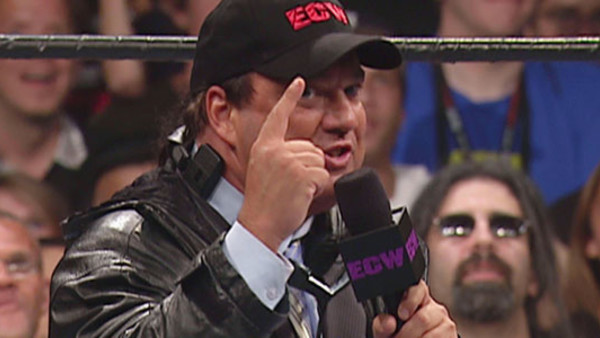
It’s tempting to remember ECW’s end — the bounced cheques, the unpaid roster, and Paul Heyman suddenly popping up next to Jim Ross on Raw — and assume the company was a financial disaster from day one. But that’s just not the full picture.
For most of its run, ECW was surprisingly stable. No, it didn’t have WWE’s money or WCW’s bottomless Turner budget, but it made the most of what it had. The company built a fiercely loyal fanbase, packed out venues like the ECW Arena and Hammerstein Ballroom, and sold a mountain of VHS tapes and merch. At one point, they even turned a profit — something WCW, hilariously, failed to do for years despite its millions.
The real problems kicked in once ECW landed a national TV deal with TNN in 1999. What should have been the rocket fuel turned out to be an anchor. The network barely promoted the show, shoved it into a death slot, and tried to water it down to fit cable standards. Add in rising production costs, key talent jumping ship, and the loss of their video distribution deal, and suddenly the empire started crumbling.
ECW didn’t explode — it bled out slowly.