15 Things Wrong With WWE Right Now

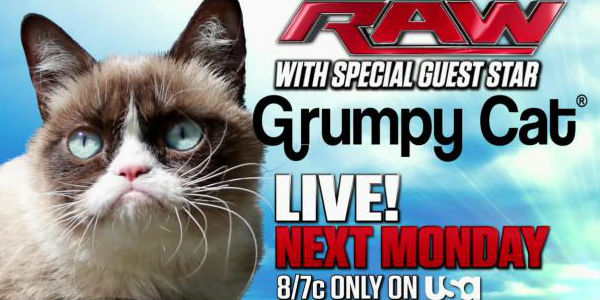
Here's hoping they never invite Grumpy Cat again...

It's sometimes really tough to be a fan of WWE. Quite often, the credits will roll on Monday Night Raw to the sounds of bafflement and bemusement rather than the extreme emotions the business should be provoking. As a form of scripted drama, the worst reaction to professional wrestling is indifferent silence. Unfortunately, this is a reaction that is all too common at current WWE shows. Since SummerSlam, especially, the product has felt stagnant, as if it is treading water in an effort to get to WrestleMania season. The state of the business, in general, is far from at its best right now as it attempts to transition from Vince McMahon's edgy product to the more child-friendly TV-PG future under the leadership of Stephanie McMahon and her husband Paul 'Triple H' Levesque. The team at WWE Creative has made a series of bizarre decisions in recent months, but it's instead deeply ingrained problems within the company that have caused many of the problems that it faces. There needs to be a serious rethink of the approach to talent, storytelling and ring work if there is ever going to be a return to the popularity and quality that took wrestling to its last golden age during the Attitude Era. Here are some of the myriad flaws that need to be ironed out before wrestling can be great again.

15. Transition Of Power

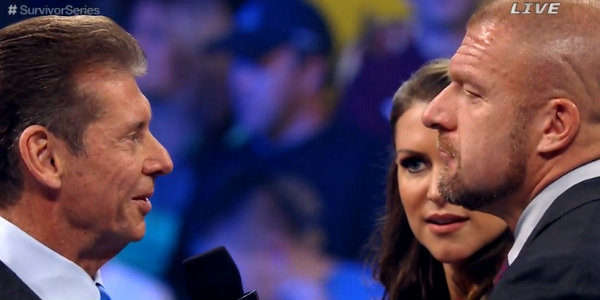
It's obvious that WWE is currently undergoing a transitional period. Whilst Vince McMahon still pulls the strings, it's clear that his daughter Stephanie McMahon is being geared up to take the reigns. Her husband, Triple H, has been working to improve the developmental system, making NXT his brainchild. The developmental show is often the best hour of television produced by WWE, utilising the kind of talent that would be unlikely to get a shot in Vince McMahon's era due to their size and style. Unfortunately, this period of transition is causing problems for the product. There are multiple creative voices at the top of the company, which means that there isn't a single, solid vision coming through on television. There's a real disconnect between the creative ethos of Vince McMahon and the couple who are likely to be following him into leadership. This is preventing either party from exercising full control and pushing the people they want to push. Until there's a sole voice at the top of WWE, the product is going to suffer from being uneven.

14. Too Focused On Merchandise

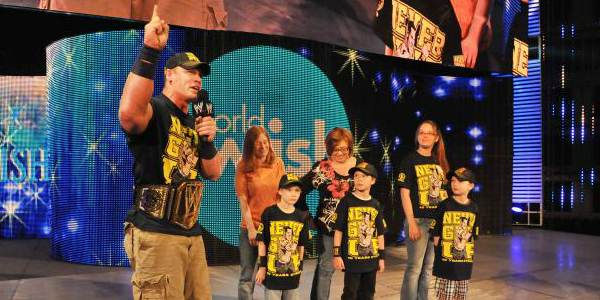
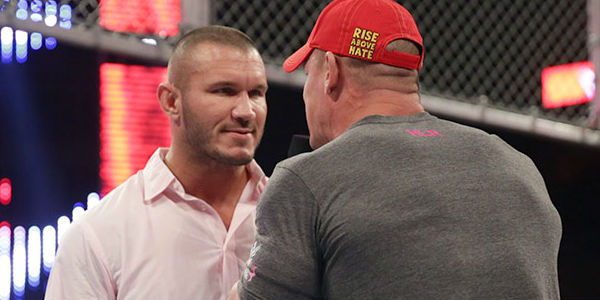
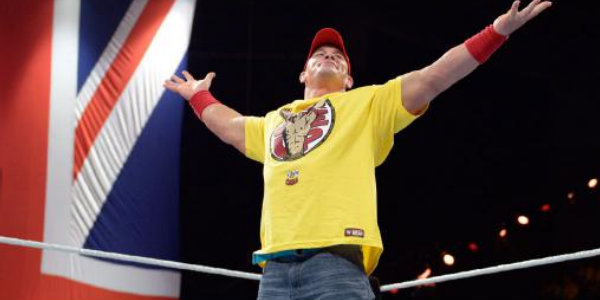
John Cena sits proudly as the top babyface in WWE. It's no coincidence that he also shifts the most merchandise for the company. At every TV taping, pay-per-view and house show, hundreds and hundreds of children arrive adorned with all manner of 'Never Give Up' paraphernalia in various bright colours. It seems that a WWE superstar's position within the company is judged almost entirely by how much merchandise they shift. The company's protection of Cena cannot be a coincidence, given that he still beats pretty much every superstar in terms of merchandise sales. The same goes for Dean Ambrose, who has seen his push accelerated in almost direct proportion to the number of "unstable" t-shirts on show in the crowd. On the flipside, guys like Cesaro are not as marketable to fans - particularly young ones - and therefore have not received an accompanying push. This is the wrong way to run a wrestling company. It shouldn't be the case that the measure of a wrestler's success is how many people want to buy a gym towel with their name written on it.

13. Badly Booked Divas Division

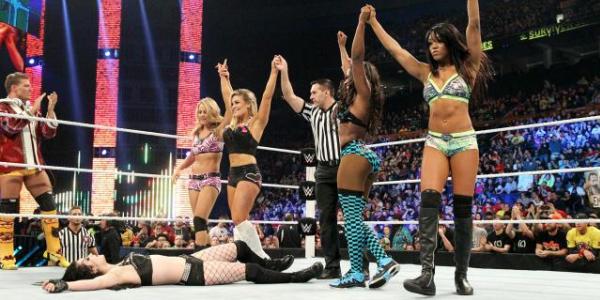
In the Attitude Era, female stars in WWE were booked almost solely as sex objects. Bra and Panties matches and Evening Gown bouts were the norm, with few female wrestlers given the opportunity to spread their wings as genuine in-ring workhorses. Despite this, the likes of Trish Stratus and Lita were given room to flex their wrestling muscles, including in their memorable Raw headline match in December 2004. A glance at the WWE divas division now shows that Lita and Trish Stratus were the exception rather than the rule when it comes to booking women. The TV-PG rating of the product may have put an end to some of the more misogynist match stipulations of the Attitude Era, but the talented women on show in WWE are often booked terribly. It's not uncommon for divas matches to run to only a couple of minutes - even when the title is on the line - and they are placed in graveyard shifts as a buffer between main event matches. The incredible talent of superstars like AJ Lee, Paige, Natalya and Emma is wasted by a company who consider women to be a sideshow, rather than a bona fide part of the main product. Until WWE proves that it can book its female characters effectively, it is never going to be able to utilise the full depth of its roster.

12. Overlong Episodes Of Raw

wwe-raw-logo It's remarkable that WWE continues to provide stories with such lack of depth considering the enormous amount of television time they have with which to work. Every week, Monday Night Raw lasts for three hours. Three whole hours of primetime American television. And most Mondays, it really feels that long. Until 2012, the show only ran for two hours, but an additional hour was negotiated due to the end of the brand extension. The entire WWE roster now had to be contained to one television programme, rather than being split across Raw and SmackDown. However, rather than enabling more stars to shine, the bloated runtime has merely given way to lazy, meandering promos and endless segments of comedy filler. Despite the amount of time allocated to Raw, the show still feels like it doesn't give the various superstars enough time to show off the best of themselves. With that in mind, what is the point of it running for so long? Raw must move to a two-hour length as soon as possible. This will limit the level of filler in the show and will force WWE to spotlight the best superstars on the roster and be more conservative with promos.

11. Slavish Adherence To PG Rating
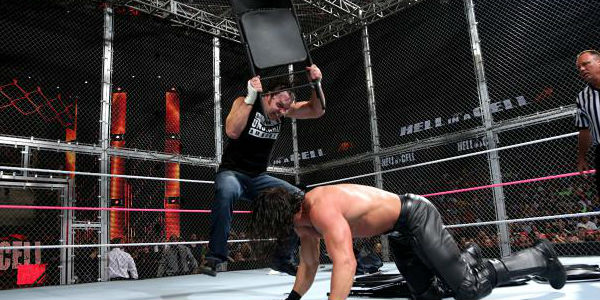
There was a point in the mid-2000s when it seemed that pretty much every pay-per-view main event featured liberal use of blading. Bloodied faces and chair shots were once a fixture of big matches, but the TV-PG rating of WWE programming has put an end to this. All of the edgy content that made professional wrestling so popular at the end of the 1990s has gone with it. The loss of blading isn't a huge problem in WWE. It's perfectly possible to construct a dramatic, and even brutal, wrestling match without using blood. However, there are times when what Jim Ross would call "a bit of colour" feels like it would add a lot to the story. The same goes for weapon usage and dramatic high spots. It's unlikely that we will ever see anything like Shane McMahon launching himself off the TitanTron at Unforgiven 2003 or the sheer mayhem of the TLC tag team bout at WrestleMania X-7. For example, Randy Orton was visibly bloodied - without the need for a cut - when he recently suffered a brutal beatdown at the hands of the Authority. The violence of the scene wasn't excessive, but the small amount of blood really added to the drama of the situation. This was a non-PG moment that really brought home how powerful professional wrestling can be. It's obvious that WWE isn't going to go back to its days of using blading, extreme violence and adult content, but it wouldn't hurt to push the boundaries occasionally.

10. Guest Stars

More or less every week this year, WWE has invited a seemingly random celebrity to appear on Monday Night Raw. These segments are, with very few exceptions, absolutely horrible to watch and add absolutely nothing to the show. Often, they're completely detrimental. For example, Larry The Cable Guy's appearance on the most recent episode of Raw, alongside WWE star Santino Marella, was an absolute train wreck. Larry cracked a series of pretty awful jokes, had a bizarre interaction with Goldust and Stardust and managed to be the worst thing in a segment that involved Adam Rose and a man in a bunny suit, Only a week earlier, Grumpy Cat shared a facial expression with most of the WWE Universe as he shared the screen with The Miz and Damien Mizdow. These guest stars are becoming a disturbingly regular aspect of WWE programming. Their segments do nothing to entertain the fans and steal television time from the wrestling that should receive the spotlight.

9. Overuse Of Multiman Matches

WWE has a real problem with booking its midcard. If there's more than one rivalry that needs to be moved on, it is becoming increasingly customary to simply throw all of those involved into a haphazard multiman tag team match. Team bouts involving six, eight and even ten participants are now a major part of the booking toolkit for midcard rivalries, including those involving the Intercontinental, United States and Tag Team championships. This has the obvious drawback of the fact that it makes all of the feuds involved look equally unimportant. If two men really want to tear each other apart, it's pretty illogical to expect them to wait patiently on the apron for a tag before getting involved. Fans will be far more likely to invest in a rivalry if there is particular television time attached to it, rather than presenting the distraction of other superstars. An overabundance of multiman matches betrays the lazy booking logic at the heart of the modern WWE. It's easy to throw midcard feuds together into a single match rather than constructing segments that will individually further each one. With this logic affecting so much booking outside of the WWE's main event picture, it's difficult for the company to put together an undercard that feels emotionally charged.

8. Lack Of Meaning To Secondary Championships

The Intercontinental Championship was once a real prize for WWE superstars. Often, the man with that strap around his waist could be considered the second most decorated and illustrious wrestler in the company. Virtually every top WWE Champion, from Bret Hart to Randy Orton, has at some point worn the Intercontinental Title belt. However, along with its midcard sibling the United States Championship, the title has lost a lot of its shine in the last few years. You have to go back to Big Show in 2012 to find a champion who has spent any real time in the main event scene since winning the belt. There are a number of reasons for this decline, but it predominantly comes down to the way that WWE has booked the titles to mean very little. Earlier this year, there was a period of several months, during the reigns of Big E (Intercontinental) and Dean Ambrose (United States), when neither title was defended with any real regularity. In fact, neither title made an appearance on the card at WrestleMania XXX, which really diminished their importance. This has improved recently, mainly in the case of Dolph Ziggler's reign as Intercontinental Champion, but there is still a problem of titleholders looking too weak. Midcard champions lose far too many non-title matches and are often booked to look very weak when they square off with main event talent. The days of the Intercontinental Champion being the number two guy in the company are long gone. The midcard titles can be important again, but it will take a bit of rebuilding work before that can happen. They are a huge part of WWE history and their booking status should reflect that.

7. Reluctant To Push Established Stars
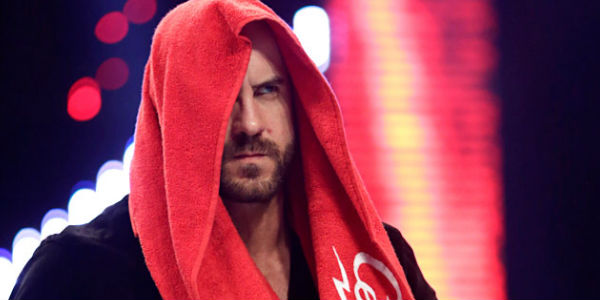
There are at least half a dozen WWE superstars on the current roster who would have been main event megastars in the era of the brand split. It's not difficult to imagine Cesaro, Jack Swagger and Dolph Ziggler having lengthy reigns as world champions. Since the WWE Championship was unified with the World Heavyweight Championship, the main event scene in WWE has become incredibly crowded. Unfortunately, it has become crowded with the same people who have populated it for the last decade. Randy Orton, John Cena, Brock Lesnar and Big Show are all names that have taken their place on marquees throughout the last decade. It's disappointing that it is still these men who are winning world championships, rather than stars who have been an established part of the midcard for years. These are faces that the WWE Universe recognise and would support as major champions. Some of these people, such as Ziggler and Swagger, have had world title reigns, but these were relatively shortlived and have resulted in a slide back to the midcard rather than a sustained period on top. At a time when so many superstars are beginning to feel stale, the WWE should push some of its more established midcard players to new heights in order to improve the product.

6. Failure To Utilise B-Shows

During the era of the brand split, SmackDown was comfortably on a par with Raw in terms of talent and quality of content. It was even possible to argue that SmackDown was a better show. Nowadays, that notion is utterly laughable. It's clear that WWE has no idea how to use its B-shows - SmackDown and Main Event. They are mostly made up of filler matches and incidental content that doesn't have much of a bearing on storyline. For this reason, it's easy for fans to simply make the decision to ignore anything other than Raw, given that that's where all of the important action happens. It doesn't help that matches that work well on one of the B-shows are often performed again on Raw, panning out in only a slightly different way. It's as if the WWE doesn't even want people to watch its other shows. Main Event, which airs live on Tuesday nights, could be a huge selling point for the WWE Network. If the hour of extra programming helped to move on storylines or featured important matches, it would quickly become a must-see for WWE fans. It wouldn't be difficult to implement either. The recent United States Championship bout between Sheamus and Rusev that aired on the WWE Network following Raw could easily have been saved for the Main Event taping the following night. Something as important as a title change would immediately elevate one of the secondary shows.

5. No Roster Depth

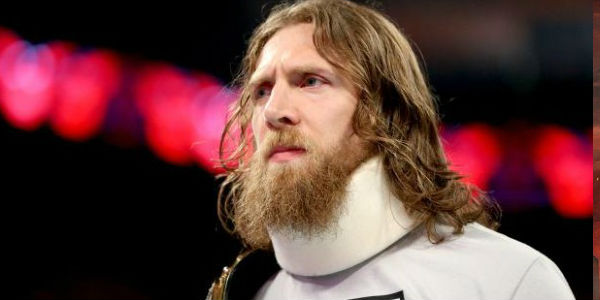
This year has presented huge problems for WWE due to a fiasco of injuries, walkouts and firings. CM Punk left following the Royal Rumble and Daniel Bryan was hit with injury after the Extreme Rules PPV in May. This immediately left WWE with two enormous holes in its main event picture. The later loss of surging talents Bad News Barrett and Roman Reigns also hit hard. On top of that, Alberto Del Rio was fired after a racist incident and both Dean Ambrose and Randy Orton have taken time off to shoot movies. This epidemic has thrown WWE's lack of roster depth into sharp focus. Beyond the usual main event stars, there are very few people who can actually step up to the plate to carry a pay-per-view main event match. This hasn't been helped by the fact that WWE Creative put the world title belt on part-time star Brock Lesnar, leaving the strap absent from a number of major events. If WWE were to build characters capable of working in the main event, then pay-per-views wouldn't feel so lacking in star power. Dean Ambrose and Seth Rollins did an excellent job in the main event of the Hell In A Cell show, but that combination cannot continue to headline shows every time Brock Lesnar decides to miss a show. WWE needs to fill that gap with new stars. The same lack of depth is apparent in the tag division, where the same three or four teams have passed the gold around for the last few years. With the level of talent in NXT and the size of the WWE midcard, there really shouldn't be this issue with roster depth.

4. Too Many PPVs

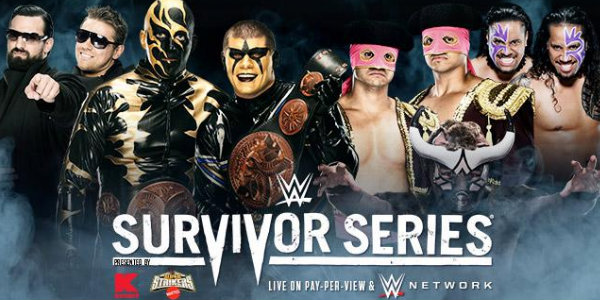
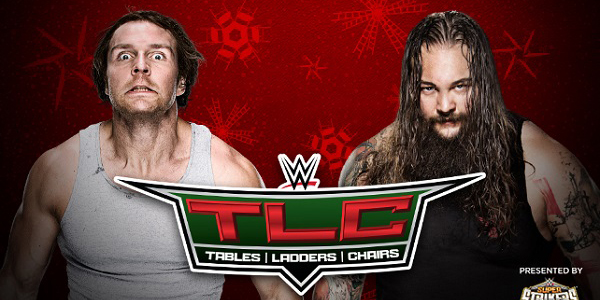
Back in the days of the brand extension, WWE managed to comfortably produce a pay-per-view show at least once a month. As the shows alternated between the brands - with the exception of a few bigger events - there was plenty of time for the creative team to build rivalries and storylines well by the time the big show rolled around. This amount of time is not afforded to WWE Creative now that there is only one roster and one brand. For instance, there are only three weeks between Sunday's Survivor Series show and the Tables, Ladders and Chairs pay-per-view on December 14. This leaves only three episodes of Raw to put into place an entire pay-per-view card. Given the explosive outcome of the Survivor Series main event, this leaves WWE with the problem of essentially building the entirety of the company anew in time for the next PPV. It wouldn't be surprising if that is the reason behind the reintroduction of the almost universally despised "Anonymous Raw General Manager" angle. With so little time to build to a huge event, it is easier to put that story on the back burner before the run-up to Royal Rumble in January and the onset of WrestleMania season. This lack of time causes myriad problems and can lead to lazy booking, such as in the example above. Several feuds this year, including Bray Wyatt vs Chris Jericho and Paige vs AJ Lee have suffered due to being forced onto pay-per-view too early. With a bit more time between events, nuance could be added to the storylines before they reach the big stage. If WWE were to minimise the number of pay-per-views, even by cutting two or three, they would free up a lot more time to book talent and feuds in a more logical way. They would also make the company's "special events" feel special again.

3. Same Old Feuds

Hands up if you want to see John Cena vs Randy Orton again in the next year. The simple fact is that, due to many of the flaws I have already mentioned in this article, WWE Creative keeps booking the same feuds and rivalries over and over again. Fans will find it difficult to get excited for a rivalry that they have seen dozens of time before, especially if there isn't a title involved. An obvious example of this is Cena vs Orton, which is a feud that has seemingly played out endlessly given that the two men have sat at the top of the WWE mountain for the best part of a decade. When they met once again inside Hell In A Cell in October, few were excited about the clash and it failed to stir up much passion, despite being a perfectly decent bout. A wrestling match feels incomplete without emotional investment. The storied rivalry between the WWE's two main event stalwarts is far from the only offender though. Sheamus and Alberto Del Rio found themselves locked in regular rivalries before the latter's firing and Kane vs Undertaker is also incredibly old hat. WWE needs to bring in some new storyline pairings and create animosity between other stars in order to keep the product fresh.

2. Stale Characters

The notion of a John Cena heel turn is one of the most popular topics for discussion amongst the Internet Wrestling Community. He has been a babyface during his entire time at the top of professional wrestling, leading to an incredibly stale persona that turns off adult fans just as much as it enchants the youngsters. Cena is far from the only offender in this case. Randy Orton had been suffering from a bland heel run until his recent face turn and there has been a clamour for Sheamus to turn heel since well before his recent United States Championship reign. In both cases, wrestlers lumbered with bad writing and little character development will struggle to make an impact without some sort of tweak or alteration to their persona. This issue is related to the lack of depth in the roster. If a top babyface turns heel, then that leaves a huge gap on the good guy side of the roster and vice versa. With a mostly absent world champion and an unpredictable main event scene, WWE needs to be able to rely on characters who have already gotten over, even if their star is waning in the eyes of some audience members. Here, WWE needs to take a risk, as they have with Orton. Some characters have outgrown their roles and some simply need a change in order to reach their potential, but WWE is going to need to try something different.

1. Refusal to Build New Main Event Talent
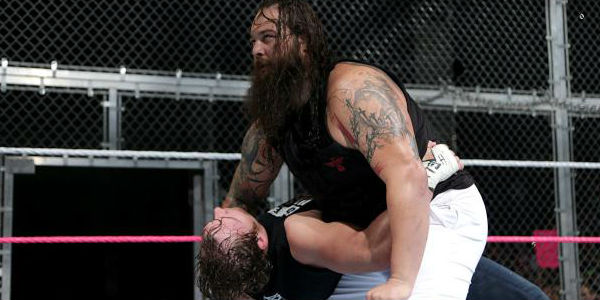
There is plenty of talent in the WWE locker room. As I mentioned earlier, there are easily half a dozen guys outside of the main event scene who would not look out of place in the mix for the world title. There seems to be a reluctance on the part of WWE to move people up into the main event picture, even when they are ready. Take the Money in the Bank ladder match that occurred this year with the WWE World Heavyweight Championship on the line. Half of the men in that match - Bray Wyatt, Cesaro, Roman Reigns and Sheamus - have failed to make any impact in the main event scene since that match. Reigns has been injured, but there's little excuse for not using the other men. The same goes for the likes of Dolph Ziggler who could easily be positioned in the world title picture. Potential top stars are languishing in the midcard rather than taking the next step to the top. Performers like Ziggler and Sheamus should be at the top of the card, not battling for midcard titles - especially given how weak those belts appear at the moment. Those belts should be a stepping stone to a name on the marquee, rather than a minor achievement in the opening match of a pay-per-view. If WWE wants to prepare itself for a world without its tried and tested names at the top, it needs to build people to replace them. Until that happens, the "Cena sucks" chants will continue in force.

In this post: 
Troll Hunter
 
Posted On: 
Contributor
Contributor

Freelance film journalist and fan of professional wrestling. Usually found in a darkened screening room looking for an aisle seat and telling people to put away their mobile phones. Also known to do a bit of stand-up comedy, so I'm used to the occasional heckle.