16 PPVs NOT On The WWE Network
Despite the claim that all PPVs would be available, there are still missing events.
16. AWA SuperClash III
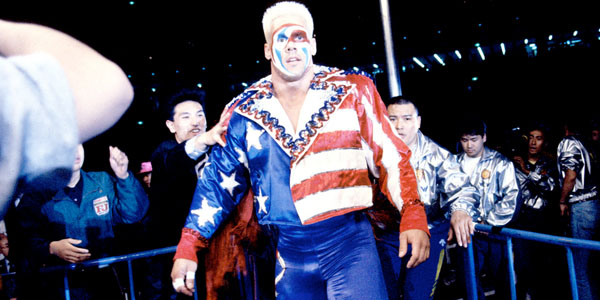
 When the WWE Network was first announced back on January 8th of this year, fans were promised every PPV from the Big Three -- that being WWE, WCW, and ECW -- upon launch. The American Wrestling Association, or AWA, was not part of that announcement, but an argument could be made that it should have been. In the 1980s, the AWA was a definite part of the proverbial Big Three -- alongside WWE and the National Wrestling Alliance. However, much like ECW in the 90s, the AWA always seemed to be a distant third -- especially by the time pay-per-view came about. Despite holding numerous large events, the AWA only put on one PPV before its demise in 1991. The original SuperClash was held in 1985 and featured talent from the AWA, the NWA, and Fritz Von Erichs World Class Championship Wrestling. The event was a rousing success, drawing over 20,000 fans to Chicagos Comiskey Park. Three years later, in 1988, the AWA held the third incarnation of their supershow. The card featured talent from Memphis Championship Wrestling Association and from the World Class territory. Featuring a title unification match between Jerry Lawler and Kerry Von Erich as the main event, the show only drew 1,600 fans to the UIC Pavilion in Chicago. It was a lackluster card from a dying promotion, but it deserves a mention for being absent from the WWE Network. Considering the abundance of World Class television episodes available, the absence of any AWA footage -- especially its only PPV -- is odd.
16. AAA When Worlds Collide
15. WCW Nitro Girls Swimsuit Calendar Special (Possibly A Dishonorable Mention?)
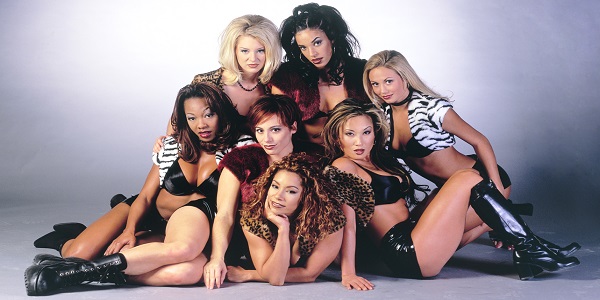
 The entire PPV lasted for two hours. Lets just reiterate that for clarity -- TWO HOURS! Someone invent a time machine for the sole purpose of traveling back to 1999 and firing everyone involved with this production -- the cameramen, the editors, the photographers, the Nitro Girls, Eric Bischoff, and even Ted Turner. But still it was a WCW pay-per-view, and the WWE Universe was promised every PPV in history from WWE, WCW, and ECW. So, come on, Vince -- upload that Nitro Girls Calendar Special to the Network so no one can watch it.
WCW PPVs
14, 13 & 12. New Japan Supershow
 Co-promoted by World Championship Wrestling & New Japan Pro Wrestling, these events were a gathering of various stars from both promotions that ran for three consecutive years -- starting in 1991. The Supershows were even dubbed Starrcade in Tokyo Dome when they aired in Japan. The events were a result of the working relationship and talent exchange between WCW and New Japan -- which would eventually lead to the influx of wrestlers such as Dean Malenko, Chris Jericho, Jushin Liger, Ultimo Dragon, and Rey Mysterio, amongst others. Each incarnation of these Supershows were held in the famed Tokyo Dome, drawing between 60,000 and 65,000 fans each time. Furthermore, the shows were taped and subsequently aired on American television a few months later -- often after being edited slightly to remove certain matches. (For example, an advertised match between the Hell Raisers -- consisting of Hawk and Kensuke Sasaki -- and the Steiner Brothers was removed from the third version of the PPV, due to the Steiners leaving for enemy territory up North.) Many of the contests saw WCW stars face-off with New Japan talents in an unofficial battle between countries and companies. The first Supershow saw Japanese legend the Great Muta vanquish Sting after a thrilling contest. That show was also main-evented by a bout between Ric Flair and Tatsumi Fujinami for Flairs NWA World Heavyweight Championship. Fujinami would win the match and the NWA title -- Flair, however, would retain his WCW Championship, as the titles were considered separate entities by that point in history. The second Supershow saw further inter-promotional contests. Lex Luger defended and retained his World Heavyweight Championship in a bout with Masahiro Chono. The final contest of the evening featured the Steiner Brothers taking on the unique pairing of Sting and the Great Muta. The cross-promotional tandem would leave triumphant after a rollup by the Stinger. https://www.youtube.com/watch?v=sdRSSMUJ3FQ The third incarnation of WCWs intercontinental PPV featured more Japanese talent than previous iterations. Only three of the televised contests saw WCW wrestlers compete -- often battling Japanese stars. For the third year in a row, however, Sting participated in a marquee match. This time he would do battle with and ultimately defeat Hiroshi Hase. Throughout its three-year run, the WCW/NJPW Supershows provided American audiences with a unique experience. The international flair of the events was a welcome addition and exclusive to WCW at the time. The continued talent exchange with New Japan also led to the aforementioned influx of new stars to the Southern promotion. This exclusively international feel would undoubtedly be a worthwhile inclusion to the WWE Network.
11. Collision In Korea
 A spiritual successor to the WCW and NJPW Supershows, Collision in Korea added a bit of a twist. Again, the show was co-promoted and featured talents from both companies. However, the event did not take place in Japan. Instead -- as its name would indicate -- the PPV took place in North Korea back in 1995. This was significant for a few reasons. Much like today, North Korea is a very closed-off country, being run under a Communist regime -- at the time ruled by Kim Jong Il. Furthermore, it was the first and only American wrestling PPV to be broadcast from the Communist country. In a manner similar to Japanese fans, the Korean crowd sat mostly silent -- respectfully applauding the wrestlers and their efforts on occasion. Although, unlike Japan, there was an eerie sense that the fans and their reactions were a bit forced. The silence was perhaps more bizarre, considering that over the events two days -- the show was filmed over a two-day period and broadcast months later on television -- there were supposedly 340,000 fans in attendance. (Dave Meltzer claims the figure is closer to 160,000 total.) That makes Collision in Korea the largest attended wrestling event of all time. The card featured unique bouts, pitting WCW wrestlers against New Japan competitors. Scott Norton battled Shinya Hashimoto for the IWGP Heavyweight Championship -- NJPWs top prize. The contest would end in a time-limit draw after some hard-hitting action. The Steiner Brothers also took on New Japans Hiroshi Hase & Kensuke Sasaki. The Steiners would leave victorious after Scott hit Hase with his devastating Screwdriver maneuver.
 In the main event, Japanese wrestling legend (and recent WWE Hall of Fame inductee), Antonio Inoki took on none other than the Nature Boy, himself. The two men traded blows, holds, and moves in their near-15 minute battle, but Inoki would walk out with his hand raised after hitting Flair with his signature Enzuigiri. Overall, the PPV event was acceptable. The match quality was pretty average across the board, and the television production wasnt exactly A-plus. However, the sheer spectacle of holding a PPV from inside North Korea is enough to warrant Collision in Korea a spot on the WWE Network lineup.
10. Millennium Final
 Millennium Final was WCWs first and only German-exclusive pay-per-view event. It was broadcast live from the Arena Oberhausen on November 16, 2000 -- just four months before WCWs final Monday Nitro broadcast -- and drew about 9,000 fans. Like most everything else in WCW at the time -- the booking and logic was all over the place. Numerous wrestlers pulled double-duty on the card, with nearly every competitor participating in the opening battle royal before competing in their own separate matches. Mike Awesome would ultimately be the last man standing in that match, earning him entry into a qualifying contest for the newly created WCW European Cup. Other matches on the card included an Oktoberfest Hardcore match -- a month after Oktoberfest ended -- between Fit Finlay and Norman Smiley. Kevin Nash defeated Mike Awesome and Alex Wright -- who competed in three separate matches on the card -- in the aforementioned European Cup qualifying match. The semi-main event was a singles match for the World Heavyweight Championship. Before his title shot against the defending Booker T, Scott Steiner cut a promo. In typical Scotty fashion it was a rambling, incoherent mess and can pretty much be summed up with this expletive-laden clip: https://www.youtube.com/watch?v=KvFtLj9MmEo Despite his apparent confidence and cocky demeanor, Big Poppa Pump was unable to score the win over Booker T -- who retained his WCW Championship. The main event, however, was contested for a different title -- the European Cup. The finals of the mini-tournament saw Sting do battle with Kevin Nash. Ultimately, the Stinger left with the cup after defeating Big Sexy. Millennium Final was an interesting attempt at broadening WCWs worldwide audience. However, as a singular event, it failed due to inconsistent and haphazard booking. As always with WCW, the competitors put in their best efforts, but were just given garbage to work with. Still -- as one of the few missing WCW events, Millennium Final deserves to be seen on the WWE Network. Perhaps its German-only commentary is what makes WWE hesitant to upload it -- or maybe it's the Big Bad Booty Daddy's promo skills that have left WWE wary of this show's merit.
WWE PPVs
9. No Holds Barred: The Match/The Movie

8, 7, 6 & 5. UK Rampage
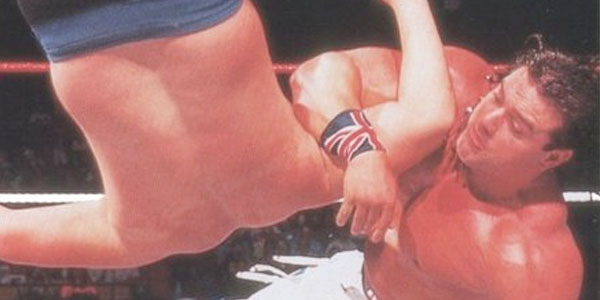
4. Battle Royal At The Albert Hall
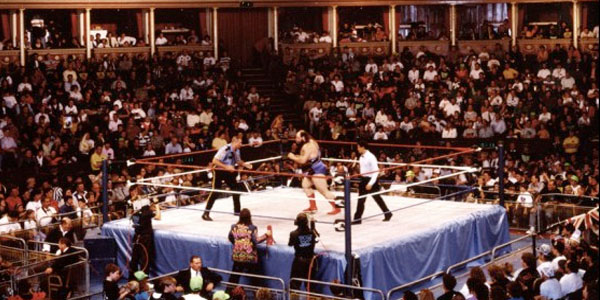
 Conspicuous by his absence was WWF Champion Hulk Hogan, but it was of no matter, as the self-proclaimed REAL Worlds Champion was on hand. Ric Flair and Tito Santana battled in an excellent contest that saw Santana take Flair to his limit. Ultimately, Tito would be outsmarted by the Nature Boy and his underhanded tactics -- using a handful of Titos tights to secure the win. The Royal Albert Hall event was a fun and entertaining show. Further, it had a very unique look to it, due to the arenas size and design. There were only 5,000 fans in attendance, but the room was undoubtedly full. It was a show reminiscent of the Federations later Raw tapings from the Manhattan Center -- another unique and intimate environment. While the show was released on Coliseum home video, it has not made any further appearances. Its never been officially released on DVD and has yet to make its presence known online. Its a puzzling matter that should be rectified.
3. Xperience
http://www.dailymotion.com/video/x648yr_shawn-michaels-vs-goldust-ladder-ma_sport This Canadian-only event was very possibly the first time a wrestling promotion had stuck its toes in the murky waters of internet pay-per-view -- or iPPV as its known today. Essentially, Xperience was a glorified house show which took place around the tenth anniversary of 1986s The Big Event -- another Canadian-only PPV which drew 74,000 fans to Torontos Exhibition Stadium. In 1996, on August 24th, the Federation once again brought fans to the Exhibition Stadium. Due to its territorial nature and exclusivity to online streaming, any footage or information from the event is extremely hard to come by. However, photos from the event were published in an issue of WWF Magazine from the time, and if one digs deep enough they can find some fancam footage online. Furthermore, according to reports, the event only drew around 21,000 fans -- nothing to laugh at, but relatively small compared to The Big Event. Xperience was headlined by a main event ladder match for the WWF title. Goldust would face off with then-champion Shawn Michaels in a hard-fought contest, but would be unable to secure the gold. In the semi-main event, the Undertaker and Mankind continued their feud, battling each other in a Casket match, wherein the Undertaker would leave victorious. Other matches on the card saw Steve Austin defeat Marc Mero, Savio Vega overcame Bradshaw in a Caribbean strap match, Sycho Sid toppled Vader in a lumberjack contest, and the Smoking Gunns retained their tag team gold in a DQ victory over Owen Hart & the British Bulldog. All in all, the Canadian event seemed to have an intriguing card and some solid action. Its a wonder, however, why this event was never released elsewhere -- not even on home video. One has to suspect that WWE has the original footage somewhere in its vault. If so, it would make an excellent addition to the Network, simply due to its mystique, intrigue, and exclusivity.2. Mayhem In Manchester
1. Global Warning