18 WWE Easter Eggs, References And In-Jokes You Never Noticed
Extras, inside jokes, really weird trivia, and other assorted buried treasure.

With the advent of YouTube, DailyMotion, and of course WWE Network, a new generation of fans has been introduced to wrestling history. For WWE's part, the network houses every pay-per-view event from WWE, WCW, and ECW as well as every WCW Clash of the Champions special, every WWF/E Saturday Night's Main Event special, and a host of other original and archival programming.
On the network, the biggest moments are covered from top to bottom, while many enterprising fans have tried to fill in the gaps on YouTube and DailyMotion. It's never been easier to try to watch old wrestling videos. The newer breed of wrestling geeks may not be familiar with the history behind some of the odd inside jokes that have permeated wrestling over the years, or in some cases, like with certain performer's names, even know that they're inside jokes in the first place.
It's more than just that, though: There are other little things that the untrained eye might miss, like who exactly is in a show's credits or what exactly someone is talking about in an interview or on commentary, as well as really weird trivia that makes the experience more fun. There are also just plain cool hidden gems.
WWE has included some of these in the original shows like Countdown and WrestleMania Rewind, but some people might not watch if they didn't know about these in advance. There are also some fun things that are impossible to categorize. With that in mind, let's take a look at some of the most fun the easter eggs you should be hunting down...
18. If Ric Flair Wears Red Trunks, He's Probably Losing

Think about Ric Flair's most famous matches. Now try to remember the ones where he wears red gear. Did he win? Probably not. There may be an obscure exception here and there, but at least in big matches, if Flair wore his red trunks, boots, and kneepads, he always lost.
Why? Nobody seems to know. Flair doesn't readily give interviews, there are few chances to ask if he did this on purpose or if it's just insanely dumb luck. He wouldn't be the only wrestler whose gear could be used as a code: Fellow "Nature Boy" Buddy Landel wouldn't wear kneepads if he had decided he wasn't taking any bumps in a match, but like Flair, he's an outlier.
17. "I Was Out Here Trying To Be A Good Commentator..."
Remember when the Raw roster went on strike? We understand if you don't. To protest the loss of control under Triple H's leadership, everyone walked out except the three top babyfaces who were protected from participating in the walk-out angle: John Cena, Sheamus, and CM Punk. All three had reasons for staying, mostly centering around the idea Triple H was being sabotaged.
To get the show going, Cena wrestled Sheamus with Triple H as referee while Punk returned to the announcing table while also acting as timekeeper. Being the only man in the booth and a babyface, he was less of a wisecracker than he was during his brief full-time run as a heel color commentator months earlier. Still, when Vince McMahon came out to announce changes, Punk did get a good line off: "I was out here trying to be a good commentator like Art Donovan or Rob Naylor. Perhaps Michael Cole."
Former NFL star Donovan is best known to wrestling fans as the clueless old guy incessantly asking "How much does dis guy weigh?" at King of the Ring '94. Naylor was less well-known.
While, at the time, he was the play by play announcer for Dragon Gate USA, in some ways, he was best known as kind of an all-around internet wrestling personality who did podcasts, posted on message boards, and so on. He had befriended Punk after writing about one of the Punk vs. Samoa Joe matches in Ring of Honor, and the reference popped a lot of Naylor's friends and fans got a kick out of it.
Perhaps not coincidentally, Naylor was hired for a backstage role in developmental a few weeks later.
16. More Fun With Punk

This wasn't the first time Punk dropped a name for the most hardcore fans. 2008 was, by far, his best year in WWE up to that point. He won Money in the Bank for the first time en route to winning the World Heavyweight Championship from Edge, and this led to him finally being able to get a decent amount of time to cut real promos.
When he won a Slammy Award in 2008 for the title win cash-in being "'OMG!' Moment of the Year," he decided to have some fun with his acceptance speech. Among the luminaries he thanked were Scotty Goldman and Volk Han.
Goldman was, of course, the WWF gimmick of Colt Cabana, Punk's long-time best friend who was on SmackDown at the time. Volk Han, however, is a lot more obscure: An expert in Sambo, a Russian form of submission wrestling, he was an instructor for the Russian military who became a pro wrestler in 1991 in the RINGS promotion in Japan. While predominantly worked pro wrestling, RINGS was promoted as a real sport. The wrestlers just worked a super-realistic style, even more realistic than the "shoot-style" that was used in other Japanese groups at the time.
What Han brought with him was a completely insane arsenal of almost Lucha Libre style submissions that somehow still looked realistic. He became a legend in Japan and even did well when RINGS switched to actual shoot MMA fights.
15. SummerSlam '89, Royal Rumble '90, And WrestleMania VI Had Three Dusty Rhodes Parodies On The Card

In the mid to late '80s, the WWF was at war with Jim Crockett Promotions, which branded itself as the NWA on TBS and later turned into WCW. The booker (head of creative and producer of the television shows) and one of their top babyface stars was "The American Dream" Dusty Rhodes.
An all-time great promo and babyface worker, he was well-known within the industry for his ego as a booker, with there being times where wrestlers had to reference him on promos even if they weren't in storylines with him. As a key member of the office for the opposition, the WWF loved taking shots at him.
The first big one came in 1987 when Ted DiBiase started in the WWF as the Million Dollar Man. When he signed, he went out to dinner with Bobby Heenan and Pat Patterson. Pat broached the topic of naming DiBiase's bodyguard/manservant, who you all know as (Wrestling Superstar) Virgil. Dusty's real name is Virgil Riley Runnels. Heenan explained the thought process in DiBiase's book: At the time, Dusty Rhodes was the booker in Atlanta. He was burying everybody who was working in New York. So they needed a name for DiBiases servant. I said "How about Virgil?"

The following year, in 1988, the WWF introduced a new gimmick for the One Man Gang: After undergoing a transformation where he found his "African roots," he became "The African Dream" Akeem. He danced, wore a dashiki, and spoke in jive. Note the nickname: Yes, "The African Dream"
Akeem was supposed to be making fun of "American Dream" Dusty Rhodes being a white guy who "acted black."
Then, in 1989, Dusty Rhodes himself jumped to the WWF, only to be turned into something of a comedy figure as "The Common Man." Stripping down his "man of the people" persona to an odd caricature, he was introduced on TV with videos where he worked "common man" jobs such as a plumber and a garbage collector. And he wrestled in really unflattering polka dots for some reason. And was romantically involved with a 55 year-old woman who looked even older.
These three characters co-existed in the WWF for well over a year, and if you want to go looking on WWE Network, three pay-per-view events including all of them: SummerSlam '89, Royal Rumble '90, and WrestleMania VI (Akeem wasn't on Survivor Series '89 and no Saturday Night's Main Event episode has all three).
Feels kind of like overkill, doesn't it?
14. Not So Perfect

Mr. Perfect had one of the best introductions ever for a new WWF character. Not only was he the world's greatest technical wrestler, but he was brilliant at any sport or athletic endeavor you could think of. He could throw a long pass on a football field and catch it himself. Every baseball he hit was a home run. Every shot at a basketball hoop went in for three points. He was a brilliant, graceful diver and even an expert at darts.
The initial skits in 1989 were great, as were the second batch for his 1992 return. The gimmick came from the interviews Vince McMahon would conduct after hiring new talent. They'd be invited into the office and asked about their backgrounds, work history, etc. Big Bossman was a prison guard from Cobb County, Georgia because Ray Traylor was. When McMahon asked Curt Hennig about what sports he was good it, he said "Everything." And so Mr. Perfect was born.
Several years ago, WWE put out a Mr. Perfect DVD set. While the introductory skits are available as bonus features, the really cool stuff is hidden in the documentary. It was explained that initially, Curt just couldn't do anything right, but when the cameras were off, he started performing like Mr. Perfect. So they just stopped telling him when they were filming, and the raw behind the scenes footage of the process was shown in detail.
WWE's archives are full of insanely cool stuff like this, and it's always a treat to see it show up.
13. WCW's Closing Credits On Major Shows
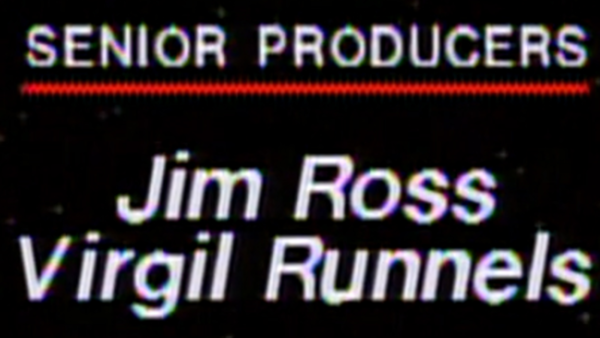
Continuing the real name theme from Virgil, we get an odd WCW habit. Unlike most wrestling promotions, WCW ran closing credits at the end of major shows like pay-per-view events and Clash of the Champions specials, all of which are available on the WWE Network. If a wrestler had a backstage role of note, his real name was in the credits. This meant that Dusty Rhodes was in the credits as senior producer Virgil Runnels, Ole Anderson as supervising producer Alan Rogowski, Terry Taylor was Paul Taylor, and so on.
For someone who used his real name as a performer, this could lead to some confusion and conflicts with storylines. It's one thing for announcers like Jim Ross, Tony Schiavone, and Eric Bischoff to have backstage roles in the credits, but it's another for heel nWo leader Eric Bischoff to be there.
Even more so once his character was suspended from his official duties by his (real) boss, Dr. Harvey Schiller, in an angle on Monday Nitro.
12. Who Exactly Is Kaye Fabe?
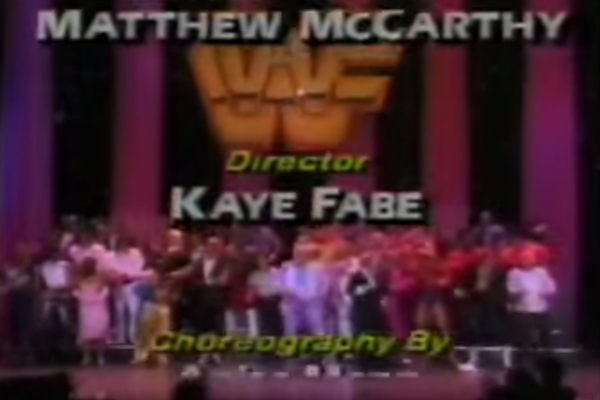
WWF was, at times, was more creative when it came to credits. Case in point: The director of the 1987 Slammy Awards (dubbed the 37th Annual Slammy Awards as a gag) was a mysterious woman named Kaye Fabe. This person does not have an IMDB entry, so who is she?
Well, obviously, Kay Fabe is not an actual person. Kayfabe is an insider pro wrestling term with a number of uses but one general theme. It can refer to the all-encompassing need to "protect the business," but it's also a verb ("Kayfabe this"), a noun ("You have to keep kayfabe"), an adjective ("Make sure this doesn't end up in the kayfabe sheets"), and sometimes a one word directive. If an outsider was in the dressing room, the only warning needed was "kayfabe."
As for who the director was, I don't think it was anyone secret. It was just a chance for a little easter egg that most fans didn't understand at the time.
11. You Can Find The Missing Music From The WWE Network WrestleManias On VHS Tapes
In the late '90s, WWE re released every WrestleMania up to that point on VHS. First, there was "WrestleMania: The Collection," a boxed set of the first 13 shows that was available exclusively through the company's official merchandise catalog for the then shockingly low price of $79.99. A year later, they released "WrestleMania: The Legacy," which added WrestleMania 14, gave you the choice of buying the whole set or individual shows and was available at retail.
Eventually, they also added WrestleMania 15 and a revised boxed set. At $10 a pop, they sold well, but there were a lot of noticeable issues immediately. They were made as cheaply as possible, using thin tape recorded at slow speeds that made picture quality worse and easily introduced defects. Legacy also added the Attitude Era scratch logo to every single show, no matter how out of place it looked.
To a lot of people, none of this mattered, though. Why? The early WrestleManias were heavily edited when they were first released on VHS. Commercial pop music was edited out, as were parts of matches, lots of interviews, etc. The re releases used the unedited live broadcast versions of the shows and thus restored all of the missing content. Including the music.
Nobody knows if WWE got a great deal or what, but all of the music edited out before and since (including on DVD and WWE Network), including songs from Bruce Springsteen, Cyndi Lauper, Survivor, and the Alan Parsons Project, is on these tapes.
While WWE Network restored the missing segments, the music is still missing, unlikely to ever return.
10. Hulk Hogan's Pre-Real American Entrance Music Was Ripped Off By Bonnie Tyler. Sort Of.
As we just alluded to, music rights issues make using cool songs on home video difficult. For well over a year after the WWF expanded nationally in 1984, Hulk Hogan's entrance music was "Eye of the Tiger" by Survivor. It's edited out on home videos, WWE Network, etc. To alleviate this problem, WWF started introducing their own songs in 1985 with the release of The Wrestling Album.
A lot of fans are aware that Hulk Hogan's iconic entrance music, "Real American" by Rick Derringer, was originally earmarked for the team of Barry Windham and Mike Rotundo, as it's said outright by Vince McMahon in a segment on the album. For a long time it was believed they never used it, though, as Windham left the WWF around the time of its release and Hogan was so closely associated with it.
Then someone found this match:
They did, in fact, use the song, but only for one match on WWF Championship Wrestling, airing on the weekend of October 12, 1985. It was their return from Windham's eye injury at the hands of Brutus Beefcake and their last televised match as a team. The Wrestling Album was released in November, so they never actually used it after the album was released.
Meanwhile, Hogan replaced "Eye of the Tiger" with the theme song from his cartoon, which debuted on September 14 that year. He didn't use it long before switching to "Real American." However, there's a weird twist on this one, too: If you're really into '80s power ballads, listen closely, does it sound familiar?
It's essentially an instrumental version of "Ravishing," the opening track from Bonnie Tyler's album "Secret Dreams and Forbidden Fire," which was released on May 3, 1986. And when we say it's an instrumental version, we mean it's EXACTLY THE SAME TRACK.
If not for the "HULK!" chants dubbed in, the cartoon theme would be a clean instrumental. Jim Steinman, who wrote the songs and produced the Tyler album, was involved with both projects.
9. The Terry Garvin School Of Self-Defense

Terry Garvin (real name Terry Joyal, not to be confused with Terry Simms, who used the name later) was a Canadian wrestler best known for his "brother" team with fellow Canucks Ron (Roger Barnes) and Jimmy (Ron's stepson James Williams) Garvin. He retired in the late '70s to start working in the office of various territories before settling in the WWF, where he wore various hats as a road agent, including booking the local referees.
On various "Old School" house shows over the years (including the 27:20 mark of the March 19, 1990 Madison Square Garden show on WWE Network) that were taped for local regional sports networks and later use on Prime Time Wrestling, Gorilla Monsoon made a habit of making references to some wrestlers being graduates of the "Terry Garvin School of Self-Defense." Sometimes he or his broadcast partner would add that Pat Patterson was an instructor there, often with references to teaching "go-behinds."
It was, in some form, a reference to both men being gay (though Garvin was semi-closeted, having an unknowing wife and kids at home in Connecticut). Whether it was just an odd euphemism for homosexual sex or also alluding to Garvin's pattern of sexual harassment that eventually drove him out of the company is open to interpretation.
8. WrestleMania Rewind Has Famous Matches As You've Never Seen Them Before

One of WWE Network's cornerstone original shows, WrestleMania Rewind is part-documentary, part-ongoing "Best of WrestleMania" series. Each episode features one famous match (occasionally two) with a mini-documentary building it up. It's often pretty mundane, but it's a pretty fun show to watch.
One unadvertised feature of the show has only been noticed by the most eagle-eyed fans who have seen the matches over and over. To change up matches that have been seen by so many people in so many forms over the years, WWE's production staff has edited together new versions of the matches. Specifically, they've edited in alternate camera angles that weren't used on the original broadcast versions we've seen for decades.
It's probably most noticeable during the Bret Hart vs. Owen Hart match from WrestleMania 10, as they included shots from the overhead camera that was only used during the ladder match on the actual broadcast. It's weird and largely unnecessary, but it's nice to see them try to find ways to breathe new life into these classic matches.
7. Paul Heyman Gets His Digs In

In the early days of ECW, which are well covered by the weekly TV shows available on WWE Network, Paul Heyman made something of a habit of poking fun at certain people, including personal rivals, by giving talent. It isn't that well known, but this includes one of ECW's most enduring legends: Mikey Whipwreck, originally a job guy turned lovable loser before becoming a ECW "triple crown" winner, was named after a rival local promoter Dennis Whipwrecht. Similarly, Dino Sendoff was named after a promoter named Dino Senna.
Some were more obvious than that, though. Joel Goodhart was the promoter of the TWA, the promotion that Tod Gordon funded before ECW. He became somewhat infamous for running star-studded indie supercards that he couldn't possibly make money on, eventually closing up shop after having sold tickets for a ridiculously loaded January 1992 show. ECW regular job guy Joel Hartgood was named after him.
One especially inspired case had to do with Bill Watts. He had been Heyman's boss during his last WCW stint, which ended in a lawsuit for wrongful termination among other things, as Heyman has accused Watts of making anti semitic comments to him. Watts had also made a number of racist and homophobic comments in a 1991 interview that came back to haunt him. To play off the racism, Heyman introduced a black announcer named Willie Watts during the period where Joey Styles was gone in Spring 1994.
There was also speculation that Stevie Richards was named after New Zealand promoter Steve Rickard, but that may not have been a dig, as he's very well regarded as far as I can tell.
6. The First Main Event Special Has Never-Before-Seen Footage On WWE Network
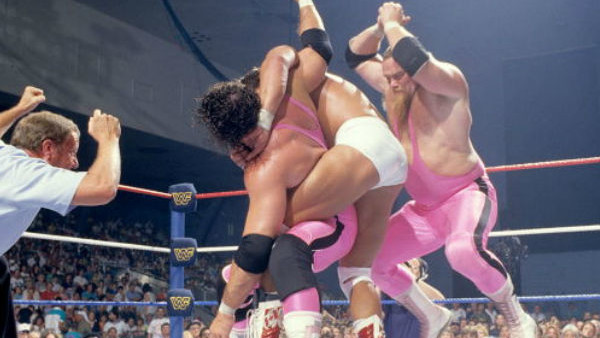
The most-watched wrestling show in the history of American television is first "The Main Event" special aired in prime time on NBC in 1988. Featuring Hulk Hogan's title loss to Andre The Giant after a four year reign, it set up WrestleMania 4 with one of the greatest angles in wrestling history: An evil double of referee Dave Hebner helped Andre win so he could give the belt to Ted DiBiase.
The show went off the air a couple minutes into Hart Foundation getting a rematch against Strike Force, who had won the tag titles from them a few months earlier. For over 26 years, legions of fans wondered what happened after the moment where it was cut off on TV.
Well, the answer is pretty much nothing. They went right to the finish and Strike Force retained the titles about 20 seconds later. On the tape WWE used, the copyright notice still plays as the match ends, so whoever transferred it must have figured it ended that way.
5. The Ultimate Warrior's Check

If you watched The Ultimate Warrior's Hall of Fame induction speech when it aired it was a fascinating bit of television. He constantly looked and sounded like he wanted to blow things up, teetering on the edge of decorum. He freely went off about his various past issues with WWE, including the various disputes that led to his departures from the company.

At one point, he reaches into his jacket for a check, apparently for a check he had been given that weekend for services rendered, and makes vague references to Vince McMahon telling him he had become a legend in his own mind.
It appeared that he was talking about his pay for SummerSlam '91, seemingly saying that Vince paid him what he was owed. Warrior and Hulk Hogan were both paid $75,000 base pay for that show, but Hogan also got a $15,000 bonus. Warrior had demanded equal pay to Hogan a month or so earlier, and Vince briefly acquiesced...only to suspend Warrior, claiming he agreed under duress since advertising was out for SummerSlam and Warrior threatened to go home.
The suspension letter, served that night in the locker room, was scathing, including the above section. Anyway, it looked like Warrior demanded the $15,000 as part of his terms for returning, and he got it.
4. The Most Awesome Blooper In WWE History

When WWE did a "Biggest Blunders" episode of Countdown, most of the content was well-known bloopers, botches, and other varieties of assorted screwups. After all, they needed fans were familiar with to be able to vote on. So it's mostly stuff fans know from Botchamania and other videos: Sid Vicious screwing up his lines on live TV, the power going out during In Your House: Beware of Dog, the debut of The Shockmaster, and so on.
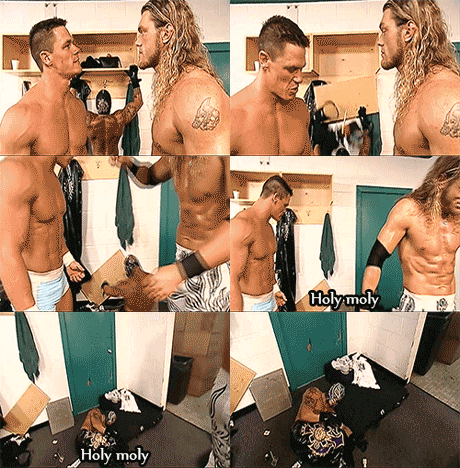
There was, however, one incredible hidden gem during the intro. Early on in the Paul Heyman-booked era of SmackDown, he tried to position Edge, Rey Mysterio, and John Cena as the hot young babyfaces, with one show ending with the the trio standing tall after the oft-replayed Mysterio flying body press off the top of a steel cage. During this period, they did a backstage segment where Edge and Cena talked as Rey did pull ups on one of the cubbies in the background.
Nice way to keep the background busy, right?
3. See A Great Match Make Vince McMahon Cry
In the WWE Network documentary about Daniel Bryan that aired a few days after WrestleMania, Pat Patterson noted that win or lose, he knew Bryan was going to make him cry. He was just going to be that entertaining and engaging in the most important matches of his life in the business Pat dedicated his life to. Patterson is actually fairly well known for crying at how beautifully executed he felt certain matches were.
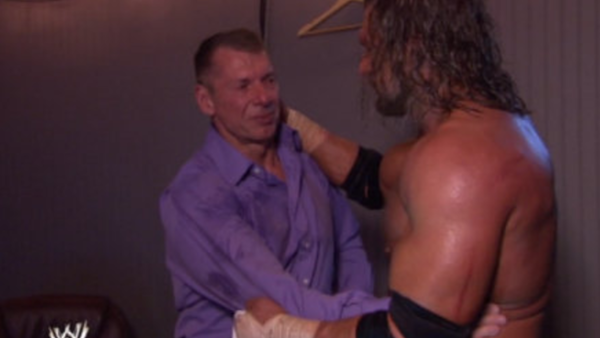
Well, he's not the only one. It was clear from the "End of An Era" billing and post-match curtain call that the Triple H vs. The Undertaker "Hell in a Cell" match at WrestleMania 28 meant a lot to those involved. It was never more clear than in the "Triple H: Thy Kingdom Come" documentary, which is available on WWE Network and Netflix.
After the match, Triple H encounters his father in law, who's covered in sweat and tears. Until the Ultimate Warrior's death, you've never seen Vince so emotional on camera. And that includes his daughter's wedding, which is also featured in the same documentary!
2. Lots Of Little Things In Warrior: The Ultimate Legend
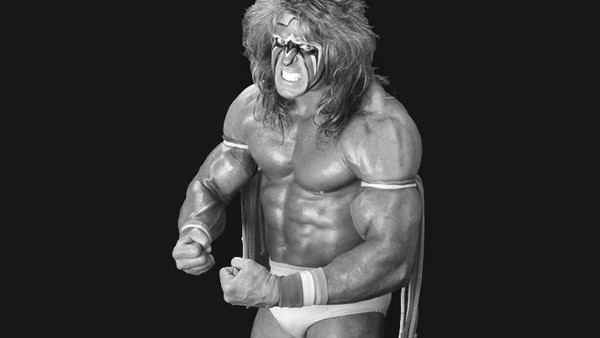
It's become more and more clear that WWE has had cameras running backstage for far longer than we ever realized. We've seen enough on recent DVD documentaries to know it's been going on for a few years, but the Ultimate Warrior documentary that aired on WWE Network in April gave us new perspective.
It wasn't shocking to see backstage footage from Warrior's return appearances from this year's WrestleMania weekend, but they had stuff from 1991 to 1992. It's not like they were shooting for documentaries back then. Wrestlers were still appearing in character on talk shows, so there was still a feeling that they needed to "protect the business."
In spite of this, WWE was professionally shooting backstage footage at all sorts of major shows. Who knows what they even had in mind? In that documentary, they really weren't afraid to dig into the archives, as they even including footage of Hulk Hogan's deposition from Warrior's most recent lawsuit against WWE.
Even if you're not interested in Warrior, the "cool stuff" quotient is high in this one.
1. Somebody Really, Really Hates CM Punk
When CM Punk walked on WWE the night after the 2014 Royal Rumble, it was a shock. One of the biggest stars in the company quit with no notice right before Raw on the night after one of the biggest shows year. With just six months left on his contract, no less.
While many figured he'd be leaving when his contract expired, nobody expected him to do what he did.
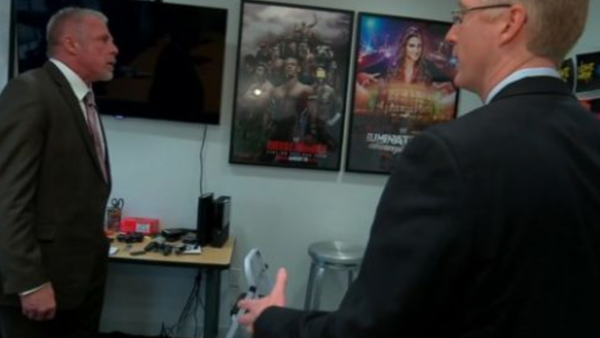
During the "Warrior: The Ultimate Legend" documentary that aired on WWE Network the week after Ultimate Warrior passed away, we see Warrior's tour around Titan Towers (WWE headquarters) for various meetings. Throughout the building, there are various WWE event posters. In one office, there's for poster of this year's Rumble, which includes CM Punk...and his face is covered up with a Post-It Note.