4 Ups & 4 Downs From NJPW Wrestle Kingdom 15 (Night 1)
Naito vs. Ibushi & Ospreay vs. Okada highlight Wrestle Kingdom 15's middling first night.
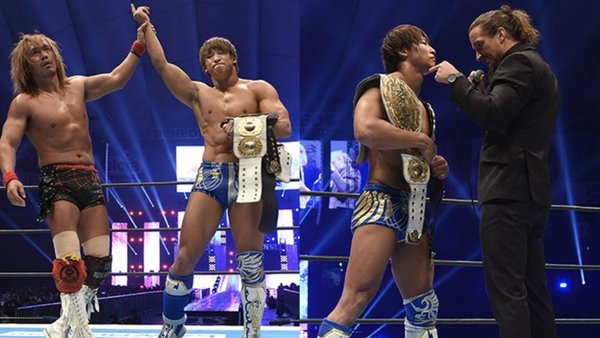
Wrestle Kingdom 15 arrived on the back of the Gedo era’s weakest year, throughout which New Japan Pro Wrestling suffered not only from a similar array of COVD-related issues to every other promotion in the world, but also a perceived creative downturn at headlining level.
EVIL’s unnecessary IWGP Heavyweight & Intercontinental Title reign was symbolic of an increasing reliance on tedious western tropes that reduced many a main event to Ref Bump Bingo. Kazuchika Okada, considered the best wrestler in the world by many, was reduced by design, stuttering through the poorly-received Money Clip arc. Though many have since returned, the pandemic robbed NJPW of key overseas players. Circumstances have made reigning IWGP United States Champion Jon Moxley unbookable.
These factors and other creative concerns, plus the lack of 2020 standouts Tomohiro Ishii and Minoru Suzuki on the card, slowed the usually indomitable Tokyo Dome hype train to a chug. Japan’s impending state of emergency announcement (which would have rendered a two-thirds empty Dome totally empty) almost derailed it.
Still, this is Wrestle Kingdom: the biggest, most bombastic show on the puroresu calendar. While the circumstances leading to 4 and 5 January weren’t ideal, the card boasted double-champ Tetsuya Naito and G1 Climax winner Kota Ibushi reprising their bruising 2019 rivalry, Okada’s shot at revenge on Empire punk Will Ospreay, and the intriguing Great-O-Khan entering the proving grounds against the Ace, Hiroshi Tanahashi.
And that’s only the first night.
Let’s dive into it…
Downs...
4. Lost Majesty
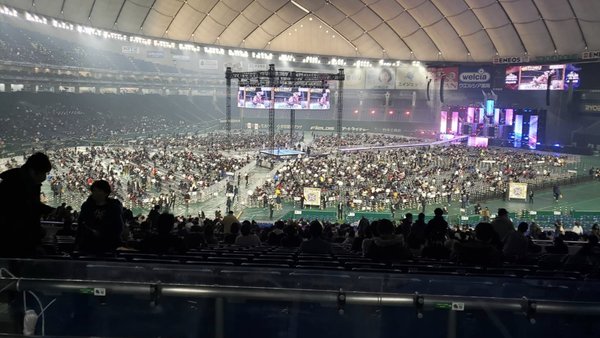
To be clear, Wrestle Kingdom 15's flat atmosphere isn't NJPW's fault. The promotion's only questionable contribution towards it was continuing with the two-night format despite the ongoing global health crisis, though this can be countered with the lost revenue argument that comes with combining - particularly compelling, given the circumstances.
NJPW abided by guidelines. They limited the attendance and maintained their no shouts/chants/cheers policy, as vocalisation increases transmissibility. This isn't on them.
Still, WK15 didn't feel like Wrestle Kingdom. The big, cavernous building made the issues with NJPW's clap crowds even starker, rendering an event that should be big, bombastic, and spectacular mundane at points. Countless spots and moments that would have drawn huge, building-shaking reactions were diminished. Kota Ibushi's big win played out to ripples of polite applause.
This hurt almost everything on the show. It won't be harped on beyond this entry, though its clear negative impact can't be ignored when assessing WK15's quality.
3. Crawling Back to GoD
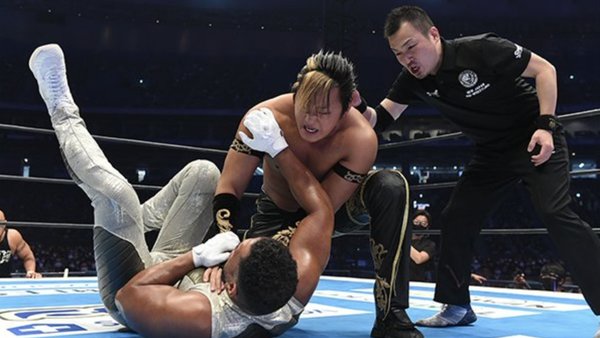
Guerrillas of Destiny are now technically the most decorated IWGP Tag Team Champions in history, having scored their seventh reign by besting the Dangerous Tekkers pairing of Taichi and Zack Sabre Jr., pulling clear of a record they'd shared with TenCozy for close to a year.
The occasional flash of personality aside, the match's first two acts were largely unengaging and plodding. While fundamentally fine, the second-gear pacing and general lack of intensity created little excitement, though it was eventually elevated by Zack Sabre Jr.'s snot and noodle-limbed technicality. The urgency increased in parallel with quality. Towards the end, the match was threatening to transform into something good or even great.
A dopy finish undid this.
Jado's distraction led to a ref bump, which led to Tama Tonga hitting Taichi with Takashi Iizuka's iron fingers, then the victory. Hardly surprising, given what NJPW became in 2020, but not what the majority of New Japan consumers tune in to see, and it needlessly damaged a match as it was gaining steam.
2. The Rambo's Flat Return
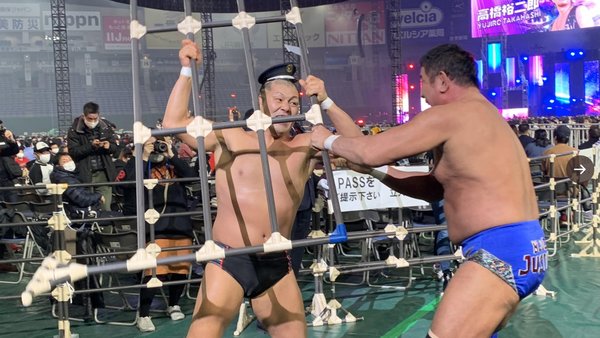
The New Japan Rambo returned for the first time since Wrestle Kingdom 12 in 2018, with the final four wrestlers set to compete for the KOPW 2021 Trophy on tomorrow's show. This sort of gave the bout stakes. Yes, the KOPW is a jokey gimmick title, but it's something. The Rambo is typically fun, light-hearted filler.
This year's wasn't worth the time sink.
35 long minutes elapsed before BUSHI, Bad Luck Fale, Toru Yano, and Chase Owens emerged victorious, booking their place for the four-way. Young Lions Gabriel Kidd, Yuya Uemura, and Yota Tsuji were the last three wrestlers eliminated. More exciting names like Yuji Nagata, Minoru Suzuki, and Tomohiro Ishii were dispensed with long before the business end, leaving a dull battle royal extremely front-loaded.
Skip this.
1. A Spluttering Opener
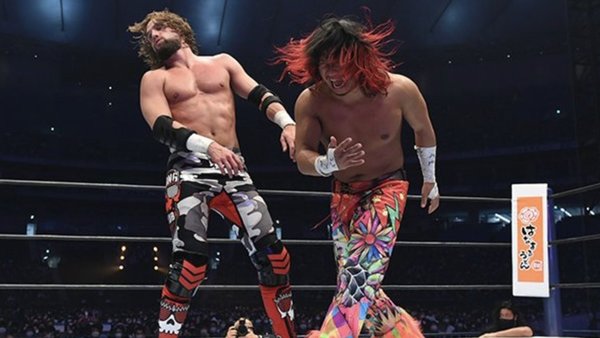
Your fondness for Hiromu Takahashi vs. El Phantasmo will likely depend on your tolerance of ELP's heel act, which exemplifies NJPW's current obsession with western-style cheap heat. He's a disrespectful little scumbag designed to get under your skin. Sometimes, it works, and ELP has the audience begging to see him get kicked in the face. In a quiet arena populated by fans banned from opening their mouths to jeer, it doesn't.
Takahashi and Phantasmo dropped huge bombs early on before the heel settled into a familiar rhythm. His "heat" segment (throughout which he worked Hiromu's hand and fingers) was tough to endure without the baying masses, and while the bout gets extra points for ELP's creativity and commitment to the bombs, it losses them for its frequent sloppiness and ponderousness outside the obvious high spots.
Phantasmo's attempts at outdoing Takahashi with classic Bullet Club offense (including a Style Clash for two) failed when Hiromu rolled out of an attempted CR2 and scored the pin. His hand was iced almost as soon as the bell rang, establishing the story for tomorrow's clash with IWGP Junior Heavyweight kingpin Taiji Ishimori.
Ups...
4. Strong Arm vs. Loose Morals
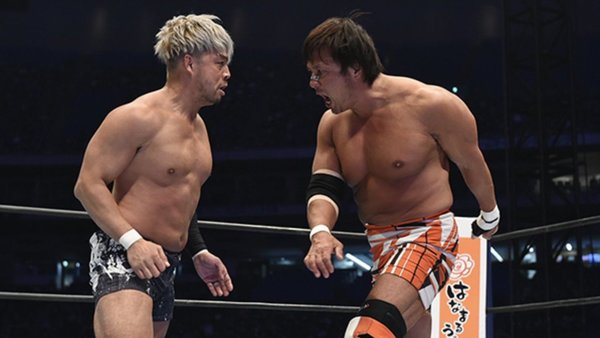
Preceded by a fine Jon Moxley promo in which the recently-absent IWGP United States Champion called himself the "boogeyman" ready to strike at whoever left the Tokyo Dome with the right-to-challenge briefcase, Satoshi Kojima vs. KENTA set Wrestle Kindom 15 on a better course after a poor start to the show.
Replacing the injured Juice Robinson, Kojima was wrestling his first Tokyo Dome singles bout in seven years, having last competed against Rob Conway (!) at WK8. KENTA, meanwhile, has been chasing Moxley's ghost for months, having won a briefcase guaranteeing him a shot at a man who hasn't been able to defend his belt since February. It remains to be seen when Moxley vs. KENTA will go down.
Regardless, KENTA did his part by besting Kojima with a Got To Sleep following a Busaiku Knee Kick. Echoes of the wrestlers these men used to be came in the form of stiff kicks, lariats, and other ripples of violence, and while the clash had the expected lulls, it was clean, crisp, and well laid-out. Not the bout they'd have had seven or eight years ago, but that was to be expected.
3. Great-O-Khan Stands Out In Defeat
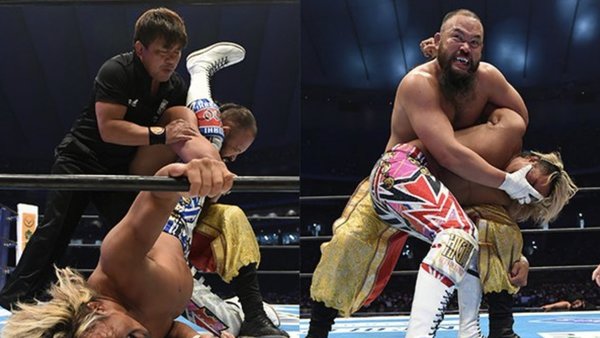
Should Great-O-Khan have defeated Hiroshi Tanahashi at WK15? Yes, that would have been good for him, though there's no shame in losing to one of the greatest wrestlers of all time inside the Tokyo Dome. Like Jay White at Wrestle Kingdom 12, O-Khan will rebound at this early stage in his career.
The former Tomoyuki Oka is in a similar place to where White was three years ago. Facing the Ace in a proving grounds match, he still splits opinion and hasn't yet put all the pieces together, as he experiments with what works and what doesn't. Again, like White, NJPW clearly wants him to be a big deal, with facing Tanahashi in the Dome a key part of that. Enter a shoddy performance against the most important wrestler in company history and he'd be toast.
Fortunately, O-Khan looked good in defeat. His look, style, and movement continue to make him feel distinct from anyone else on the roster. Whether he's slapping on claw holds from abdominal stretches or trying to lure opponents into his traps on the ground, he works unlike anyone else in the promotion. NJPW needs more wrestlers like that - particularly at the moment.
Tanahashi took the win via High Fly Flow, having prevented O-Khan from bringing a steel chair into play. This would be the surging Empire stable's first big setback on the night...
2. Okada Scores Sweet Revenge On Ospreay
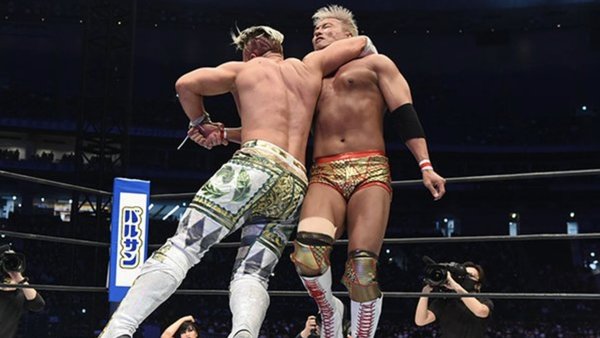
The bones of Kazuchika Okada vs. Will Ospreay are classic pro wrestling fodder. Okada helped bring the Englishman into New Japan via Revolution Pro five years ago. He took the up-and-comer under his wing, built him up, and guided him for years, only to taste bitter betrayal when Ospreay decided he needed to split from Okada to become his own man, forming Empire in the process.
This sport need not be complicated and here, in the Tokyo Dome, Okada and Ospreay crafted their best singles match together to date, thriving in the night's first match with a true big fight feel.
Okada came flying out the doors with energetic bursts immediately, eschewing his usual methodical opening sequences for urgency. Having spent much of 2020 out of sorts by design, he still went to the derided Money Clip on several occasions, but wrestled with more fire than he did all of last year. Unquestionably, Okada wanted his former protege to pay.
Ospreay answered with similar violence. This was a rough, physical encounter familiar in structure, but bristling with hatred. From basic strikes to ripping powerbombs, everything had extra pop and snap, putting the story over the top.
Okada's first successful Rainmaker in close to a year ended Ospreay's night in 35 minutes that flew by. Undone by his old mentor, Will must now overcome his first major setback since forming Empire, having fallen to 1-4 against the former IWGP Heavyweight Champion.
1. Naito & Ibushi Bump & Bomb

The build to Kota Ibushi vs. Tetsuya Naito was silly, with Ibushi receiving a double title shot despite losing his G1 Climax briefcase to Jay White early in the build. Regardless, their history all but guaranteed this would rip. Ibushi and Naito mess each other up and flirt with disaster - and they did it again here.
This rivalry is all about determining who can inflict the most punishment on the other without relenting. There are few barriers to what they won't do to each other (and themselves). Operating so close to the edge of control creates heart-in-mouth moments with potentially career-shortening bumps, so no, the style isn't for everyone. You need a strong stomach to get through these things.
Worked at a more deliberate pace rather than swirling as an all-out violence storm, this was another story of gripping head and neck punishment. It pulls you in as the threat of escalation keeps growing. Desperately, you pray your favourite won't get jacked up by the other, and knowing their lack of limitations means nothing is off the table. It's brutal, compelling stuff.
Naito's two Kamigoye kickouts and Ibushi's duo from Destinos were earned by the occasion and their extreme familiarity. In the end, it took Ibushi lowering his kneepad, countering out of a third Destino, hitting a V-Trigger, then knocking Naito down with another Kamigoye for the 1-2-3, and his first IWGP Heavyweight Championship win.
What a relief.
And what a match.