7 Reasons Why WWE Survivor Series Is Still A Great Concept

The November showcase still have a place in today's WWE.

Today, the WWE€™s pay-per-view calendar is littered with gimmick-themed events. And while this ensures that fans know what they€™re in for when they order a show, a consequence of this is a lack of unpredictability that makes for a frequent complaint amongst fans. Gone are the likes of Vengeance, No Mercy, and Armageddon, having been replaced with the more formulaic€”and somewhat less imaginatively named€”Money in the Bank, Hell in a Cell, and Tables, Ladders and Chairs shows. Of course, it€™s not just these newer PPVs that are being criticised; even Survivor Series, which was essentially the original gimmick-themed PPV when it debuted back in 1987, has come in for its fair share of flak. But for me, Survivor Series and its elimination-based theme remains a unique proposition, and it still very much has a place in today€™s WWE. Say what you will about the other gimmick-themed PPVs but, in my eyes at least, the concept behind Survivor Series really is a good one€”and this article explains why.


7. The Matches Have Relevance
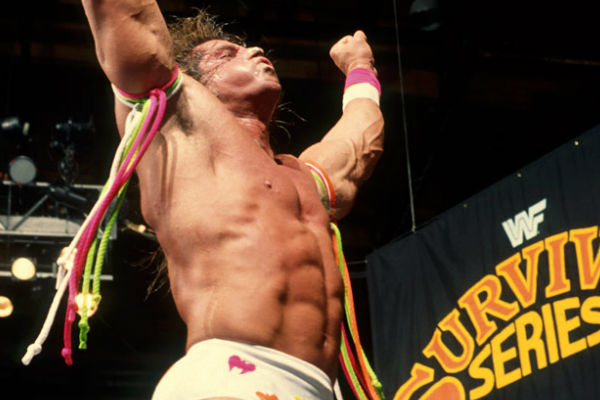
The whole aim of the game in a traditional Survivor Series elimination match is to end up on the winning team. Of course, if you can ensure you€™re the final man on that team, the true last man standing, the Sole Survivor€”that€™s an even greater achievement. With that kind of opportunity up for grabs, the traditional Survivor Series elimination match immediately bears great significance. Sure, being a Sole Survivor may not be on the same level as a Royal Rumble victory, but it still acts as a kayfabe accolade that gives the match an added importance. Besides, it€™s a pretty elite list of names who€™ve achieved such an honour; Hulk Hogan, Randy Savage, Ultimate Warrior, Ric Flair, The Rock, Bart Gunn, just to name a few. Watching guys compete for the chance to join that list and go down as the Sole Survivor sounds much more enticing than the kind of throwaway title defences that many PPVs are increasingly becoming riddled with. Straight off the bat, the Survivor Series elimination match gives fans a reason to care about the result.

6. One Match Can Create Multiple Storylines
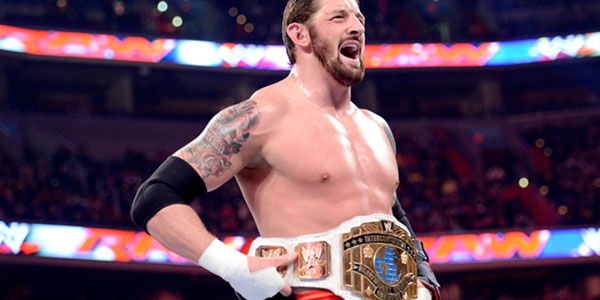
With so many participants in a traditional Survivor Series elimination match, there€™s a huge opportunity to spawn multiple new storylines from a single match. Let€™s look back at the 2012 event, for example, where Dolph Ziggler made headlines in becoming his team€™s Sole Survivor. Capitalising on that momentum, he would the go on to defeat John Cena the following month at TLC, retaining his Money in the Bank contract in the process, before going on to pull off one of the greatest cash-ins in company history. Not bad at all. But Dolph€™s wasn€™t the only success story that Survivor Series set up. Prior to the Show-off€™s victory, Wade Barrett€”Dolph€™s teammate€”had eliminated Kofi Kingston. Kingston was, at the time, Intercontinental Champion, meaning Barrett had every right to assume he was next in line for a title shot. A weeks-long feud would ensue, before Barrett eventually captured the gold and held onto it right through to WrestleMania. This is the perfect illustration of how subtle booking choices can spawn weeks€™ worth of television from a single match-up, further highlighting the unique value on the traditional Survivor Series elimination match.

5. Losers Can Still Look Strong

The term €œbury€ gets bandied about an awful lot these days, with a lot of fans assuming that a solitary loss can derail even the most promising of careers. Of course, that€™s not true at all€”guys can still look strong in defeat, as long as they€™re not made to look like a chump in the process. And the traditional Survivor Series elimination match is a great way of avoiding that. Take the Rock in 1997, for instance. Ultimately, he took the decisive pin from Ken Shamrock as his Nation of Domination tasted defeat. But did that make the Rock look bad? No. The Brahma Bull had already pinned Hawk and Ahmed Johnson earlier on, meaning he was essentially 2-1 for the match. Thus, his credibility was preserved, and one year later he would return to Survivor Series where he was crowned WWE Champion. Point being, the format of the Survivor Series€™ elimination match means it can protect a Superstar even their efforts ultimately end in defeat.

4. New Stars Can Be Pushed Without Being Overexposed

We€™ve already established that more than one person can be made to look strong coming out of a Survivor Series match-up. And similarly, that kind of logic opens up the possibility of building new stars without having to over-invest in them. The best example of this was probably the Undertaker€™s debut in 1990. Revealed as a mystery member of Ted DiBiase€™s team, the Deadman put in a domineering performance as he knocked off Koko B. Ware and Dusty Rhodes before being counted out. That in itself was the perfect introduction to Undertaker€™s character€”a dominant monster whose only real weakness was, at the time, his relative inexperience. Thus we saw a new character introduced with maximum impact, but without over-exposing that character or having him €œforced down our throats€ so to speak. Few other PPVs can achieve that kind of gradual integration like Survivor Series does.

3. Elimination Matches Are Longer

One noticeable feature of elimination matches is that they tend to be longer than others, due largely to the fact that there are so many people involved. The big benefit of these lengthier matches is that they allow for more engaging and compelling stories to be told€”which at the end of the day is what professional wrestling is all about. Rather than witnessing a card plugged with various 5-minute filler matches, which rarely ever seem to truly get going, the traditional Survivor Series format makes far better use of the time available on PPV. A telling statistic is that across first three Survivor Series PPVs, the shortest match was still a credible 17 minutes, with the longest bouts topping 30-40 minutes. Few PPVs present that kind of value in terms of actual wrestling content. Of course, the theme has been somewhat watered down more recently years, with fewer and fewer traditional elimination matches taking place as the years have gone by. But the potential is still there for these lengthier matches to produce the kind of gripping storylines that fans so keenly crave.

2. It Doesn€™t Exclude The Divas

For whatever reason, Vince McMahon seems stringently averse to placing women in serious gimmick matches. TLC, Hell in a Cell, or any kind of Extreme Rules match; these bouts all seem to be reserved exclusively for the male members of the roster. Whether or not you agree with that, it means that the women are consistently relegated to lesser roles in a number of WWE PPVs. And given the vast riches of female talent that has recently flooded the roster, that€™s a real shame. The girls deserve to be showcased in the meaningful matches that we all know they€™re capable of delivering, but the majority of gimmick-themed PPVs (combined with WWE Creative) currently don€™t allow for that. Survivor Series, on the other hand, very much does though. With the exception of the Royal Rumble match, no other gimmick-PPV utilises women as effectively as Survivor Series. And even the Rumble typically only features a women every few years or so. With the likes of Paige, Charlotte, Becky Lynch, and Sasha Banks now at their disposal, the WWE would be fools not to feature that kind of talent more prominently on PPV. And Survivor Series is a PPV that facilitates that in ways that others simply do not.

1. Elimination Is A Broad Stipulation

Finally, one of the biggest benefits of the Survivor Series gimmick is that it€™s not limited to a certain match. Whereas the Hell in a Cells, the Money in the Banks and the TLCs of this world essentially constrain you to one type of match, Survivor Series€™ theme is elimination€”and that€™s a pretty broad stipulation. In the past we€™ve seen traditional elimination tag matches, elimination tables matches, and of course the inaugural Elimination Chamber match hosted at Survivor Series. This means that the aforementioned predictability that gimmick-PPVs often entail can easily be eradicated from Survivor Series. In the same way that Extreme Rules doesn€™t simply offer a single Extreme Rules match as the main event, Survivor Series doesn€™t have to limit itself to one gimmick-themed showdown. Of course, much of this is hypothetical, and it all depends on how the WWE chooses to book the PPV moving forward. But the point remains that there€™s plenty of potential in the Survivor Series concept, and we shouldn€™t be allowing it to kick the bucket just yet.

Contributor
Contributor

Elliott Binks hasn't written a bio just yet, but if they had... it would appear here.