9 Most Obscure WWE WrestleMania Records You Need To Know
Attendance fibs, celebrity involvement, main event futility... the records WWE doesn't keep.
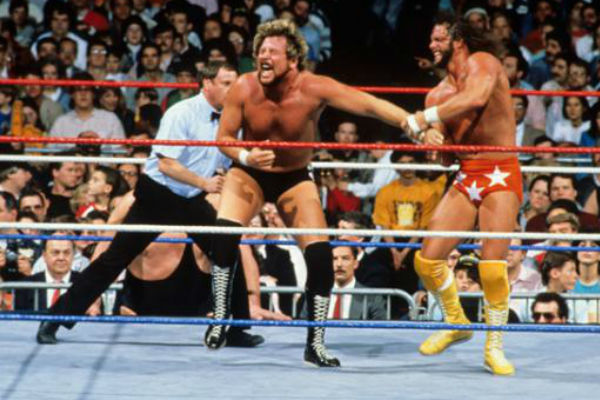
When Howard Finkel stood in the centre of the ring at Madison Square Garden in 1985 welcomed everyone to WWE's first ever WrestleMania, no one could have imagined that 40 years later, not only would this event continue to take place annually, but it would become an institution in professional wrestling.
But here it is, 2025 and WrestleMania has reached legendary status as the longest-running annual PPV/PLE in the industry. As an event with 40 shows logged, WrestleMania has accrued a significant amount of history. It’s simply impossible to exist for this long and not have filled the books with all kinds of records, many of which are celebrated and revered.
This is not a celebration of those records.
By virtue of existing for 40 years, WrestleMania really has “seen it all,” in a manner of speaking. If one can imagine it in professional wrestling, it’s probably happened at Mania. There’s a collection of strange and wonderful records that have been established through the years at WrestleMania, some of which are fun and harmless, while others are ignominious and best to be forgotten.
Let’s dig into the dark recesses of WrestleMania history to pull out some of the most obscure records that will likely never show up on a WWE YouTube list, but should be appreciated by any devoted fan.
Let’s get to it…
9. Biggest Attendance Exaggeration
WWE adamantly claims that they are in the entertainment business and that everything on their shows exists to entertain the fans. That also includes the WrestleMania attendance announcement, which famously has been referred to as part of the entertainment during the show.
The company’s tradition of over inflating the attendance figures at Mania is an annual tradition, with the most famous occurring way back at WrestleMania III, where the WWF announced that 93,178 fans had jammed into the Silverdome to see Hulk Hogan bodyslam Andre the Giant. The real figure has been tough to pin down, though many have settled on 78,500, a discrepancy of about 15,000.
But that’s not even close to the biggest attendance fib WWE has told at the Showcase of the Immortals.
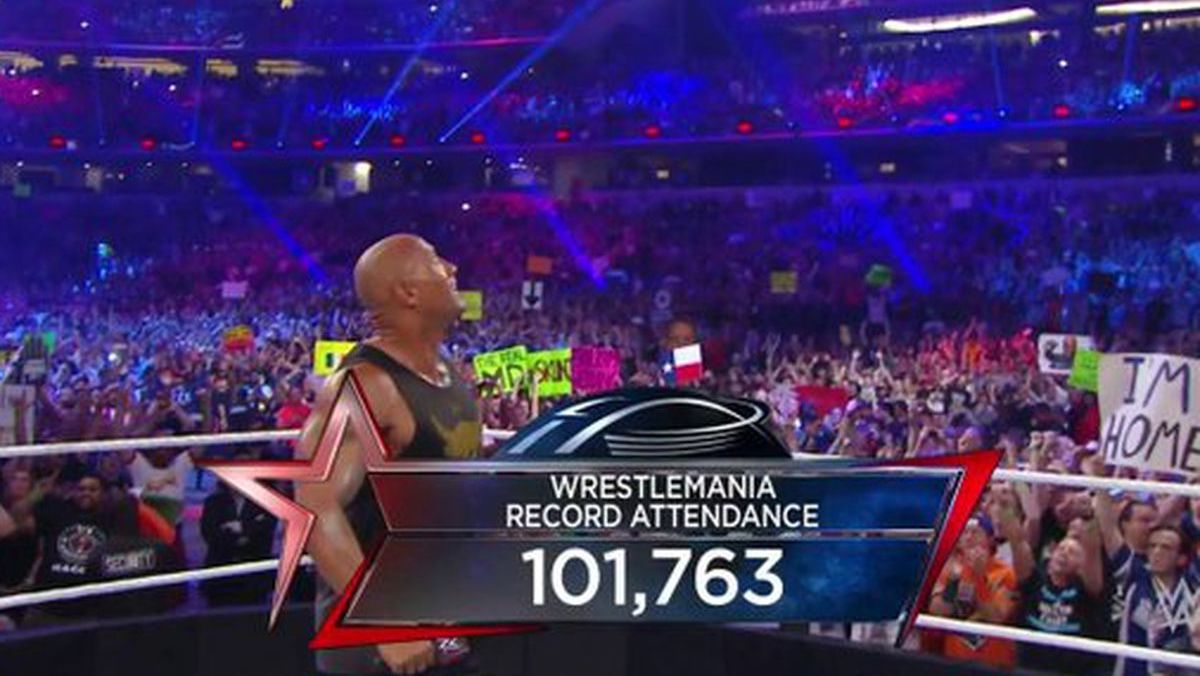
These days, between excellent analysis from the likes of Wrestlenomics and @WrestleTix and WWE’s own corporate reports, determining the “true attendance” at WrestleMania each year has gotten more accurate. Since 2008, WWE has inflated the actual attendance by anywhere from 6,000 to more than 20,000 for single night Manias, with WrestleMania 32 – with its preposterous announced crowd of 101,763 being 21,000 greater than what the Arlington Police confirmed – as the biggest exaggeration.
But the advent of two-night WrestleManias has given WWE an opportunity to double their fish tales about crowd size. And that’s exactly what they did once crowds returned to normal post-pandemic. WrestleMania 38 had a two-day announced total of 156,352 fans, while Wrestlenomics pegged the paid attendance at 114,300, a discrepancy of more than 42,000.
They say everything’s bigger in Texas, and apparently that includes the exaggeration of crowd sizes.
8. Most Main Event Losses
While winning a world title is often viewed as the pinnacle of achievement for a wrestler’s career, main-eventing a WrestleMania has become a significant accomplishment and validation of a superstar’s career (just ask CM Punk if closing out a Mania is important to him).
The truth is that not just anyone can wrestle the final match at a WrestleMania – the club of wrestlers who actually have competed in the main event is quite small, with a decent group of repeat offenders.
For a handful, the main event hasn’t been too kind to them. Two men have lost three main events: Roman Reigns (WMs 31, 34 and 40) and Brock Lesnar (WMs 31, 36 and 38).
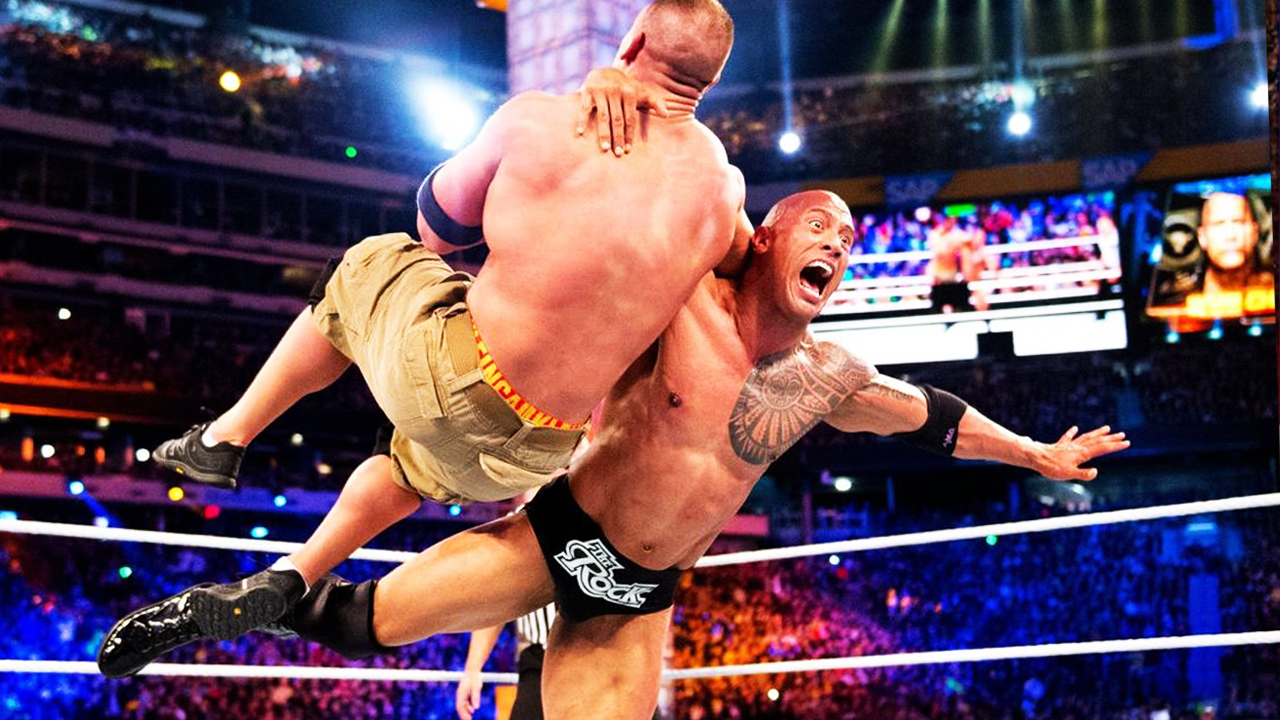
However, three men have lost four WrestleMania main events: Shawn Michaels, Triple H and The Rock. Michaels lost at WM 14 (to Steve Austin), WM 20 (to Chris Benoit), WM 22 (John Cena) and WM 26 (Undertaker). Triple H fell at WrestleMania 20 (Benoit), WM 21 (Batista), WM 22 (Cena) and WM 32 (Reigns). And The Rock lost three consecutive WrestleMania main events (WM 15 (Austin), WM 2000 (Triple H) and WM X-Seven (Austin) ). He would then lose to Cena at WrestleMania 29.
7. Biggest Gap Between WrestleMania Matches
Being the biggest showcase WWE has for its product each year, WrestleMania has become the site of many comeback or “one night only” matches, with wrestlers returning to action after years away from the ring – or at least away from WWE.
The result is wrestlers who have gone more than a decade without competing at WrestleMania, only to make their triumphant return. “Stone Cold” Steve Austin achieved this at WrestleMania 38, battling Kevin Owens in his first match since WrestleMania 19, a 19-year gap between Mania matches.
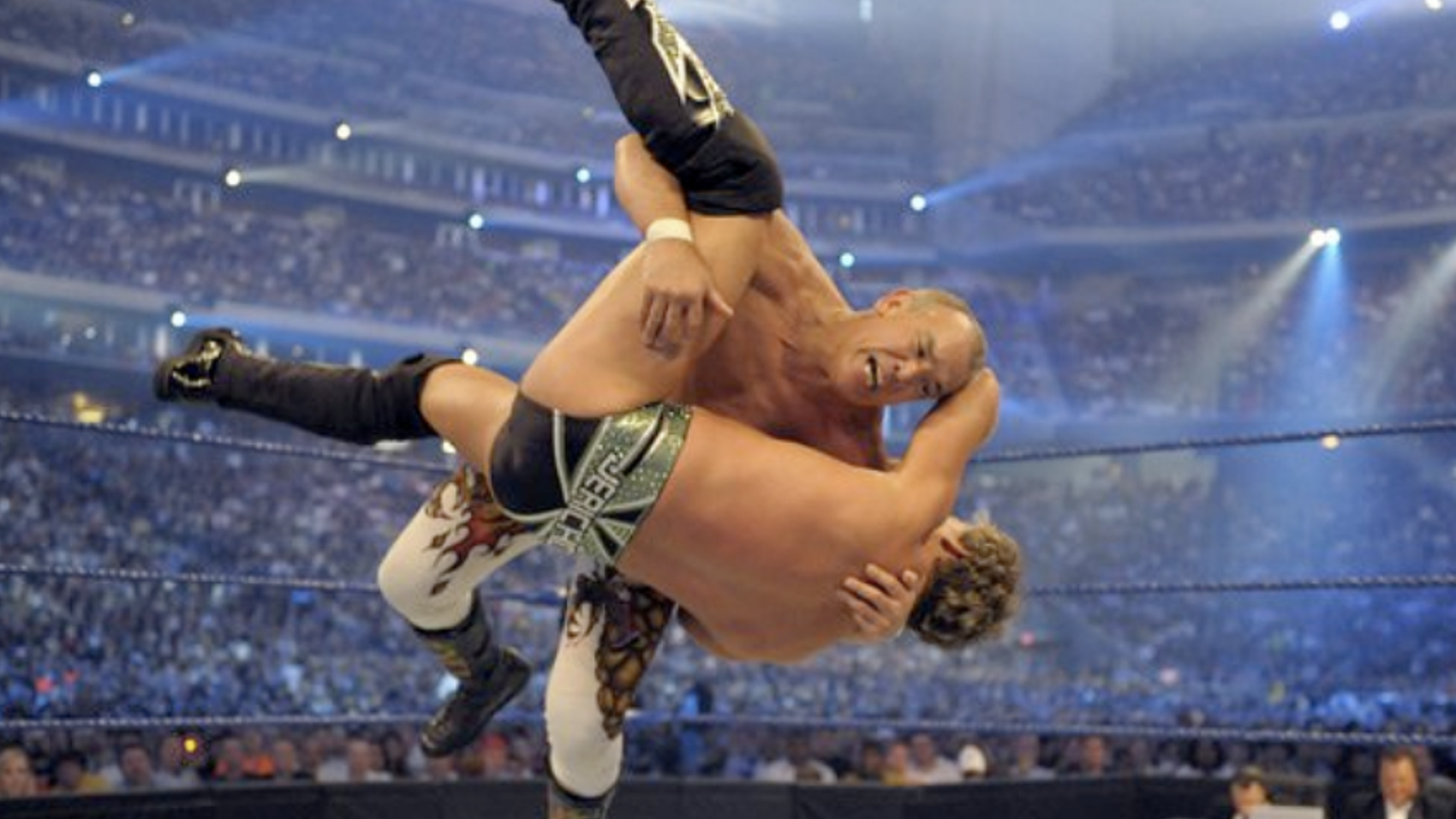
But Austin is not the record holder. The record for largest gap between WrestleMania matches belongs to Ricky “The Dragon” Steamboat, who wrestled at each of the first four Manias, then did not appear in the ring again until he joined “Rowdy” Roddy Piper and Jimmy “Superfly” Snuka to take on Chris Jericho at WrestleMania 25, a 21-year gap between Mania matches.
To break this record this year, you would need someone who hasn’t wrestled at Mania since at least WrestleMania 19 (such as Hulk Hogan, Diamond Dallas Page, Jazz, Raven or Albert) to compete in Las Vegas. That’s not to say this record won’t ever be broken, but it would involve digging deep into the vault.
6. Most Celebrities, One WrestleMania
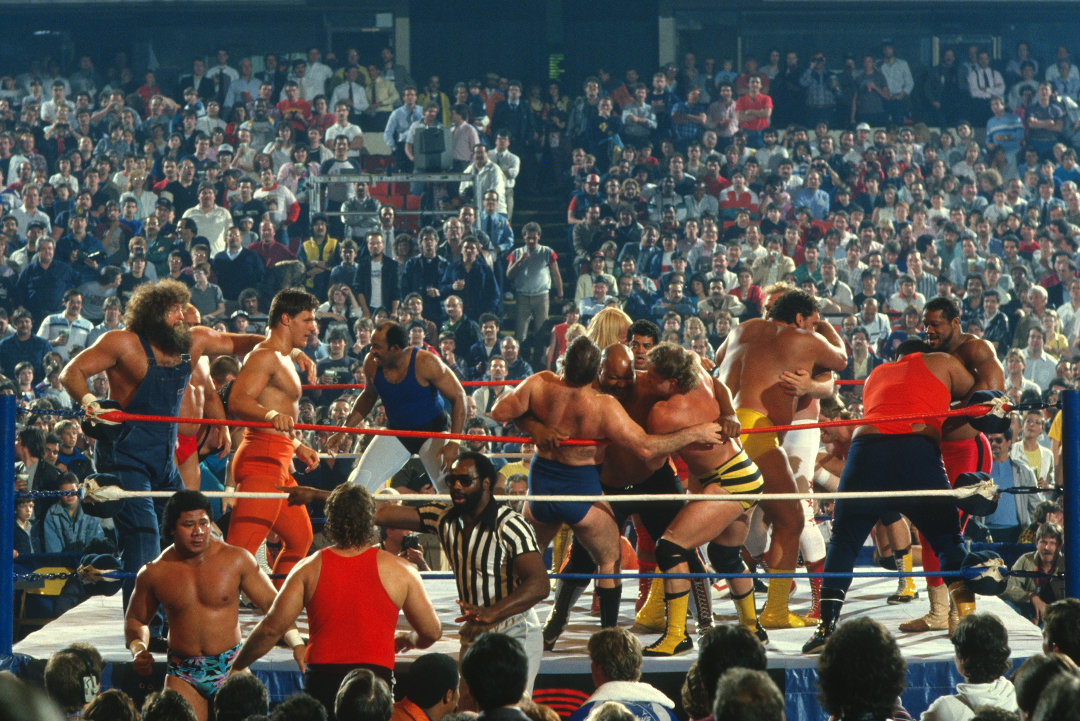
Since WrestleMania’s inception, WWE has craved mainstream acceptance of its sports entertainment flagship event. They’ve desperately tried to manufacture that support by enlisting various celebrities to appear on their signature show, participating in various manners.
The very first WrestleMania featured a slew of well-known figures, with Mr. T, Cyndi Lauper and Muhammad Ali taking on prominent roles. But it also featured baseball manager Billy Martin, Liberace and the Rockettes. Throughout the years, WWE has constantly recruited musicians, actors, athletes, and pop culture figures to appear, with some of them stepping between the ropes and competing.
No WrestleMania overloaded itself with celebrities more than WrestleMania 2, which featured 26 celebrities appearing in some capacity. The bulk of these figures were athletes, as several NFL players participated in the battle royal and others were involved in the boxing match between “Rowdy” Roddy Piper and Mr. T. Several actors such as Susan St. James, Elvira and Joan Rivers joined the commentary team or served as ring announcers and timekeepers.
While today’s WrestleManias continue to bring notable personalities to the stage (last year’s event featured a handful of musicians, two Philadelphia Eagles and a YouTuber in a Prime bottle), unless there is a cross-branded match such as the NFL/WWF battle royal at WrestleMania 2, WWE is going to be hard-pressed to top that 39-year-old record.
5. Most Prolific Celebrity
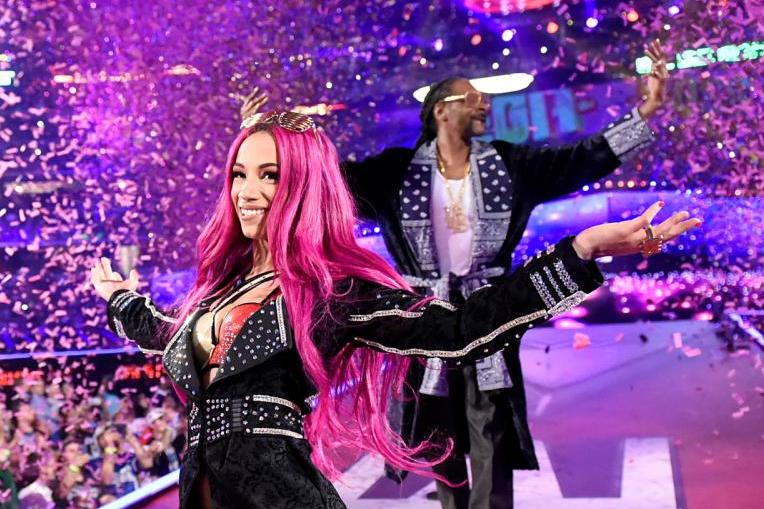
Not all celebrity appearances at WrestleMania are created equal. Fans watching WrestleMania can tell almost immediately whether a celebrity is truly into the moment or if they’re just collecting a paycheck.
Some, like Maria Menounos, Johnny Knoxville, and Bad Bunny very clearly enjoyed themselves and continued to be involved with WWE beyond a single appearance at Mania. Others (who shall remain nameless) looked bored out of their minds and felt like sports entertainment was beneath them.
Throughout the years, there have been several celebs who have logged multiple turns at WrestleMania, showing up repeatedly and clearly having fun with the crowds. Pete Rose had a memorable “feud” with Kane at three consecutive WrestleManias (14, 15, and 2000). Menounos actually competed at WrestleMania 28 and then served as a guest interviewer at Manias 31-33.
But no celebrity has been more prolific at WrestleMania than Snoop Dogg, who has logged an impressive five appearances at WrestleMania. He served as emcee for the “Bunnymania” match at Mania 24, appeared in a backstage segment at 27, rapped his cousin Sasha Banks to the ring at WM 32, served as host and filled in as Shane McMahon’s replacement in a “match” against Miz at WrestleMania 39, and provided guest commentary last year for the six-man tag between the Pride and the Final Testament.
Clearly, the Hall-of-Famer enjoys himself whenever he visits WWE, so it would be a safe bet that Snoop will only add to this total in the years ahead.
4. Years Between First/Last Matches
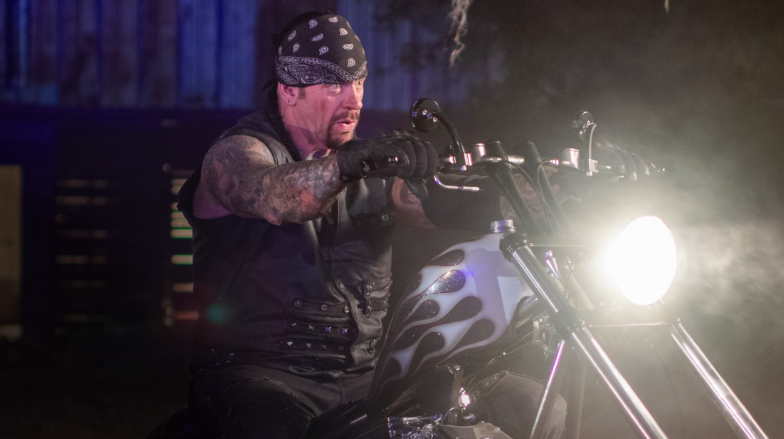
These days, wrestlers are taking better care of themselves and having longer, more productive careers (from an in-ring perspective).
Consider that Hulk Hogan wasn’t yet 50 when he looked like the old, faltering legend facing The Rock at WrestleMania X8, and many wrestlers today are still considered in their primes well into their 40s. AJ Styles, CM Punk, Rey Mysterio, Bobby Lashley, Christian Cage, and Dustin Rhodes are in their late 40s/early 50s and still going strong.
That career longevity means it’s possible that wrestlers with 30-year careers (or at least still making semi-regular appearances into their 50s) could become the norm in WWE. As it stands right now, there are a handful of wrestlers who have managed to space more than a quarter-century between their first WrestleMania match and their most recent one.
“Stone Cold” Steve Austin first wrestled at WrestleMania 12, defeating Savio Vega. He would retire after WrestleMania 19 but returned at WrestleMania 38 to battle Kevin Owens, an impressive 26-year gap between his first and last Mania matches. However, he’s not the record-holder. The Rock ran up a 27-year span; he first competed at WrestleMania 13 against The Sultan (who later became Rikishi) and of course wrestled at last year’s Mania alongside his other cousin Roman Reigns against Cody Rhodes and Seth Rollins.
None other than The Undertaker holds the record with 29 years between his first and final WrestleMania matches. Undertaker took his Mania bow at 7 against Jimmy Snuka and concluded his career in the Boneyard Match against AJ Styles at WrestleMania 36. What’s more impressive is that Taker was 26 at the time of his first WrestleMania and was four years into his career.
To break this record, someone like John Cena would need to compete at WrestleMania 50, or Austin Theory (who was 22 when he competed in his first Mania at 36) would need to hang around until WrestleMania 66. That’s almost too ridiculous to even imagine.
3. Most Title Changes, One WrestleMania
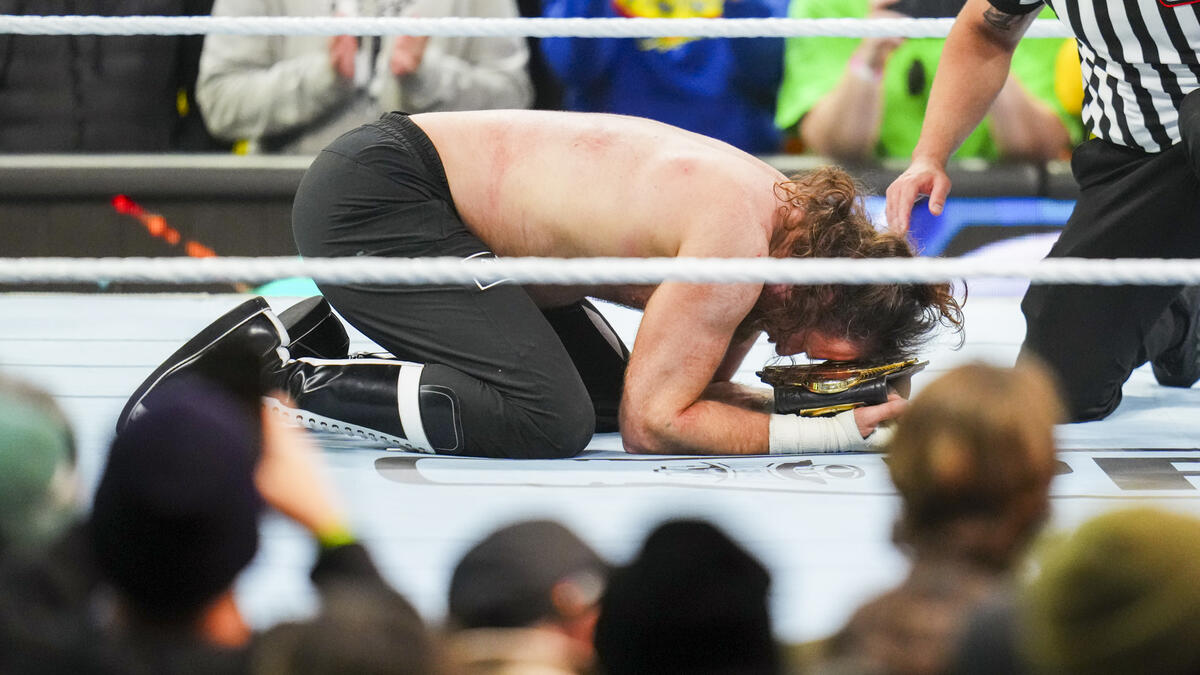
Titles changing hands at a major show is not an uncommon occurrence. In fact, fans expect to see new champions crowned at major events such as WrestleMania.
However, fans could go into title change fatigue after hearing, “And new…” repeatedly throughout the night. WrestleMania 35 saw eight new champions crowned, though two took place during the pre-show, leaving its standing in nebulous territory.
WrestleMania 40 set the mark for main show title changes, with seven title switches taking place during the weekend: two new sets of tag champs (splitting the Undisputed WWE Tag Team Championship), a new Intercontinental Champion, two new World Heavyweight Champions (Drew McIntyre and Damian Priest), a new WWE Women’s Champion, and a new Undisputed WWE Universal Champion.
What’s scary is that it is entirely plausible to break this record. Since last year’s show, WWE has added two more titles: the Women’s United States and Women’s Intercontinental Championships, bringing the total to 11 on the main roster. Throw in the chance that an NXT title could be defended at WrestleMania and you’re getting into the territory of very possible.
2. Losing Two Titles, One WrestleMania
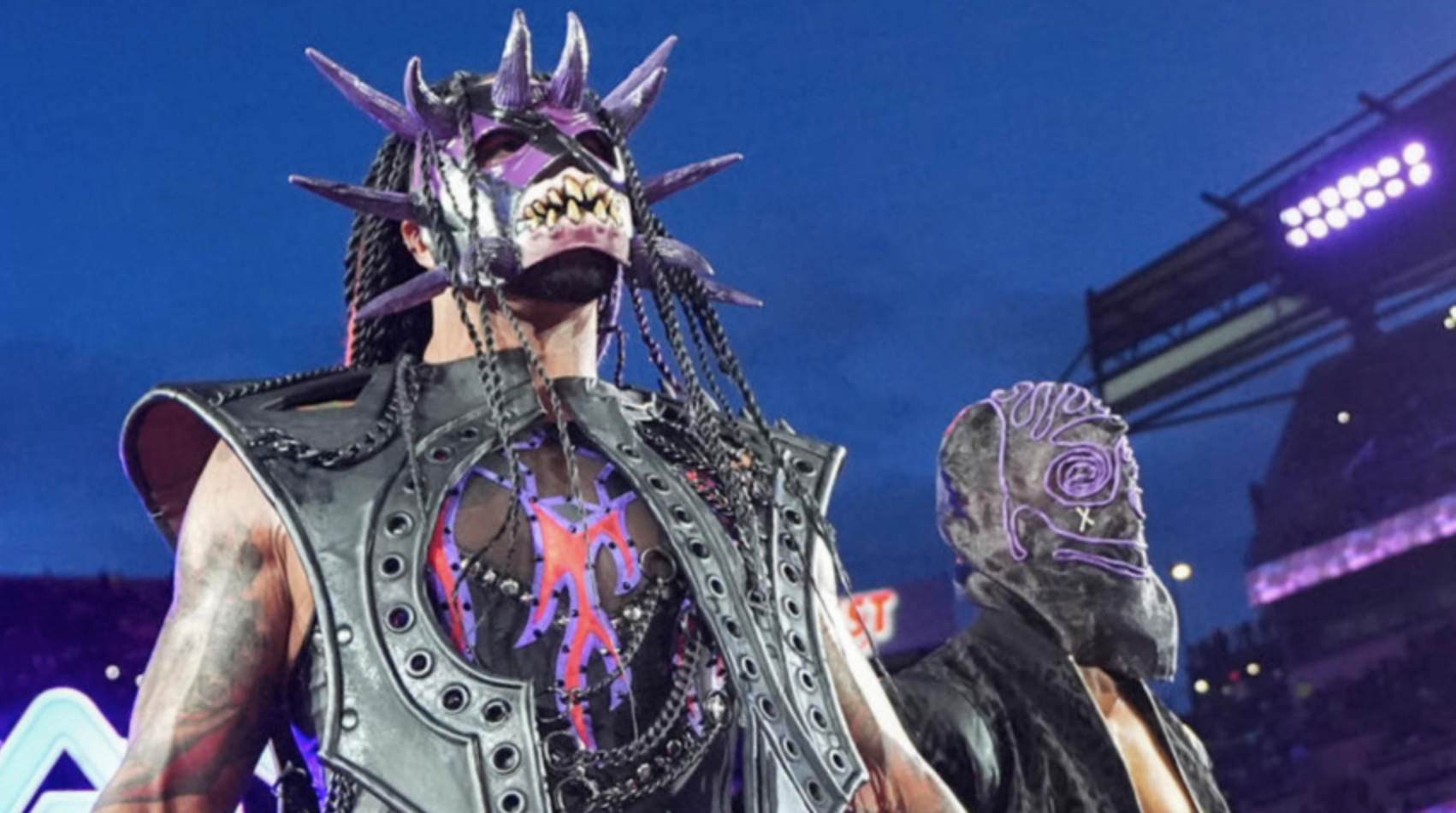
While title changes at WrestleMania are a dime a dozen, there is a rare subset within that universe: wrestlers who lost two titles at the same Mania.
Double champions are not common in WWE. There have been a handful throughout the years, but very few of them have defended both at WrestleMania. An argument could be made that the company’s top championship, the Undisputed WWE Championship, is still technically a double title since it carries the lineage of both the Universal and WWE titles. However, it’s represented by one belt and its two halves have never been defended independently.
Still, fans have witnessed two instances where a champion has lost two separate titles at a single WrestleMania. None other than Kurt Angle lost both the European and Intercontinental Championships at WrestleMania 2000. Angle came in as a double champ and defended both titles against Chris Benoit and Chris Jericho in a triple threat where the first fall was for the IC title and the second was for the European Championship. Benoit pinned Jericho for the IC title, and Jericho beat Benoit for the European title, meaning Angle lost both titles without being pinned or submitted.
More recently, Judgment Day lost the Raw and SmackDown Tag Team Championships in a ladder match at WrestleMania 40. But wait, weren’t these lumped together as the Undisputed WWE Tag Team Championship while the Usos, Sami Zayn and Kevin Owens, Judgment Day, and Jey Uso and Cody Rhodes held them? That is true, but the individual titles were always represented, and they were defended independently on a handful of occasions while the Usos held them.
At WrestleMania 40, both sets of tag titles were hung above the ring, allowing A-Town Down Under and R-Truth and The Miz to retrieve them to become the SmackDown and Raw tag champs, respectively.
Forty years of history, and this has only happened twice, which makes it a unique piece of WWE trivia.
1. Most Wins And Losses, One WrestleMania
Even with WrestleMania expanding to two nights in recent years, the sheer size of the WWE roster nullifies the need for wrestlers to pull double duty at the biggest show of the year.
However, several superstars through the years have stepped between the ropes multiple times during a single Mania, including a small cadre of wrestlers during the WrestleMania 4 tournament (more on that later), Yokozuna at WrestleManias 9 and 10, Bret Hart at WrestleMania 10, Hulk Hogan at WrestleMania 9, Seth Rollins at WrestleMania 31, Natalya and Tamina at WrestleMania 37, Pat McAfee at WrestleMania 38, and Cody Rhodes, Roman Reigns, Rollins, Damian Priest and Drew McIntrye at WrestleMania 40. Each of those wrestlers split their decisions.
A handful of wrestlers have won two matches at WrestleMania, most notably Ted DiBiase as part of the world title tournament at WrestleMania 4, and Daniel Bryan, who fought his way into the main event of WrestleMania 30 by defeating Triple H in the opener and then won the WWE World Heavyweight Championship by beating Randy Orton and Batista.
But no one has won more matches at a single WrestleMania than “Macho Man” Randy Savage, who won four matches at WrestleMania 4 en route to claiming the vacant WWF Championship. Beating Butch Reed, Greg “The Hammer” Valentine, One Man Gang, and DiBiase, Savage set a record that likely will never be topped.
Conversely, while the vast majority of double-duty wrestlers won one of their matches, only one superstar has come up short more than once at WrestleMania: The Miz lost both of his matches at WrestleMania 39, although both really were jokes. Serving as the co-host of Mania, Miz lost to Pat McAfee on the first night, then lost to his co-host Snoop Dogg after Shane McMahon suffered an injury. Bet that doesn’t show up on his Wikipedia page.
Could someone someday top either of those records? Sure, anything is possible, but the idea of someone wrestling – and winning – five matches at even a two-night WrestleMania is incredibly far-fetched, making this an obscure record that will stand the test of time.