WWE: 11 Things That Killed The Attitude Era
WWE completely fell apart in 2001 and would never recover.
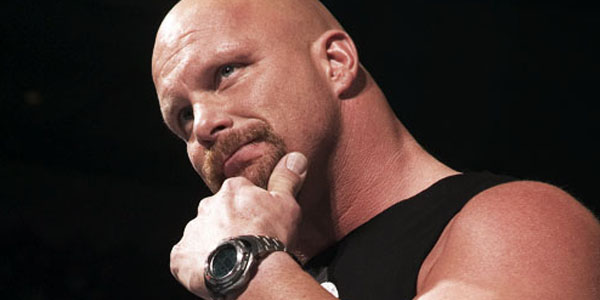
11. The Focus Changed From Gimmicks To Actual Wrestling
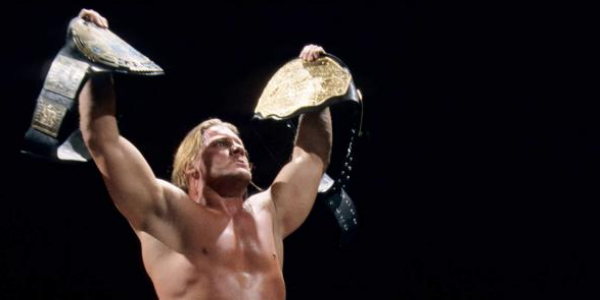
10. The Burden Of Smackdown
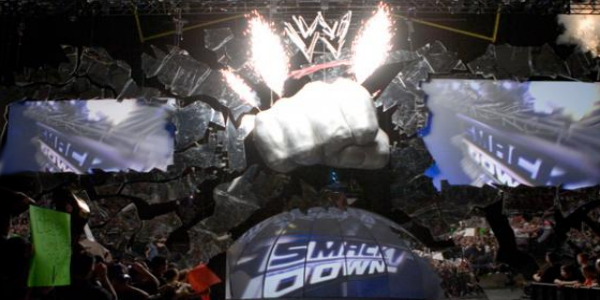
9. The Distraction Of The XFL
 In addition to the internal expansion seen in late 1999, the WWF was also expanding outwardly, Vince McMahon planning the XFL in 2000 with the first season finishing in 2001. Is it just coincidence that the WWF noticeably took a critical and commercial slide during Vince's focus on his new football league? You suspect not. The XFL was an expensive and complex operation. WWE lost $35 million on the failed venture, putting in substantial time to match the hefty financial investment. What do you think Vince McMahon was thinking about more in late 2000 / early 2001, the WWF which was a success taking care of itself, or the XFL which was flailing and needed saving? The thing is, as Vince dedicated more time to addressing the XFL, the WWF stopped taking care of itself. All of a sudden we had illogical storylines cropping up on Raw. The shows seemed less cohesive, getting lost in booking folly. It all looked as if the WWF wasn't getting planned or operated as well, which we suspect could have been down to the XFL investment. It wasn't long before fans switched off Raw just as they had switched off the football league. The association of failure resonates, Vince found that he had as many problems on the wrestling front as he did the football front.
8. The Downfall Of WCW
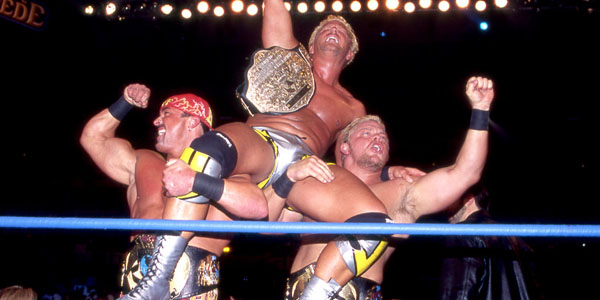
7. The Implementation Of WCW In WWF
6. The Rock Going To Hollywood
 The April to July absence of The Rock in 2001 was a major factor in WWF losing popularity. How could it not be? This was the biggest pop culture icon the WWF had, whereas Austin may have been the bigger draw, Rock definitely had more fame, appearing in everything from Star Trek to Wyclef Jean songs. By spring 2001 it was clear that The Rock had evolved beyond being a wrestler. He had became bigger than the WWF. His absence after WrestleMania 17 was a clear indication of the way things were headed, like Hulk Hogan in the past era, Rock would now be cutting back on wrestling to appear in more films. Many fans looked on this and decided that the story they'd been enjoying had now concluded, so they closed the book shut on the WWF. With the main character gone, fans figured it was time to move on. Many people only watched for The Rock and with him gone the show was just less interesting. You could even argue that the WWF never got popular, The Rock got popular, people watched for him. The difference he has made in Mania buyrates in the last few years reflect that he is indeed a specific draw for popularity.
5. The Triple H Injury

4. Overbooking
3. The Story Concluded
Part of the reason the WWF declined in popularity might have nothing to do with negative factors, it might simply be a case of the story naturally concluding. All engaging narratives can't go on forever, there's a beginning, a middle, and an end, when it's over it's over. This is pretty much what can be seen to have happened with the WWF, they hooked the audience in 1998 with blue collar Steve Austin taking on white collar Vince McMahon, by 2001 the story was complete and fans moved on (more on the heel turn later!) Even with The Rock, Triple H and Mick Foley (WWF's other top characters), their story had been told and finished too. We watched as Foley's career ended, we rejoiced as The Rock became The People's Champion, we bought into Triple H's year of dominance in 2000. When all that concluded it was the natural time for fans to move on. We started to get repeats of angles and matches, which is perhaps another reason fans stopped watching. We'd seen it all before, it was obvious that the originality of the era had expired. The WWE themselves kind of subscribe to this belief, noting in conference calls that pro wrestling is a cyclical product which goes through peaks and troughs. By the end of 2001 the natural lifecycle of the success began in 1998 was over. Maybe it wasn't even a cycle, maybe it was just a fad, passing through pop culture and remaining unique to its time.2. The Austin Heel Turn
1. The Combined Factors
