WWE: 7 Innovations Vince Russo Did That Changed Wrestling
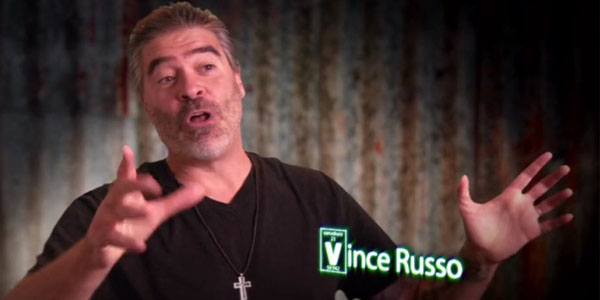
Vince Russo Vince Russo is one of the most polarizing figures in wrestling history. A lot of fans that don't read about the wrestling business may know nothing about the guy. Those of us that are online wrestling fans generally have an opinion whether it's positive or negative. A lot of the time the opinions are strongly negative too. When you think about what Russo was in WWE and his role as a head writer he deserves a lot of praise also. Russo was a magazine editor and writer for WWE in the 1990s. By 1996 he joined the creative team. In early 1997 he became the head writer. That didn't mean that he had final say on things. That was Vince McMahon and it still is McMahon. However, after McMahon it was Russo that had the most influence on the things that we saw on WWE TV during the Attitude Era. By the spring of 1998 with Russo fully entrenched as the head writer, WWE had surpassed WCW and never looked back. The reason Russo has a lot of heat with wrestling fans is because once he left WWE in October of 1999 he went on to be in charge of WCW. He was in charge for several months, then sent home, then brought back and then sent home a final time. A lot of stupid things happened. In less than two years, WCW died while WWE went on to have arguably its best year ever when Russo was gone in 2000. He's worked with TNA for the majority of the last ten years, but he never went back to WWE although he was close. This feature will look at seven things that Russo did that helped change wrestling while he was a key figure in WWE's Attitude Era. We're not here to say that he deserves more credit than the performers. Without him, though, we may never have been able to witness a period of wrestling that was so beloved by WWE fans.

7. He Helped Stables Matter Again
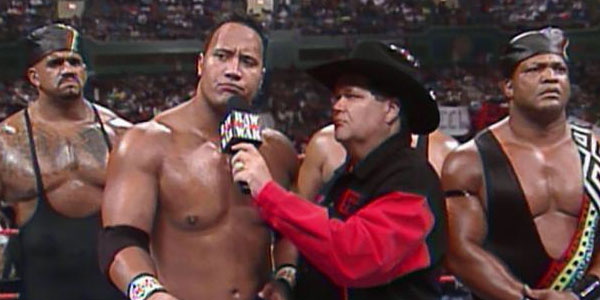
Stables in wrestling are an effective way to make performers look like bigger stars by aligning them with others. When you put three or more guys together as a group, they can be seen as a strength for months or years and then when they break up there are ready made feuds that have been set up. The wrestling business has always been a copycat thing, so it's not like Russo is the only one that probably thought about doing stables. They did largely because of the New World Order in WCW. Soon after they were established, WWE had groups like the Nation of Domination, Hart Foundation, Degeneration X, the Corporation, Corporate Ministry and so on. There were too many stables during this period too. Remember The Union? They didn't last too long! Groups like Los Boricuas, Disciples of Apocalypse and The Oddities were clearly not successes. At least they tried, though. That's what happens when you're a growing company. You try things, see if they work and if they don't you move on from it. It's not like Russo is the sole reason that Degeneration X was successful. A lot of credit goes to Shawn, Hunter and Chyna too. It's just that Russo was the kind of guy that knew what buttons to push and what stories to tell.

6. He Made Backstage Segments As Important As In-Ring Product
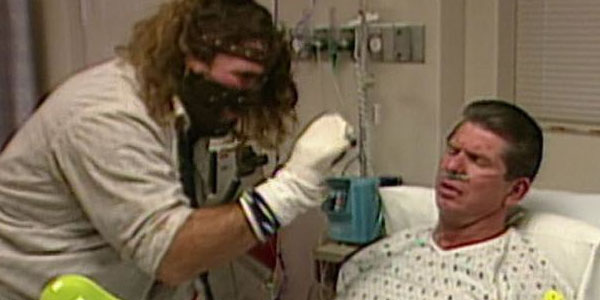
If you watch any WWE programming today then you know that backstage segments are a huge part of the show. It wasn't always like that. For most of the 1990s, if you saw a wrestler backstage they were likely doing a formal promo with an interviewer. Seeing them in vignettes or skits was pretty rare. Once Russo became a part of creative they became a regular thing. When you see these segments on Raw you have to throw your brain out the window a bit. Wrestlers are directed to act as if the camera isn't there. When an interviewer is there, they acknowledge the camera. It's confusing and a bit silly, but that's pro wrestling in a nutshell. Those backstage segments were key in the development of a lot of performers in WWE. Some of them really thrived when they didn't have to be in the ring to cut a promo while others just looked like awful actors. It gave a lot of them personality and that's what made them worthwhile. There are times when WWE overdoes the backstage segments and times when more are needed. Clearly they are here to stay because 15 years later we see those kinds of segments on WWE TV all the time. Without Russo they wouldn't be nearly as common or as popular as they are today.

5. He Proved That Sex Does Sell

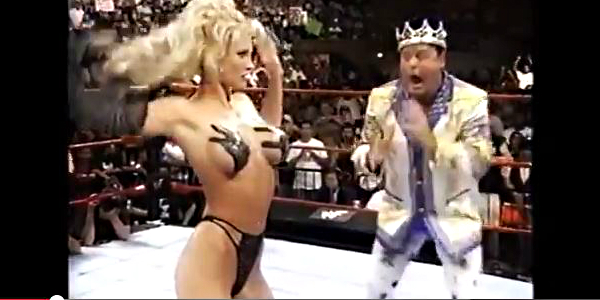
Russo has never been shy of utilizing women in ways that most bookers in wrestling might be afraid to do. Prior to his influence on the booking, we didn't see matches where women would strip down to bra and panties very often. When thinking about Sable, she was the right woman at the right time to become a huge star was Russo's star continued to rise. The first evening gown match that WWE ever had was Sable vs. Luna at Unforgiven 1998. Russo was likely the brains behind that one. Luna won thanks to some interference, yet after it was over Sable got her revenge. All most of us remember is the shot of Sable in her bra and panties showing a lot of skin when it was over. A few months after that, Sable was in the ring with only black handprints covering her breasts. Two years earlier, before Russo was booking, there was no way that would be on WWE TV. Compare Sable's initial run in WWE up until her 1999 departure to when she came back in 2003. She barely had an impact the second time around. We're not sure what Sable thinks of Russo, but she should be very grateful. There was Debra in 1999 too. She would jump on the apron and distract the opponents of Jeff Jarrett by unbuttoning her top so that she could show off her "puppies" in her bra. The "puppies" craze made her one of the most popular people on the roster. When analysts would look at quarter hour ratings numbers for Raw during the late 1990s, usually the numbers went up when Sable or Debra were out there. Russo's influence proved that sex sold.

4. He Gave Midcard Wrestlers Storylines & Character Depth

If there's one thing that Russo was great at in terms of the big picture perspective it's that he had a great grasp of understanding that everybody on the show needed to be unique in their own way. It was always important for him to do that. It's something that midcarders likely appreciated. If you watch WWE today, there are dozens of them with no character traits or direction. Think about characters in the late 1990s like how the New Age Outlaws came together as a team, The Brood as this group of dark characters, Val Venis the porn star, Godfather the pimp, the Acolytes, Too Cool and even Kaientai had a gimmick. A lot of those were lower level characters too. We'll get to the bigger names as well. When you're a midcard wrestler and you're not featured in the main programs, all you really want is some kind of character development because that way you can work it on the house shows on the weekend. When you get the chance to be on TV you have to maximize every opportunity you get. In today's WWE, a lot of those talents never get to be on and if they do they have no character traits. The problem with giving so many character storylines is that they would have too many people on a show or matches that didn't really mean anything. At least Russo cared enough to give those talents time to develop whether they were good characters or not.

3. He Was Key In Development Of Major Stars
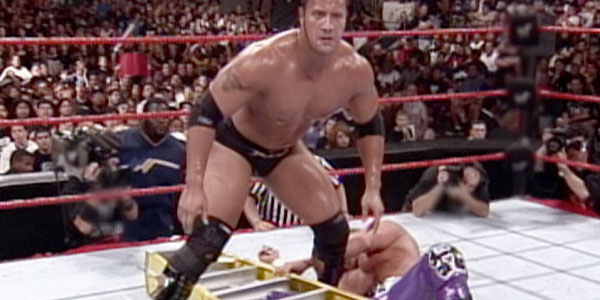
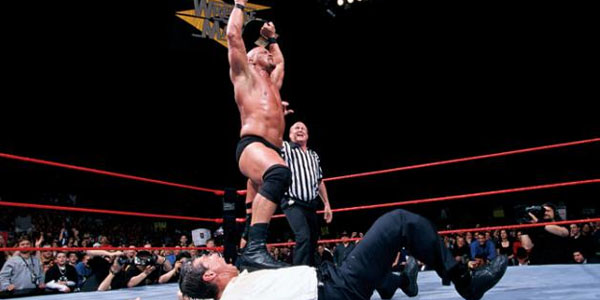
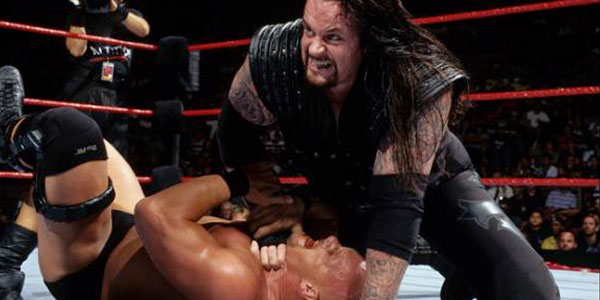
The same period of time that WWE started to surpass WCW in the Monday Night Wars (early 1998) is when Russo was fully entrenched as the top writer in WWE. After Vince McMahon, Russo had the most say in how things happened on WWE TV. He was number two. It was also this timeframe where some of WWE's biggest stars ever really started to grow as performers. Steve Austin became the top babyface, The Rock went from a nobody to the most charismatic man in all of entertainment, Triple H finally showed some personality, Mankind revealed other aspects of his bizarre personality and The Undertaker became more humanized while dumping the zombie aspects of his character. There's no reason to give Russo full credit for all of those talents going on to become big names because we're talking about some of the best performers ever. However, Russo played a key role in terms of crafting together storylines that helped them shine. A case could also be made that a lot of them became even more important after Russo left in the fall of 1999, but he should still be applauded for planting the seeds for what they would become.

2. He Pushed The Envelope

Russo's a New Yorker that has never been afraid to speak his mind. Sometimes that attitude has gotten him into trouble and made him make stupid decisions (like a lot of things he did in WCW), but it's also a part of his personality that made him become a star from a writing perspective. As most lifelong WWE fans know, the company's product was really boring in the mid 1990s. There just wasn't anything to really bring in new fans. Guys like Shawn Michaels and Bret Hart were great in the ring, but the storylines were pretty boring. By the time Russo became a part of the writing team, suddenly WWE became more interesting. There are people that will say that Russo was never that original because he was doing things that Paul Heyman did in ECW. There's a lot of truth in that and most people would say that Heyman is a brighter mind than Russo. I certainly would. However, Russo deserves praise for doing those things on a grander stage. It's not like it was a copy of everything Heyman did either. Russo was smart enough to present the idea that WWE needed to become a product that was different from the norm. Some people may not have liked the strong language, violence and sexual tone of WWE programming, but it worked. It may never return either.

1. He Brought Attitude To Wrestling

If you ever read WWE Magazine in the 1990s you might remember the name of "Vic Venom." That was Russo's name in the magazine. He was a magazine editor before McMahon brought him into the creative room. A lot of the things he would write would be about how WWE needed to be more aggressive about things. I can remember an issue of Raw magazine after The Undertaker placed Steve Austin on a cross to "sacrifice" him (this was late 1998), he wrote an article about how much he believed in what WWE was doing. More importantly, he emphasized that what they were doing was entertainment and telling stories with their characters. It was his way of saying "this is what we are and if you don't like it that's too damn bad." It's that kind of brashness and attitude that Russo really brought in the WWE product. The mid 1990s WWE had a stale product. It's not like McMahon was going to suddenly change his ways. Russo is the one that joined the writing team, made a push for a dose of attitude and quickly rose to the top where he was the right hand man of McMahon. It's not fair or right to give Russo all the credit. McMahon deserves more of it because he had final say on everything. However, Russo played a key role in the product that helped WWE become the profitable company that it was after some rough years in the mid-1990s. It may seem crazy to say it, but without Russo maybe WWE wouldn't have won the Monday Night Wars.

In this post: 
Vince Russo
 
Posted On: 
Contributor
Contributor

John wrote at WhatCulture from December 2013 to December 2015. It was fun, but it's over for now. Follow him on Twitter @johnreport. You can also send an email to mrjohncanton@gmail.com with any questions or comments as well.