10 Disappointing Things We Learned About Movies In 2013
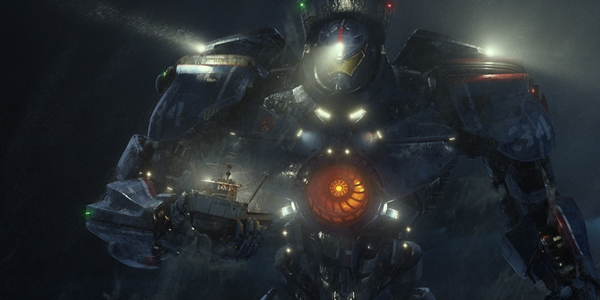
22nd August 2013. One Hollywood Reporter article changes the face of movies for the foreseeable future, showing the aim of a major franchise and highlighting the unsavoury side of fanboyism. Ben Affleck, then in the process of finding somewhere to put all the plaudits, both written and award based, he€™d received for his acting-directing-producing job on Argo, was Batman. Brilliant. Starting with Robert Downey Jr.€™s comeback and Heath Ledger€™s posthumous Oscar in 2008, superhero movies had slowly become more acceptable works and now we€™re at a point where even the hottest actor would attach himself to a project. Or rather: Ben Affleck, star of the abominable triple whammy of Pearl Harbour, Daredevil and Gigli, was Batman. Terrible. He€™s a talentless hack who ruined one of Marvel€™s greatest heroes; why are they letting him destroy an icon? Will he be awesome or will he prove all those burned by his shaky decisions following an early career Oscar for writing Good Will Hunting? Who knows, but for now we can say Affleck€™s appointment as Batman in the expansive Man Of Steel sequel has been one of the most divisive news stories this year; disappointing reaction, yes, but too polarising to be a disappointing story. As 2013 gets summarised into ten amazing and ten terrible (although there could be a lot more) movies across the internet, I'm going to take a look at ten things we learnt this year I think we can all agree are disappointing. No fan boy exaggerations here please.

10. Weta Overestimate Their Effects

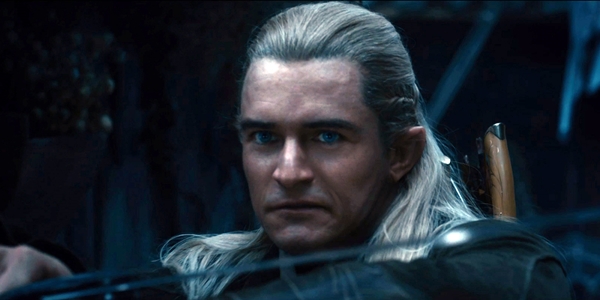
Special effects have allowed us to do increasingly extravagant things and about five to ten years ago we reached a point where it was assumed they were good enough to replicate live action on a mass scale. The likes of The Matrix Reloaded may have moved too soon, turning out pretty laughable, but now things are basically photorealistic. Well, within reason. Jurassic Park, Terminator 2 and The Lord Of The Rings still stand up as greats because of their balance and reserve; it€™s not all CGI because the directors knew it didn't look real. And, shocking for some, obvious for most, that€™s still true today. In Life Of Pi it was as clear when the tiger was real or computer as it was with Jurassic Park€™s T-Rex, while in The Hobbit any action that isn't in the set of the Shire or the establishing shots of New Zealand is clearly set against green screen. It€™s become one of the major ongoing criticisms of Peter Jackson€™s new Middle Earth trilogy that has come to the fore with the otherwise improved Desolation Of Smaug, rooted in his questionable approach; unless the actors directly physically interact with it then it doesn€™t matter how it€™s reaised. Anyone who€™s witnessed molten gold (or, in fact, anything that isn't a dragon) will know that€™s not always the best method. Jackson and Weta thinking they can do anything, leading to a trilogy with effects that have already dated more than Lord Of The Rings.

9. We€™re All Much More Excited For 2015

2013 is a mixed bag for cinema. The Oscar releases that bookended the year were remarkable, but the big budget spectacle was incredibly repetitive, with the blockbuster season peaking at the very beginning with Iron Man Three. On the face of it the feeling should be optimism towards next year. 2014 promises an outstanding awards season, followed by some great bigger releases; X-Men: Days Of Future Past, Dawn Of The Planet Of The Apes and Godzilla have all set their stakes with amazing teaser trailers. But while there€™s some good stuff next year, all eyes are looking beyond. In 2015 we get Star Wars 7, Terminator 5, Avengers 2, Batman Vs. Superman (or whatever it ends up being called), Hunger Games 4, Jurassic World and Bond 24. Yes, they€™re all sequels, but they€™re the ante uppers each of their franchises need and make 2014€™s most anticipated release (tied between The Hobbit and Christopher Nolan€™s Interstellar) look positively small fry. This is a problem with blockbuster productions being so open from the off; we know what€™s coming so far in advance that when it arrives it feels rather inconsequential. Coming into 2013 the next two years were already in stiff competition, but the more we learn the more it seems like 2014 will be filler, with the standouts being exceptions, not the rule.

8. Neill Blomkamp Fails When He Inches Out Of His Comfort Zone
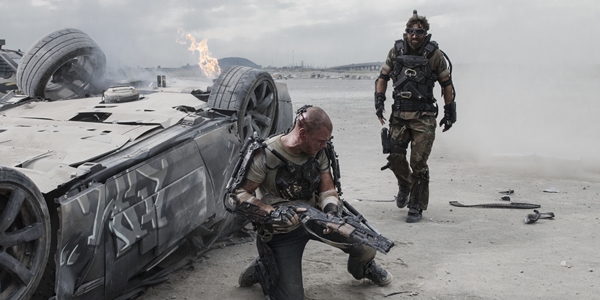
District 9 perfectly melded emotional drama and gritty action in a manner that seemed to be in the past of cinema. What makes this really remarkable is that the film, which nabbed a surprising Best Picture nomination at the Academy Awards, is a consolation prize. Neill Blomkamp was originally set to bring the Halo movie to life, with Peter Jackson gifting the budget for the apartheid allegory to the seemingly talented director once the project was scrapped. Subsequently everyone waited excitedly for Elysium to hit. With more social commentary and the opportunity for some creative sci-fi designs it seemed set to be an essential 2013 film. Instead it was an identikit thriller. With shaky cam interspersed with slow mo action, a boring crutch of childhood based destiny and a message incredibly overt yet completely unexplored it was one of the year's major disappointments. And not just on a surface level; it shows that Blomkamp may not be as visionary as we originally praised. The social element of District 9 was very close to the South African€™s awareness and thus came with real understanding, while Elysium€™s class divide is a general issue and is kept at arms length. On the design front, everything was so heavily reliant on Halo; District 9 had a couple of FPS inspired shots, but everything here was straight out of Master Chief€™s adventures. Once Blomkamp left the safety of his interests he had nothing new to give us.

7. People Do Prefer Franchises To New Ideas After All

Before each and every summer audiences are quick to moan that the blockbuster season is chock full of nothing but sequels, spin offs and reboots of existing franchises. Where oh where has creativity gone? Hardly a new complaint, things are a lot better now than they were a couple of decades ago. There are certainly some bad sequels, but we€™re also getting some bloody good ones too, with the rule of ever decreasing budgets a thing of the past. Add on to it a sizable amount of new and interesting projects and 2013 could have been the year to show there can be a balance. Well, it wasn't. I did a list just as the summer was kicking off showing ten big, upcoming films that weren€™t sequels and most either made a loss or an incredibly unremarkable profit. The one thing people seem to hate more than a dearth of ideas is having to risk their money watching an unproven one. It seems silly given how bombastic and broad Pacific Rim was, but because it and its ilk struggled studios are increasingly less likely to greenlight completely new concepts. And thus the cycle begins again.

6. Pixar€™s Production Issues Continue

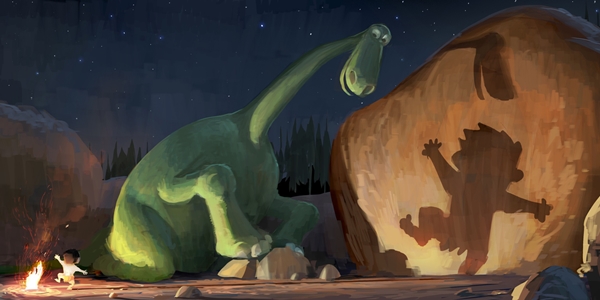
Pixar may still hold its title as a near-perfect animation studio, but the past couple of years have been pretty rocky. The double whammy of Best Picture nominations for Up and Toy Story 3 was followed up by the muddled Cars 2 and pretty but flat Brave. What both of those films had in common was a troubled production; both (although Brave was more public and had greater effect on the finished product) had the director ousted in favour of a more assured stalwart. Monsters University, with its anti-convention message and unflinching de-aging of Mike and Sully (who are far from the lovable heroes we once knew) seemed to put the studio back on track. That is until the unthinkable happened. The Good Dinosaur, the tale of an alternate history where the destructive meteorite never hit, first hit a snag when director Bob Peterson was removed after a continuing struggle with the film€™s ending. This was followed with the shocking move of the film€™s release date to late 2015, making 2014 the first year since 2005 to not have a Pixar movie. What makes this incredibly worrying is that Peterson has been with the giant since Toy Story (previous kicked off directors had joined up much later), suggesting things aren't all cereal and whimsy in Emeryville.

5. Johnny Depp Has Chose His Side (And It€™s Kooky)

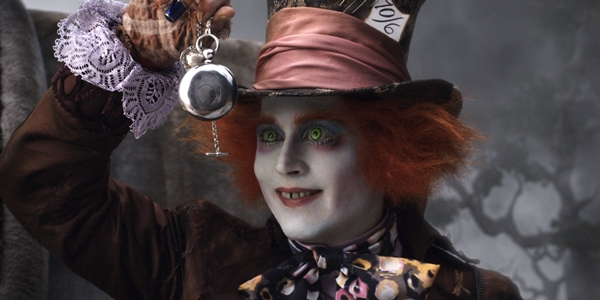
For the past decade Johnny Depp has defined himself by bipolar career choices. Well known to general audiences for his eccentric Jack Sparrow, eccentric Mad Hatter and eccentric Willy Wonka, he€™s impressed with turns as John Dillinger and J. M. Barrie and even twenty years on still carries much love from Ed Wood and Gilbert Grape. He always seemed happy to balance the mainstream with more 'worthy' efforts, but it seems things aren't going to stay that way. Announcing in July he is toying with the idea of retiring in a few years his upcoming projects could easily become a large part of his legacy. And while there is Wally Pfister's Transcendence which looks like a less flamboyant outing, we can still expect another Pirates Of The Caribbean and Alice In Wonderland in 2016 which means there€™s really an eccentric slant to all this. You may say he€™s just taking opportunity of the offers he gets, but he only signed onto the planned Wonderland sequel after The Lone Ranger bombed, suggesting a desire to salvage his box office clout. Just as Andrew Stanton has gone back to Finding Nemo after fellow Disney flop John Carter (although hopes are higher for that) it€™s a favouring of anything over nothing just to stay in the limelight.

4. Universe Builders And Big Team Ups Are The Future Of Superheroes
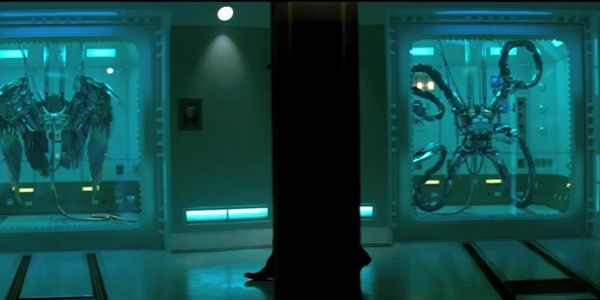
The Battle of New York changed everything in the Marvel Cinematic Universe, giving Tony Stark PTSD and inching The Collector closer to his goal. And, as well as showing not all blockbusters need to be sombre faced affairs, the film that contained it, The Avengers, changed everything in superhero movies. Marvel€™s current tact with their films is unprecedented in cinema, slowly building up a massive world within which the adventures of multiple characters occur, but don€™t expect it stay fresh for much longer. DC had always fancied following suit by heading towards a Justice League movie and, after the setbacks of The Dark Knight Rises retiring Bruce Wayne and Green Lantern butchering the character in audience€™s eyes, it looks like they're getting their wish by throwing Batman and Wonder Woman into the sequel to the disappointing Man Of Steel. And with both X-Men and Spider-Man, previously independent worlds, building towards team-ups (with the Fantastic Four and Sinister Six respectively) it seems if your film isn't building to something more then you have to ask yourself what the point is. It took just over a year from The Avengers for all these plans to surface; long enough for them to be worked over, but quick enough that it doesn't miss the trend. Considering how superheroes flicks have been smartly diverging of late it is a shame to see them head toward similar goals.

3. Mobiles In Cinemas Are All But Promoted

The Way Way Back was an entirely forgettable film that summarised various indie hits from the past five years that will succeed only with teenagers too young to have seen the films it is ripping off. Distributor Fox Searchlight seem to know this, going as far as to put an obnoxious clip before the film requesting audiences to tweet their thoughts. It doesn't seem worth getting annoyed, but in evoking using social networking, coupled with the loss of reminders directly before a film to switch off devices (the Orange, now EE, short before UK showings are now simple adverts rather than reminders to turn off your phone) we€™re getting closer and closer to it being totally acceptable to have your phone used in a movie. Mobiles are much more than a sound nuisance; their light in a darkened screening is one of the most frustrating distractions to have during a showing. And with smartphones constancy improving, in turn leading to an increasing dependence, it's becoming an ever more common occurrence, to the extent the regular cinemagoer doesn't realise what their doing (on separate occasions I've heard people actually take calls in the middle of films). With the EE and Way Way Back issues as fuel, Mark Kermode has repeatedly voiced having special phone friendly screenings to alleviate this, but given how it€™s only been pushed to the fore this year expect it to take a while for cinemas to deal with it, if at all.

2. Blockbuster Season Is Still Expanding

Traditionally the blockbuster season was summer. Kicking off in May with the big hitters (originally the last week a la Star Wars) and running through until August where the riskier stuff arrived, it was a big chunk of the year, but left enough time for interesting projects to make their way into multiplexes. Of course, slowly things have changed. The August limit (before children return to school after the summer) has already been reached and the May start dates have already fallen back through the month. But recently Marvel have slowly pushed their summer release back into April; next years Captain America: The Winter Soldier is kicking off 2014€™s blockbuster onslaught even earlier than Iron Man Three did this year. Beyond this, we€™re getting a secondary blockbuster period forming later in the year where more genre outings (Hunger Games, Thor) and large scale epics (Avatar, Hobbit, Star Wars) get shown. This has really grown in the past couple of years and is set to continue. The may not seem like a bad thing initially given the quality, but they will start to push many more niche films, whose awards hopes hinge completely on exposure, out of the cinemas. Ultimately though, this wouldn't be a disappointing thing if it wasn't€™t for one upsetting fact...

1. Utter Crap Still Makes A Profit

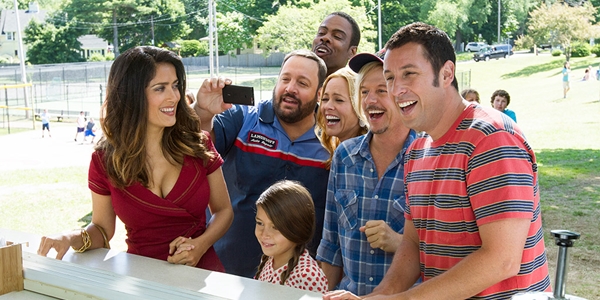
The highest grossing film of the year since 2008 has also been one of the best received; The Dark Knight, Avatar, Toy Story 3, Harry Potter 8, The Avengers, Iron Man Three all got there thanks to a mix of wide appeal and overall quality. You could use this to say that in general big films are improving, but if you move down the list of box office giants things become less endearing. There€™ll always be critic proof movies - the likes of Transformers that will survive no matter what the professionals think - but what€™s disturbing are the films that you wouldn't think are immortal enough to fit in that category. This year Grown Ups 2, G.I. Joe: Retaliation and The Smurfs 2, each one following up on what can at best be described as minor successes, all netted a good amount of cash. When did sequels to mass disappointments become sure things? There is the increasingly difference between critics and audiences (just look at how The Hobbit: An Unexpected Journey is regarded), but no one would stare at you funny for saying those three films are dire. So with poor word of mouth, why the success? What marks them out from other big hitters is that they€™re light hearted. Look at the box office for 2013 and it basically alternates from serious to comedy every entry. And anyone can tell you blockbusters are geared towards bleakness. If there€™s not enough good light hearted films for audiences to see then they€™ll go watch the poorer stuff. To many watching rubbish is better than watching nothing and thus to the studios there appears to be a demand for all this tat. The real issue here is the casual filmgoer; the people who don€™t know the state of the industry, don€™t care what€™s over a month away and only catch a film once in a blue moon. Collectively they form a larger part of the audience than fanatics and thus their choices bring more sway. If one week the choice is G.I. Joe, a cheery flick advertised everywhere (and starring The Rock), or Trance, a serious film with an odd poster, the choice for them is obvious. The impetus is on the studios to provide more variety, but if the current method makes them money, why would they want to change it? What disturbing things did you learn about the movie industry this year? Let us know down in the comments.

Contributor
Contributor

Film Editor (2014-2016). Loves The Usual Suspects. Hates Transformers 2. Everything else lies somewhere in the middle. Once met the Chuckle Brothers.