10 Legal Problems Superheroes Don't Like To Talk About
5. You May Be Liable For Any Property Damage Incurred
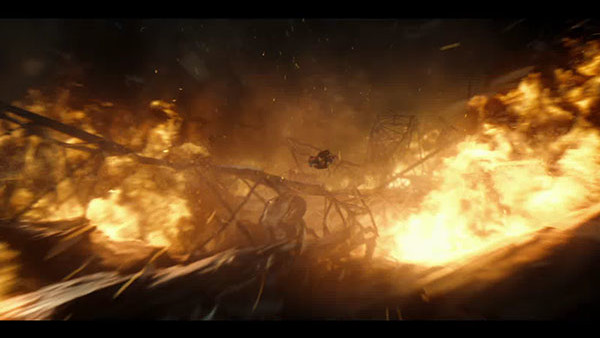
The big issue that kicks off the conflict in both this summer’s tentpole superhero flicks, Captain America: Civil War and Batman Vs. Superman: Dawn Of Justice is collateral damage: specifically, the question of culpability for the effects of previous massive superhero battles.
This is property damage and loss of life on a scale normally solely attributable to natural disasters. For example, estimates place the damage to midtown Manhattan after the Chitauri invasion in The Avengers at around $160 billion - nearly the total cost of Hurricane Katrina and the September 11th attacks combined. Meanwhile, the damage to Metropolis has been estimated at nearly five times that amount.
Interestingly, in the comics these movies use as source material, it’s likely that - at least, financially and practically - these issues have all been resolved in law by now. After all, both DC and Marvel have been running their separate shared universes for decades now, and in a world where super-fights and massive property damage are normal - with all the resulting damage to the country’s infrastructure that goes along with that - there’s no question that insurance, tort and basic liability will have been refigured to make allowances for it.
In the MCU and the DCCU, however, this kind of thing is new and alarming. The law isn’t likely to have caught up yet, and most insurance policies will exclude acts of war, which is what Loki and Zod will be considered to have committed. If their only recourse is ordinary litigation, there are any number of legal avenues available for people to gain restitution from careless superheroes or villains - such as Superman, who’s really the only one left after the events of Man Of Steel that someone could litigate against.
Of course, there are also any number of defences to those avenues, and realistically, you not only have to find a way to serve papers on a potential defendant, but also to enforce any judgment that the court makes. Some masked men and women are more difficult to hold accountable than others.
For example, the Avengers would almost certainly avoid litigation entirely on the basis that they were acting as deputised S.H.I.E.L.D. agents at the time. S.H.I.E.L.D. will be considered covered under the same exemption from civil claims that exists to protect the US army, navy and coast guard from litigation when engaged in wartime activities. You can’t sue the US Marines; you can’t sue S.H.I.E.L.D., and by extension the Avengers.
As far as enforcement goes, if the court were to find against Superman and declare him even partially responsible for the mess made out of Metropolis and the hundreds of thousands of casualties, the judgment could make quite a dent in the Fortress Of Solitude’s equity.
He’s the kind of guy who’d find a way to pay it, too - however, if Thor were held legally accountable for property damage incurred in Greenwich at the climax of The Dark World, it’s likely that a UK court would find the Asgardian god of thunder considerably less willing to play ball.