Why This Horror Movie Sequel Defied Expectations
A sequel to Psycho should never have worked, but over 40 years on, Psycho II remains one of the greatest horror follow-ups ever made.
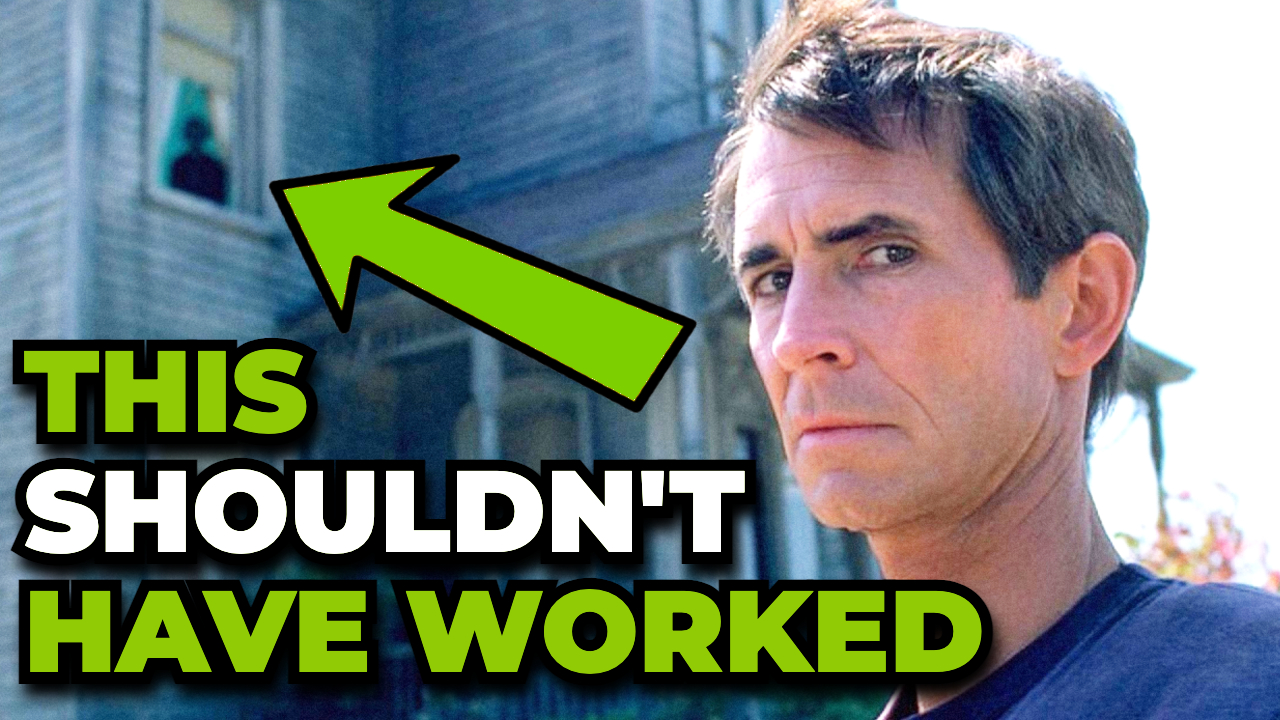
Over the last 100 years or so of the movie business, there have been a whole ton of movie sequels that, in somewhat harsh terms, have no business existing. There have been plenty of great follow-ups - some of which have managed to return to the crime scene so successfully that they actually eclipse their predecessors - but there's a reason why the trend of sequelisation has historically been greeted with disdain. To sequelise is, on paper, to reiterate - to exploit what came before in favour of producing something original - a process the horror genre is more than intimately familiar with. Seminal horror sequels have emerged from this process, but for every authored masterpiece like The Exorcist III, there are about a dozen Exorcist IIs - follow-ups so predictably bad that it's a wonder they exist in the first place.
Exorcist II: The Heretic was a sequel that had no business being a sequel - a follow-up to an Oscar-winning film made without the involvement of the original author (William Peter Blatty) or the first film's director (William Friedkin). In its case, the prestige of the source material compounded its disingenuous vibe. No matter the sincerity of its director, John Boorman, Warner Bros.' decision to sequelise an Academy darling was nakedly commercial. It would've been like making a sequel to Alfred Hitchcock's Psycho.
Or would it?
While Exorcist II: The Heretic has gone down in the annals of movie folklore as an all-timer of a failed attempt at kickstarting a horror franchise, another sequel to a prestigious Hollywood classic - one that released over two decades after the original, in fact - is in receipt of a much more generous consensus. This is despite said sequel building upon an even loftier legacy, from an even more revered filmmaker, and being rooted in a genre that, at the time of its release, was then firmly in the midst of saturation.
Even its title feels like anathema to good taste, and yet, despite the odds, Psycho II remains one of the greatest and most surprising horror movie sequels ever made...
[Article continues on next page...]
How Psycho II Did The Impossible
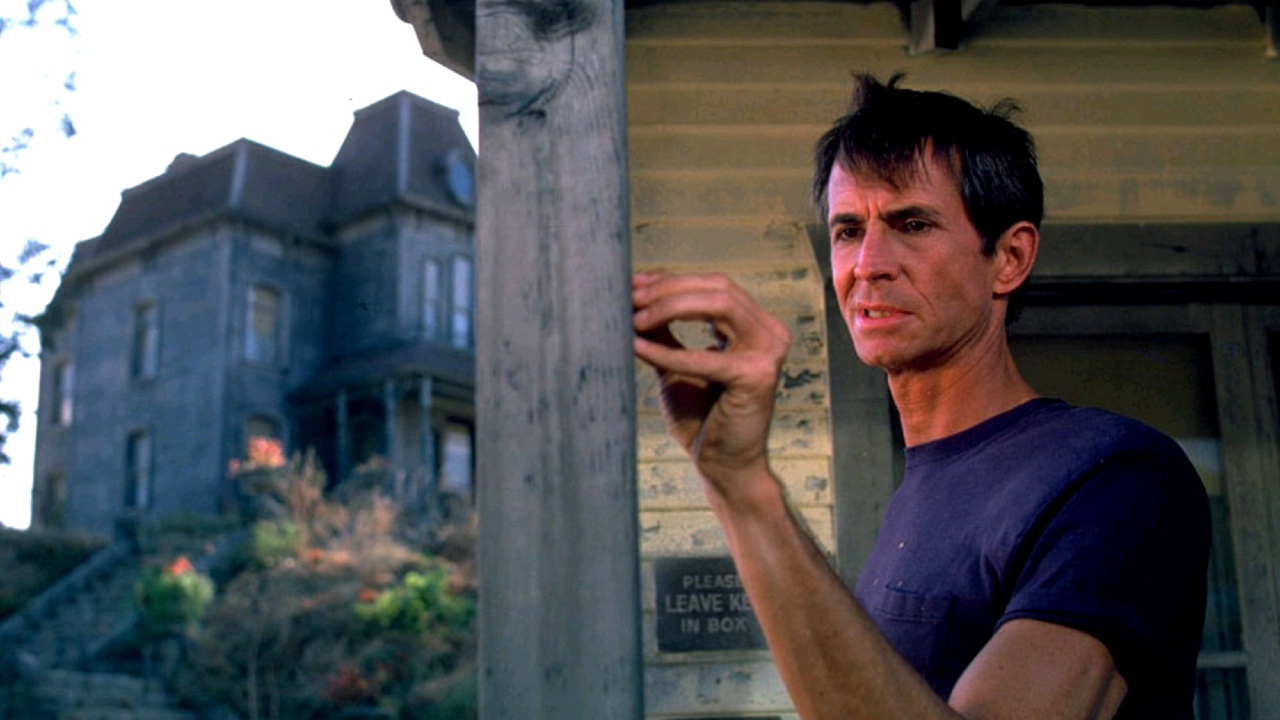
Released in 1983 - a full 23 years after Hitchcock's seminal original - Psycho II had the unenviable task of honouring a cinematic monument. The first Psycho was widely regarded as one of the greatest and most revolutionary films from one of the century's greatest directors, but more than that, it also marked a moment of genre and pop-culture recalibration.
Beyond its raw violence and psychosexuality, Hitchcock's film also enshrined Wisconsin murderer and grave robber Ed Gein - the inspiration behind the murderously repressed Norman Bates, played by Anthony Perkins - in cinematic folklore, laying the groundwork for the likes of Tobe Hooper's The Texas Chain Saw Massacre and John Carpenter's Halloween in the 1970s and The Silence of the Lambs a further two decades later. Its legacy was imperious, and with Hitchcock having passed away in 1980, a follow-up ran the risk of appearing increasingly desperate - especially after the original novel's author, Robert Bloch, published his own sequel with the express intent of satirising Hollywood's slasher obsession.
But despite all the scepticism, the commercial cynicism of the project and its apparent lack of authorial legitimacy, Psycho II had a secret weapon - a young, Australian director who had gotten to know Hitchcock and whose previous film had homaged the Master of Suspense in novel and compelling ways.
That director was Richard Franklin, and his last effort, an outback-set road thriller co-starring Stacey Keach and Jamie Lee-Curtis called Roadgames, was wedded to the same suspenseful formula Hitchcock had pioneered. Roadgames borrowed much of its imagery from Psycho and its narrative components from various Hitchcock trademarks, including its fish-out-of-water protagonist and a blossoming romance brought together by mystery. It remains one of the great road thrillers of the 1980s, but it also served as a perfect test-run for Franklin to step into Hitchcock's shoes and cross the threshold of the Bates Motel, which he did with the help of screenwriter Tom Holland following the publication of Bloch's novel.
Holland's script took Psycho II in a different direction from Bloch, but it wouldn't be a rehash. Instead, Holland developed a story that subverted the original film and its approach to mental illness, positioning Norman as an apparent protagonist, released, rehabilitated, and trying desperately to maintain his recovery.
[Article continues on next page...]
Psycho II Was A Legacy Sequel Before We Knew Them
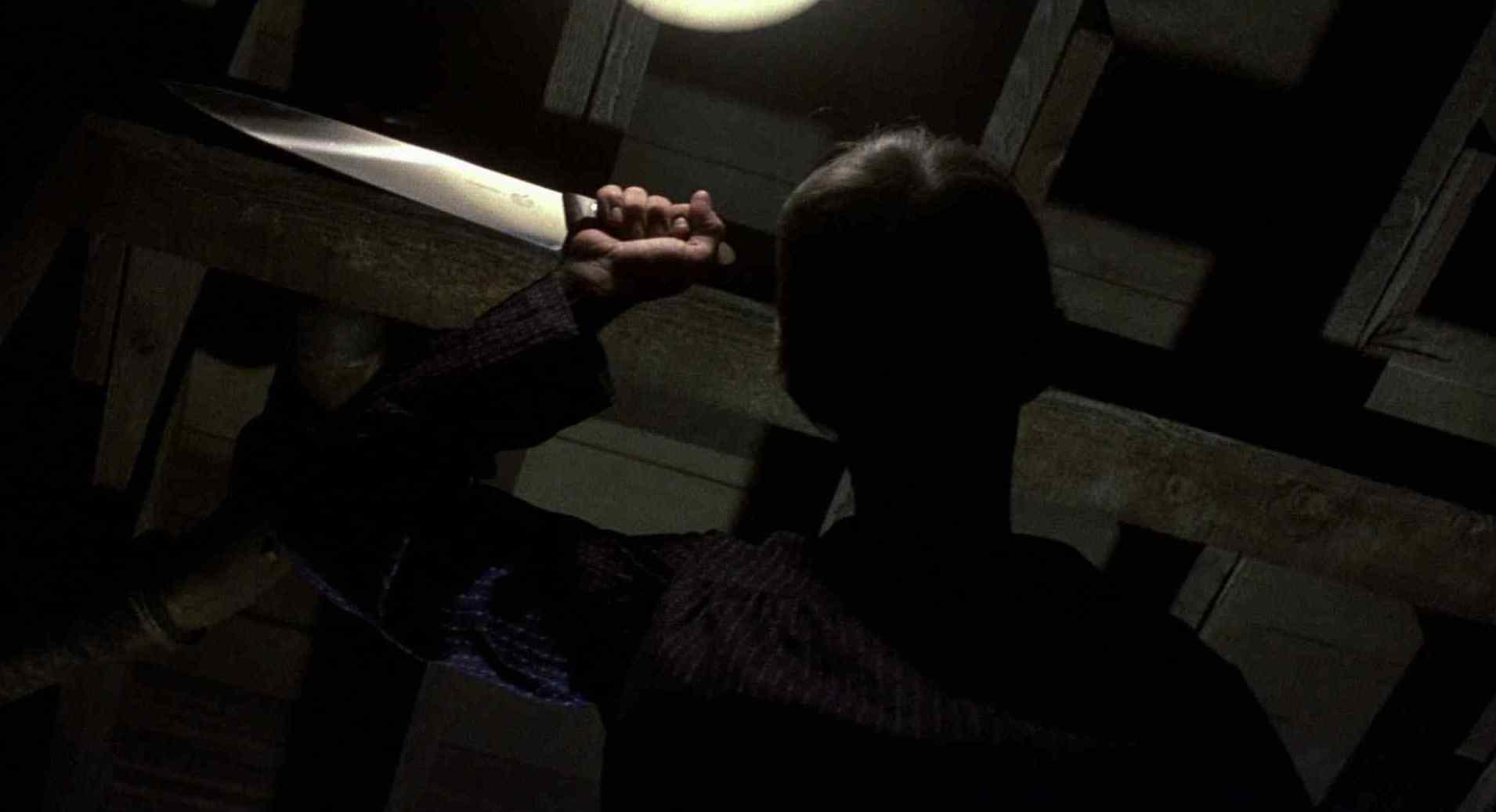
The dynamite wrinkle here is how Holland's script toys with the idea of Norman's relapse; from the moment he's released, Norman is dogged by suspicion and rejection from the neighbouring townsfolk, including Lilah Crane (Vera Miles), a relative of his most famous victim, Marion (as played by Janet Leigh in Hitchcock's original). When bodies start dropping and Norman's grip on reality seemingly begins to wane, we're left with two frightening scenarios: is Mother actually back, or is someone conspiring to push our humble motelier king over the edge?
It was this particular aspect that led to Anthony Perkins' return as Norman, with his presence fully selling Psycho II as a thoughtful and compassionate depiction of mental illness and recovery. It ends up being a remarkable character study - one that not only cleverly engages with questions of nature versus nurture, but that reopened a door for Perkins to re-embrace the Bates legacy. Perkins would reprise the role of Norman on two further occasions - even directing the first of these, Psycho III - before his deeply unfair and untimely passing in 1992. There is an element of catharsis to his reprise here, to that end. It's a legacy reconsidered, and one that allowed Perkins to take his portrayal of Bates in fascinating directions.
On both a meta-textual and more thematic level, Psycho II is a sequel fully enmeshed in legacy. There's the legacy of the first film and its impact on the genre, there's the legacy of Norman Bates and his taxidermy-filled motel of horrors, and also the legacy of mania and trauma - how their currents ripple through time and upend generations. We see this both in Norman and those affected by his historical crimes - how he attempts to return to a place of sadness and breathe new life into it, all the while dealing with suspicion and potential sabotage by figures just as consumed by the past. The tragedy is that Norman has no hope of rehabilitation - he's doomed to play the part society expects him to - a depressing reflection of mental stigma and the political currents that equate punitive revenge with ideas of justice.
As a further complement to these themes, Franklin and cinematographer Dean Cundey (a regular collaborator of John Carpenter's) photograph the sequel with a mixture of straight homage and a more unvarnished approach to violence. There are some big, operatic swings reflective of Hitchcock's original - particularly in the staging of the Bates Motel and Mother's house looming oppressively overhead - where the psychology of Norman is writ large, but the film overall is a lot more naturalistic in approach. This is no doubt a natural consequence of the shift from black and white to colour photography, but it also feels like a considered choice to intimate its subversion of the first Psycho's theatrics.
Not that the film is totally absent of those either. In fact, quite the opposite. If Psycho II is a tragedy, then it's one of escalation and momentum - where Norman is poked and prodded to the brink by an unseen force. It is in these moments of instability that Cundey makes the shift to jagged angles, dizzying dolly shots, and extreme close-ups, hewing closer to Hitchcock's style in a way that lays bare Norman's instability. All of this gives way to an immaculately gothic collection of frames in the finale, with the Bates home cast in shadow and lightning, and Norman cutting a ghoulish figure out in front.
[Article continues on next page...]
Psycho II Isn't A Masterpiece, But It Might Be A Miracle
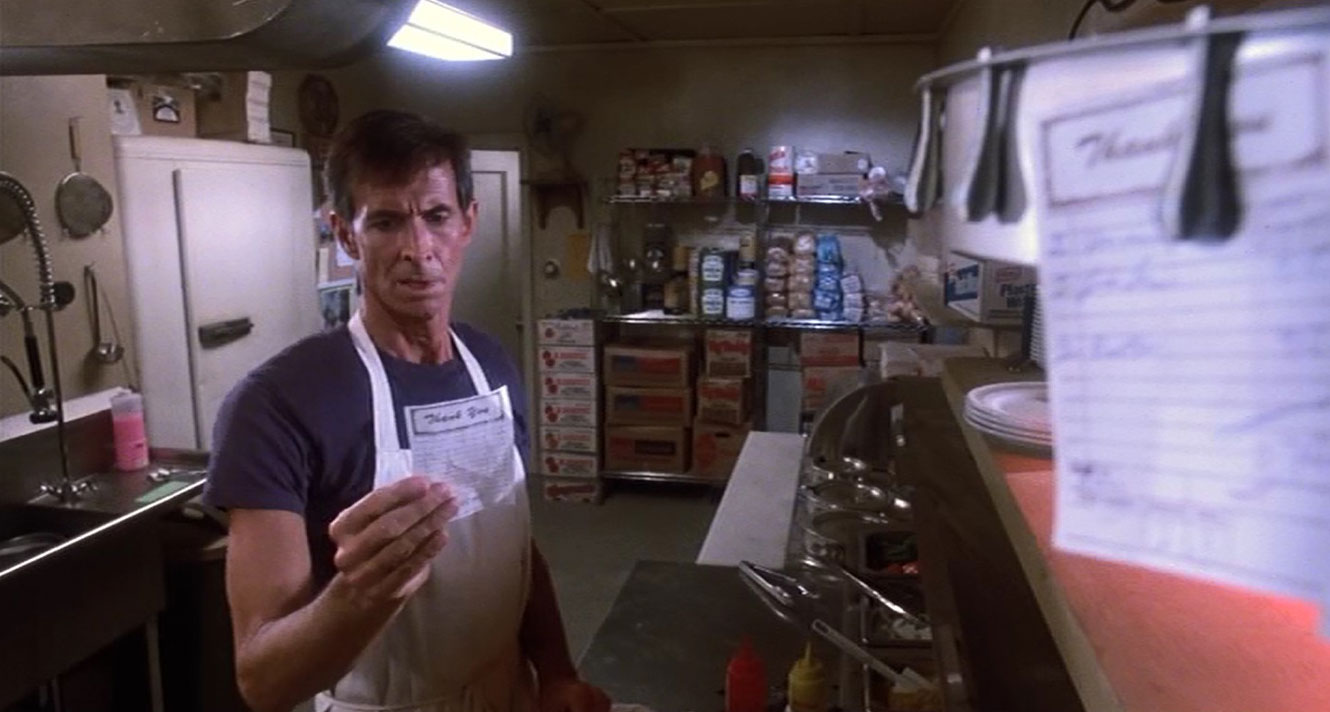
I'd go as far as to say that the final sequence of Psycho II is one of the most satisfying in the genre's history - a moment of cathartic self-immolation and release that honours the legacy of a filmmaking pioneer.
Contemporary critics, however, were not so hot on Franklin's film. Chief among their concerns was the violence, with Psycho II boasting a bigger body count and more blood than Hitchcock's (mostly) bloodless original. Chalk it up to old-school newspaper squirmishness or genre snobbery, whatever, the odds that Psycho II was going to get given a fair shake were dramatically low given Hitchcock's prestige and the glut of slashers that were being produced at the time, and while there were a few positive notices from the likes of Variety, the road to Psycho II's acclaimed status has - like all too many of its peers - been long and winding.
Today, it's considered something of a cult classic - a flawed but exceptional horror sequel whose quirky existence belies its deeper nuances. It isn't without its shortcomings - particularly when it comes to its opening remix of the shower sequence and the somewhat convoluted final act - but Franklin's film remains a fascinating picture that honours Hitchcock's legacy in a touching, but also genuinely freaky way.
It is, in essence, an accomplished high-wire act - a sequel tethered to one of the most sacrosanct pictures of the post-war era, but one that emerges with its head held high, and a knife raised confidently just above it.