10 Movie Scenes That Led To Massive Lawsuits
All because of that damn tattoo.

The high-stress, high-cost, high-risk nature of filmmaking means that there are always going to be accidents on-set...and there are always going to be those litigious cockroaches scuttling out of the woodwork looking for their piece of the pie.
It's not uncommon for major Hollywood movies to receive their fair share of lawsuits, whether justified or not.
Who can forget the woman who sued the producers of the Ryan Gosling movie Drive for "mis-marketing" it as a Fast and the Furious-type action film?
But often suits are filed off the back of specific scenes which either affected the cast or crew involved, or otherwise allegedly harmed the finances or reputation of a related party.
These suits can range from the reasonable, to the questionable, to the flat-out frivolous and ridiculous, from understandable requests for compensation to blatantly outlandish attempts to fleece a production for some fast cash.
Some of the lawsuits were dismissed while others settled out of court and a few are even still ongoing, but each proves just how easily a careless working environment can lead to an exhaustive legal fight...
10. Frat-Boy Racists Get Outed - Borat
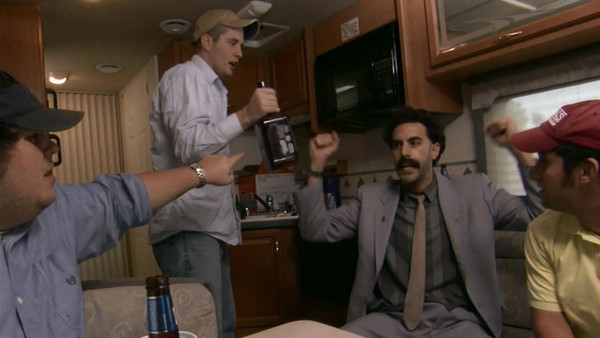
It's not terribly surprising that Sacha Baron Cohen's outrageous satirical mockumentary resulted in a number of lawsuits, with numerous "participants" alleging that they were misled about the nature of filming.
But the legal case that took the cake stemmed from the infamous sequence where Borat (Cohen) hangs out with a trio of boozed-up frat boys who end up making racist remarks.
Two of the University of South Carolina students featured, Justin Seay and Christopher Rotunda, sued the producers citing defamation, that the film had impacted their ability to secure jobs, and that they were fed alcohol while under the belief that the footage would never be shown in the U.S.
Seay and Rotunda were seeking to be cut out of the film's DVD release, though the suit was ultimately dismissed in February 2007.
9. Motorcycle Stunt Gone Wrong - Resident Evil: The Final Chapter

While filming a scene for the sixth and "final" Resident Evil film, in which protagonist Alice (Milla Jovovich) rides her motorcycle across the post-apocalyptic zombie wasteland, stuntwoman Olivia Jackson received life-changing injuries when her motorcycle collided with a camera crane which had been lowered too early.
Jackson was left in a medically-induced coma for two weeks, while the extent of her injuries included a "degloved" face, crushed facial bones, a severed neck artery, broken ribs, torn fingers, nerve damage in her spinal cord and the eventual amputation of her thumb and paralysed left arm.
Jackson inevitably filed a suit against the producers, including director Paul W.S. Anderson, citing that the production "[elevated] financial considerations over safety."
She further claims that she was asked to do the stunt last minute with minimal prep in poor weather, and was misinformed post-injury by the producers about how extensively her medical coverage would support her treatments.
Jackson is seeking unspecified damages, and while the lawsuit is still ongoing, the extent of Jackson's career-ending injuries makes it likely that the mammoth franchise - which boasts $1.23 billion in global box office - will be making a substantial pay-out to her.
8. Bryan Singer's Questionable Gas Chamber Shower - Apt Pupil
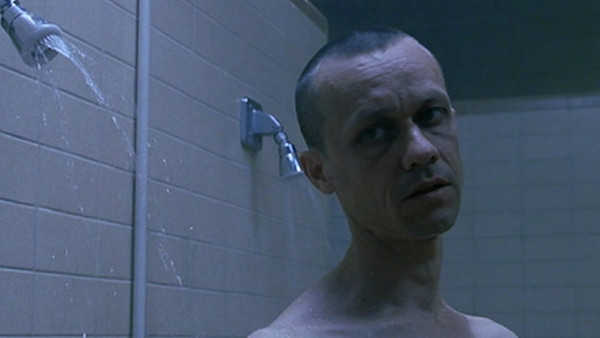
Bryan Singer's 1998 psychological thriller Apt Pupil features a sequence where 16-year-old high school student Todd Bowden (Brad Renfro) imagines his showering classmates as Jewish prisoners in the gas chamber of a concentration camp.
Two weeks after the scene was filmed in California's Eliot Middle School, a 14-year-old extra filed a lawsuit claiming he was told to strip naked for the scene and refused to do so. Later, two other boys aged 16 and 17 made similar claims, one complying with the request and the other not.
All three boys claimed the experience traumatised them and filed for damages against the filmmakers on the grounds of emotional distress, negligence, and invasion of privacy.
Despite considerable press fervor, no charges were pressed due to insufficient evidence, and Singer ended up re-shooting the scene with adult actors to ensure the film was completed on schedule.
In the two-plus decades since the film's release, however, numerous additional, unrelated suits have been filed against Singer citing sexual abuse, and earlier this year, a damning article was published in The Atlantic alleging a history of predatory sexual behaviour on Singer's part.
As of yet, Singer has never been convicted of a sexual crime, though it's looking increasingly likely that his career as a major Hollywood filmmaker is effectively over.
7. John McClane's Black & Decker (Or Lack Thereof) - Die Hard 2: Die Harder

The lawsuit that befell the producers of Die Hard 2: Die Harder is an especially interesting case, because it stems not from a scene in the movie, but one that was filmed yet ultimately cut from the theatrical release.
With the sequel's budget skyrocketing to $70 million - 2.5x the original's modest $28 million - Fox sought relief by deferring to product placement, striking a deal with hardware tycoons Black & Decker to include their new Univolt drill in a scene for $20,000.
The scene was to see John McClane (Bruce Willis) use the drill to unscrew a duct at the airport, while Black & Decker mounted a Die Hard-centric promotional campaign, only to learn three days before the film's release that the scene had been cut.
The company sued for $150,000 in damages, citing a "loss of credibility," despite never actually paying the production the stated $20,000 in the first place.
Still, Fox eventually settled out of court, though curiously, the Univolt never showed up in any of Die Hard 2's released deleted scenes either.
6. Joey Jerks It Without Permission - Couples Retreat
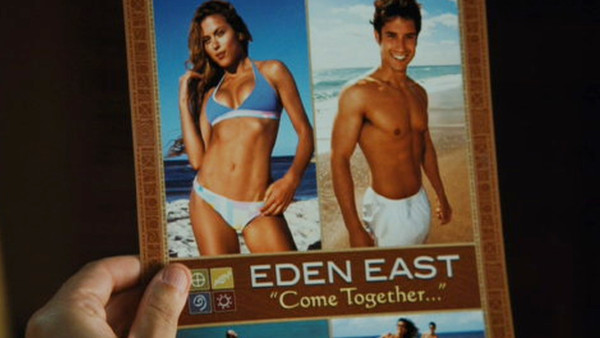
You'd be forgiven for forgetting that 2009's critically-panned rom-com Couples Retreat even exists, yet a scene in which character Joey (Jon Favreau) masturbates using a pamphlet featuring former model Irina Krupnik resulted in legal action against the film.
Krupnik filed a $10 million misappropriation-of-likeness invasion-of-privacy suit, claiming that while she signed a release on the picture a decade prior, for which she was paid $1,500, she never agreed to the "quasi-pornographic context" in which the image was used.
Hilariously, the suit went into needlessly specific detail about the scene, fixating on Favreau's unhealthy weight in the misplaced interest of "context." Unsurprisingly, the judge threw the suit out and she received diddly-squat for her efforts.
5. Microwave Defamation Drama - American Hustle
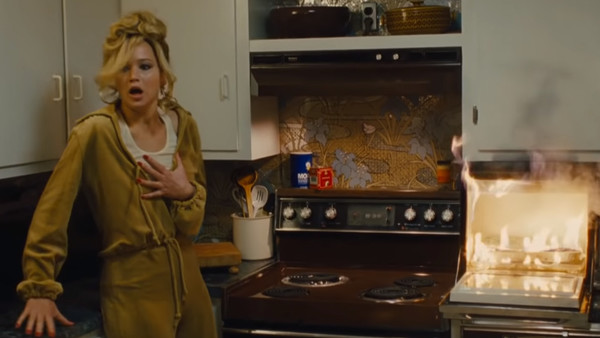
Movie lawsuits don't get much weirder or more unexpected than this.
In addition to receiving 10 Oscar nominations, David O. Russell's American Hustle was slapped with a lawsuit due to a scene in which Rosalyn Rosenfeld (Jennifer Lawrence) tells her husband Irving (Christian Bale) that she read an article by Paul Brodeur claiming that microwaves - or "science ovens," as she calls them - remove the nutrition from food.
Brodeur, a former science writer for The New Yorker, has published books on the apparent dangers of microwave radiation, yet sued the film's production for misappropriating Rosalyn's claim to him, because he has never suggested that microwaves reduce the nutrition of food.
Brodeur sued for $1 million in libel damages, alleging that the false claim in the movie had tainted his reputation.
Ironically, though, Brodeur more likely invoked the Streisand effect by drawing greater attention to a fleeting namedrop that your average viewer wouldn't ever remember otherwise.
The suit was ultimately dismissed, with the court deciding that audiences wouldn't take Lawrence's unreliable character seriously, while Brodeur himself had never held a firm written position on the nutritional aspect of microwaved food.
4. The Killer's Familiar Mask - Happy Death Day

Earlier this year, Universal was sued on the grounds that the Happy Death Day horror movies supposedly stole the distinctive design for the killer's mask - based on the mascot of the movie's fictional high school - from the New Orleans Pelicans' mascot, King Cake Baby.
The creator of the mascot, Jonathan Bertuccelli, sued Universal citing that they used the likeness without permission, seeking not only half the existing profits from both current films, but 50% of all future proceeds.
The lawsuit is ongoing, though opinion is sharply divided in the court of social media - some see the resemblance as uncanny, while others believe the cherub-like design isn't inherently original enough to warrant legal action.
3. Jerry Heller's "Defaming" & "Copyright Infringing" Depiction - Straight Outta Compton
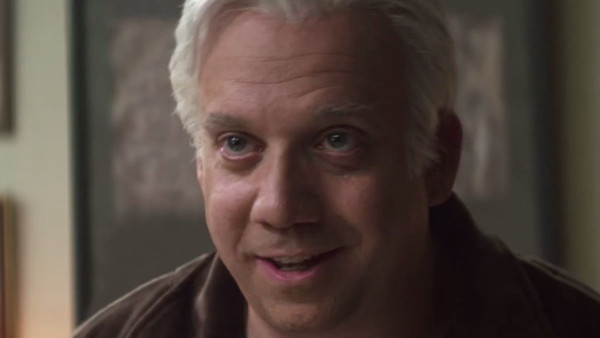
It was only inevitable that a film as incendiary as N.W.A. biopic Straight Outta Compton would receive its fair share of legal interest from the parties depicted, but none more so than the group's former manager, Jerry Heller.
Heller filed a 12-claim, $110 million suit against the filmmakers, not only citing a defaming misrepresentation of his character, but that material had been lifted from his autobiography without permission.
Heller believed the film painted him as "a sleazy manager who took advantage," though the defamation aspect of the suit was largely tossed in mid-2016.
Even though Heller died of a heart attack later that summer - which his lawyer claims was provoked by the stress of his depiction in the film - Heller's estate continued with the copyright infringement aspect of the suit.
Late last year, a judge dismissed it on the grounds that Heller's estate failed to establish his partial authorship of the film's screenplay,
2. Stu's Tattoo - The Hangover Part II

The Hangover Part II received several lawsuits, including an injured stuntman settling out-of-court and Louis Vuitton unsuccessfully suing for the inclusion of a fake handbag in one scene, but none proved more bizarre than the legal kerfuffle over a tattoo.
There's an hilarious scene in the film where Stu (Ed Helms) wakes up with Mike Tyson's distinctive tattoo plastered across the side of his face, prompting the tattoo artist who originally created the ink for Tyson, S. Victor Whitmill, to sue the production.
Whitmill claimed that the design was copyrighted, and that Warner Bros. never sought permission to use it, while the studio fired back that a tattoo, as residing permanently on a human's face, could not be subject to conventional copyright law.
Whitmill's outlandish request to prevent the film's release was rejected, while Warner Bros. made provisions to digitally alter Stu's tattoo if the lawsuit ended unfavourably for them.
In the end, Warner Bros. settled with Whitmill for an undisclosed sum, and as silly as the suit might sound on paper, Whitmill had a point considering how extensively Stu's inked-up face was featured in the movie's trailers and posters, and that the comedic context was in large part authored by Whitmill's design.
1. A Prologue Gone Wrong Leaves Actress' Face Scarred - Ghostland

2018 indie horror film Ghostland was hit with a lawsuit following an on-set accident while shooting the movie's prologue sequence.
19-year-old actress Taylor Hickson, who played a young version of the character Vera, had her face disfigured while filming a scene where her character was banging on a glass window.
After being instructed to pound harder on the glass by director Pascal Laugier, it shattered and she fell through the window pane, resulting in Hickson being rushed to hospital and receiving 70 stitches, leaving her with permanent facial scarring.
Hickson sued the production in March 2018, citing work lost due to her injuries, and claiming that the production company - unfortunately named Incident Productions - didn't take basic steps to create a safe set, by using neither safety glass nor stunt doubles.
To further worsen the film's already negative wave of PR, its insensitive marketing campaign featured the protagonist with a stylised fractured face.
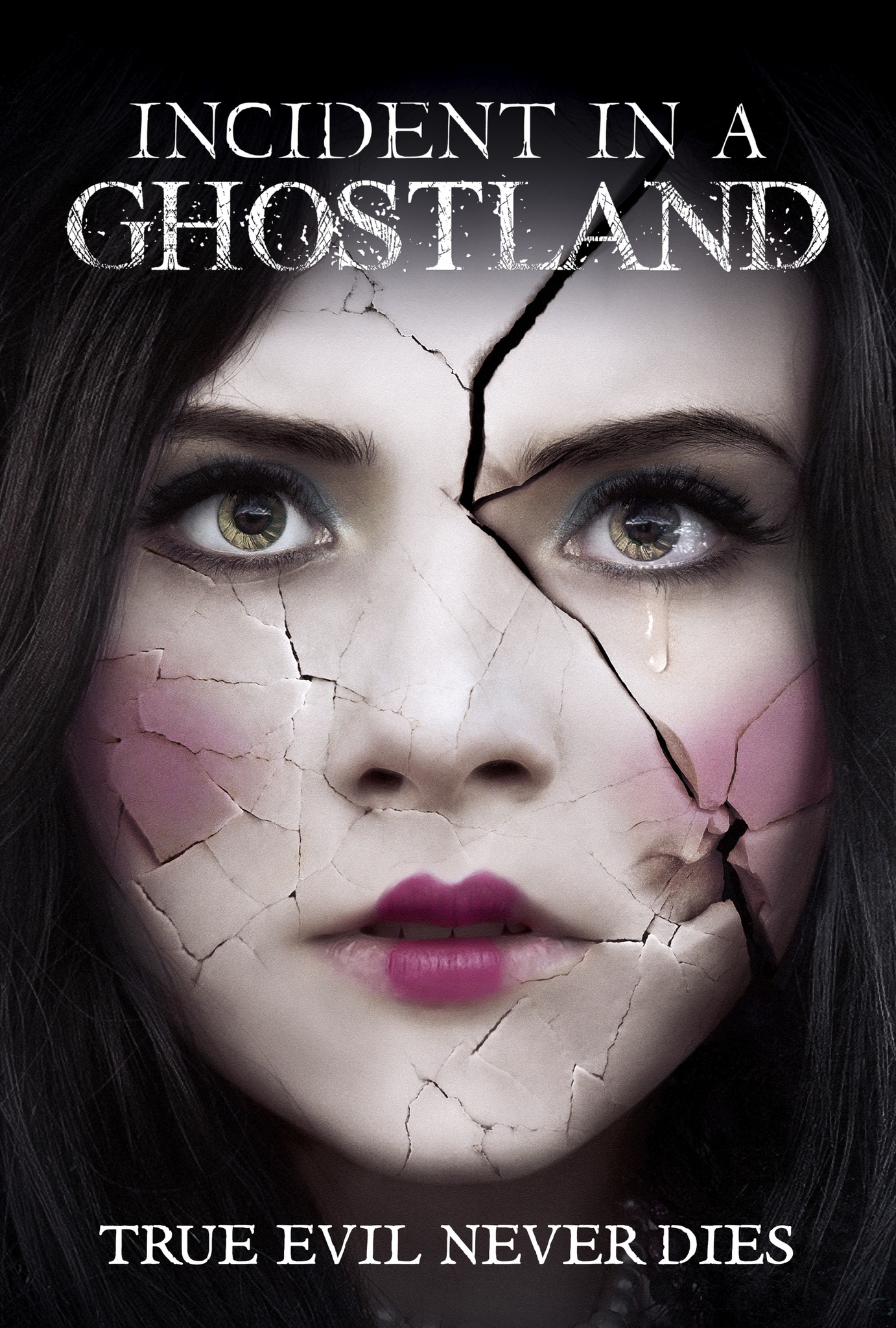
The lawsuit is still ongoing, though given that this seems like an incredibly clear-cut case of negligence, one can't imagine a judge ruling in the production's favour.