10 Movies Ruined By Fan-Boy Hate

When the film's reputation is ashes, you have my permission to reboot.
San Diego Comic Con has become one of the biggest film events of the year. For studios it's treated as both a high-profile location to announce new projects and a pre-release measure of a film's potential success, despite those in attendance forming only a small, unrepresentative part of a movie's eventual audience. In recent years such contradictory reactions include Green Lantern, whose early footage was initially well received and Avatar, with people who got a cheeky glimpse of James Cameron's behemoth quick to dismiss it. Even though they're a minority and clearly susceptible to hype, these fan-boys wield a lot of power. It was the reaction to a test-reel at SDCC that led to Disney going ahead with TRON: Legacy, a film with little appeal outside of die-hards who remembered the 1982 cult original. Thanks to the internet super-fans who were previously confined by geographical location have a much more direct line to those producing their beloved content and can have an influence of what gets produced. What's often less focused on is how these fickle types can influence what general audiences think. Here's a common situation; a new film comes out to general praise, but the more extreme fans sit in the corner grumpily moaning that it doesn't meet their high expectations. With loud enough grumbling this can actually shift public perception of a film. Here are ten movies whose reputations have been marred by fan hate.

10. Star Trek Into Darkness

For mainstream audiences J.J. Abrams first Star Trek film was delight, making a previously high-nerd property into something accessible. But in Wars-ing up Trek some of the more die-hard fans of the original series were left out in the cold. They weren't a massive group, but when you're dealing with a franchise that survived purely because of the most dedicated minority of the audience you have to try and keep them happy. Star Trek Into Darkness saw Abrams attempt to temper things with a plethora of in-jokes for Trekkies to uncover and a plot was more classic Trek. Unfortunately some pre-release snafus made it all look a little pandering. The lies about the identity of Benedict Cumberbatch's character were the centre of this, with all involved repeatedly telling us he was John 'definitely-not-Khan' Harrison. No one really bought it, with the increasing evidence that Into Darkness would bear more than a passing resemblance to franchise zenith The Wrath Of Khan convincing all he was really Mr. Noonien Singh. It all culminated in a twist that meant nothing and a plot the fans had seen before. The minority who didn't like the film became vocal (Into Darkness was recently voted fan's least favourite entry in the series) and, as is the norm when the super-fans don't like anything, anyone who listened to them assumed they were right.

9. Superman Returns

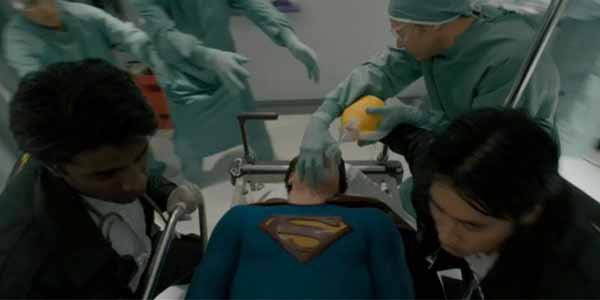
In an opposite of what will become the norm on this list, Man Of Steel was a film immediately shunned by the general public, with those who enjoyed it being staunch Superman fans who could look through all the rubble to see an attempt to rejig the character. But even if you did like Zack Snyder's attempt to remake Batman Begins, there's no denying the film was regarded as a disappointment. And with that as a backdrop, maybe now people will look back on the final film of the original movie continuity with a little more favour. Giving us a taste of Bryan Singer's love of writing crappy films out of existence (it's an alternate sequel to Superman II that replaces III and The Quest For Peace), Superman Returns is one of the biggest nostalgia trips ever experienced at a cinema. Lovingly reprising key elements from the Richard Donner (and Lester) movies and delving very much into the emotions of its characters, the film is certainly not the same action-fest most superhero movies are, but that really makes it fresh rather than boring. Fans weren't too engaged. Although was critically well received audiences weren't queuing round the corner and soon a backlash against the film formed, finding it too nostalgic, never escaping homage to stand on its own two feet. While it had the major handicap of being about one of the least interesting mainstream superheroes, the film's lack of any lasting legacy comes from fans pushing this complaint, ignoring that there was plenty in there for that whole generation who didn't grow up with the Christopher Reeve version of Clark Kent. Singer recently said if he had another go at it, he'd have started completely afresh. Now that really would have been a mistake.

8. Hulk

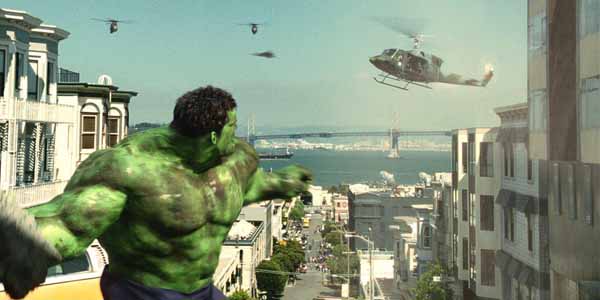
When Hulk arrived in 2003 the superhero genre as we know it was still in its infancy. Before X-Men heralded in the new age of comic book movies, superheroes (other than some choice examples from the World's Finest) were known for little more than cheesy action. This context is important when dealing with Ang Lee's take on Bruce Banner, an entertaining blockbuster that get's all but ignored. The cinematic rules for superheroes were woefully basic and this more ponderous take on a character really didn't speak to audiences who wanted Spider-Man-style action. This has always been an issue with the character - Bruce Banner's struggles with anger are more immediately engaging than seeing his indestructible alter-ego fight - and as the first of two failed attempts this one still gets much of the flack. Then you have some of Lee's more contentious visual decisions. Opting to invoke panels of comics at multiple points through the film is a novel concept, but to an audience to whom the wounds of Batman And Robin's camp were still raw something so garish really didn't excite. Having a film's visual style mimic the source was employed to acclaim in Life Of Pi, but in the much harder to please landscape of superheroes being adventurous didn't pay off.

7. Let Me In

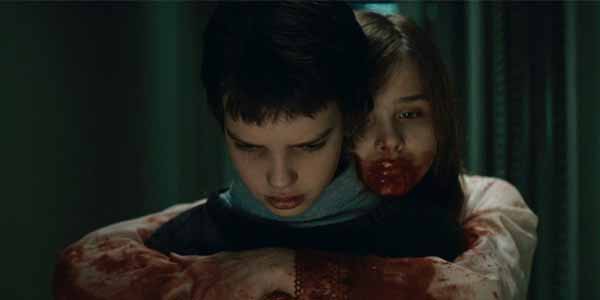
An English-language remake of a Swedish horror may not initially seem like the typical film to be susceptible to fan hate, but fan-boys don't always need to be comic book obsessives. Most Americanisations of foreign horror tend to be pretty poor, offering little more than a decreased sense of dread and caucasian stars. And naturally fans of those originals aren't going to be pleased seeing something they loved diluted and churned out for mass audiences to miss the point. So in many cases the reviews of Let Me In, Matt Reeves remake of the sublime Let The Right One In were written long before it was released. The film-makers staunchly denied that the film was actual a remake of Tomas Alfredson's beloved original, insisting it was a readaptation of the original source novel, although given that many of the same plot beats were used that's a shaky argument. That doesn't mean this is cynical as The Grudge or Dark Water though; there's real style to the film. Some moments, in particular an expertly shot car crash that feels like a precursor to the 360 degree tank shot Reeves employed again in Dawn Of The Planet Of The Apes, are novel in their own right and to dismiss the film just because of its origins was a mistake way too many cineastas made.

6. Twilight

Everybody rails against the Twilight series without really knowing why they hate it; most people haven't actually watched the films and when they have it's with a predisposed desire to find the whole thing ridiculous. As can be expected from a young adult franchise with very attractive leads, Twilight garnered a large, vocal and highly obsessive fan-base. Their strength was only rivalled by another subgroup of the audience; the Twilight haters. Unable to comprehend how pre-teen girls could adore something that held high appeal for pre-teen girls but not teenage boys or middle-aged men, a massive anti-Twilight wave swept the internet, which only served to make the fans more vocal, in turn increasing the haters strength and so on. When it became apparent that the mainstream appeal was negligible the films stopped trying to win people over, being made purely for the easy-to impress converts. And as you can expect that only made things worse, but so much of the hate/adoration of either camps wasn't based off the films themselves, but the strength of the other fanbase. Not only was the reputation of the first Twilight film, which was a convincing attempt at making a good screen version of the questionable book, totally ruined, but the strong hate meant that subsequent entries in the series got worse. That sucks.

5. The Dark Knight Rises

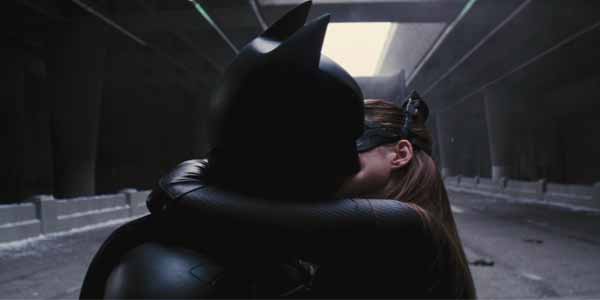
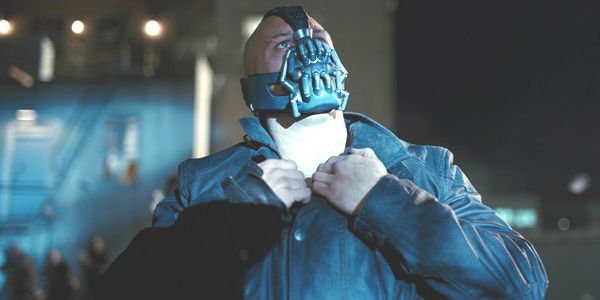
Christopher Nolan has one of the strongest track records in modern cinema. Over the past decade and a half he's delivered a string of smart, deeply plotted and beautifully shot movies that not only take critics to nirvana but also have mass audience appeal; it's no surprise his films have proved some of the most influential in blockbuster cinema. Of course, there'll always be detractors waiting for cracks to appear and with The Dark Knight Rises they seemed to have got their wish, with a tirade of fan hate washing over the internet following its 2012 release. There were some areas where the film could never win. Tom Hardy's Bane was never going to top Heath Ledger's Joker and the film's position left Nolan in a tricky spot; kill Batman and you risk annoying a good chunk of the fanbase, let him live and you're accused of wussing out. But as time's gone by complaints have been increasingly baseless, aimless jabs trying to make it the new Spider-Man 3. The Dark Knight Rises is, for our money, stronger than Batman Begins; the end of The Dark Knight Trilogy is much more confident and large in scope that the more conventional opener. Thankfully, compared to some on this list, the hate directed at Rises has stayed within in the fan group, meaning its reputation hasn't been as tarnished as some other examples.

4. Indiana Jones And The Kingdom Of The Crystal Skull
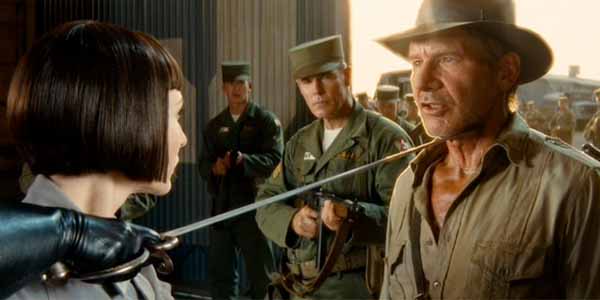
Woah, wait. Don't close the window. We're not jumping the shark (or nuking the fridge, boom boom) and actually suggesting that Indy 4 is a brilliant movie. We're merely saying that its reputation as an emblem of everything wrong with Hollywood's franchise resurrection model isn't totally fair. A film that feels very much like a throw-back, with a hero who can survive anything thanks to plot contrivance or poorly justified Hollywood science, boasting questionable special effects and a plain ridiculous MacGuffin that feels out of place if you're taking it all seriously. That may be how you tend to think of Kingdom Of The Crystal Skull, but we were actually describing Raiders Of The Lost Ark; the film is deliberately invoking the action serials of the thirties, while the finale literally sees God come down and kill the nazis. The fourth film has some serious problems - things are noticeably iffy when the mystique of the final resting place of the Ark of the Covenant is destroyed - but many of the major issues stem from something at the core of the franchise that just didn't translate to modern cinema. It's a weak entry in a great series, rather than the nadir of all cinema.

3. Halloween III: Season Of The Witch
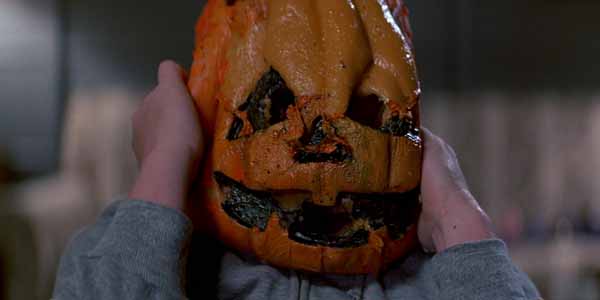
The third Halloween film tells about an evil corporation who plan to use their Halloween masks to kill millions of children in sort of pagan ritual. Your reaction to that is probably similar to general audiences at the time; where's Michael Myers? After Halloween II properly rounded off the Michael Myers story (both the killer and Sam Loomis are dead) series' creator John Carpenter was finished with the character. Universal naturally wanted to bleed the Halloween name for all they could, but Carpenter only agreed to help if the story was something different. Thus the idea of Halloween as a horror anthology series was created; Season Of The Witch was going to be the first in a run of self-contained stories under the Halloween banner. Audiences were not at all pleased that Myers had been written out, so while the film was a box office success it had a woefully negative reputation. Shunned by fans and the franchise itself, the only official recognition that it even exists is that the The Return of Michael Myers was called the fourth film. Recent years, however, have brought about a reevaluation of the film, with its commentary on consumerism feeling much fresher than the generic slasher action we've become accustomed to from the series.

2. Prometheus

In a couple of years people will rewatch Prometheus and realise the decision to crown it as one of the most disappointing movies of all time was a rather big mistake. Set about thirty years before Alien, Prometheus inhabits the same world as the sci-fi horror, but deals with a totally different side of it. Whereas the original is concerned with extra-terrestrial horror and how many phallic symbols you can sneak into one movie, Prometheus has much grander aims. Dealing with the creation of humanity itself and what man would do if we could actually meet God, one thing it isn't concerned with is telling us just why the derelict is on LV-426. And that would have been fine had the film not been initially announced as a direct prequel setting up events. Ridley Scott has a knack of having rather open productions, which is great for speculation but means many of the early ideas fans latch on to could end up being totally irrelevant. Statements that the film had some of "Alien's DNA" were definitely there to temper the fans, but it didn't work. When the film arrived and it asked more questions than it answered, with few able to look past that this didn't really tie things together too much.

1. The Star Wars Prequels

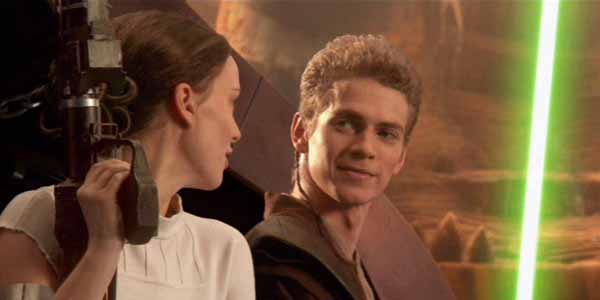
"But WhatCulture," you say to your computer screen, "RedLetterMedia's videos have shown us how bad the Star Wars prequels really are." Yes, yes, if you want you can view the Mr. Plinkett reviews as the final word on the Star Wars prequels, but all you're really doing is proving our point. The reviews may be well thought out and carefully make their points, but they are also completely one-sided and merely fuelling an already vehemently held opinion. The first Star Wars came out in 1977. It was universally adored, but hold most dear by those aged around ten at the time; while the film can entertain just about everybody, to kids it was something else. The Phantom Menace came out in 1999. Like the original trilogy this one spoke strongest to those who were aged around ten at the time. This did not sit well with the thirty year olds who felt Star Wars was still only theirs and thus the backlash began. There's certainly some weak elements in the trilogy - Anakin's little sand speech feels less like an emotionally-confused teenager awkwardly trying to express his feelings and more like a writer doesn't understand romance - and that's the stuff that tends to rile up the haters. But what the fan dislike has led to here is disastrous, with the pure hatred exercised by some seeping into the mainstream, irreversibly colouring the reputation of the films. Which films did the fans unfairly rally against? Do you agree with our assessments? Get down to the comments and join the discussion.

Contributor
Contributor

Film Editor (2014-2016). Loves The Usual Suspects. Hates Transformers 2. Everything else lies somewhere in the middle. Once met the Chuckle Brothers.