10 Non-Horror Films Scarier Than Most Horrors

Fuel for your nightmares.

There is nothing quite like a horror film to get the heart racing. For so many, the thrills and chills of the genre never fail to provide an exciting time at the movies. Of course, there are others who try to avoid scary movies like the plague, not relishing in that particular rush. However, it is not always as easy to escape horror in cinema. What might seem perfectly scare-free on the surface may well prove to frighten more than any traditional horror film could have dreamed. Regardless of whether it's wanted or not, fear often manages to its way creep in. There are things much scarier than monsters. Monsters, at least for the most part, don€™t exist in real life, and because of that, it can be easy for an adult to brush off the notion of something under the bed or in the closet fairly quick. At an older age, people realise that fear can take all sorts of forms, and real life has plenty in store to chill and disturb; from hard drugs to deteriorating mental and physical health, and everything in between. Sometimes there€™s nothing scarier than something that feels real, and many films on this list are scary because they reflect so accurately on the horrors of everyday life. Others contain classical horror elements or moments even though they are broadly branded as something else. Whichever the case, here are ten non-horror films scarier than than most horrors.

10. Willy Wonka And The Chocolate Factory

By far the most child-friendly entry on the list, Willy Wonka And TChocolate Factory might seem like an odd inclusion here, but there are plenty of creepy elements and moments in the film that warrant its place. An obvious place to start is with the Oompa Loompas; unforgettably identifiable by their orange skin, green hair, grumpy demeanor and super low-pitched voices. They are genuinely creepy, and the stuff of kids nightmares, no doubt.The Oompa Loompas aren€™t the only frightening thing about this childhood classic though. There are also a heap of scenes that are hard to erase from memory, including poor Augustus Gloop getting himself stuck in a pipe and that wickedly trippy boat ride through the tunnel that is near vomit-inducing. Not to mention Wonka€™s freakout near the end (€œI said good day, sir!€) which comes as a very unpleasant shock from a man who seemed nothing but nice prior to this. The Chocolate Factory may be a magical place full of fun and wonder, but it€™s one heck of a scary place, too.

9. Meet The Feebles

Peter Jackson€™s Meet The Feebles is a film which, if happened upon while channel surfing, could certainly be perceived as a child€™s film, too. This couldn€™t be further from the reality, and watching it for more than a minute or two will definitely prove that. Feebles is about a group of puppets who are members of a stage troupe, not unlike The Muppets. The audience is subjected to the backstage antics of these puppets and it€™s not long before it's clear that, if anything, they are more like the anti-Muppets. Meet The Feebles is branded as a black comedy and it certainly is that; as black as it gets, really. Even for fans of dark humour, it would still be hard not to be at least a little disturbed by the flick. Adultery, hard drugs, porn, AIDS - these are difficult topics to stomach even at the best of times, and seeing them as the film€™s dominating themes, played out by these seemingly harmless creatures takes the vulgarity to a whole new level. It€™s like that dirty feeling when realising now how Disney classics were often littered with €œadult€ jokes, only Feebles is much worse. Many don€™t care for the flick and it was even banned by censors in Ireland, who apparently didn€™t approve of the dark humour. With a tagline like, "From the creators of Bad Taste, comes a film with no taste at all!", who could blame them?

8. 127 Hours

Danny Boyle€™s 127 Hours was highly praised by audiences and critics alike upon it€™s release, and rightly so. It€™s a terrific, tense thriller about one man€™s fight for his life, and how resilience comes through in the end. It is unbelievably satisfying to see Franco€™s character make it out alive and certainly a triumph of the human spirit. However, despite that sense of relief by the end credits, it is also entirely possible that the sheer terror of the whole ordeal would creep back into audience's thoughts, and stay there. Because, when you get down to it, the film truly is frightening. Based on the true story of hiker Aron Ralston, 127 Hours is a fearless flick that tells the brutally nightmarish experiences of Ralston, who got himself stuck under a rock for six whole days. Six days with very little food, very little water and nothing but his video camera to keep him company. This premise alone should be enough to inspire plenty of bad dreams, and it€™s even harder to shake off the thought knowing that it€™s based on something that really happened. He is eventually granted with the most bittersweet of freedoms in a moment of pure emotion and adrenaline where he must cut through his own arm to escape. The film isn€™t shy showing the gory act, and it€™s made even scarier knowing that the real-life Ralston comment that the actual event was even more brutal.

7. Trainspotting

Danny Boyle is a dynamic filmmaker who has made many different types of movies, but he is undoubtedly at his best when delivering grittier, realistic flicks like Trainspotting; a film not afraid to tell it like it is and shine a light on some of the dingier, darker aspects of human life. Trainspotting is branded as a comedy and it's definitely got a lot of gold for those more partial to black humour. But what the film is more memorable for is the portrayal of heroin abuse and just how cripplingly impossible it can be to quit the stuff. Like a lot of the best drug-related films, it shows the highs, but isn't afraid to show the very lowest of lows either, a lot of which are horrifically hard-hitting. Among the most scary moments in Trainspotting are the death of a young baby and subsequent hallucinations in which the same baby is found crawling on the roof. But even with that in mind, it's difficult to decide which is more frightening; the harsh snap-backs to reality in the midst of drug-induced hazes or the bad, bad trips that feel painfully real (even when they're not). Trainspotting definitely makes for a fun watch, but it's only after that you realise how difficult it is to scratch away its many horrors.

6. Mulholland Drive

When it comes to cinematic representations of nightmares, David Lynch is a filmmaker is up there with the best. Mulholland Drive is a neo-noir, psychological thriller about an aspiring actress who moves to Hollywood to realise her dreams of becoming a star. Like much of Lynch€™s work, the film is a complex, non-linear tale that is ultimately left to the viewer to interpret. The task of doing so is far from easy or comfortable. Mulholland Drive is a film built on a strong atmosphere, a dream-like environment where Lynch so often loves to go. It was mostly lauded by critics upon release, even by Roger Ebert who had famously not been Lynch€™s biggest fan beforehand. As Naomi Watts€™ character slowly loses her mind, so does the audience. The characters know about as much as the the viewer does, which really isn€™t a whole lot. Everything simultaneously starts coming together and falling apart, and it€™s unnerving how effectively Lynch can toy with the mind. He burrows into the subconsciousness and confuses with a film that feels like it makes sense, but only on a unbelievably deep cognitive level. It€™s something hard to initially put into words, and like nightmares, that really is frightening. Plus it has that terrifying guy behind the wall. Biggest jump scare ever.

5. Inland Empire

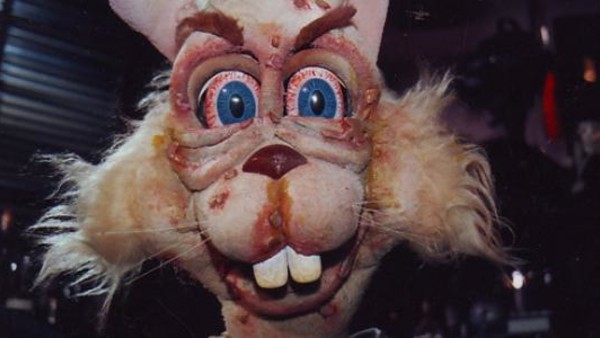
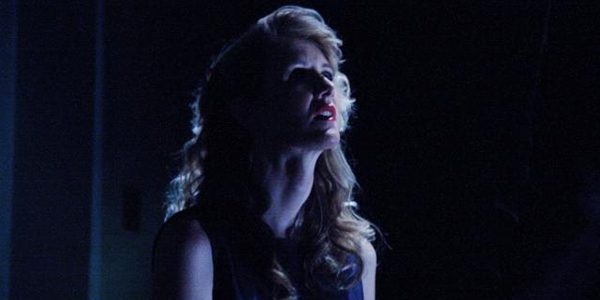
Lynch again here with his most recent effort, Inland Empire, a slow-burning psychological mystery film. Laura Dern stars in the performance of her life as actress Nikki Grace, a woman who helplessly descends into utter madness. The parallels to Mulholland Drive are evident and numerous, making for a similarly nightmarish experience. Inland Empire is a film that requires great patience and relies heavily on atmosphere. Dern€™s character seems to fade in and out of sanity, with severe mood-swings aplenty, and the movie follows suite. It seems to be chronological and even borderline comprehensible for chunks at a time, before it jumps into completely bizarre, nightmare-like sequences. Some such sequences include splices from Lynch€™s web project, Rabbits, an eerily slow and quiet vision of people with rabbit masks. It€™s at such times of madness where Inland is most engaging, and also most terrifying. Its ability to jump in and out of sanity so suddenly is what makes so hard to forget, and this is best exemplified by moments of madness from Dern. A tough three-hour watch, but not easily forgettable.

4. American History X

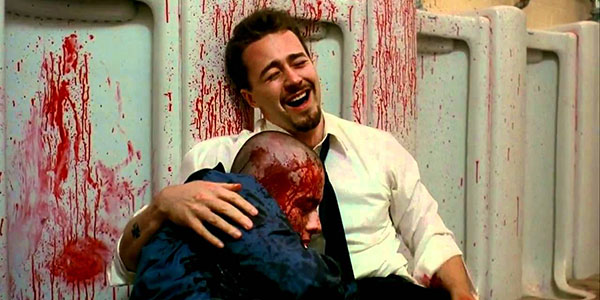
American History X is a drama film directed by Tony Kaye about the story of two American brothers who become heavily involved in the neo-nazi movement. It deals with many controversial themes, including graphic violence, sexual violence and racist crimes. These sort of things landed it an €œR€ rating, but the film was still a critical success, with Edward Norton€™s brave, lead performance being especially and rightly praised. What makes American History X such an intensely frightening drama film is its unflinching portrayal of racism and hate crimes. Norton€™s character and his younger brother (Edward Furlong) at different times in their lives share the same racist ideology, fuelling some utterly despicable acts, including the famous curb-stomping scene, which is near-impossible to sit through without squirming. It's a brave story that attempts to bring these dark themes to light, and that€™s why it€™s scary. So many of the film€™s characters are hateful people with disgusting ideals, and it€™s horrifying to know that people like this exist in the real world. Racism is an-always relevant problem in most societies and this film shows just how big a problem it can be, portraying the worst the human race has to offer.

3. Se7en

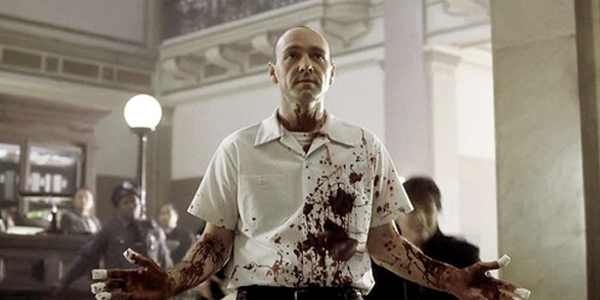
David Fincher went from the less-than-successful Alien 3 to critical acclaim and box office success with his detective psychological thriller Se7en in 1995. The film follows two detectives who get involved with the case of a sadistic serial killer who murders his victims to correspond with the seven deadly sins. It€™s an evil and thrilling premise, and the film more than lives up to it. Se7en is frightening on two levels. The first is the concept of a serial killer who takes pleasure in murdering people in creatively brutal ways. Kevin Spacey's character ticks off all of the major sins, one by one, with no remorse, and the the film isn't shy in showing them in all their gory glory either. But what really disturbs are the sinning acts of the victims themselves. Perhaps the audience can agree that these sinners have made mistake, but, at the same time, many individuals too can be guilty of committing such sins, and so perhaps a long look in the mirror is required for some. In that sense, John Doe makes some alarmingly relevant points, and it can be pretty terrifying to dwell on them.

2. Irreversible

Irreversible is the most controversial film in this article, and given the subject matter, it€™s no surprise. Gaspar No這s French, mystery-thriller follows two men who seek revenge on the culprits of a sexual assault. It€™s an expectantly violent, daring film that never shies away from the hard-hitting stuff and it€™s this fearless honesty and refusal to sweep the nasty under the carpet that makes it such a frightening endeavour. The most infamous scene in the film is the sexual assault, which is a tough topic to talk about, let alone watch. The scene is handled with brutal boldness and doesn€™t move away once, delivering a seemingly relentless sequence that is terribly difficult to endure. The film was met with outrage by many of its viewers at the Cannes festival in 2003, and understandably so. The scariest moment in that whole assault scene, and perhaps the whole film, might just be when a passer-by notices the crime but doesn€™t do anything about it. To him, it€™s more trouble than it€™s worth, and with morals like that, it€™s hard for the audience not to lose faith in the human race. That such horrors are so real is what makes Irreversible hits harder than most horror films. It€™s all too relevant.

1. Requiem For A Dream

Requiem for a Dream If ever there was a film to scare people away from drugs, Darren Aronofsky's Requiem For A Dream is it. It€™s a psychological drama that depicts different forms of substance abuse and addiction, and is still as shockingly relevant and striking now as it was back then. The reasons why Requiem succeeds are the same reasons why it€™s such a terrifying cinematic experience. It tells the stories of four individuals with intertwining plots who are addicted to heroin, cocaine and amphetamines, respectively. Whereas plenty of drug films may either glorify drug use or completely condemn it, Requiem for a Dream takes a more unbiased, brutally honest view of the journey a drug abuser finds themselves on. The deterioration of the character's health is extremely difficult to watch, particularly Ellen Burstyn€™s Oscar-nominated performance as the elderly widow addicted to pills. For all four addicts, It all comes to a halt at once in a horrifyingly intense conclusion to a film that never felt like it could have ended any other way. What makes it the scariest film on the bunch is that this could happen to anyone. Drug abuse is a slippery and dangerous slope, and one can only hope that Requiem For A Dream proves enough to scare people away from succumbing to its horrors. Which other non-horror movies get under the skin more than horror films?

In this post: 
127 Hours
 
Posted On: 
Contributor
Contributor

Joe is a television junkie. A film fanatic. A pop culture know-it-all. An interactive media masters student, and a bass player. 22 years old and Irish. Thinks Netflix is a Godsend.