10 Simple Fixes That Would Have Made The Hobbit Awesome

It could've been great. It wasn't.

There were high hopes for The Hobbit, the movie(s) that would visit Middle-Earth for the last time. And, in the hands of Peter Jackson, there was a definite sense of confidence that a film would be produced (or two at most) that would stand up admirably next to the near perfection that The Lord Of The Rings trilogy achieved. Alarm bells started to ring when, just 6 months before the first film would be released, New Line Cinema confirmed they would make a trilogy rather than the originally planned two films. Sadly, as expected all three films were a bloated mish-mash of interpreted scenes with the source material stretched unbearably thin. It all could have been so different. There was a time when Guillermo del Toro was in charge of the project, who would (as revealed concept art attests to) certainly have taken Tolkien's fantasy world down a distinct design path. Fan edits are now beginning to pop up all over the internet that are attempting to remain faithful to the original text while righting the perceived sins that Jackson committed, highlight just how wrong things went. The Hobbit is in no way a terrible set of films. They certainly have their moments that honour the tone of the book; the one-on-one between Gollum and Bilbo fleshes out his motivations quite considerably and the similar scene with Smaug was pretty damn impressive. As the fan edits prove, given the right nips and tucks, there is a good film hiding away in there somewhere. Here are ten fixes that could have made the official version much better.

10. Less CGI Please

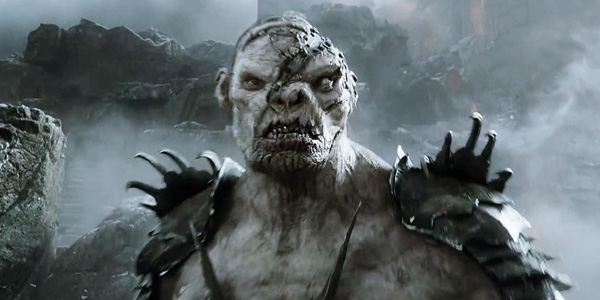
Of course it is inevitable that to bring a world as in depth and diverse as Tolkien's Middle-Earth to life, a certain amount of computer generated imagery will be required. As good as New Zealand is for providing the landscape for Middle-Earth on the silver screen, in this earthly realm there is nowhere as resplendent as the Elven kingdom in Mirkwood or as dark and evil as Dol Guldur. But as necessary as it is for certain locales, in addition every single orc and goblin is animated into oblivion, making each one utterly expendable and simply fodder for some of the ludicrous action scenes. Barrel scene anyone? This copious use of computer generated enemies and action scenes means no sense of real danger whatsoever is allowed to develop and that at times the laws of physics seem to be wholly suspended. Escaping the goblin kingdom the whole of Thorin's company inexplicably survive a gigantic fall and while fighting Bolg (or orc with a bit more metal in his face than the other one), Legolas finds a way of running up falling blocks, Elves are certainly gifted but this was farfetched even for him. There's nothing at stake during these action scenes and so the audience are left watching what is essentially a cartoon, with nothing to invest in.

9. Wrap Up Bard's Story

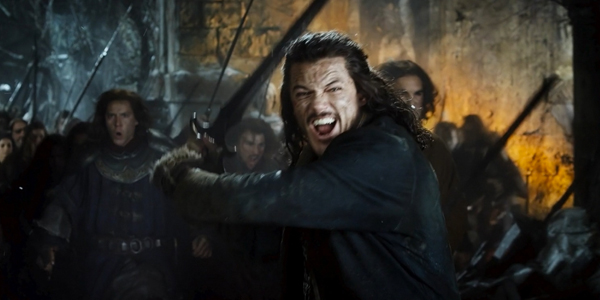
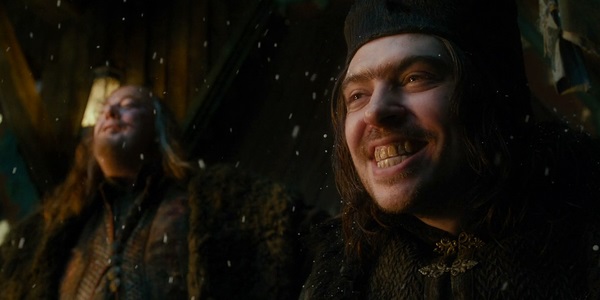
Bard is a pretty important figure in terms of the story of The Hobbit, slaying Smaug, leading the humans the Battle of the Five Armies and eventually rebuilding (and taking the throne of) the new Kingdom of Dale. Given this it was surprising that his last appearance in the concluding chapter was a bit of fluff where Alfrid Lickspittle in drag runs away from the battle with a bosom full of gold while Bard reaffirms that his priority are his kids. All well and good as a nice comparison between the two, but massively unsatisfactory for Bard's story arc. Taking into account everything that he achieves throughout the film, saving the whole of Laketown and ensuring their continued survival, he really isn't given the credit he deserves. It was a real shame that Bard had so many scenes opposite Alfrid. The two will likely be banded together when remembering the film - a huge let down considering how good a performance Luke Evans turned in.

8. Be A Story In It's Own Right

The Lord Of The Rings was a huge commercial and critical success, so (from a business sense) why not make three more films following more or less the same formula? Therein lies the problem with The Hobbit; it's a kids book taking place during a period of time where the evil of Sauron has not quite spread as far. The tone of the film is always going to be slightly lighter and more whimsical than the story that follows. From a narrative point of view it does make sense that there will be the occasional piece of plot information that contributes to the later set of films, but when it is forced into the script in such a clunky manner, like with Thranduil telling Legolas to go and find Aragorn, it comes across as though it is making the most of the significant good will towards The Lord Of The Rings. Legolas isn't even in the book - don't be lazy and let the existing characters tell their own tale.

7. Give Each Dwarf An Identity Of Their Own
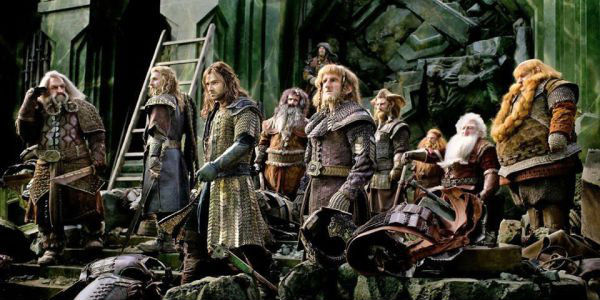
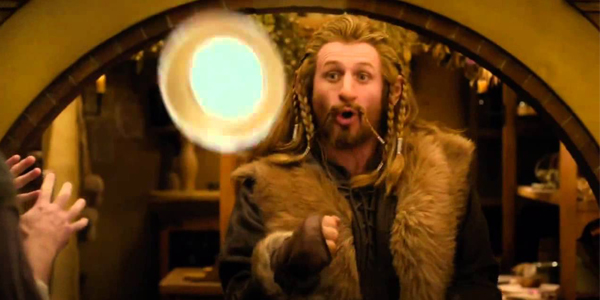
Bifur... Bombur... Fili... Kili... Snap... Crackle... Pop... Other than mini-Aragorn could you honestly nail down the names of the rest of the dwarves? Surely it makes sense to employ some degree of character development to facilitate an emotional attachment to the group of individuals all fighting for a common cause, but it was such a half-hearted attempt. They all become nothing more than pawns in the numerous action sequences, to the point where the end scene of Bilbo saying goodbye to his old company at Erebor is left feeling shallow as no one still really knows who they are. Worse of all, they are almost indistinguishable, other than a few vague attempts at dwarf differentiation - they will be remembered as the fat one, Gimli's dad, the elf-loving one and that one bloke from Cold Feet.

6. No Dwarf-Elf Love Story

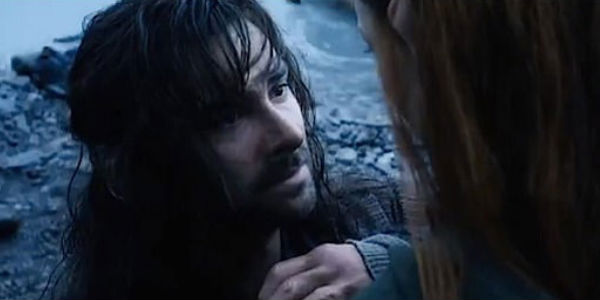
It's well known that Tolkien's universe doesn't really have it's fair share of female characters, but it almost seems even worse for women that poor Evangeline Lilly was roped in to be little more than a romantic interest for Kili. It almost feels patronising that the film has to have a romantic sub-plot - there is plenty to invest in, whether that be Bilbo's struggle with leaving home, any of the dwarves' strife with regaining their homeland or Gandalf's gripes with the White Council. Of course, love is an incredibly powerful emotion, but it would be nice to be trusted with more complex relationships between friends, enemies and even whole races.

5. Pointless Manufactured Scenes And Characters

Of course by now it's been established that any scenes where the Tauriel, Legolas and Kili love triangle is given screen time are utterly made up, but there are so many more scenes that have been added or interpreted differently, just so the narrative can be one great build up to The Lord Of The Rings. Details, like how Gandalf doesn't know about the Necromancer in the film (in the book he has been in his dungeons already) and the assault on Dol Guldur (Saruman isn't in the book and they don't fight the ring-wraiths), are either altered or interpreted in such a heavy handed way where the narrative becomes all about setting up Frodo's journey, rather than actually caring about Bilbo's. There will always be a certain amount of license allowed with Tolkien's work considering how much is left in the appendices, but it could have served The Hobbit's own narrative so much better.

4. Cut That Running Time

As mentioned earlier, fans of the series have already been hard at work editing the three films into something far more manageable, doing a better job at it than Peter Jackson. One cut has stripped the films' gargantuan runtime of almost eight hours to a far more reasonable three hour stretch. In that version, gone is the investigation of Dol Guldur, Tauriel is limited to a cameo performance, Azog's role is played down (he's actually dead during the events of The Hobbit) and the old Bilbo prelude is absent, while most of the action sequences have been trimmed down. The fact that someone would even go to the effort of stripping the original so significantly shows how much people care about Middle-Earth, but also how much of these movies is needless padding.

3. Remove The Comic Relief

Alfrid bloody Lickspittle. The man is a walking joke and the amount of screen time he gets in The Battle Of The Five Armies is absurd. Why Jackson felt he was needed for a cameo let alone a major supporting role in the Laketown story arc is beyond even Galadriel's comprehension. It's just another example of the totally confused tone of the film; if you're going to match the feeling of the first three films, it just doesn't track correctly that you have this greedy buffoon offering nothing whatsoever to the progression of the narrative. Being generous one could argue that he represents the greed of men that has plagued the race over time, but he's so in your face any subtlety is absent. Worst of all is the missed opportunities for more in keeping humour. Have you seen Freeman in the Office? The guy has serious comedic chops which went slightly to waste in this trilogy.

2. More Inventive Designs

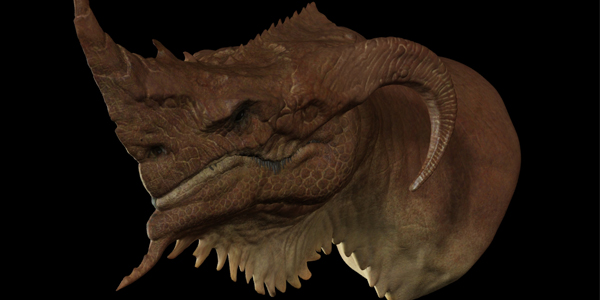
Oh look eagles, trolls and wargs... Haven't seen them before... One of the biggest dissapointments about Guillermo del Toro dropping out on the project is lack of new takes on the wildlife populating Middle-Earth. The huge were-worm makes a brief appearance, but everything else looks like a variation on what was already running, flying or slithering in The Lord Of The Rings. The pigs and rams that the dwarves ride are pretty cool, but it's hard not to feel that some of the creations del Toro could have come up with, that will now forever be lost in the ether, could have been much more exciting. He has previous for creating distinctive and memorable monsters (just watch Pan's Labyrinth or Hellboy) and the ante would have only been upped in Middle-Earth. The key to a really good fantasy series is making it a world that truly is, well, fantastical. Far too much of The Hobbit is by the book and risk free, and so forgettable as a result.

1. Give Bilbo His Franchise Back

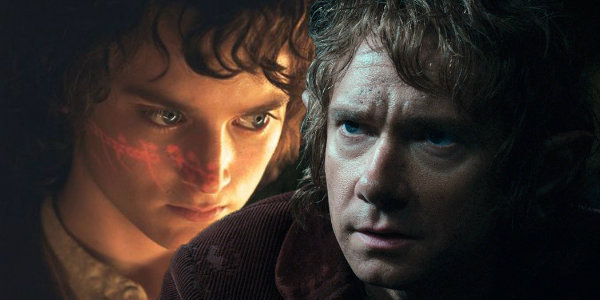
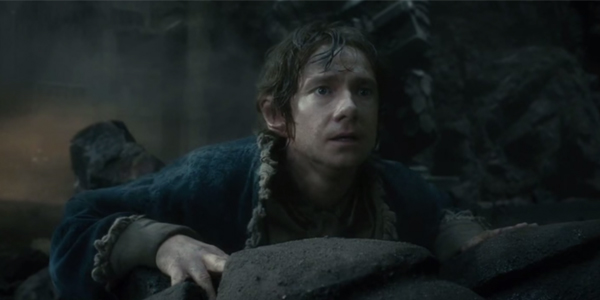
Both of Tolkien's books are centred on unlikely heroes performing acts of valour well beyond what anyone could expect of them, their actions in turn influencing a world far larger than their own. Despite the epic, possibly world shattering events transpiring around them, they perform feats well beyond their capabilities. Reducing Bilbo to a mere sideline character in the final instalment of the trilogy seriously diverts the narrative away from what it has been sold as - don't forget Bilbo did actually write There and Back Again, so it does really make sense that he should be the principal protagonist. Look at The Battle Of The Five Armies. Bilbo does have a couple of moments to stand out - sneaking the Arkenstone out to Bard and, erm, throwing some rocks at cartoon orcs and... that's about it. He's there but he's a passive bystander to the events unfolding rather than having a tangible role, a waste of Freeman's talents. Sure, that's the case in the book, but it doesn't work given the film's much wider scope. His role is over at the end of the second film, meaning he might as well have started his 'Back Again' right then. What fixes do you think would have saved The Hobbit? What did you make of the fan edits? Discuss all things hairy-footed down in the comments.

Contributor
Contributor

Good wine needs no bush. Sport / Film / Gaming / TV enthusiast hailing from Tewkesbury. Scribbling away since 1993.