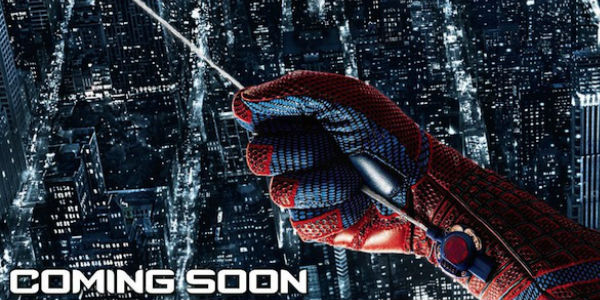
10 Simple Fixes That Would Have Saved The Amazing Spider-Man 2

Oh, what an odious web we weave...
Ahh, Hollywood. Why do they keep employing all those creative, qualified people with years/decades of storytelling savvy and industry experience when they could easily produce better results by taking their pick from the countless thousands of bedroom warriors papering the internet with hyperbolic rants detailing why their movies suck? Could it be that it€™s simply not as simple as it looks? Film is, by definition, a collaborative medium that necessitates input from a myriad of vested parties, and every step of each production is a potential pothole or banana skin. No one sets out to make a bad movie, and it€™s only fair that we occasionally express our recognition of just how hard it is to make a great one. However, even when the end results are pretty decent, tentpole films tend to be subjected to endless snarking and nth-degree nitpicking about alleged failures and shortcomings. The Amazing Spider-Man 2 is a perfect example: it made over $700 million in cinemas, yet it was a financial failure; the film was rightly praised for having some of the best Spider-Man action sequences yet seen on screen, but criticised for its tangled web of a story; and unlike many a Marvel movie, it dared to kill off one of the main characters (yes, spoiler, but if you haven€™t seen it there€™s really no reason for you to be here) and was castigated for this relatively brave decision. In truth, TASM2 was far from a bad film €“ critics were divided, as evidenced by the 53% Rotten Tomatoes rating, yet the audience score is a considerably higher 68% (figures replicated almost exactly on Metacritic), and it has settled on a solid 7 on IMDB. Now that the dust has also settled, we can use the superpower of hindsight to explore some simple fixes that could have circumvented big problems.

10. Take Your Time

As most movie fans are aware, one of the biggest problems surrounding Spider-Man is the issue of the film rights. Many moons ago, when the current superhero boom and Marvellous Marvel Studios were but Stan Lee's wet dreams, the comic book company optioned away the rights to Spider-Man on the big screen €“ a situation that€™s unlikely to change any time soon. Sony are the current incumbents and will remain the only company allowed to put out further Webslinger adventures provided that they don€™t let five years elapse without releasing a new film. Even taking into account diminishing financial returns, it goes without saying that Spider-Man is an enormously lucrative property, ergo Sony will retool and reboot in perpetuity if there€™s a buck to be had. The Amazing Spider-Man was born of necessity, and while many audience members were nonplussed, more than enough of them showed up to justify another outing. But you know the saying €“ with great haste comes great, er, balls-ups. Filmmaking is an incredibly complicated enterprise, and that€™s why the Marvels and Pixars of this world often spend years fine-tuning their stories before issuing a green light. Plans for TASM2 were underway before the first film was even released, but even so two years simply isn€™t enough time for a production of this scale to come together kink free (Iron Man 2, anyone?) Letting TASM2 incubate for another year would likely have yielded a far more substantial and satisfying experience.

9. One Story At A Time

Speaking of Iron Man 2, few would argue that Ol€™ Shellhead€™s first sequel was one of Marvel€™s poorer efforts, and the limited production period certainly wasn€™t the only reason. Iron Man 2 was actually pretty good until Nick Fury entered the picture to jarring effect, sending Tony Stark on a bizarre quest to discover a new element (zuh?) and sucking the fun, pace and momentum clean out of the movie. By then, of course, Marvel€™s laudably ambitious Avengers Initiative was entering full swing and some world building was essential, but it was a shame that Iron Man€™s second outing was severely compromised in the process. Granted, The Avengers did kinda okayish and Iron Man 3 made amends, but it was disappointing nonetheless. It remains to be seen how Warner Bros. will fare with their DC plans, but they can hardly be blamed for wanting to bring together behemoths like Batman and Superman and give Wonder Woman a long-overdue cinematic bow €“ these characters are all extremely well known and the Justice League could yet pan out nicely. As for Sony, it€™s understandable that they want to get in on the shared universe act, but trying to spin Spidey€™s web of enemies into a multi-picture plan and give the Sinister Six and Venom their own movies looks like a dubious prospect and a failure in waiting. TASM2€™s story certainly suffered from the emphasis placed on laying the foundations for Sony€™s unlikely master plan; it was unwise and ultimately costly.

8. Pick A Villain

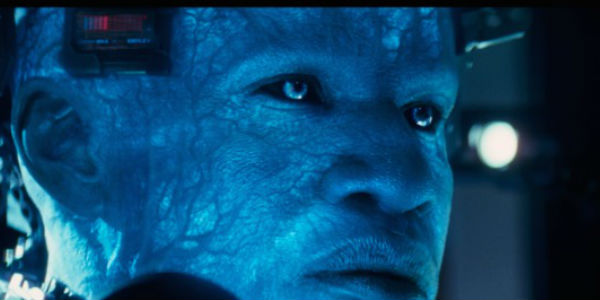
It€™s fair to say that Paul Giamatti€™s Rhino received a mixed reception when the film opened. Some called out his performance as way over the top €“ it was €“ and derided the decision to pile in yet another villain as unwise, which it wasn€™t. Not really. His scenes were mere bookends for the main event. We€™ve come to expect an attention-grabbing early action sequence in such films, and TASM2 delivered a belter as Spidey zipped and quipped his way through the streets of New York to apprehend the Russian runaway. Although some viewers felt hoodwinked when Marc Webb teased a final battle and abruptly cut to credits, Rhino wasn€™t the problem as far as the movie€™s bad guys were concerned. Too many villains (let€™s call it Spider-Man 3 Syndrome) is a borderline curse in superhero films, but TASM2 didn€™t overreach with Rhino €“ it was the decision to include both Electro and the Green Goblin that really hurt proceedings. Max Dillon€™s transformation €“ and motivation €“ in going from invisible misfit to malevolent ne€™er do well felt unearned, whereas Harry Osborn€™s story was actually well-pitched but the rush to goblinise him cannibalised Dane DeHaan€™s solid performance. Electro and Green Goblin hurt each other far more than they could ever threaten Spider-Man. A great film needs a great villain, and TASM2€™s strategy proved detrimental in undermining two potentially great characters by forcing them into a double-hander rather than giving them pride of place in separate outings.

7. Put The Foreshadowing In The Shade
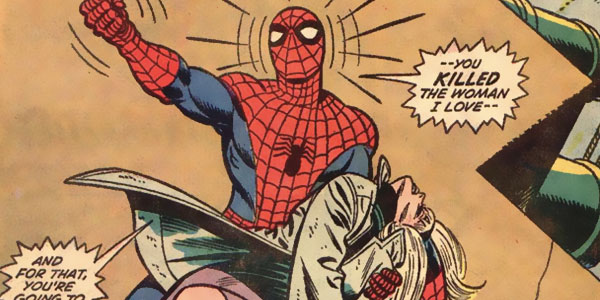
From the moment Emma Stone was cast as Gwen Stacy in The Amazing Spider-Man, there was a Grim Reaper-shaped shadow enveloping the character. Marc Webb€™s first Spider-Man movie has come in for a lot of criticism, but one thing he absolutely got right was casting Emma Stone to play Peter Parker€™s first love, as was the case in the early comics. Stone had already made a firm impression in the likes of Superbad and Zombieland, but her effortlessly charming turn as Stacy took her career up another notch. Her obvious and very real chemistry with Andrew Garfield was the film€™s best feature, and this was arguably the case again in the recent sequel. That being said, the character is famous in comic book lore for the story arc €˜The Night Gwen Stacy Died€™ so speculation that a terrible fate would befall her in The Amazing Spider-Man films was instant and incessant. In TASM2, the warning signs started flashing as soon as she began her valedictorian speech, and with every reference to how life doesn€™t last forever and her knowing now more than ever that what makes it precious is that it ends, the writing leapt further off the wall to claw at the audience€™s eyeballs. There€™s nothing wrong with foreshadowing, and the scene when Peter watches her speech near the movie€™s end was genuinely moving, but making it so obvious from the get-go that she wouldn€™t survive the running time was heavy-handed and ate away at the suspense.

6. There Is Such A Thing As Bad Publicity
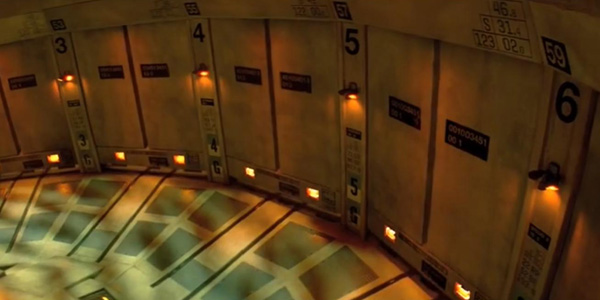
It wasn€™t so much the case in the past, but in an age where film distributors are combatting the dual threats of piracy and the changing face of media consumption, marketing has become a fundamental part of the moviemaking machine. In part also due to the increased importance of appealing to an international audience, many studios now fork out more money promoting their films than it cost to make them in the first place. As such, it was no surprise to see The Amazing Spider-Man 2 hyped up by numerous trailers, posters, TV spots and more, but it€™s also one of the better examples in recent times of marketing gone awry. The entire promotional strategy behind TASM2 seemed predicated on setting up the Sinister Six, and alarm bells started ringing the second it became clear that Spider-Man would face several foes. Furthermore, the sheer volume of teasers, trailers and clips became exhausting very quickly and may have contributed to the overall sense of Spider-Man fatigue indicated by the diminishing returns of each new adventure. Furthermore, several lines of dialogue and scenes shown in the advanced publicity didn€™t make it as far as the finished cut, partially misleading cinemagoers and proving that Webb was still trying to figure out his movie in the editing room (never a good sign).

5. Bring Back The Bugle

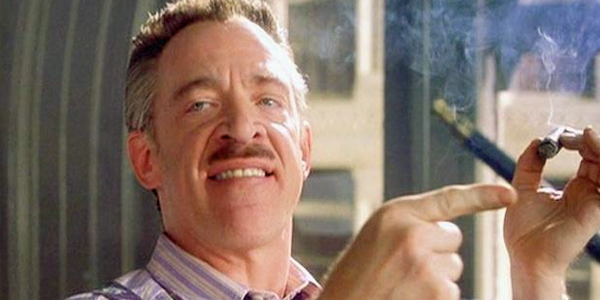
TASM2 gave us a glimpse or two of the Daily Bugle €“ a front page here, an email there €“ but plans outlined in an earlier draft of the script whereby Peter Parker€™s place of work had more story significance were brushed aside in favour of numerous pointless subplots (more on those later). This was a shame. In the movie we saw, Peter seemed to go from high school graduate to active freelance photographer in a matter of days, just as Gwen went from valedictorian to Oxford candidate in double-quick time and apparently hopped on a plane to England the second she was accepted. Late-in-the-day story changes were again to blame, and the result is we don€™t really get much sense of Peter€™s identity outside the suit. His job at the Daily Bugle is not only a fundamental part of the character€™s established history but an opportunity to see how he copes with the travails of day-to-day life. More to the point, no Bugle means no J. Jonah Jameson, thus missing out on one of the most essential and entertaining characters available in this franchise. Marc Webb€™s movies take great pains to distinguish themselves from Sam Raimi€™s efforts, but who wouldn€™t have been pleased to see J.K. Simmons reprise his role as Peter€™s irascible, arachnophobic boss? It would have given Spider-Man a different kind of enemy to worry about and Peter a character to help define his identity.

4. Give Up The Ghost Dad

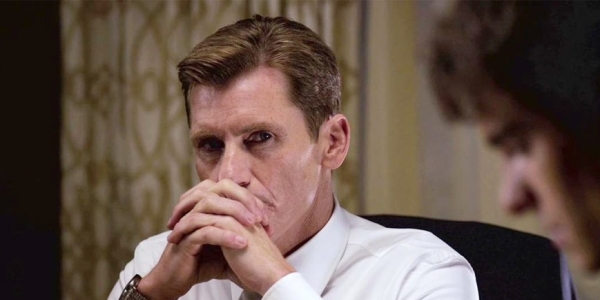
Within minutes of us seeing Spider-Man in the thick of the action, we€™re also treated to the peculiar sight of Denis Leary staring at him like someone who€™s in the wrong movie. Which he is. In case you€™d forgotten, Leary€™s Captain Stacy breathed his last at the end of The Amazing Spider-Man, but not before eliciting a promise from Peter that he would stay away from his daughter €“ a promise he breaks inside ten minutes. So, quite rightly, Peter is feeling a bit guilty as the sequel gets underway, but was there really any need to repeat the beat and have Captain Stacy show up several more times? Some viewers liked this choice, but plenty found it to be jarring and a distracting sidebar to the action at hand, if not laugh-out-loud funny. It seems hard to believe that there weren€™t any number of more organic ways to convey the idea that Peter is struggling to reconcile his relationship with Gwen and the promise he made to her father, and removing Ghost Dad would have helped settle down a movie that often suffered from having an uneven tone.

3. And Get Rid Of Peter€™s Dad While You€™re At It

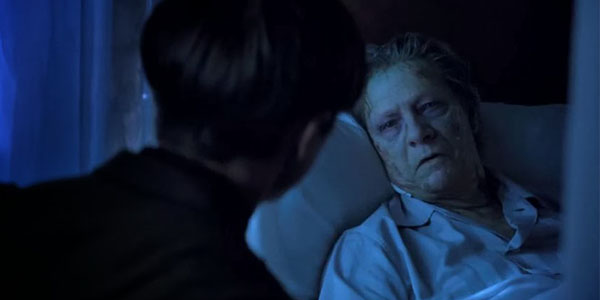
One of the more peculiar things about The Amazing Spider-Man was how the disappearance of Richard Parker (and wife Mary) was the engine that powered the film in the early stages but was then completely forgotten about halfway through. Nevertheless, perhaps stranger still is the fact that TASM2 picked up this loose thread and weaved it through the entire plot because€ we have no idea. The revelation that Richard Parker used his own blood in the experiments he carried out at Oscorp and only someone from his family could conceivably experience the tangible benefits was frankly a terrible idea. Essentially, it introduced an awkward element of predestination to one of the simplest and best known origin stories in superhero lore, making it a coincidence of ludicrous proportions (even by comic book standards) that Peter just so happened to be bitten by one of the spiders from his father€™s work. One of the biggest reasons why Spider-Man is a heavyweight superhero is that Peter Parker is an accessible, relatable character; a normal guy with everyday problems, who just so happens to get bitten by a radioactive spider. He still has to work for a living and take out the trash like everyone else. TASM2 short-changed the fundamental everyman quality of Peter Parker and shoehorned in a wholly unnecessary subplot to tie up a loose end no one cared about in the first place. Let€™s just leave the dads out of this.

2. We Need To Talk About Peter

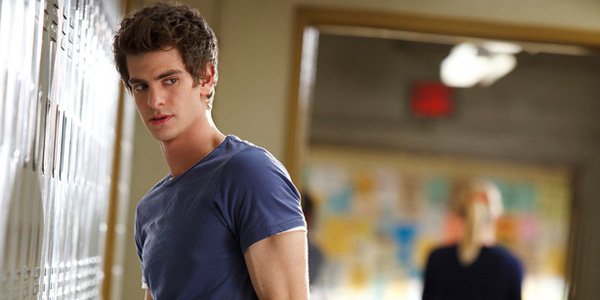
In Sam Raimi€™s Spider-Man trilogy, Peter Parker somehow always managed to draw the short straw. Bullied at school, belittled by his Daily Bugle boss, overlooked by the love of his life and toyed with by theatre ushers, it wasn€™t difficult to sympathise with Peter as he struggled through his ho-hum daily existence. When the reboot came around, it was pretty clear that everyone involved took pains to avoid comparisons with Raimi€™s films wherever possible €“ at times successfully. One of the big wins for Webb and co. was the decision to give Spider-Man a little more sass by imbuing him with the lip and quips familiar from the comic books, which was hugely pleasing to die-hard fans. Peter Parker, however, is another story. Tobey Maguire€™s bruised puppy approach wasn't for everyone, but the same can certainly be said for Andrew Garfield€™s skater chic It Boy. The character doesn't have to be a blubbing doormat, yet the new films have gone too far the other way; Peter is no longer an ordinary kid with problems €“ he€™s a suave, ladykilling (pardon the pun), wisecracking, easygoing tech genius, and it€™s all a bit much. This Peter seldom seems genuinely troubled by anything €“ even his guilty conscience never lands properly, and his grief in the film€™s climax is washed over in minutes. It would have been a simple fix for TASM2 to ground the character some more, particularly as he leaves school behind to enter the adult world.

1. Too Many Subplots Spoil The Broth

What€™s TASM2 about? It€™s about a guy who needs to solve the mystery of his parents€™ disappearance but feels guilty about breaking a promise to his girlfriend€™s dead father so splits up with her only for her to accept an overseas scholarship and the guy€™s aunt has money troubles so she goes back to nursing and the guy€™s best friend€™s dad (maybe) dies because of a genetic illness and said friend becomes an enemy and turns on him but he€™s double-crossed by his own company and a fan who becomes obsessed with the guy becomes angry at him because€ you get the point. To its credit, the film zips along fairly nicely, but there are an exhausting number of plots and subplots that undermine its overall cohesion and render it something of a hodgepodge. The easiest fix for this film would have been to shed and simplify, as some tacked-on story threads were unnecessary and faintly ridiculous €“ we€™re looking at you, Roosevelt treasure hunt, mid-air collision crisis and German Dr. Evil. It all seems so simple after the fact, but what has become fairly evident post-release €“ particularly in light of the wealth of deleted scenes, cutting out Shailene Woodley€™s planned appearance as Mary Jane etc. €“ is that the people behind TASM2 didn€™t have a clear sense of direction going in. Throw enough mud at the wall and some of it€™s gonna stick, but you can€™t avoid making a mess. Here€™s hoping Sony regroup and make the most of their stellar property in the near future. Agree? Disagree? As usual, the floor is yours.

Contributor
Contributor

I watch movies and I watch sport. I also watch movies about sport, and if there were a sport about movies I'd watch that too. The internet was the closest thing I could find.