10 Terrible Mistakes That Almost Ruined The Marvel Film Universe For Everyone

The Marvel Cinematic Universe has almost fallen flat on its face a few times...
The Marvel Cinematic Universe is arguably the most popular ongoing franchise in the world of cinema - having two of the top five highest-grossing films of all time amongst their instalments exemplifies that - and upcoming epics like Guardians of the Galaxy and Avengers: Age of Ultron will surely only serve towards increasing that popularity. The unique nature of its ever-expanding universe is one that means it won't get boring any time soon (which is a relief, given that Marvel have a fourteen year plan of new movies in place already), as Marvel have a near-endless list of characters and concepts from which to pluck ideas for it, with a rich history of stories having been published since Marvel was established (albeit as "Timely Comics") back in 1939. That said, at times, they've done their very best to mess things up with some terrible mistakes. From miscasts and terrible interpretations of characters, and from stubbornness to carelessness, the Marvel Cinematic Universe has almost fallen flat on its face a few times thanks to its errors and, in this article, a number of those instances will be discussed. Here are ten terrible mistakes that almost ruined the Marvel Cinematic Universe for everyone (contains Marvel Cinematic Universe spoilers)...

10. Agents Of S.H.I.E.L.D.'s Irritatingly Slow Start

By linking a television series with the continuity of a series of movies, Marvel were always running the risk of tarnishing their most valued franchise. Given the much smaller budget and the difficult task of keeping things entertaining on a weekly basis, the introduction of Agents of S.H.I.E.L.D. could have been detrimental to the Marvel Cinematic Universe as a whole - and it very nearly was. If the viewers lost interest in the television series, it could well put them off going to see the related movies and the incredibly slow start that the series made very nearly caused that to happen for some people. In the United States, the season premiere pulled in 12.12 million viewers, which made it the biggest network drama debut of the previous four years. The season finale only had 5.45 millions viewers, so you can see the problem. The premiere was a promising piece of entertainment, but the action dwindled badly in the subsequent episode, and it was only towards the end of the first season that things really started to get interesting again.

9. Hiring Edward Norton As The Hulk

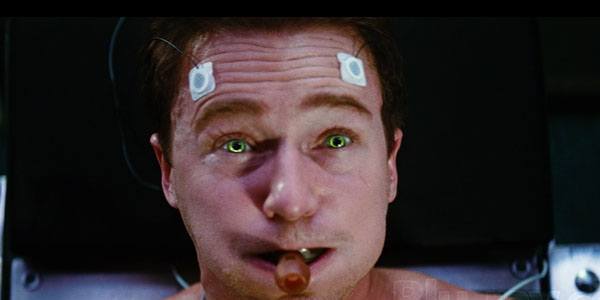
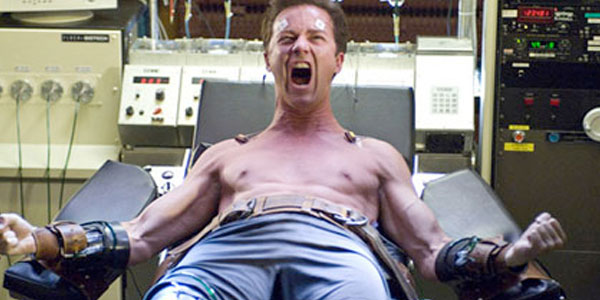
At the time, the casting of Edward Norton as Bruce Banner seemed like something of a coup. The actor had an impressive filmography that included the likes of Primal Fear, American History X, Red Dragon, Fight Club and The Illusionist and he was seen as a great choice for the mild-mannered, unassuming scientist. In all fairness, he didn't actually end up making a bad Bruce Banner, but the fact is, in hindsight, there were much better options available and Norton proved to be a difficult man to deal with, as he demanded more creative control over the character. As such, he was relieved of his duties as Banner and the franchise was somewhat put in to jeopardy. But then came Mark Ruffalo. The Shutter Island and The Kids Are All Right actor's casting as Norton's replacement was questioned by some of the fans, but he turned out to be the perfect Bruce Banner. The Hulk issue was therefore solved and the "mistake" of hiring Norton was rectified and forgotten about.

8. Having The World's Flattest Romance In Thor

Romance is an integral part of cinema. It's a genre unto itself and is an expected sub-plot in just about every other genre - but it needs to have a point and at least some development to make it worthwhile and believable. In the first Thor movie, Thor's relationship with Jane Foster was.... whirlwind... to say the least. No sooner had the two met and shared a few minutes of screen time with each other, than they were in love and devoting their lives to each other. It was so pointless, lacking in chemistry and downright ludicrous that it almost ruined the whole movie and, potentially, the whole franchise - yes, it was that bad. Thankfully, the relationship was further explored in Thor: The Dark World and it now feels more authentic, believable and worthwhile.

7. Not Giving Hawkeye Something To Do
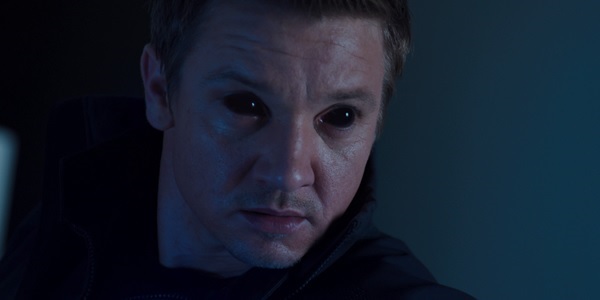
For half of the first Avengers movie, Hawkeye was a lackey to Loki. It wasn't really until the final act that audiences met the Hawkeye they came to see. Given that he's an incredibly popular character - a fan favourite, nonetheless - with one of the best ongoing comics in the industry, this was seen as a big problem in 2012 and the bitterness still resonates now. It essentially ruined the movie for some people and annoyed actor Jeremy Renner to the extent that he spoke publicly about it. If Marvel's President, Kevin Feige, is to be believed (and why wouldn't he be?), Hawkeye is set to have a much more pivotal role in the sequel, Avengers: Age of Ultron, and could actually be key in the titular villain's demise. It's nothing more than a classic character deserves and it would go a long way towards appeasing the fans who were so disappointed by his undoubted misuse in the first instalment.

6. An Ongoing Refusal To Kill Major Characters Off
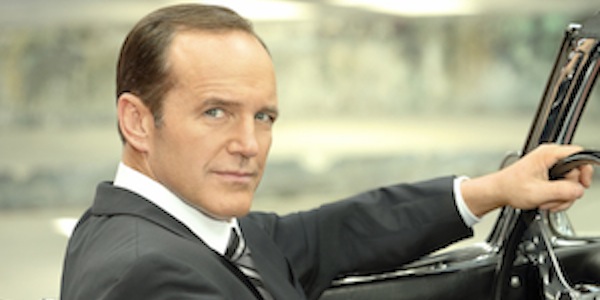
One thing that continues to annoy fans of the Marvel Cinematic Universe to this day is that Marvel don't have the guts to permanently kill any major beloved characters off. Clark Gregg's Phil Coulson started as nothing more than a mere supporting character - a link between Tony Stark and S.H.I.E.L.D. - but his witty charm endeared him to fans and he became more and more prominent in each movie. This culminated in a role in the Avengers whereby, after helping with the coming together of the titular team, he confronted Loki with the Destroyer gun and lost his life in the process. In typical Marvel style, he was resurrected and now stars in their flagship television series, Agents of S.H.I.E.L.D. Most recently, Samuel L. Jackson's Nick Fury was seemingly killed in Captain America: The Winter Soldier, leading audiences to believe a star character had finally been killed off. But no, he was alive, having faked his own death to stay off HYDRA's radar. Other characters to have "died" only to be revealed to have survived or be brought back to life include Thor, Loki and Pepper Potts. It needs to stop before it starts putting viewers off. Killing off a character permanently would make the franchise's villains seem more of a threat and would leave audiences on the edge of their seats in every movie, knowing their favourite characters were at risk, instead of making everything so predictable.

5. Bruce Banner's Inconsistent Control Over His Powers

In the first Avengers movie, Bruce Banner went through two transformations in to his alter-ego, the Hulk. The first was triggered whilst on board the S.H.I.E.L.D. Helicarrier when Loki's forces attacked it and the second was voluntary during the attack of New York, when he one-punched a Chitauri space whale (just after claiming "that's my secret Cap, I'm always angry"). This prompted a number of complains and questions from viewers, who wondered why Banner turned in to the Hulk involuntarily in one instance, and then through choice in another instance - particularly given that, in the second instance, he clearly stated that he is always in a state of mind that should trigger the transformation and thus has control over it. People try to explain it to those who are annoyed by it, citing the fact that the first transformation was triggered by an unexpected external trauma, but not everyone is satisfied by that explanation. Marvel should, effectively, have been more specific about what Banner's level of control over his transformation in to the green giant is and, in future movies, they need to be a lot more clear on the subject.

4. Finding The Tesseract Before Finding Captain America
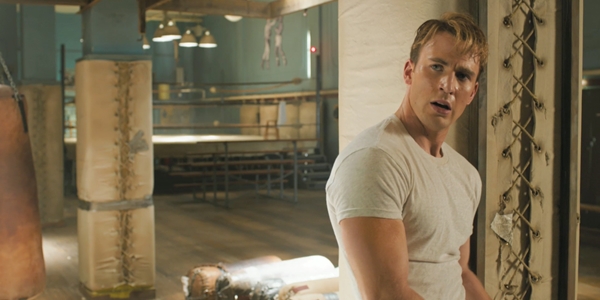
This one will forever bug people, because there is simply no explanation for it. In Captain America: The Winter Soldier, Steve Rogers participated in a final battle with the Red Skull on board the latter's plane which resulted in the villain being absorbed in to the Tesseract before it burned through the interior of the vehicle and fell thousands of feet toward the ground. Rogers then subsequently guided the jet to a crash-landing away from civilisation that he generally expected would kill him, in a grand sacrifice. Not long after, Howard Stark found the very small Tesseract, which was at the bottom of the ocean, and studied it for many years before his death, and yet it would be seventy years before Captain America, who was in a massive plane, was discovered by a S.H.I.E.L.D. team led by Nick Fury. It just doesn't sit right - even if he was presumed dead - and makes no sense that S.H.I.E.L.D. wouldn't have found him long ago. It's hard to swallow. Granted, the Tesseract is important, but Rogers was a war hero who had a lot of money and research invested in him and you would have thought as much as possible would have been done to find his body.

3. Malekith Being Weak As Hell

Malekith actually served as a typical representation of the villains in the Marvel Cinematic Universe in general (they've been pretty weak, to be fair), but his standing as a Thor villain made his presentation particularly hard to accept. If you're meant to pose a threat to the demi-god that is Thor, you need to have something about you. Christopher Eccleston did his best with the material he was given, but the character simply wasn't powerful enough to be believable as a threat. Sure, he had his lackey Kurse, who was a genuinely uber-tough brick, but audiences wanted to see the exotic and esoteric magical powers that Malekith has so often displayed in the comic books. Since Thor: The Dark World, the Winter Soldier has been presented as a believable threat to Captain America - but Captain America is no Thor. Hopefully, Ultron will be powerful enough to pose a genuine threat to the Avengers and, in the next Thor movie, a powerful abstract entity like Surtur will really give the Asgardian warrior something to think about. One thing's for sure - the villains definitely need to improve in the Marvel Cinematic Universe.

2. Iron Man's Mental State In Iron Man 3
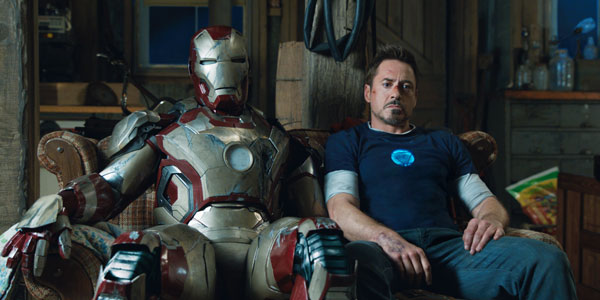
In Iron Man 3, Tony Stark was portrayed as being emotionally and mentally scarred by his experience in the Avengers movie (that experience being guiding a S.H.I.E.L.D. nuclear missile in to Loki's portal, falling unconscious, falling back through the portal whilst unconscious and being caught by the Hulk, before waking up safely on the streets of New York). The experience made him jumpy, prone to panic attacks, question his role as Iron Man and unable to sleep. But you have to ask why? In the first Iron Man movie, he was caught in a terrorist assault, kidnapped, help hostage in a cave and awakened to find that he had a device implanted in his chest - powered by a car battery, nonetheless - and informed that his own company was providing weapons for a terrorist organisation who were responsible for killing thousands of people. He took all of this (comparatively) in his stride. The Tony Stark from the first Iron Man movies would not have been affected in such a way by his Avengers movie experience. It was badly written and out of character. It almost ruined Iron Man for everyone and, given that Iron Man IS the Marvel Cinematic Universe for some people, the damage could have been irreparable.

1. THAT Depiction Of The Mandarin

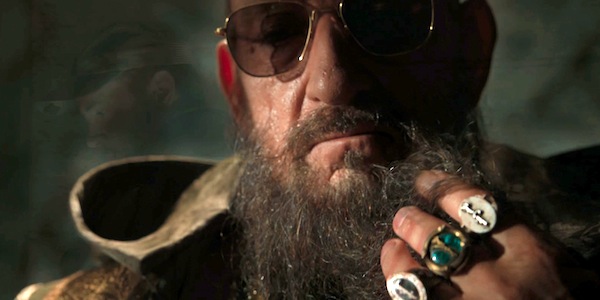
We could complain about this forever - and we probably will. The Mandarin is Iron Man's arch-nemesis in the comics. He's a classic comic book villain with a rich history of stories and characterisation dating back to 1964. He's Chinese, a descendant of Genghis Khan, a martial artist of otherworldly skill and possesses ten rings, each of which grant him a different exotic superpower (including things like telepathy and control over matter). So imagine the disappointment when he was, at first, presented as nothing more than a bumbling British actor with an alcohol problem and then as Aldrich Killian, a man with Extremis powers and the head of A.I.M. Essentially, neither of those are anything like the comic book version. It's Marvel's biggest error in this continuity to date and caused uproar. Such was the extremity of the fan complaints, they caused Marvel to perform a U-turn and acknowledge that the real Mandarin is actually still out there in the Marvel Cinematic Universe. The recent Marvel One-Shot "All Hail the King" revealed that the real Mandarin was angry at Trevor Slattery - the aforementioned bumbling British actor - for portraying him in the way that he did. Will the real Mandarin be unleashed in the Marvel Cinematic Universe? Who knows? But the original presentation of the character was almost franchise suicide by Marvel. So there you have it - ten terrible mistakes that almost ruined the Marvel Cinematic Universe for everyone. Do you agree? Which other errors in the MCU were detrimental to the franchise? Let us know your thoughts in the comments box below.

Contributor
Contributor

I'm a Tottenham Hotspur fan who loves comics and comic book movies.