10 Things The Amazing Spider-Man Does Better Than The Original Trilogy

We'd take Stonefield over Magdunst any day of the week.
Marvel are absolutely dominating the box office with their Cinematic Universe and 20th Century Fox have successfully brought the X-Men back from the murk of The Last Stand. And then there's Sony. While other studios have been relishing in critical praise and box office success, The Amazing Spider-Man 2 was the worst received entry in the once immortal franchise, making a genre staple seem tired and obsolete. The whole reboot has been condemned from the off, going back to the start purely out of a desperation to retain the rights to the character (Sony must produce a new Spider-Man movie every five years, otherwise the property would revert back to Marvel). And while the fact that the company doesn't have a clue what to do with the character is painfully obvious, with each film seems more concerned with setting up the next than delivering something of worth in its own right, this isn't a Batman And Robin-level atrocity. Sam Raimi's trilogy was, for the most part, better than what's on offer in the newer, Marc Webb-directed series, but there are some points that Amazing does better, which we'll be exploring today. Let's not forget the original's did often fall into Raimi's penchant for camp. There's various rumours that Sony are planning to reboot the series again somewhat after the disappointing returns from The Amazing Spider-Man 2 (it's box office mat appear impressive, but it's short of what the franchise needs), with the previously stated future (Sinister Six, then a female led stand-alone flick, then The Amazing Spider-Man 3) thrown into doubt. It remains to be seen whether this speculation turns out to be true, so for now let's have a look at things that the still present version of Spider-Man did right.

10. Web Swinging

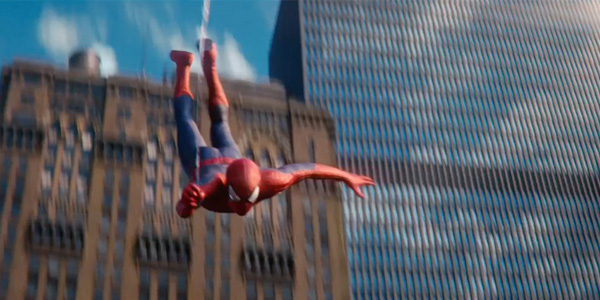
One of the central elements to making an exciting, large scale Spider-Man movie is getting the web swinging right. It's one of the character's most unique visual elements and without you may as well be watching any number of superhero flicks set with a generally strong hero. Sam Raimi's trilogy did a stand up job in doing this, trying all manner of camera tricks to create the illusion of flying through the streets. But while Raimi's was an illusion, in the Amazing films it felt real. The new series dabbled with a lot of things. The early trailers for the first movie boasted some exciting Spidey-POV action, but that was met with an iffy fan reaction and it was conspicuously absent from the finished film. Still, what's left is some exciting web swinging, with the POV making way way for a camera that overall hung closer to Spider-Man. Raimi's wide shots had shown the majesty of the character's swinging, but Webb's close ups, with the camera diving with Peter, put audiences in the same adrenaline rush position as their hero. Raimi attempted this at points, but Webb was greatly helped by the leaps forward in CGI in the decade between the films, with the whole thing feeling less stilted.

9. Romance

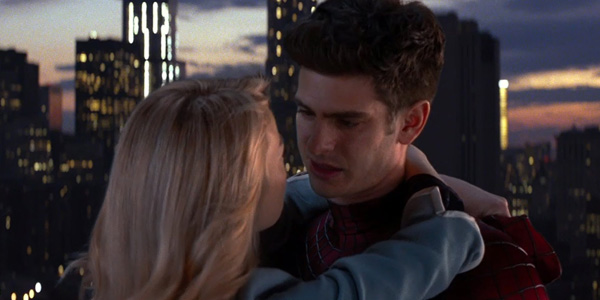
What would a superhero movie be without some form of romantic subplot? Probably really fresh and unhindered, but it's one of the those genre necessities, like an impractical suit or dead parents; you can't just get rid of it. Many movies look like they wish they didn't have to - Iron Man seems to find Gwyneth Paltrow as annoying as the rest of us - and to that end both Spider-Man series have done a pretty good job. Boosted by the fact their hero is a teenager, romance provides a central backbone to the character. In the films at least, Mary Jane is the long unrequited childhood love (and remains that for two-thirds of the original trilogy) and Gwen Stacy is that ideal first love, with the relationships between Peter and his respective crush mirroring Spidey's journey. What inches The Amazing Spider-Man ahead is that its relationship goes beyond kissing and getting kidnapped - the logistics of dating a superhero are much more thoughtfully explored than in Spider-Man 3 (shocker). Marc Webb had previously directed (500) Days Of Summer, one of the finest movies about love from the past decade, so what did you expect?

8. Quips And Comedy

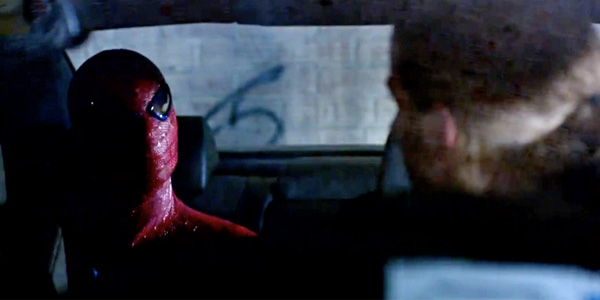
It was inevitable that in the aftermath of The Dark Knight and the seismic shift into the grit it had on movies that there'd be films striking out to be different. Marvel have been the best to capitalise on this, their fun approach to lesser known characters leading to phenomenal success. It's also something The Amazing Spider-Man did, although to an admittedly lesser extent. The first film may be following the Batman Begins model of a movie-long origin story with a realistic bent, but unlike Man Of Steel it doesn't let itself lose the essence of its individual character entirely in the process. Throughout the movie Peter punctures the more serious action beats with the quips you've come to expect from Spider-Man - "if you're going to steal cars, don't dress like a car thief" To the uninitiated it may sound pretty out of place, but for Spider-Man it's right on the ball, fitting how he's played in the comics. Raimi's films had the odd witticism, but they didn't feel anywhere as free-flowing as they do in the Amazing films (particularly the first); the screenwriters hand loomed obviously over any joke.

7. Oscorp

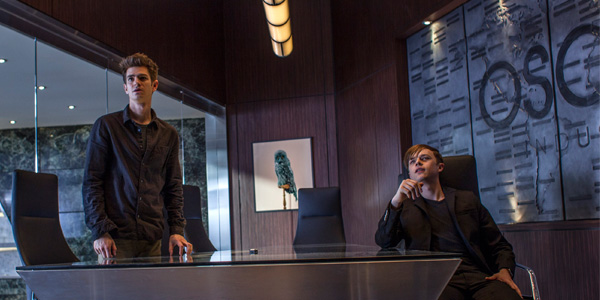
Oscorp is, according to Forbes, the twenty-third largest fictional company, placing just above Nakatomi Trading Corp. and a billion or so below Gringotts (if you're curious, the top spot goes to CHOAM from Dune). That's pretty massive and it's really only to be expected they'd have a pretty big impact on their world. In the comics it's less the company and more its CEO that draws the focus; Norman Osborn may have been originally a Spider-Man baddie, but over time he's become a supervillain that impacts the whole Marvel universe. Of course, in the movies that whole rights issue means that can't happen, putting more stock on the Spidey-only world. In Raimi's movies Oscorp was a kinda go-to company that explained away how crackpot scientists got a ridiculous amount of money, but in the Amazing series it's explored to a greater extent, with the company's antics forming a strong background to the plots. Some may not like it, but it's nice to see villains aren't just popping up in enticing coincidences as is the genre cliché. The film doesn't deal with it in the best way, letting contrivance after contrivance pile up as it keeps showing a lack of interest in exploring the company's motivations. But that's not an issue unique to the reboot; villain origins that require leaps of logic and a murky explanation of how the company works were prominent in Raimi's films too.

6. Crying

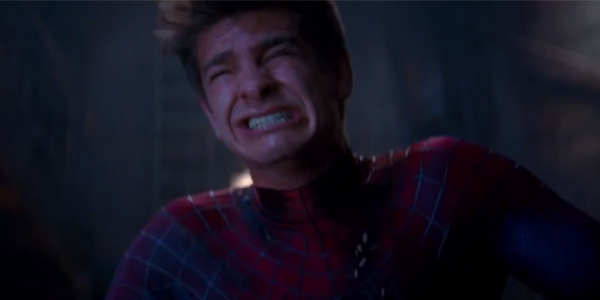
Although Tobey Maguire did a lot right with his performance, what the enduring legacy of his Peter Parker seems to be is his cry face. Spawning memes (the ultimate modern acceptance into the popular consciousness), through the course of the Spider-Man Trilogy Maguire blubs his way through deaths, regret and, probably, cutting onions. It's not as bad as it looks in isolation and kinda lends to the film's sixties throwback nature, but still. The Amazing Spider-Man was originally going to be totally back to basics, with Peter Parker, rather than Spider-Man the focus. While that idea's long gone, we still have Andrew Garfield in the role and Marc Webb as director, so the emotional side of things is dealt with a little better. And thankfully the (fewer) crying scenes are remarkably improved, with Garfield being a lot more, dare we say, nuanced in this particular aspect. OK, so the picture above just makes him look like he's constipated, but trust us, in the film itself it's a lot better.

5. Being A Teenager

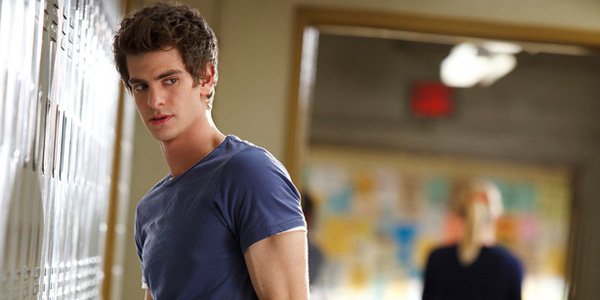
Peter Parker isn't a billionaire or a scientist or even an adult; he is a teenager. And that is one of the central charms of his character. Stan Lee originally made Spider-Man to be a character that would directly appeal to the readers, rather than just serving as a blank avatar (see The Fantastic Four). It made him relatable and helped the books explore the real-world ramifications of being a hero (at least to the extent of what was possible in sixties comics). Central to this was that Peter was a geek. He was uncool, unpopular and wore that age-old adage of dorkiness, glasses. Raimi's films did this side well (so well the majority of people didn't even release), but one of the big criticisms of the reboot is that it replaces geek for inexplicably outcast hipster. But that actually works. Here's the thing. Peter Parker was a nerd because the target audience of the original Spider-Man comics was; it was a slice of aspirational fun. The audience for a modern Spider-Man movie is not just nerds; it's teenagers, all of whom find themselves an awkward fit in society (without realising that's a shared experience). Raimi's films were purposely invoking the character's origins, while Webb's films skewed much more modern. And in doing so they made a more relatable hero.

4. Stan Lee Cameos

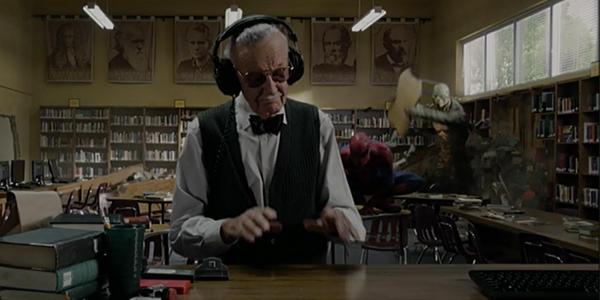
We can't fault Raimi's trilogy too much on this point, given that it was an in-joke only just finding its feet, but there's no denying that The Amazing Spider-Man boasts infinitely better Stan Lee cameos. Already a well known face to comic book fans, the former Marvel editor-in-chief and creator of many of the company's most loved heroes has become something of a celebrity thanks to his appearances in most of the big screen outings for characters he masterminded (and some he didn't). This all kicked off in the first X-Men and is now so ubiquitous that if he doesn't pop up it's noticeable; even people completely uneducated in comics can point him out. The cameos in the first two Spider-Man's were blink-and-you'll-miss-them appearances and while the third film boasted some sentimental fourth wall breaking, it can't compare to what The Amazing Spider-Man brought to the table. For our money the best of all Stan Lee's cameos, the reboot sees him play a librarian completely oblivious that Spidey and Lizard are duking it out right behind him. And it is hilarious.

3. Including The Sinister Six

Back when the first Spider-Man came out the superhero genre was in its absolute infancy, with things kept pretty basic for a good few years (which led to utterly disastrous outings for Fantastic Four and Daredevil). Now we've had superhero movies winning Oscars for their acting and complex comic storylines (cross-franchise team-ups and time-travel) brought to life films can afford to be a bit more adventurous. We're finally getting Batman and Superman on screen together and, bringing it back to Spider-Man, the Sinister Six are coming. It's strange that it took almost a decade and a half for this to happen; the sextet are one of the most exciting part of Spider-Man's villains. Originally featuring Doctor Octopus, Vulture, Kraven the Hunter, Mysterio, Electro and Sandman (expect Rhino and Green Goblin to sub out the last two), the team has become a go to threat in the comics and the various cartoons. Quite how we got there (by way of a complete change in franchise mid-way through) isn't great, but that the series is trying to bring them to the screen is promising and shows a plundering of more than just the surface elements of the series. Who's for the Clone Saga next. Actually, no.

2. Man-Made Web Shooters

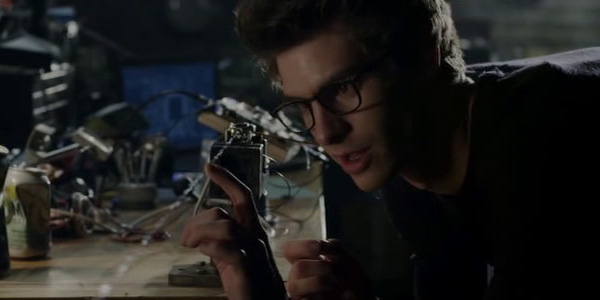
For all its adherence to the ideas of the comics, relishing in the original run rather than recent developments, Raimi's first film did make one conspicuous divergence; the biological web shooters. Conventionally developed by Peter as an addition to his powers, the film had it another by-product of the radioactive spider-bite. Amping up the whole puberty allegory of Spider-Man (it's actually rather graphic when you think about it) it irked a lot of Spider-Man purists and made the traditional two fingers down shooting method all look a little stupid. In one of the few cases of "if it's broke, bloody fix it" (not included were needlessly schizophrenic villains), The Amazing Spider-Man brought back the web shooters, with Peter adapting something already in development at Oscorp. The whole Peter making them point is actually quite important, serving as a nice and simple way to show off the character's intelligence. This has allowed for an easy way to reduce the character's powers - both movies have seen the shooters broken at unfortunate times - but the real advantage is in making the abilities overall just look a little less silly.

1. Gwen Stacy

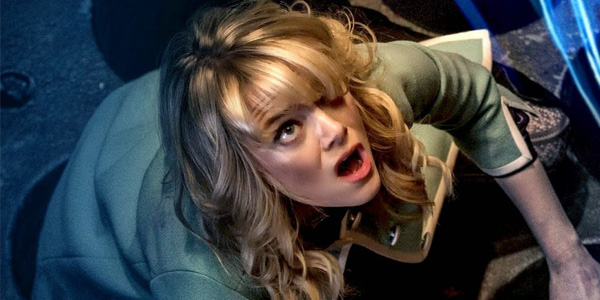
There's rumours that The Amazing Spider-Man 3 (if it now happens) will dabble in the whole clone fiasco that dominated Spider-Man for decades, with some suggesting Gwen Stacy will return to the series in some form. And that is in no way a surprise. Well, that they'll enter in one of the series' more ridiculous past-times is (the history with doubles is embarrassing), but we're in no way surprised Emma Stone may be coming back. Gwen Stacy was, without a doubt, the strongest part of the first two films, with Stone using her comedy background to deliver something actually believable. In print the character somewhat suffers from being a rather generic female character, but in the reboot she's made the ideal foil for Peter while also keeping the general gist of her traits. We've already mentioned how the new films do the romance better (it does help when your two leads are an item in real life), but the fact they get Gwen right deserves praise in itself; the Bryce Dallas Howard version from Spider-Man 3 was obsolete on arrival (many elements of Gwen's character had been put into Kirsten Dunst's Mary Jane). The only place where The Amazing Spider-Man loses it is in Gwen's death, arguably her defining trair. There's none of the misplaced glee from an oblivious Spider-Man and the moment itself (a clunk on the floor rather than a haunting snap) is pretty laughable. Still, it's further than Raimi ever went. What do you make of The Amazing Spider-Man in reference to the Raimi films? Do you agree with out assessment? Let us know in the comments below.

Contributor
Contributor

Film Editor (2014-2016). Loves The Usual Suspects. Hates Transformers 2. Everything else lies somewhere in the middle. Once met the Chuckle Brothers.