10 Things We Want To See In Ready Player Two
A bigger, bolder sequel.

Steven Spielberg's latest big-budget tentpole Ready Player One has released to critical acclaim and commercial success, damn-near confirming that Warner Bros. will be pursuing a sequel as soon as humanly possible.
Ernest Cline, who wrote the original novel and co-wrote the movie's script, is already hard at work on the follow-up novel, which will most certainly be named Ready Player Two, and also be completed with a film adaptation in mind.
There are clearly a lot of potential avenues for Cline and co. to take the sequel, but hopefully they'll listen to the vocal feedback about Ready Player One's gorgeous strengths and eye-rolling weaknesses, and adjust accordingly.
Though there's likely to be little fan consensus on what exactly Cline should do with the sequel, fingers crossed it'll include these 10 characters, themes, plot points and details in order to avoid feeling like a rote, cynical rehash of what worked the first time.
If they get it right, audiences will be practically gagging for Ready Player Three, so here's hoping...
10. A (Mostly) Standalone Story With New Characters
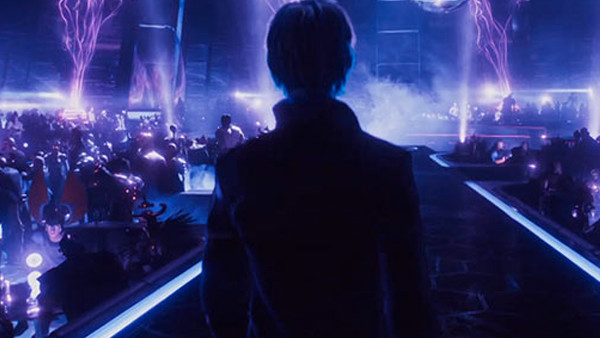
This might be a controversial starting point, but honestly, would anyone much care if Ready Player Two focused primarily on a new cast of characters?
The strength of the first film wasn't exactly its heroes, with Wade/Parzival (Tye Sheridan) and Samantha/Art3mis (Olivia Cooke) ultimately proving to be fairly basic archetypes to guide the audience through the effects-driven adventure.
Though Wade and Sam should still have supporting roles given their importance in maintaining the OASIS, focusing on a new set of heroes for the most part gives Cline and the director more room to inject some added personality into the apparently important human aspect of the story.
It would be somewhat fitting if the sequel's protagonist was a slightly younger character - after all, player two is always the kid brother, right? - whose time in the OASIS would eventually lead him to the High Five in act three.
Opinion will be heavily split on this, but given how the characters were probably the dullest aspect of the movie, they won't really be missed by those who haven't read the book.
9. Augmented Reality Brings The OASIS Into The Real World
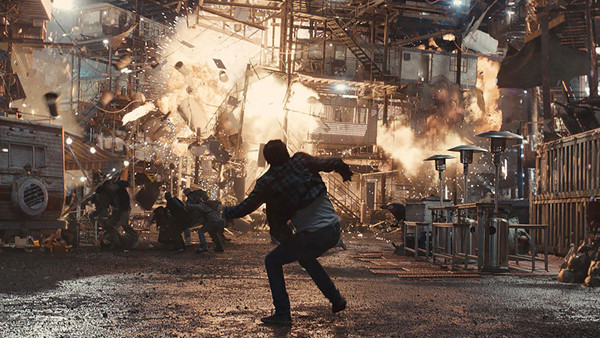
It's important to remember that Ready Player One's source material was released back in 2011, and its premise already seems a little dated due to how eagerly it banks on the success of virtual reality gaming tech, despite the fact that current VR trends suggest otherwise.
Rather, augmented reality gaming - where the player isn't locked inside a helmet away from the real world - is far more likely to land with the mainstream, and so it'd make sense for Cline to appreciate this market shift when plotting out the sequel.
Focusing on AR technology could allow the OASIS to spill out into the real world, and while many players treat the current OASIS as an escape from the horrors of the real world, the first film's ultimate message about unplugging from virtual reality and enjoying the real world feels like a natural nod towards the impending popularity of AR gaming.
Though real-world AR tech is still rather primitive - Pokémon Go, for instance - it should nevertheless give Cline a firm base to imagine its far more advanced and immersive potential (just as he did with VR in the original story).
8. No Romantic Subplots

By far the worst plot element of Ready Player One was the romance between Wade and Sam: it felt rushed and thoroughly unconvincing, a typicality in big-budget blockbusters where it so often feels like an arbitrary, box-ticking exercise.
The love story also appears in Cline's source novel, and similarly, it's the weakest aspect of the book, but hopefully Cline might listen to the vocal criticism and tone things down for the sequel.
It's not like a $175 million celebration of nerd culture needs a love story to work, and whether Ready Player Two follows Wade and Sam or introduces new protagonists, it'd be great if the gooey romance could be kept to an absolute minimum.
7. More Contemporary Pop-Culture References

Somewhat peculiarly, despite being set in 2045, the first movie's focus is trained so specifically on 1980s pop culture, which is effectively treated as the high-zenith of entertainment.
It's tantamount to today's kids going nuts over movies from the mid-1950s, and though true classics will always stand the test of time, the fact there aren't more current pop-culture mainstays in the mix is a bit baffling.
Granted, a lot of that may come down to legal red-tape more than anything - it surely has to be easier to license a long-dormant property than one that's currently in use - but while the modern likes of Minecraft, Halo and Overwatch's Tracer do show up, it'd be great if the first movie's success encouraged more studios to sign off on their properties being included in the sequel.
What about seeing Crash Bandicoot, any one of the myriad Assassin's Creed protagonists, the rebooted Lara Croft, Kratos, Marcus Fenix and so on? The choices are very nearly endless, and while it'd be impossible to include everything everyone wants to see, easing up on the 80s nostalgia-bait would be an easy way to diversify the sequel.
6. A New Director

Steven Spielberg did a fantastic job directing the hell out of Ready Player One and significantly elevating it beyond what it could've been in a lesser filmmaker's hands, but at the same time, the guy has a dodgy track record with sequels, and it's probably best if he moves on to other things and lets a younger, hungrier director tackle the follow-up.
The potential choices are countless, but our early suggestion is Joseph Kosinski, who did a fantastic job helming Tron: Legacy, its scripting issues notwithstanding. He's got an impeccable eye for visuals and is one of the few filmmakers who could take up Spielberg's mantle with a fair degree of seamlessness.
Spielberg will surely be getting an offer to return to the director's chair if he hasn't already, but with the ridiculous array of projects on his slate right now, it's probably best for everyone involved if another talented filmmaker is brought in.
5. A More Self-Aware Script
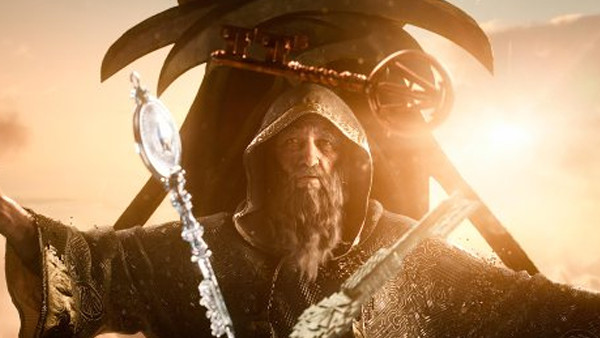
Though Ready Player One demonstrated an undeniable love of pop-culture in all its forms, especially video games, it also could've done with being a little more self-aware in terms of how it replicated the breadcrumb-following loop of an actual video game.
As Wade has to track down three keys in order to complete Anorak's Quest, he's essentially sent on what gamers call a "fetch quest", a typically rote exercise in seeking out a number of trinkets which will allow the player to progress.
To that end the spine of Wade and Sam's adventure is actually pretty dull, but had the script been a little more aware of this fact, perhaps it might not have seemed quite so uninspired.
Sure, the fetch quest resulted in some truly staggering set-pieces - especially the wonderful homage to The Shining - but a sequel that feels a little more 22 Jump Street-esque, by drawing attention to its status as both a video game and a video game sequel, would be very much welcome.
4. Commentary On Current Gaming Trends

There are definitely moments in Ready Player One where it feels like Cline is about to comment on the current state of video games, especially with Ben Mendelsohn's money-grubbing baddie Nolan Sorrento, but he stops short of fully committing to it, perhaps for fear of alienating more general audiences.
Given the recent controversy revolving around microtransactions, loot boxes and generally crass monetisation practises in gaming, it'd be interesting to see that somehow incorporated into the sequel's premise.
Sure, nobody wants to watch a $175 million lecture about those greedy, greedy executives, but if it can be massaged into the typical action-packed shenanigans, it could flip a defiant middle-finger at some of the uglier aspects of the video game industry.
Given that many of the license-holders involved with the first film are guilty of these practises themselves, though, they might not take quite so kindly to such a message being included in the sequel. It's a tricky tightrope walk, but if it's subtle and clever enough, it could be quite a moment of big-screen vindication for gamers the world over.
3. An Exploration Of Existential Themes
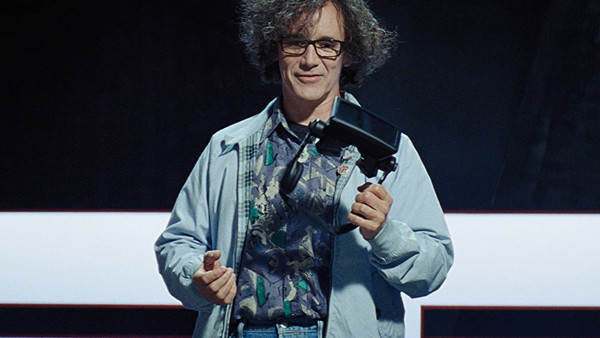
One of the most intriguing moments in Ready Player One is Wade's final meeting with OASIS co-creator James Halliday (Mark Rylance), who is of course dead before the adventure even begins, but appears at the end of Wade's final challenge as a virtual projection of the man's essence.
Wade even seems unsure of exactly who or what he's talking to, and there's the slightest hint that maybe, just maybe, some of Halliday is able to live on in the OASIS somewhere.
After all, a significant portion of his memories are archived in the OASIS, so it wouldn't be terribly surprising if, prior to his death, Halliday found a way to transmute his entire consciousness into the virtual realm.
Transhumanism is a subject that's been tackled in plenty of movies, perhaps most memorably the Tron films, Avatar and the (admittedly pretty naff) Johnny Depp movie Transcendence. Exploring this in Ready Player Two would potentially make it a far more thoughtful, surreal movie than its predecessor, asking intriguing questions about what it means to live, and the true nature and potential utility of technology.
If Halliday has managed to endure in the OASIS, it'd also give Wade an even greater impetus to keep it stable and protected from the inevitable villains who will presumably seek to corrupt or even destroy it.
2. The Big Red Button Gets Pushed

In Wade's meeting with Halliday at the end of the movie, Halliday not only grants him entire control of the OASIS, but also bequeaths him a Big Red Button, which can be used to shut the OASIS down if he so wishes.
Though Wade doesn't use the button in the movie, its introduction does seem significant enough that it should have some sort of relevance in the sequel. Perhaps the villains are planning to have Wade shut the OASIS down for good, or maybe Wade is even forced to press the button when the OASIS grows beyond his control, and somehow build a new one with the help of Ogden Morrow (Simon Pegg).
The possibilities are endless, but seeing the OASIS shut down, especially as a cliffhanger for Ready Player Three, would be one hell of an intriguing hook to keep fans guessing.
1. A Two-Hour Runtime
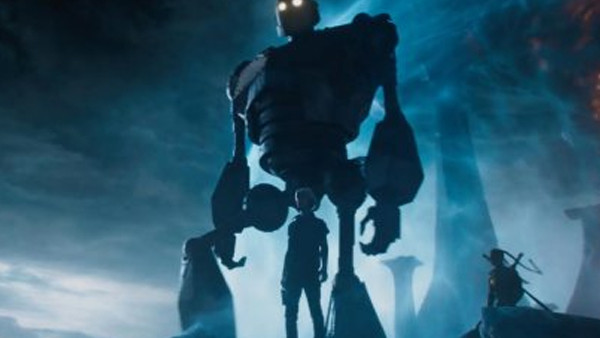
And finally, it'd be really great if the next movie wasn't so damn long. At 140 minutes in length, Ready Player One did feel a little on the bloated and padded side, especially with how much exposition is loaded into the first act in particular.
Yes, there's a lot to cram in, but with the premise and setting already established, hopefully Ready Player Two can be a tighter, more fleet-footed affair, running to a comfortable two-ish hours.
With the right script no movie is too long, but given that the first film was really just an enjoyable, popcorn-munching blockbuster, it's best if the sequel knows its limitations and doesn't outstay its welcome as its predecessor did somewhat.
What do you want to see in Ready Player Two? Shout it out in the comments!