10 Things You Didn't Know About American Psycho

Read this before you return those videotapes.
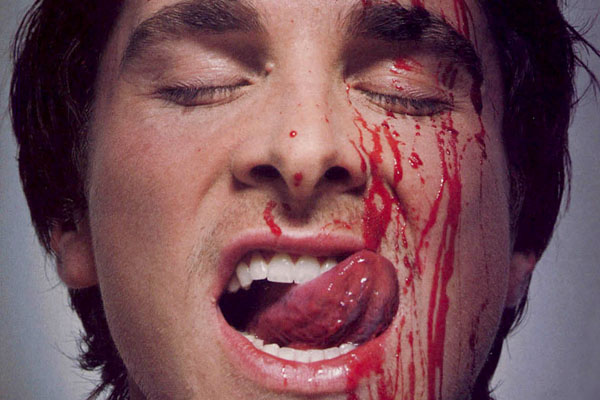
Mary Harron€™s American Psycho is a brilliant piece of film-making, but nonetheless a very, very weird one. When else have you seen an investment banker consider feeding a stray cat to a cash machine, for instance? With that in mind, you might be surprised to hear that there was an even stranger story going on behind the scenes €“ actors were sacked, directors replaced and at one point the script ended with a big musical number atop a New York landmark. No really, it did. Within the film itself there€™s often more going on than meets the eye, as well. There€™s improvisation, unsettling editing and tiny references back to Bret Easton Ellis€™ iconic novel that you might have missed. And just you wait until you hear all the weird ways in which Christian Bale prepared for the role of Patrick Bateman. A role that, for a time, it seemed like he might have missed out on€

10. Leonardo DiCaprio Was Almost Bateman
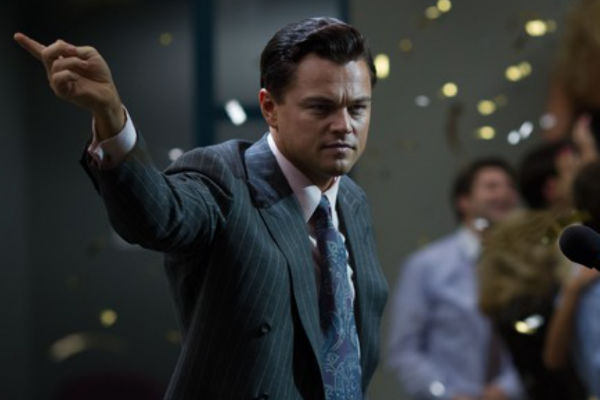
Director Mary Harron hired Christian Bale for the part of Patrick Bateman in 1997, three year€™s before American Psycho€™s eventual release. Prior to this, David Lynch had been attached to direct the movie in 1992, and Johnny Depp had expressed interest in the title role. Even after being hired, Bale continued to face competition for the part. When Lionsgate had come on board as the distributor, they weren€™t convinced that the Welshman was famous enough for the part. (At the time he€™d appeared in plenty of films but wasn€™t yet established as a bankable leading man.) Lionsgate were keen for Harron to consider Ed Norton and Leonardo DiCaprio. Harron refused to see DiCaprio, wishing to uphold her agreement with Bale and believing that Leo€™s teen charm reputation of the time would diminish the movie. Director Oliver Stone was brought in to replace Harron, but couldn€™t agree with DiCaprio on the direction of the film (Stone wanted less satire and more psychological stuff). The role was offered to Ewan McGregor, who ultimately turned it down because Bale €“ still holding out hope and refusing other auditions €“ asked him to. Bale€™s persistence paid off when he and Harron were re-hired, albeit with a strict budget of only $10 million and a Lionsgate demand that recognisable talent fill out the supporting roles.

9. Bale Really Did That Entire Cosmetic Routine
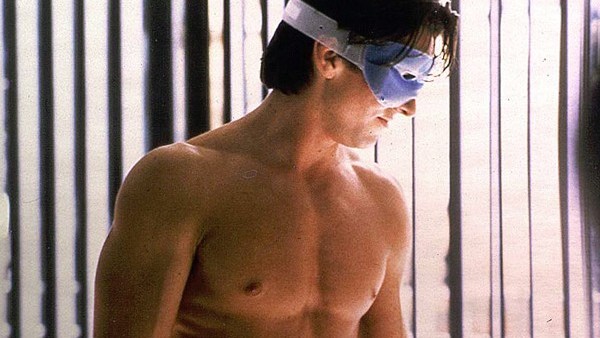
Finally given the go-ahead to play the role, Christian Bale underwent a rigorous preparation period. He even got major dental work done in the fear that a gap between his front teeth just wasn€™t right for Bateman. €œI liked my old teeth. I have a moulding of them on a shelf,€ he later lamented to The Guardian. He also explained in the same interview that €œworking out took over life.€ It€™s believed that he spent months working out on his own before pre-production had even begun. And when it did, he worked with a personal trainer for three hours a day in a bit to achieve what Bateman describes in the source novel as an €œOlympian physique.€ And he didn€™t stop at that, either. Do you remember Bateman€™s lengthy cosmetic routine from the opening scene of the film? Well, Bale actually did all of that during American Psycho€™s production. He procured all the necessary products and applied them daily as the script suggested, presumably in a bid to enter the mindscape of the serial narcissist he was portraying. On top of all this, Bale also took inspiration from some unexpected places to nail down his portrayal of Bateman€

8. Tom Cruise And Nic Cage Were Inspirations
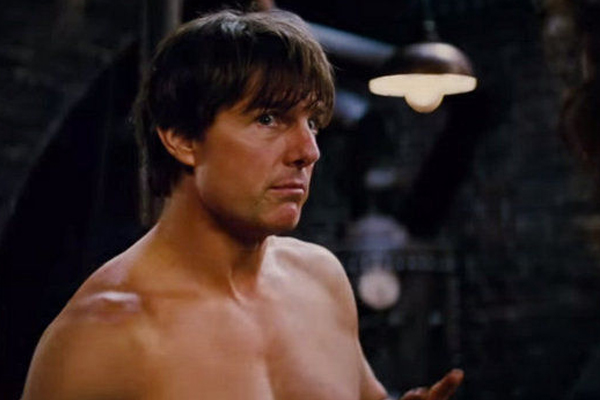
Understandably, Christian Bale didn€™t find it easy to get inside the head of the complete and utter psychopath Patrick Bateman. In an interview with Black Book Magazine, Harron recalls multiple phone calls where she and Bale tried to get to the crux of the character prior to filming. €œWe talked about how Martian-like Patrick Bateman was,€ Harron explains in the interview, the idea being that Bateman was constantly €œwatching what people did and trying to work out the right way to behave.€ But still, it seems that Bale didn€™t quite have his performance fully prepared. A eureka moment came when Bale saw Tom Cruise being interviewed on David Letterman€™s late night talk show. Harron recalls that Bale was €œreally taken with this energy€ that Cruise was emitting, €œthis very intense friendliness with nothing behind the eyes.€ Added to this, Bale also used Nic Cage€™s unhinged turn from the 1988 film Vampire€™s Kiss €“ where Cage played mentally ill literary agent Peter Loew - to inform his psychopathic performance. Bateman is essentially multiple manic Hollywood personas merged together, then, which makes for mesmerising results.

7. It Uses Editing To Confuse You

Do you remember feeling a bit off kilter whenever Willem Dafoe€™s character, Detective Donald Kimball, cropped up in American Psycho? If so, that means you fell prey to a deliberate dash of filmmaking trickery employed by Harron. You€™re meant to feel a bit confused by Dafoe€™s character, because Bateman is too. Harron achieved this effect (which totally worked on me, for the record) by instructing Mr Dafoe to play each of his scenes in three distinctly different ways. In one take, she€™d get him to act like Kimball knew that Bateman killed Paul Allen. In another, Dafoe would act like he didn€™t have a clue. And in the third version, he€™d be unsure about whether Bateman did it. In the edit, Harron ensured that these three takes were intercut meaning that Dafoe exudes this weird vibe like his character is constantly changing. It€™s very hard to read Kimball, which helps us see these conversations from Bateman€™s paranoid point of view. Clever, isn€™t it?

6. The Author Liked Everything, Except Bale€™s Dancing

Brett Easton Ellis €“ the author of the original American Psycho novel €“ was heavily involved at one stage of the filmmaking process. Before Harron and Bale had joined the production, David Cronenberg had hired Ellis to adapt his own novel into a screenplay. He struggled with the task, especially with Cronenberg wanting to exorcise the restaurant and night club-set sections of the book and also remove the violence. €œIt did veer off a lot from the book,€ Ellis said of his draft, which at one stage ended with a big musical number on the top of the World Trade Centre to the tune of Barry Manilow€™s Daybreak. A few writers came and took passes at the script after this, with the eventually filmed screenplay credited to Harron herself and Guinevere Turner. And Ellis was happy with the result, except for two things that didn€™t chime with him. Apparently, Ellis didn€™t enjoy the film€™s use of voiceover and also didn€™t care for Christian Bale€™s improvised dancing in the now iconic scene where Bale murders Paul Allen to the sounds of Huey Lewis And The News. Personally, I admire Bale's moves. Just look up there at the top of the page. Hypnotic, isn't he?

5. Elizabeth Is Played By The Screenwriter

You probably remember Elizabeth, Patrick Bateman€™s friend who takes part in the second threesome of the movie (the one that leads up to that grizzyly chainsaw scene). You may not know that Elizabeth is played by Guinevere Turner, the co-screenwriter of the movie. Notably, before the sex/murder action gets underway, she rattles on about surf bars, summer plans and cocaine while Christie the call girl sits in silence looking understandably worried. She then tries to phone her drug dealer despite it being 3am (€˜these are his peaks hours,€™ Elizabeth insists). Playing into the consistent theme that all the yuppies look the same, it€™s also unclear if Elizabeth actually knows who Patrick is. She refers to him by name at one point, but doesn€™t seem to bat an eyelid when he mentions that they€™re actually in Paul Allen€™s apartment. It€™s a memorable performance from Turner, albeit one that doesn€™t last for long. She somehow manages to make Elizabeth the unlikeable one in a scene where the only other characters are demure prostitute and a psycho killer, which is a highly impressive feat.

4. There€™s A Tiny Reference To The Book In The Last Scene

The ending to American Psycho is one of the film€™s biggest talking points. Fans still discuss to this day whether the events of the movie really happened, or if they€™re all just a figment of Patrick Bateman€™s overactive imagination. This ambiguity throws the whole film on its head right at the last. It€™s brilliant. In all this excitement, you may well have missed a tiny nod to Brett Easton Ellis€™ novel in the background. As Patrick sits at the table with his yuppie friends, a sign on the door behind him reading €˜THIS IS NOT AN EXIT€™ can be glimpsed before Patrick€™s inner monologue kicks in to close the movie. €˜THIS IS NOT AN EXIT€™ are the last words of the novel, the exact meaning of which in this context is also a source of debate. Presumably, it€™s meant as a final, defiant statement of the story€™s nihilist themes €“ there€™s no escape for Patrick, but there€™s also no consequences. There€™s no point to anything, and maybe Patrick€™s story was real anyway. Including this line is a nice touch from Harron, and one of many of examples of her respect towards the source material. She kept a lot from a book, including verbatim dialogue and directly lifted scenes. She even left in the bit with the stray cat and the ATM, which takes some serious commitment.

3. All The Business Cards Share A Typo

The multiple business cards of American Psycho make for a hilarious scene. To the untrained eye they all look pretty much identical, but to the yuppies of the movie there are tiny differences that seem to mean a lot in terms of social stature. One thing you may have missed is that all the business cards share the same typo. As you can see on Paul Allen€™s card in the picture above, they all have Pierce & Pierce Mergers And Aquisitions€™ written in the top right hand corner. They obviously didn€™t have autocorrect back in the 80s, because there€™s meant to be a C in that last word (it€™s actually spelt €˜acquisitions€™). In recent years, this typo has been heralded as a €˜huge mistake€™ by certain corners of the internet. But it€™s more fun to ponder whether it may actually have been deliberate. Perhaps the filmmakers intentionally included the misspelling, using it is as a playful poke at the characters in the scene. As in, they€™re all so obsessed by fonts and watermarks that they don€™t even notice that they€™ve spelt one of the main jobs of their company wrong. If you ever meet Mary Harron, then, be sure to ask if she meant to include the typo. I€™m sure she won€™t think you€™re a weirdo.

2. Bale Plotted The Sex Scenes In Detail

Okay, there€™s space for one more odd fact about Christian Bale€™s American Psycho preparation before it€™s time to wrap things up. You know all of the sex scenes in the movie? They€™re more meticulously planned than you might think. With Mary Harron, Bale watched X-Rated films to research how to stage the sex scenes just right. So the next time you have an awkward moment at work involving your boss, just be thankful that you don€™t need to watch porn together. The weirdness didn€™t stop there, either. According to the DVD commentary, Bale even made stick figure drawings to explain the positions he thought would work best for the first threesome scene. It€™s probably same to assume that they weren€™t as gruesome as Bateman€™s drawings, though.

1. The Batman Connections Go Deeper Than You Think

There€™s one obvious Batman connection in American Psycho. That would be the fact that Christian Bale€™s character killed Jared Leto€™s character, which - if you wanted to - you could read as creepy foreshadowing for the fact that the pair would go on play iconic archenemies Batman and the Joker in big DC Comics films years later. But, beyond that, there€™s a truly intriguing connection that goes back to Brett Easton Ellis€™ source novel. Therein, Elizabeth €“ the character played by Guinevere Turner, as discussed earlier €“ nicknames Patrick €˜Batman,€™ due to the similar spelling of Bateman€™s surname and the crime fighting moniker of Gotham€™s caped crusader. For whatever reason, Harron and Turner decided to take this nickname out of their script. That€™s probably for the best, because if Elizabeth had dubbed Bale Batman in American Psycho so long before he won the role in real life, the internet would probably never stop talking about it. Okay, I know I€™m still talking about it regardless... My bad. What€™s your favourite weird fact about American Psycho? Head to the comments and let us know€

Contributor
Contributor

Film & TV journo. Quite tall.