10 Things You Need To Know About Darren Aronofsky's Batman

Starring Dirty Harry as the homeless, penniless Dark Knight!

You wanna watch out for that Darren Aronofsky. He might just surprise you. After a good couple of decades making grim, magical realist dramas like Requiem For A Dream and Black Swan, he was surrounded by rumours that he was due to direct either/or the second Wolverine film or that ill-fated Robocop remake. In the end he did neither: instead, he did a big-budget retelling of Noah And The Great Flood, in a way that displeased the faithful and was of no interest to his usual audience. That seemed like something of a left-turn for the auteur director, but it was on the cards for a good while before. Because, not so far back in the mists of time, Aronofsky was approached with an even stranger proposition. Warner Bros were floundering in the wake of their critically and commercially disappointing Batman sequels, eventually canning Joel Schumacher's plans for another total camp-fest. Instead, they threw out the colourful, cheesy tone that had devolved through Batman Forever and Batman & Robin, and decided they wanted the exact opposite. And that Darren Aronofsky, promising young director of that heroin horror film, was the man to do it. Right around the time he needed money for his time-travelling love story The Fountain, no less. Sadly, it was not to be, with Aronofsky instead making a comeback with the Mickey Rourke-starring The Wrestler. And who knows how he eventually got to Noah. But in the meantime, he made a bit of headway on his take on the Dark Knight €“ complete with a non-traditional Alfred, a lower budget, and an even grittier world than Nolan's. Here are ten things you need to know about Darren Aronofsky's Batman.


10. It Was Based On Year One

Frank Miller and David Mazzucchelli's Batman: Year One is one of the most revered texts in the Caped Crusader's canon, its name invoked in any number of adaptations of the character to other media (including the animated movie that's actually based on the story, which DC put out a couple of years ago). It's been claimed as an influence on everyone from Nolan to Burton, but Aronofsky was more literal with it. His Batman film might even have been called Year One, as that's the title the early script drafts carried, and it definitely drew on the arc considerably. Originally published in the pages of the main Batman title in 1987, the origin story looked at the early days of both Bruce Wayne and Jim Gordon's crime fighting careers in Gotham City. Miller's version of Gotham was, typically for the writer, rather grim, dark, and seedy. Organised crime ruled the streets, about half the city was a red light district, and most of the police force were corrupt. All of those tropes would've shown up in Aronofsky's film, and it followed the rough plot of Bats taking down the warring crime families, with no supervillains involved.

9. Frank Miller Worked On The Script

In fact Aronofsky's interest in the source material stretched further than just taking inspiration. He actually called Miller himself in to work on the script, with the early drafts carrying the comic book writer's name only (probably thanks to Director's Guild rules). Miller actually had some prior experience in Hollywood, bringing his own particularly nihilistic worldview to the Robocop sequels €“ he wrote draft screenplays for the second and third films, both deemed €œunfilmable€. Apparently his Batman comics were quite the thing in Hollywood, with the acclaim and hype surrounding his earlier dystopian future story The Dark Knight Returns getting him the Robocop job in the first place. It was his name attached to Year One that got Warner Bros interested in Darren Aronofsky's take on Batman...even though both writers were planning on a fairly loose adaptation. €œIt's somewhat based on the comic book,€ the director said. €œ toss out everything you can imagine about Batman! Everything! We're starting completely anew.€ Miller was clearly happy to make changes to his book, since he did the lion's share of the scripting, but ultimately his version of the screenplay ended up miles away from the comics €“ different enough that the studio canned the project.

8. Catwoman Was A Big Part Of It

One thing they did carry over from the comic story is Selina Kyle's involvement. Catwoman has always been a big part of the various Batman adaptations over the years €“ from Eartha Kitt in the sixties Adam West series, to Anne Hathaway in The Dark Knight Rises, to Michelle Pfeiffer's key role in Batman Returns, and that Halle Berry film sure did happen. She had a pretty big part in Year One, too. In the comics a pre-Catwoman Selina is seen a few times, working as a madame in a Gotham brothel, initially wielding her signature whip as a kinky S&M prop rather than a weapon. When the organised crime element Batman and Jim Gordon are facing spills over into her turf, however, she proves that she's just as eager to keep Gotham (relatively) safe and tidy. That's true in the Year One movie script, too. In fact it seems almost as much an origin story for Catwoman as the Caped Crusader, with the young dominatrix's rescue from a sticky situation by the beginner Batman inspires her to not only begin her life as a crime-fighting and committing anti-hero, but also sparks an attraction to Bruce Wayne. She describes him as the first real man she ever met.

7. It Was Way More Grounded (Even Than Nolan)
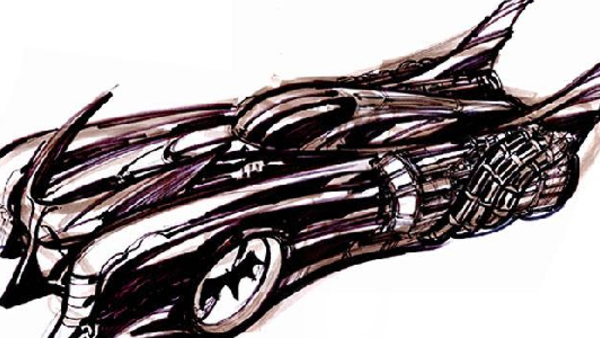
When Aronofsky said he wanted to throw away everything people thought they knew about Batman, he wasn't kidding. Christopher Nolan's Dark Knight trilogy has been praised for grounding the comic book hero in the real world more than usual, with the Caped Crusader facing enemies that were just regular people without superpowers, whilst clad in the sort of thing that the military would if they had more theatrical flair. Aronofsky and Miller's script for Year One went a fair ways further than that. They wanted to totally strip Batman of all the furnishings and privilege he has in the comics €“ in broad strokes his origin is pretty much the same (orphaned after his parents were killed in a botched mugging), but the wealth of resources he inherited from his entrepreneurial father? Non-existent in this version. This was a working class, street-level Batman who couldn't rely on a big back account for all of his wonderful toys. Which meant that the Batmobile was a tooled-up Lincoln Continental, he learns all of his martial arts and detective skills by reading books whilst homeless as opposed to travelling the globe and being taught by the masters, and instead of having all those grappling hooks, batarangs and the like? Yeah, no, he mostly just threw acid in people's faces and used smoke bombs and stuff.

6. Alfred Ran A Garage

Still, there were a lot of familiar faces in the script, if not quite in the form you remember. As in the Year One comic Jim Gordon was a big part of the story, although his arrival in Gotham didn't mirror Bruce Wayne's beginnings in the same way. In the proposed film Gordon had in fact lived in the city for decades, and was desperate to leave for the good of his pregnant wife. Who was called Ann instead of Barbara, for some reason. The biggest chance, however, was made with Alfred. Obviously, given the set up of a homeless, penniless Batman, having a family butler doesn't really make a whole lot of sense. Aronofsky still wanted Bruce's closest ally and confident in the mix, though, so he opted to include him as Lil Al: Auto-Mechanic. Seriously, in Darren Aronofsky's Batman film, Alfred would've been a garage owner. A €œgigantic, early middle-aged black man€ who was responsible for taking the orphaned Bruce Wayne off the streets, training him up in the skills of fixing cars in his garage Al & Son (which came in handy when the Batmobile needed tooling up). Catwoman too was African-American in their script.

5. The Costume Was Pretty Traditional
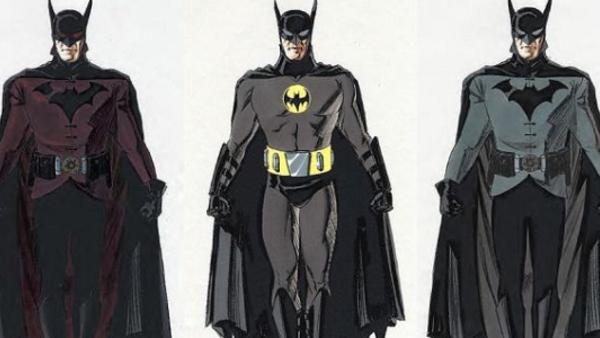
In fact one of the few places that Darren Aronofsky's Batman: Year One stuck to the accepted narrative of the Dark Knight is in the costume design. It's only in the past few years that images leaked onto the internet of concept art for his abandoned film, with the man himself taking to Twitter to confirm that he hadn't commissioned the work himself. Which is probably because it wasn't his job to, jeez, what a control freak. As far as anyone can tell the designs are legit, though, giving a look at Selina Kyle in her standard black catsuit (along with goggles similar to the sort she was wearing in the comics at the time), a typically bespectacled and grey-haired Jim Gordon, some Rube Goldberg-esque Bat-Gadgets, and the Lincoln Batmobile. Apparently at some point in the script the Dark Knight comes into at least a little money, though, since the costumes they were considering were pretty close to the sort worn in the comics. The insignia across the chest varied in size and shape, but everything else was in order: cape, cowl, gloves, utility belt, boots, tights, underwear over trousers. Some involved more straps, or darker colours, but otherwise pretty traditional.

4. None More Noir

Frank Miller loves him some noir. Hoo buddy, if you went to his house? He's almost certainly got some kind of messed-up lighting scheme which casts expressionist shadows all over the place. His Sin City comics are a riff (to varying degrees of success) on classic pulp gumshoe tropes, from the lighting to the stock characters to the depiction of crime and punishment to the stylised narration €“ and it's the latter that wound up all over the Year One script. Honestly, the further they got into the project, the more interested Aronofsky and Miller seemed in making a hardboiled noir thriller than a Batman movie. Jim Gordon is the one good cop in a sea of corruption trying (and failing) to turn the tide. It's basically the overarching plot of the current Gotham TV series done right. Plus he chain smokes, which is rare for a superhero flick. The most noir part of the whole shebang, though? The narration. Oh yeah, there was Phillip Marlowe-style voiceover throughout the Year One script, with the interior monologue of Travis Bickle from Taxi Driver and Rorschach from Watchmen (another gritty eighties superhero comic) being counted as touchstones €“ which should give you some idea of the mental state of this particular Batman. Remember how Ridley Scott hated the voiceover added to Blade Runner? Well, this was much worse.

3. It Probably Would've Been R-Rated

This should be the least surprising thing about Darren Aronofsky's Batman. Especially since he was working from Frank Miller's comic, with the man himself; the comic book legend doesn't tend to make family-friendly stuff. This is the guy who took Daredevil from a fairly happy-go-lucky Errol Flynn type to a guy who has all his girlfriends murdered and then plays Russian Roulette with the killer. €œI was pitching to make an R-rated adult fan-based Batman €“ a hardcore version that we'd do for not that much money,€ Aronofsky has admitted. €œI think Warners always knew it would never be something they could make. I think rightfully so, because four-year-olds buy Batman stuff...so they really need a PG property.€ And PG his Year One script certainly was not. Very much taking its cues from the hyper-violent world of Frank Miller's comics, fight scenes are described as an €œalmost orgasmic release of raw, pent up violence€, Jim Gordon is suicidal, Bruce Wayne is on various medications for mental health issues, and there's more salty language than...well, an argument about which the best Batman movie is between nerds.

2. It Lead To Batman Begins

It's sort of a shame that Aronofsky's film didn't get made in a lot of ways €“ it might have opened the door to more non-traditional takes on superheroes, and maybe allowed the genre to mature a little more. It might also have been a total box-office bomb that put Warner Bros off of making another cape film for decades, though, thus plunging us all into a world without the current big DC plans and the Marvel Cinematic Universe to boot. But the best reason for Year One never making it past script form? It meant that Christopher Nolan got to make his version of the Batman films. According to Aronofsky there was a vague plan for a time to have multiple Batman movies: his grown up one, a more teen-oriented one, one accessible to kids, etc. Obviously Warner Bros got cold feet on the plan overall, but it's clear that working on Year One helped them focus a little: they wanted a grounded, somewhat mature take on The Dark Knight, but not quite as down and dirty as the take Miller and Aronofsky were presenting. And, so, Batman Begins eventually happened, leading to probably the best trilogy of superhero movies so far. Apart from Blade, obviously. Aronofsky may very well have helped with the casting, too...

1. Clint Eastwood Would've Played Batman

As work on Year One got more serious, Aronofsky was mainly courting Christian Bale for the lead role. And everybody knows he would've been perfect for it, since the actor went on to be a terrific Bruce Wayne/Batman (well, besides the voice) in Nolan's Dark Knight trilogy, and he probably would've been just as good €“ if not better €“ as the explicitly unhinged, violent and kinda damaged version in the previous iteration of the rebooted origin story. That wasn't Aronfosky's first choice, though. In fact he got the job working on a new Batman film with a simple, concise, and absolutely insane pitch he gave to Warner Bros: €œI told them I€™d cast Clint Eastwood as the Dark Knight, and shoot it in Tokyo, doubling for Gotham City. That got their attention.€ Yes, along with citing the likes of Serpico and The French Connection as influences, Aronfsky wanted Dirty Harry to play Batman. Which...is actually sort of genius. Less so for the Year One idea he eventually landed upon, because Eastwood is obviously a little old to be playing Batman at the start of his career, but if you were doing the sort of grizzled, elder hero from The Dark Knight Returns, or the one Ben Affleck's playing in the upcoming Batman V Superman? That would actually work. Plus under the cowl, all the acting's in the chin, and Eastwood has a snarl for the ages. Presumably in a sequel his sidekick would be an empty chair he talks to rather than Robin, though.

Contributor
Contributor

Tom Baker is the Comics Editor at WhatCulture! He's heard all the Doctor Who jokes, but not many about Randall and Hopkirk. He also blogs at http://communibearsilostate.wordpress.com/