10 “True” Movies That Glossed Over Major Controversies
Sometimes poetic licence gives characters an easy ride...
10. The King's Speech

9. The Walk

8. The Theory Of Everything
The Lie: The film glosses over Stephen Hawking's split from his wife Jane. Earlier this year, Eddie Redmayne scooped the Best Actor prize at the Academy Awards for his impressive turn as iconic scientist Stephen Hawking in glitzy biopic The Theory of Everything. There's no doubt that Redmayne's performance, with its physically transformative nature and surprising degree of humour, was an excellent one, but the film itself was something of a fluffy watch, lacking in any criticism of its subject. The film's script was based upon Jane Hawking's 2007 book Travelling to Infinity: My Life with Stephen, which reflects a brighter relationship between the former married couple. Had the film been based on Jane's earlier book, Music to Move the Stars, the film might've emerged considerably more critical of Redmayne's character. Throughout the 1980s, the relationship between the Hawkings was strained, culminating in 1990 when Hawking left the family home in order to marry nurse Elaine Mason, with whom he had grown close. It wasn't until Hawking and Mason divorced in 2006 that his relationship with Jane and his family was repaired. Given the inspirational, awards-baiting story that The Theory of Everything was trying to tell, there was very little room to showcase the more difficult, darker side of Hawking's personality. Given that Jane, played in the film by Felicity Jones, is essentially the second lead of the film, it was necessary for the plot to keep the Hawkings together or risk losing the emotional arc of the film.7. Foxcatcher

6. A Beautiful Mind
5. American Sniper
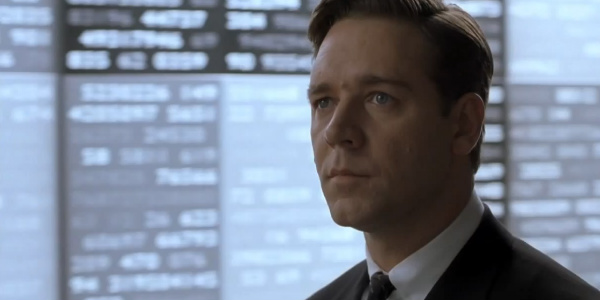
The Lie: The war hero of the film was actually something of a racist. American Sniper, directed by Clint Eastwood, stands as one of the most controversial movies to be nominated for the Best Picture Oscar in the last few years. On the way to an impressive $500m at the worldwide box office, the film was received in a hail of controversy as a result of its simplification of its central character, who was largely painted as a black-and-white American hero. Marketing material for the film was drenched in stars and stripes and the tagline boasted Chris Kyle's credentials as "the most lethal sniper in American history". However, a look into the world of Kyle suggests that the real man was not quite as straightforwardly heroic as the film portrays. There's no doubt that Kyle was exceptional at his job, but it's deeply uncomfortable to see quotes from his memoir in which he discusses enjoying killing and describes the Iraqis he shot in alarmingly racist terms ("damn savages"). The film shaves off all of these harder edges to Kyle, casting everyman extraordinaire Bradley Cooper and giving the story a fairly standard hero narrative. There's little doubt that American Sniper would have been considerably less successful had it maintained the complexities of its protagonist. However, the story had the potential to be a complex and interesting look at an incredibly controversial conflict, anchored by a flawed central character. American Sniper clearly worked for a certain audience, but it describes a relatively modern story in terms of a disturbing false dichotomy in which white Christians are the good guys and everyone else is bad.4. The Fifth Estate

3. Captain Phillips

2. The Pursuit Of Happyness
1. Straight Outta Compton