12 Giant Plot Holes In Successful Films
The silly contrivances, unaddressed issues and major plot holes in successful films.
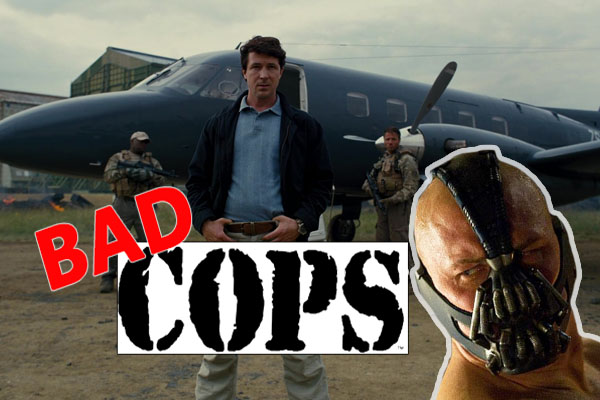
What makes the perfect story? Is it love, romance, drama, the spirit of adventure? How about some narrative coherency? You know, like the story actually making sense?
Writers and directors are often lost in their search for artistic merit and commercial success, to the point where the finished product sometimes lacks the sensibility that was initially envisioned in the project, resulting in the contrivances, contradictions and glaring plot holes that at once perplex and infuriate fans. This is often a symptom of ambitious storytelling and complicated world mechanics, however, it can simply involve a lapse of attention and effort on the part of the development team.
From gods and monsters, dreams and the time travel paradox, terrible writing errors and lapses in narrative judgement; finding a wholly coherent film plot without any holes becomes an unenviable task, at which point the viewer must wonder: how can a director or writer fail to spot a hole in the narrative when viewers can dissect the film after a single run?
12. Star Wars: Episode IV No Hope For Tarkin
Who exactly runs the Death Star? Grand Moff Tarkin? Wow, if this guy didn't die in the destruction of the space station, he was in for one hell of an end of year appraisal.
Tarkin's administrative overseeing of the Death Star ends up being an utter shambles. Never mind the fact that the intimate details, designs and flaws of the Death Star were available on a single san disk floppy, the Imperials demonstrate utter incompetence in failing to destroy the pod capsule that ejects from the station at the beginning of A New Hope.
Droids, drones, robots and technology have become a rival force to human and alien life forms in the Star Wars universe. Armies are constructed entirely of droids, robotics are used to perform human and manufacturing tasks, and even Darth Vader is described as "more machine" than man, therefore, failure to destroy C3-PO and R2-D2's pod capsule was an anomalous one. It should have been very conceivable that no life signs would be detected on board and it would still be an issue.
And then there's the other side of the Forcer. One would have expected Ben Kenobi to send Luke into hiding, after learning of Vader's survival on Mustafar. Why on earth was Luke allowed to keep the name Skywalker, in a location that Vader was likely to investigate given his recent history and ties to Tattooine? Did Tatooine just fall into insignificance in the eyes of the Empire, after Tatooine's criminal enterprises refused any clear allegiance to the Empire? Or perhaps Vader simply forsook the memories of his family following Padmé's tragic death.
Literally any explanation would be nice.

And of course, it's still curious that Emperor Palpatine and Vader were unable to sense Luke and Leia's presence or connect telepathically through use of the force.
11. The Great Gatsby And The Dumb Daisy

"...that's the best thing a girl can be in this world, a beautiful little fool."
Well, congratulations, Mr F. Scott Fitzgerald, because Daisy undoubtedly ranks amongst the greatest fools of the 1920s.
In a tale of decadence, obsession and social upheaval, Mrs Daisy Buchanan exists in a capsule of luxury and ignorance that blinds her to the fact that her long lost love just so happens to occupy the amazing mansion within view of her bedroom window.
Separated from his sweetheart many years ago, the enigmatic Jay Gatsby propelled himself to prominence and wealth through a series of shady business enterprises, with the ultimate view to proving himself a worthy suitor to Daisy and her family. If you've read the book or watched Lurhmann's extravagant 2013 adaptation, you'll quickly realise that Gatsby is about as subtle as a giraffe in a cat café.

If an incredibly large mansion, hosting the most lavish parties of the era, alight with Gandalf's fireworks every night, happened to be within view of your window, you may be inclined as to enquire who lived there... But not Daisy Buchanan, apparently.
10. The Terminator - Are Skynet Really That Intelligent?
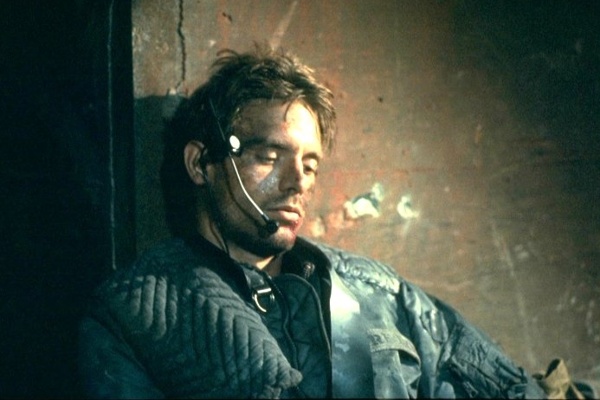
Time travel its a dangerous prospect when scriptwriters delve in the theory of relativity and quantum mechanics that not even the brightest minds of academia can comprehend. But, James Cameron does it anyway.
The Terminator suffers from the same issues of causality inherent in the use of time travel - particularly in movies. Examining John Connors conception, birthed by Sarah Connor after the time-travelling Kyle Reese spawns from the future, leads to the assumption that Skynet could have simply prevented the conception of the future resistance leader in the first place.
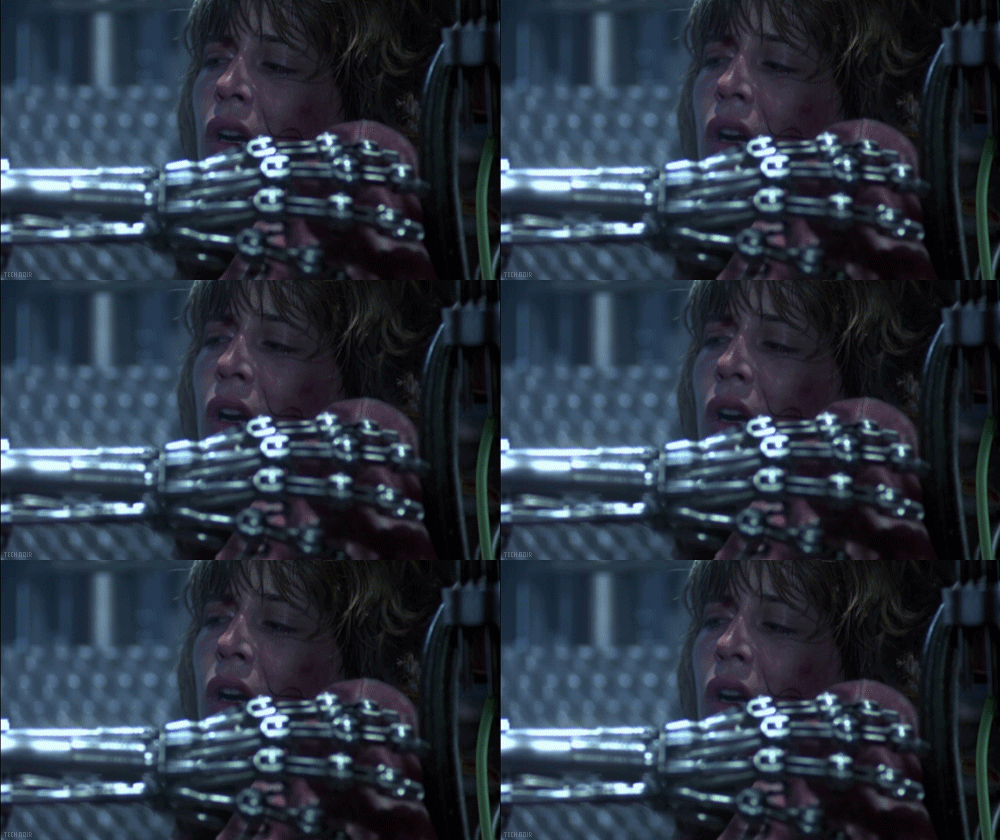
If Reese was sent in response to the threat of Arnie's T-1, Skynet could have simply refused to send the T-1 back in time - therefore, Sarah Connor would never face any threat from Skynet and the union with Kyle Reese would never transpire.
9. Soundproofed Bathrooms Seems Like A Great Idea In Theory
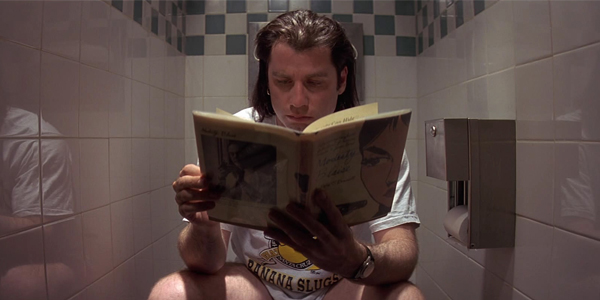
Let's be fair, Peter O'Donnell knows how to write a cracking book. The narrative is so captivating and immersive that Vince Vega neglects to notice a murderous boxer making Pop Tarts next door.
Pulp Fiction's non-linear storyline challenges the viewer to compose a coherent sequence of events, depicting the life of Los Angeles' criminal underworld, yet, it is Butch Coolidge's bursting retrieval of his precious watch that should perplex most.
As Butch enters the apartment, weary that Marsellus Wallace and his lackeys are hot on his trail, he breaks down the door and forces his way back in to retrieve the watch. Butch scans the rooms and finds nobody in waiting, and proceeds to make a pop tart after finding his beloved watch (as you tend to do when on the run from a criminal gang). However, Butch is wholly unaware that Vince Vega is still in the apartment - happily taking a dump.

This begs the question: how did Vince Vega not hear Butch break down the front door, alerting him to the potential threat? The door is neither too far away from the bathroom nor was the sound insulated enough. Whether or not Vince was expecting Marsellus to return from his own trip out at this point is also irrelevant, because the Don of the operation would have no logical reason to force an entrance to an apartment he believed his employee occupied.

There's a lesson here: it's always unwise to place a copy of Modesty Blaise next to the hallow john... it's so good, you mightn't hear a pop tart-making boxer kick your door down.
8. Watchmen - Watch Out! The 'Smartest Man In The World' Has A Dynamite Plan!
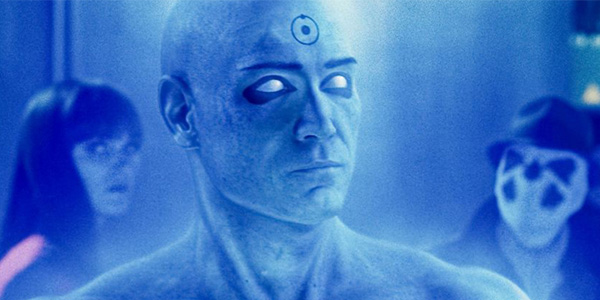
Doctor Manhattan... invulnerable, teleporting, nuclear-armed, immortal, qualified doctor, all around blue man with killer eye-liner. That's one hell of a C.V.
It is precisely Ozymandias' plan to unite the USSR and USA against the overarching power of Doctor Manhattan that is inherently flawed in Watchmen.
A common theme throughout comics, sci-fi and fantasy-fiction is the inevitability of global unification in the face of a cosmic threat, subsequently ushering an era of peace and forgiveness in the aftermath. A similar narrative takes place in Watchmen, as the USSR and the US lie upon the brink of nuclear warfare, with Ozymandias seeking to exploit Doctor Manhattan's god-like status to unite the two global superpowers.
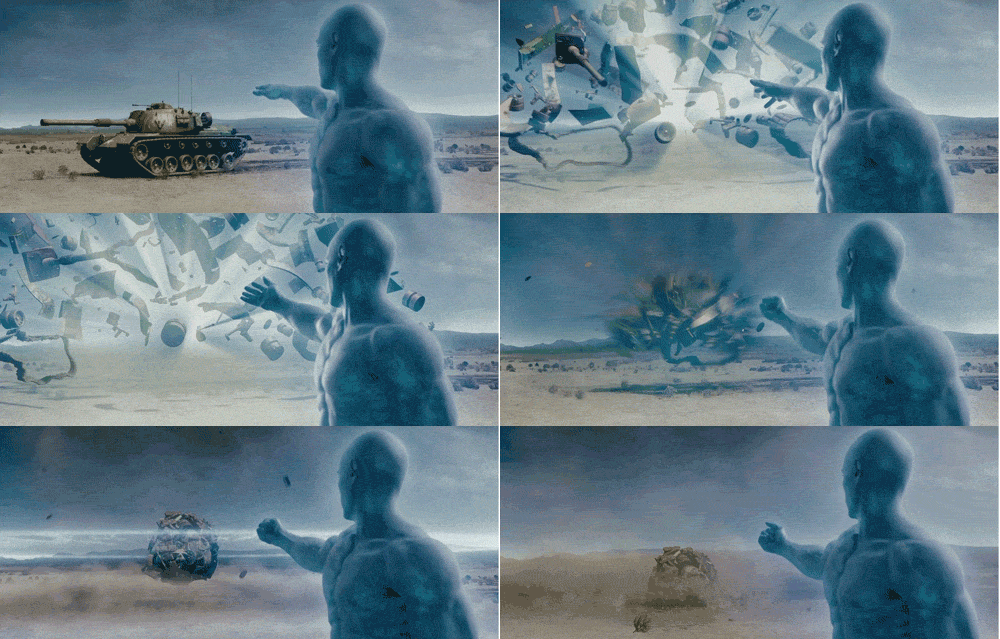
However, Ozymandias' logic is flawed. Consider Doctor Manhattan's history of cooperation and loyalty to the US government. He helped the US prevail through successive wars with Russia and Vietnam, whilst producing vast amounts of resources to reinforce the US' status as an economic superpower (this ultimately has the effect of securing President Nixon's hold in office, continuing the aggressive foreign policy towards the Soviets).
Since Doctor Manhattan has no history of going rogue and defying governmental orders, there is no coherent basis as to why the US and USSR would unite behind the need to dispose of him.
Doctor Manhattan posed no overarching threat to the welfare of the US. His threat exists in potential, but there lacks any convincing argument as to why he would betray the Nixon regime, or why the Soviets would suddenly trust the Nixon administration after so many years of antagonism.
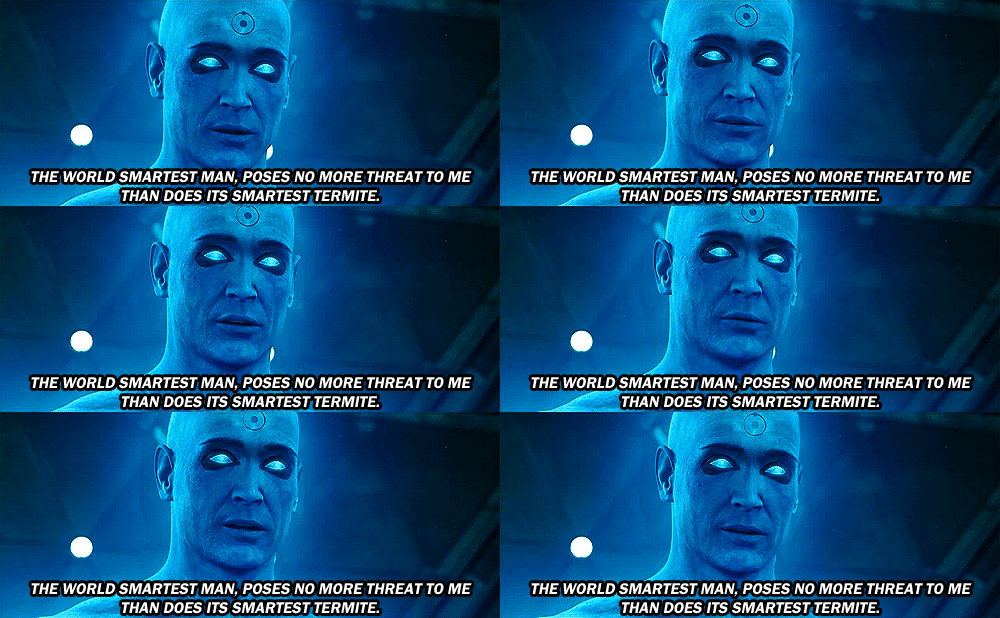
So much for the smartest man in the world. As Doc himself says: "The world's smartest man poses no more threat to me than does its smartest termite."
7. Pirates Of The Caribbean - No One Likes Getting Rid Of A Pet
In Dead Mans Chest, Davy Jones kraken is the true force of destruction that heralds the doom of he who bears the black spot. That person may never again take to the seas for fear of being swallowed whole by the big beastie.
Why then, did Lord Beckett insist on the creatures destruction? As the little Lord came into possession of Davy Jones heart, he gained control over Davy; and if Davy commands the kraken, then Lord Beckett can reasonably be assumed to exercise control over the kraken - arguably making his fleet and military might unbeatable.
It is understandable from a writers point of view, however, that the destruction of such powerful beasts is beneficial to the characters plot lines. Yet, it leaves the question as to how on earth Davy managed to kill this beast.
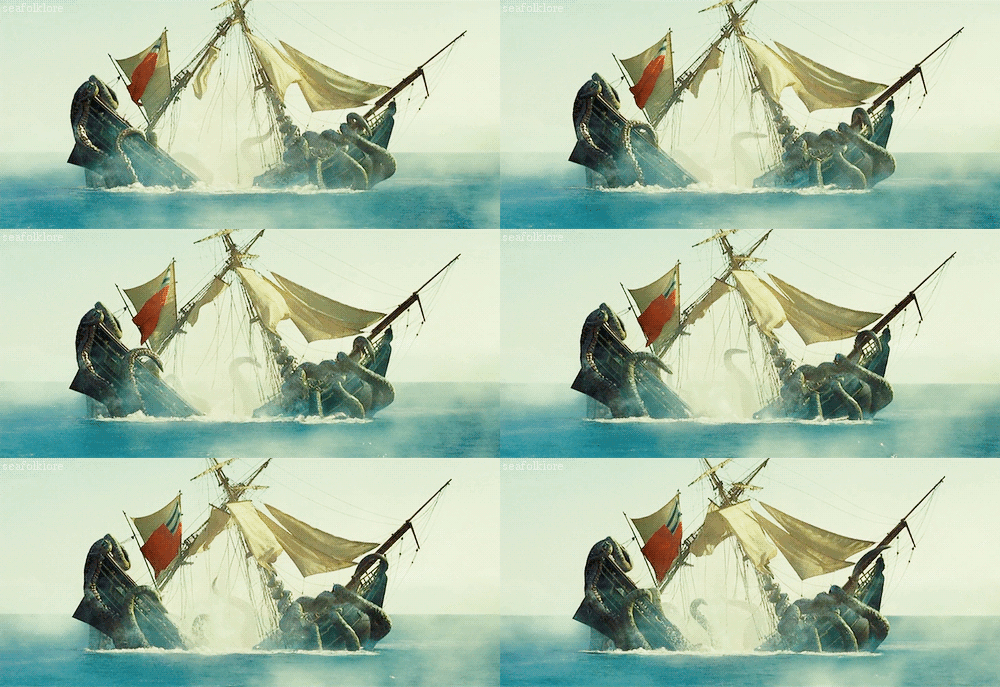
Quick euthanasia at the veterinarian? No?
6. Star Trek (2009) - Where Has All The Science Gone?
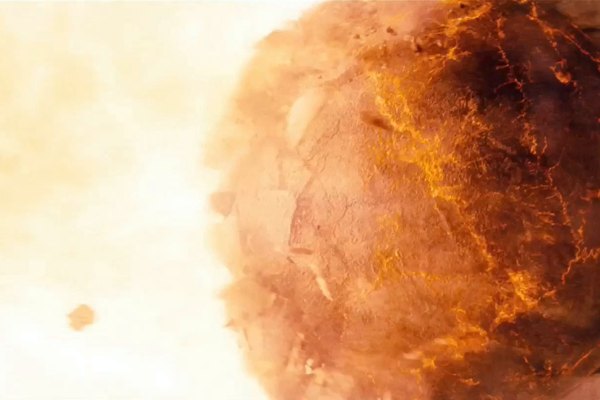
Star Trek is riddled with scientific and technological marvels in the form of metropolis cities on earth, interstellar space travel, sentient alien races and kick-ass space ships. But what happened to all those text books and studies on stars and supernovas?
Today, real life physicists can detect unstable stars millions of years in advance. So, why cant the advanced scientific societies of the future in Star Trek (2009) detect the impending supernova which spells the destruction of Romulus?
Somebody seems to have forgotten to monitor a sun, apparently. Its only the sun, after all. Although, this did come from the director who put the Beastie Boys into the opening scene of his film.
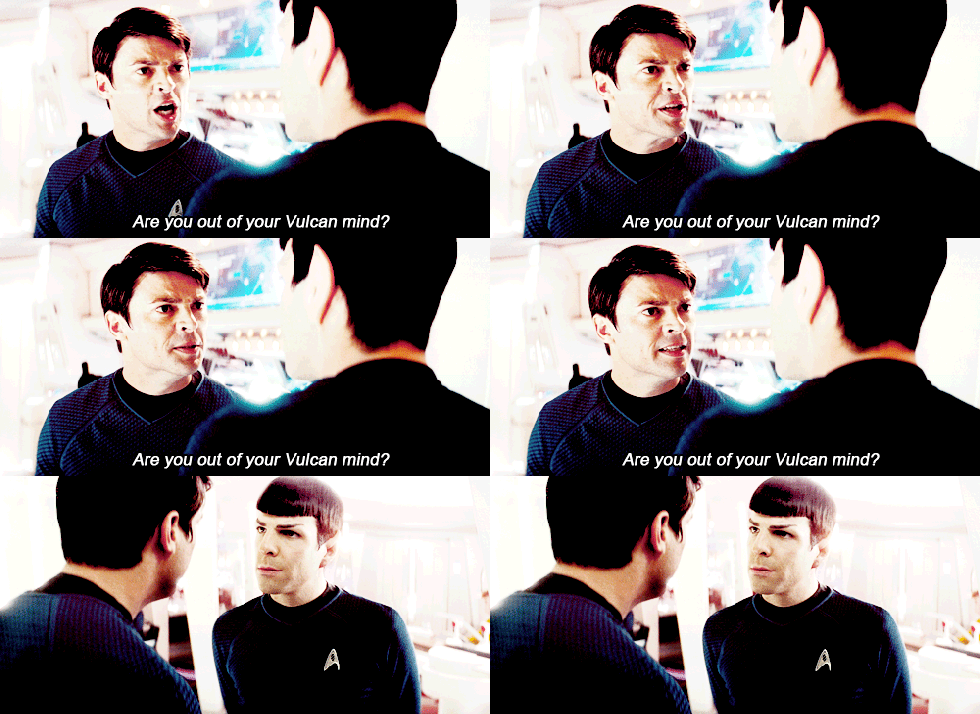
In case you were wondering, Intergalactic by the Beastie Boys contains the line Im smarter than Spock. Do the Beastie Boys exist in the Star Trek universe? Or did a Spock duplicate travel back in time to influence their lyrics and take the LP back to the future?
5. The Dark Knight Rises - Bane's On A Plane

Christopher Nolans Dark Knight Trilogy revolutionised modern cinema, in that now we are treated to a Hollywood comic-adaptation every six-to-eight days.
Although Nolan mastered the non-linear narrative of the trilogy and presented the superhero genre with some much needed character development, the merits of The Dark Knight Rises are restrained by the barrage of plot holes thrust into the viewers face within the opening seconds.
The opening scene makes the CIA, led by Lord Baelish, look like a bunch of amateurs. Is this really how the CIA conducts its operations? The sequence of events that transpire on the plane suggest the agents' neglect to even check the faces of their prisoners before they blindfold them.
Even with the possible explanation that Bane had an informant or co-conspirator inside the CIA who consolidated this plan, the CIA still seem amateurish. These guys dont even have legitimate radars to detect a non-stealth aircraft coming not-so-subtly behind their own.
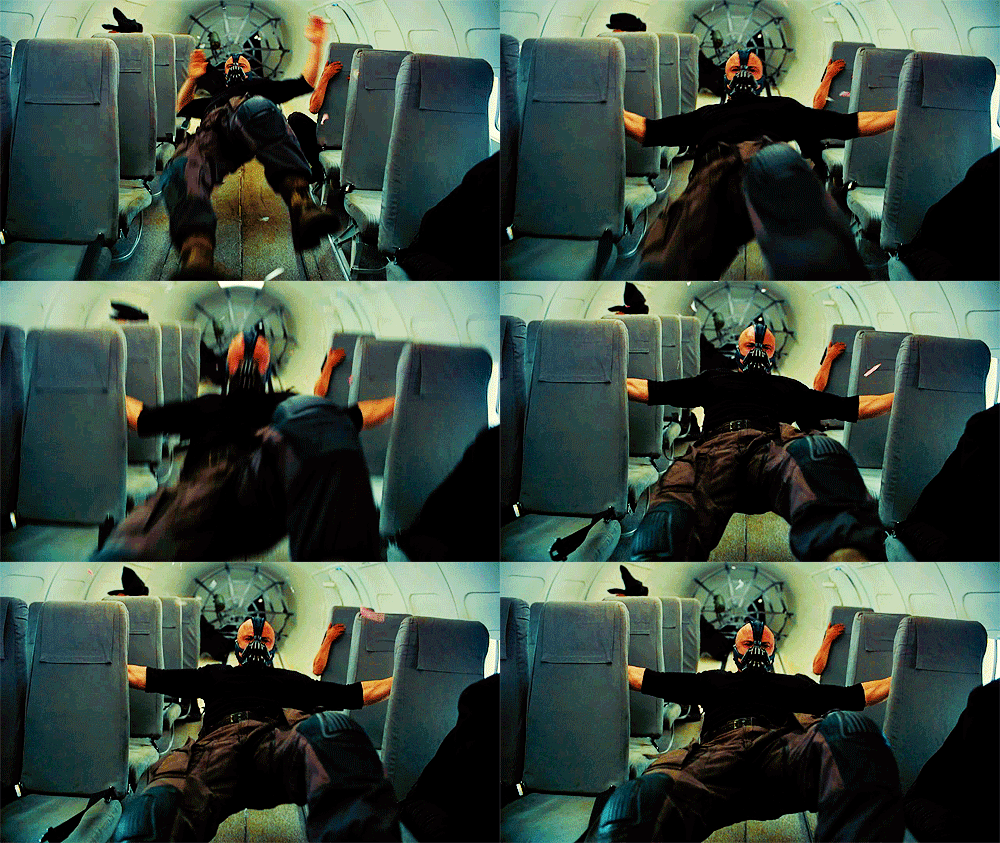
Bane proceeds to order a comrade to stay on board, to provide the aircraft investigators with a coherent explanation as to the planes crash - despite aeronautical investigatory analysis and technology having advanced enough to depict what actually transpired on board. Well, maybe Bane thought the CIA would have a hand in the investigation, and its very apparent how thorough they can be.
4. Harry Potter And The Best Possible Use Of Time Travel
In a series that is incredibly long but surprisingly coherent, it is disappointing that J. K. Rowling decided to introduce time travel into the mix. Goodbye logic! Hello never-ending plot holes.
Rather than examining if Harry could justifiably have killed Voldemort using time travel (which they could have), or whether Voldemort could have pre-empted Harrys time-travelling murder spree; the possibilities become endless following the introduction of time travel, therefore, it will be more worth while to discuss if Harry and co. should have used time travel to defeat the Dark Lord and what effect this may have had.
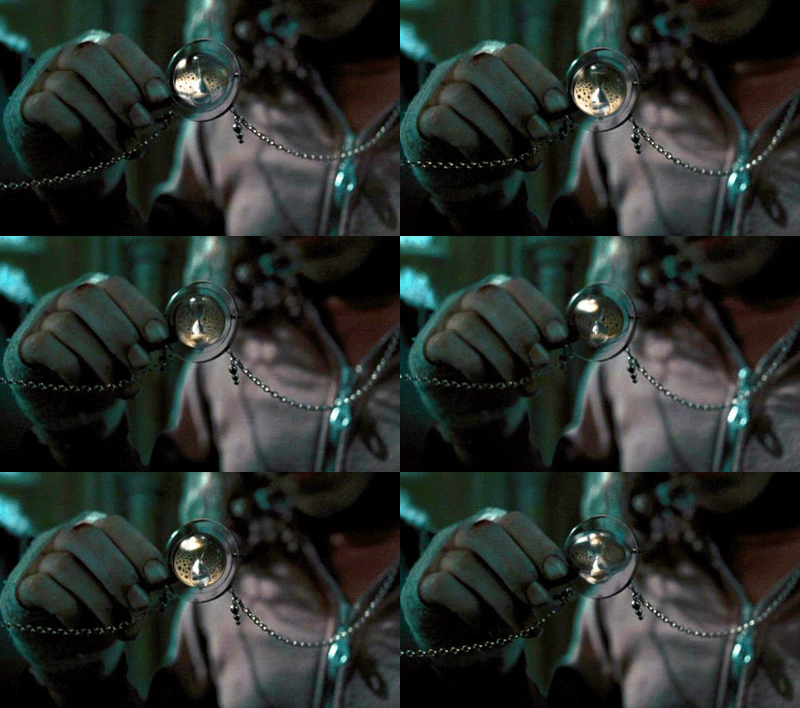
Importantly, Sybill Trelawneys first prophecy was divulged to Dumbledore in the aftermath of Tom Riddles descent into Voldemort - where she foretells the coming of an opposing force to challenge the "Dark Lord. This suggests that Tom Riddles eventual fate as Voldemort wasnt necessarily a foregone conclusion from birth. Rather, the young orphans destiny was always open to interpretation, which presents a paradox - Harry and co. could have used the time-turner to destroy the young Tom Riddle in his infancy, however, there is no cast iron guarantee he would become the Dark Lord.
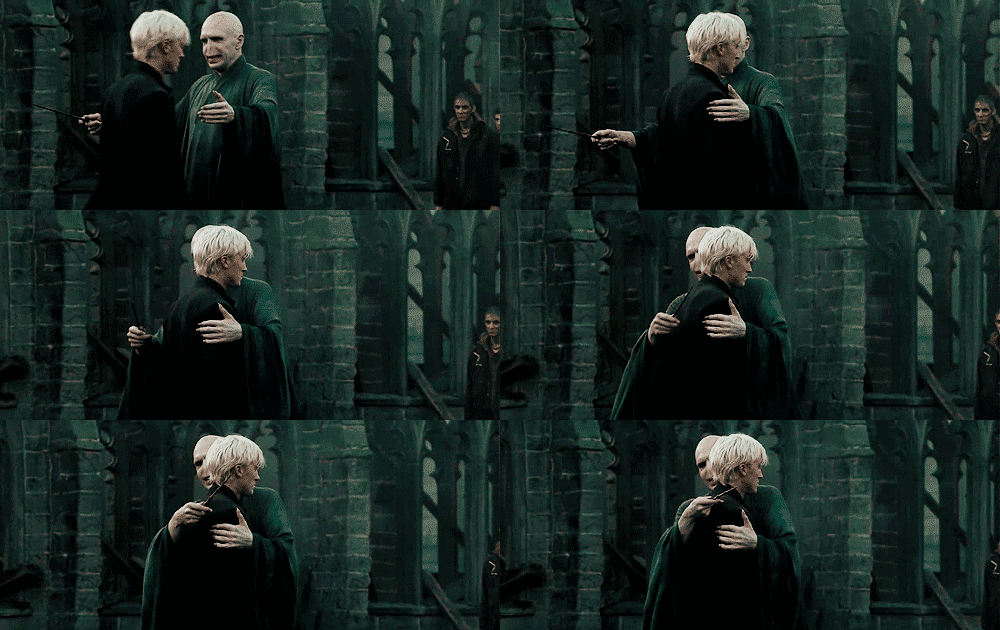
Moreover, if Tom Riddle was disposed of, there remains the possibility that, from the legion of devout Slytherin disciples, there may have emerged an alternative to take his place. Perhaps there was a shroud of inevitability surrounding the emergence of a "Dark Lord", rather than Tom Riddle's destiny to become the leader.
3. The Matrix - Deciphering Cypher
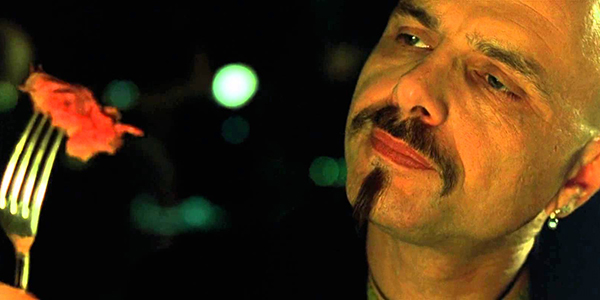
Films premised on complex mechanics, such as Inception and Cloud Atlas, become vulnerable to multiple plot holes, as the highly technical aspects of the narrative are not explained in adequate depth. The Matrix Trilogy suffers from the same fate.
Amidst the glaring plot holes and complications that plagues The Matrix, Cyphers ability to infiltrate the matrix and strike a bargain with the machines is the foremost, as it contradicts one of the fundamental mechanics of the film.
To enter the matrix, one requires the coordination of the operator to connect the individual into the system. Yet, the film implies that Cypher entered the matrix all on his lonesome. Tank, the operator, never alludes to Cyphers betrayal, whilst there is no previous acknowledgement of someone entering by themselves. So either he's a Chosen One himself, or someone just thought no-one would notice.

2. Independence Day - Unintelligent Life Forms
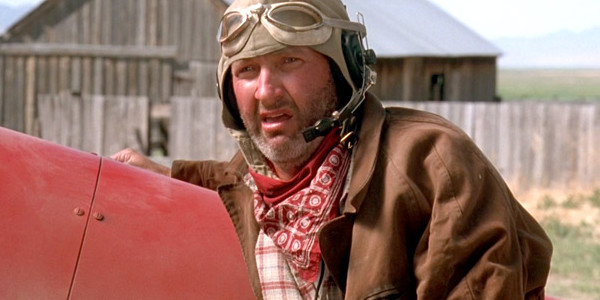
"Hello boys... I'm baaaaaaaack!" - Randy Quaid.
Earth is once again endangered by a species of telepathic aliens, heralding the apocalypse aboard a spaceship the size of Greece. However, the technological brilliance the alien life-forms of Independence Day apparently does not extend to the regular antivirus complete with a second-hand laptop.
Foiled by a Jeff Goldblum-sponsored pop-up? Really, guys?
Furthermore, the military treat Randy Quaid like a madman after he declares he's been previously abducted by aliens. They virtually dismiss him and shake their heads like he's talking nonsense. Yet, this dismissal takes place amidst a recruitment process - to find people to fight aliens who have come to earth.
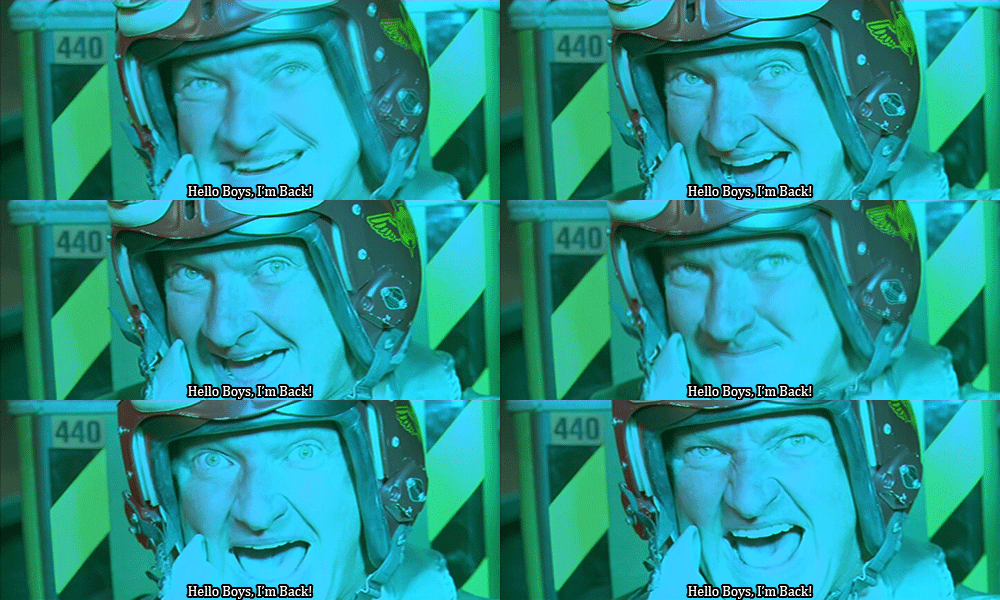
Logic, anyone?
1. Interstellar
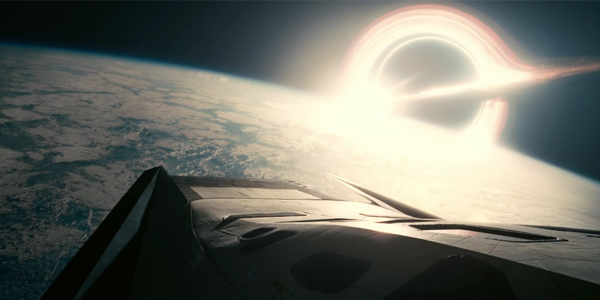
Maybe films should be barred from meddling in knowledge beyond human understanding?
Interstellar is a spectacle of space, time and planets beyond the planes of mankind. Nolan's most ambitious project to date, however, encounters plot holes of a very significant degree.
Long before any complicated mathematics or science is introduced, viewers have to comprehend the fact that NASA failed to recruit anyone remotely qualified to captain the mission to save humanity; they just happen to stumble across Cooper when he drives a few miles down the road. What perplexes viewers, is NASA's failure to contact Cooper early enough to give him any sort of meaningful preparation for the journey. Hell, maybe Buzz Aldrin and Neil Armstrong were getting bladdered in town one night, and Buzz stopped to pee beside a shack on the way home and found Apollo 11 hidden behind a thorn bush. NASA thought these guys were dynamite.
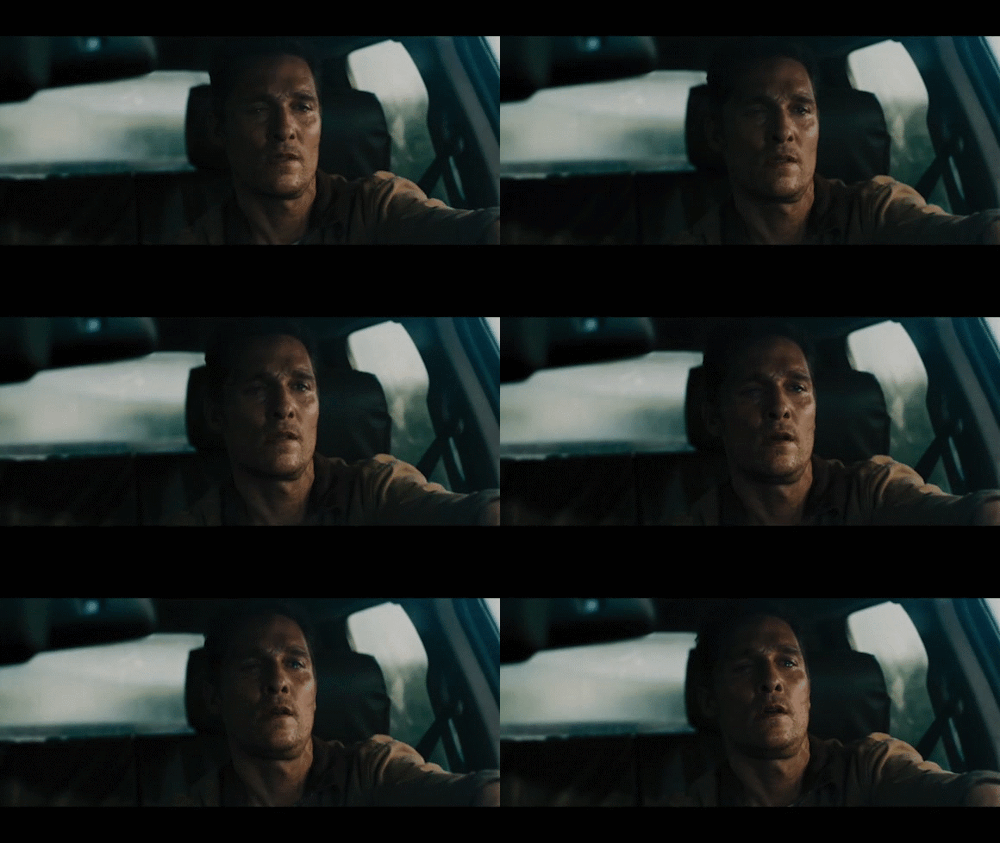
Time travel soon becomes the central theme to the film, with Cooper shifting through wormholes, dimensions and entering into the time travel tesseract, and the crucial intervention of 'they' (the future survivors of the human race), who have placed binary messages throughout the universe and created a wormhole through which humanity can travel to their salvation. Although this plot is about as patchy and flawed as the majority of temporal paradoxes, Nolan should be praised for sustaining a compelling story through this narrative minefield. The paradox exists, however, and it's a massive one: how can future humans use their advanced technology to create a wormhole to save their ancestors if their ancestors never survived to begin with?
The only narrative and scientific solution to this problem is that Nolan assumes everything that has ever happened or will eventually come to pass, is actually happening right this very moment, over and over again in multiple dimensions; or that audiences will have to accept contrivances to enjoy the plot.
And it should probably be 'Intergalactic', whilst we're striving for scientific correctness!
https://www.youtube.com/watch?v=RD3UOWblr5g