15 Best Movie Remakes Of The Decade (So Far)

Borrowing other people's ideas isn't always a bad thing.
You only have to watch the recent versions of Teenage Mutant Ninja Turtles, Robocop and Total Recall to see how money-driven remakes can destroy the essence of much-loved films. Put together by committee and stripping them of everything that might alienate the broad demographic they're aimed at, they become shadows of their former cinematic selves. The decade so far has had its share of cheap and lazy remakes (although thankfully nothing has come close to the awfulness of the remake of The Wicker Man), but while some great movies should never be touched there are plenty of average ones ready to be improved upon, as well as more obscure titles which would benefit from an update. A good filmmaker is able to identify what was lacking and inject a fresh perspective, or see a new angle on the material which changes its tone and meaning. Hollywood might have the biggest reputation for producing remakes - and they feature on the line-up of mainstream movies on an annual basis - but independent and non-English language filmmakers are not averse to getting in on the act as well. The results can be surprisingly good, even sometimes surpassing the original. From updated versions of classic Westerns to reimagining cult horror movies, here are the 15 best remakes so far this decade.

15. Unforgiven

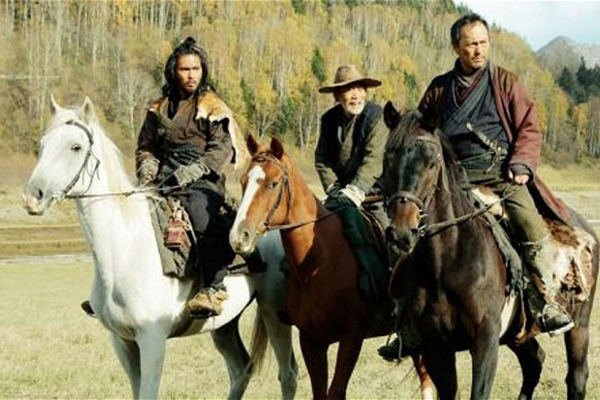
There's a long-running cinematic tradition of Westerns borrowing from samurai movies and vice versa which includes the works of such great filmmakers as Akira Kurosawa and Sergio Leone. Unforgiven goes the other way and takes the Western swansong of Clint Eastwood and relocates it to the Meiji period in Japan. Faithful to Eastwood's version in all but its setting, Unforgiven stars Ken Watanabe in the Eastwood role; a swordsman lured back into action to seek out the men who mutilated a prostitute. South Korean director Lee Sang-il has crafted a beautiful film equal to the original - indeed, in some respects it's actually a better film than Eastwood's Oscar winner, not least in the staging of the finale amidst a burning inn. The biggest draw to Unforgiven is Ken Watanabe's world-weary central performance, every bit the equal to Eastwood's original. Watanabe is most familiar as a peripheral character in films like Godzilla and The Last Samurai, and it's a pleasure to see him take centre stage and dominate it so effectively.

14. The Girl With The Dragon Tattoo

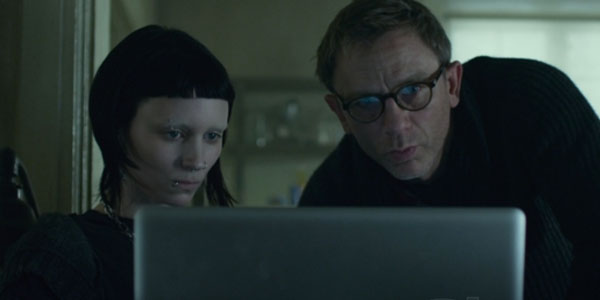
David Fincher's glossy, star-strewn adaptation of Stieg Larsson's best-selling thriller novel - and remake of the Swedish film of the same name - has more value than simply retelling the same story once again for the subtitled-phobic. Stripping away some of the extraneous material from the novel, Fincher's The Girl With The Dragon Tattoo balances the procedural aspects of the story with tension perfectly. Daniel Craig's performance as magazine owner Blomkvist is suitably broody, but it's Rooney Mara who stands out - living up to the standards set by Noomi Rapace in the Swedish original was never going to be easy, but Mara's Lisbeth Salander is every bit as eccentric and intriguing. There's been no official confirmation on a shooting date for the sequel, The Girl Who Played With Fire, but David Fincher is keen to return to Larsson's extended mystery at some point in the future, rounding up the trilogy with The Girl Who Kicked The Hornets' Nest.

13. Piranha 3D

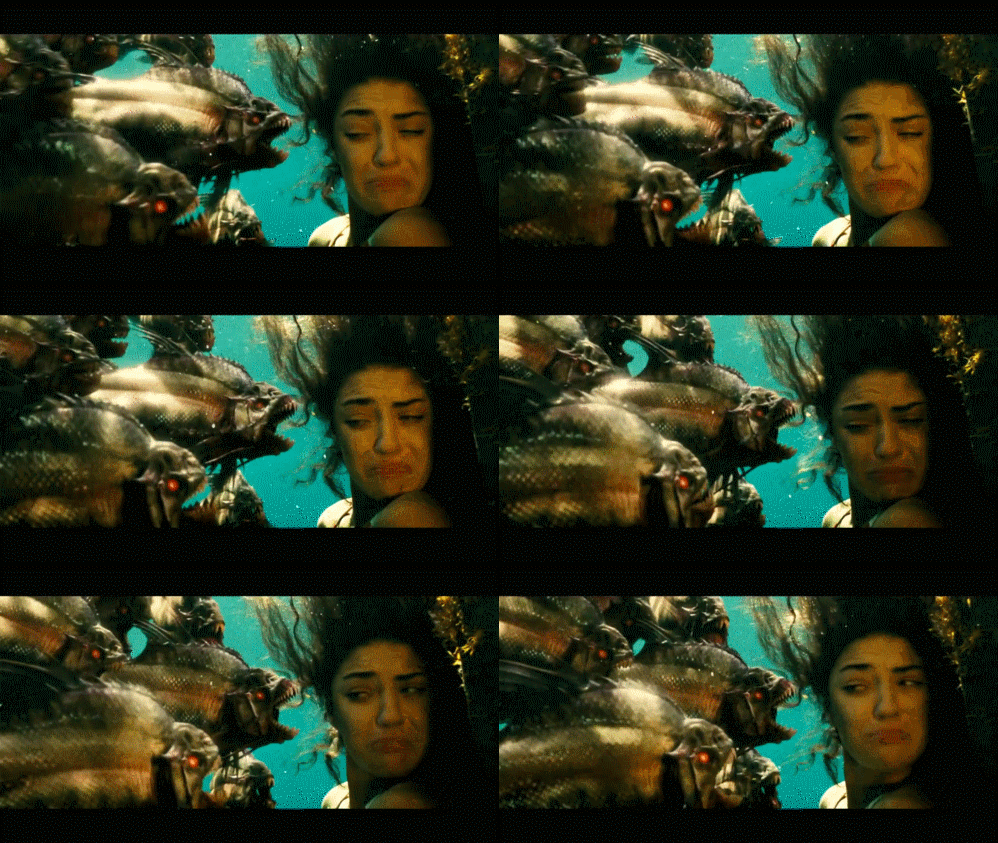
Joe Dante's 1978 movie Piranha was never meant to be taken remotely seriously, parodying Jaws and kickstarting a trend for deliberately cheap and cheerful horror movies which continues today with made for television films such as Sharknado and Lake Placid Vs Anaconda. Keeping with the silly spirit of Dante's original but throwing in a dose of over the top 3D for good measure, Piranha 3D is the cinematic apotheosis of gratuitous. Nudity, gore and groan-inducing humour play out from start to finish, and as long as you don't take any of it remotely seriously (which isn't difficult - few films are so openly daft), watching a bunch of spring breakers getting bitten to pieces is a lot of fun. Just make sure you avoid Piranha 3DD like the plague - it's a textbook example of the fine line between being knowingly satirical or as juvenile as a Wayans brothers movie.

12. Death At A Funeral

Peddler of cinematic misanthropy Neil LaBute might seem like a strange choice for a farcical comedy like Death At A Funeral, but he does a respectable job of holding together the ensemble cast as the blackmailing and scandals begin to escalate. Produced by and starring Chris Rock, this remake of the Frank Oz film of the same name retains the broad, often crass, level of humour, finding gags in everything from the accidental consumption of hallucinogenic drugs to getting rid of the dwarf who threatens to expose the fact he was the gay lover of the deceased. It's frequently low brow, but well worth watching for Peter Dinklage as the aforementioned ex-lover, playing a role altogether different from Game Of Throne's Tyrion Lannister (and it'll be far more worth your time than wasting money on Pixels...).

11. Sparkle

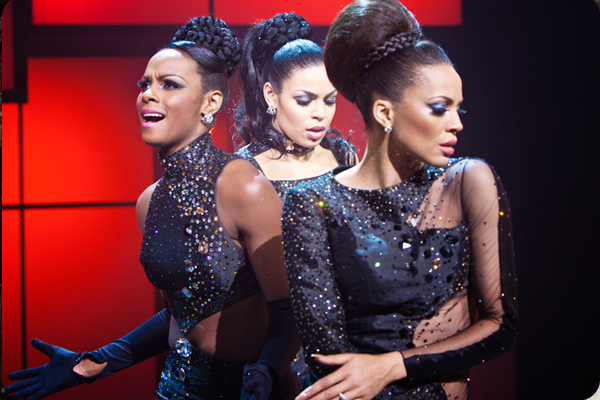
Some remakes struggle to capture the essence of the original movie and end up falling short of their potential - with the 2012 remake of Sparkle its success lies in the fact that it did most things right which the original got horribly wrong. Jordin Sparks plays the titular musical prodigy who has to deal with endless family dramas as she strives to reach the top of her profession, but the film's real poignancy comes from Whitney Houston in her final movie role. It's a superbly understated performance which could well have signalled a comeback for the troubled singer. The plot might be hackneyed in places, rarely deviating from the rags-to-riches formula seen countless times before, but the lively cast and some great music (if you're a fan of Motown) ensure a lively pace and an enjoyable experience.

10. Evil Dead

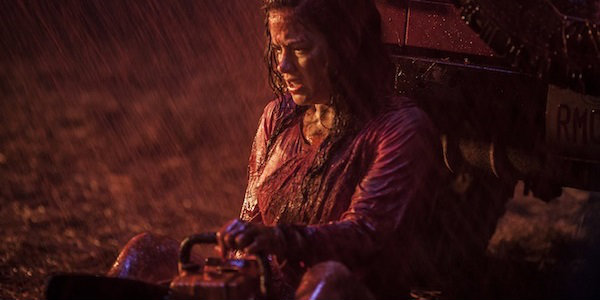
Remaking a seminal horror movie like The Evil Dead is approaching sacrilege in the eyes of many fans, and while it's safe to say that this 2013 version isn't going to be remembered years from now with the same fondness as the original, it's a much better horror remake than most. The best thing about Evil Dead is hands down its reluctance to overload the viewer with CGI - the effects are mostly practical in nature, in keeping with Sam Raimi's bloody original as the visitors to the cabin in the woods find themselves under attack from demonic forces. It might be lacking a performance to equal Bruce Campbell's and first time director Fede Alvarez never quite matches the original's gleeful absurdity, but in its own right it's a thoroughly entertaining, blood drenched horror movie worth checking out.

9. The Crazies

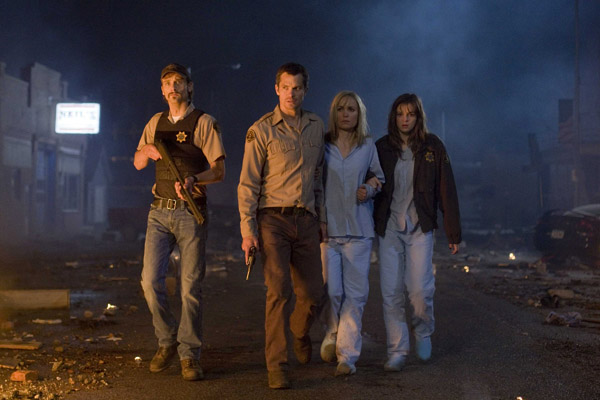
Like Sam Raimi, George A. Romero has long established himself as a quality purveyor of horror movies which many believe should remain untouched. The remake of his lesser film The Crazies certainly didn't come with the high expectations of Zack Snyder's 2004 version of Dawn Of The Dead, but it arguably surpassed Romero's original. A small town in middle America goes into lockdown after the release of a virus into the drinking water, transforming the infected into psychopathic killers. Director Breck Eisner updates the visuals, delivering a slick-looking vehicle while blending the horror tension nicely with the subtly subversive commentary on the lengths the military will go to in order to create the ultimate weapon. It's actually considerably better than some of Romero's more recent movies, although on the evidence of Diary Of The Dead and the godawful Survival Of The Dead that's not exactly a grand accomplishment.

8. Let Me In

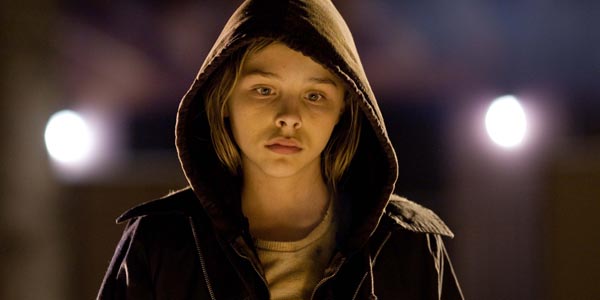
Tomas Alfredson's adaptation of John Ajvide Lindqvist's novel Let The Right One In stands as one of the most subtly subversive vampire movies ever made, essentially using the genre as a vehicle to explore the trials and tribulations of childhood. The US remake might have been less successful than the original when it came to delivering a lyrical allegory of childhood vulnerability, but director Matt Reeves succeeded in recapturing the atmospheric sense of place and drawing excellent performances from the young stars Kodi Smit-McPhee as the bullied schoolboy and Chloƫ Grace Moretz as his vampire saviour. Hollywood has a relatively poor track record when it comes to remaking foreign language horror movies, but with Let Me In the action is transposed to the States without losing anything in the move, commemorating the original rather than desecrating it.

7. The Karate Kid

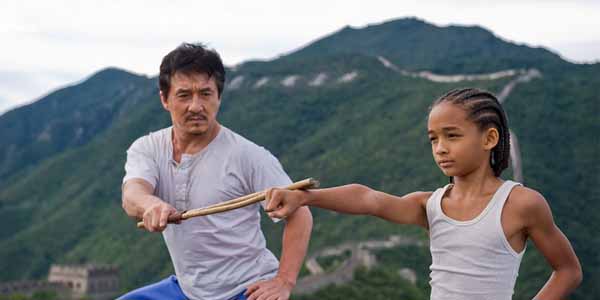
First thing first: Jaden Smith is no Ralph Macchio. That said, he's far less annoying in The Karate Kid remake than he is in the dreadful vanity project After Earth, which is something to be grateful for. The real draw for this updated version of The Karate Kid is of course Jackie Chan, who teaches Smith's schoolboy kung fu (and kind of makes the title redundant in the process, but who says movie titles have to make sense?), entering him into a tournament so he can prove himself by taking on the school bully. The original remains a much-loved classic for those who grew up with it, and while this remake isn't going to be able to compete in the nostalgia department, on its own merits it's surprisingly good fun, with believable chemistry between Smith and Chan.

6. Godzilla

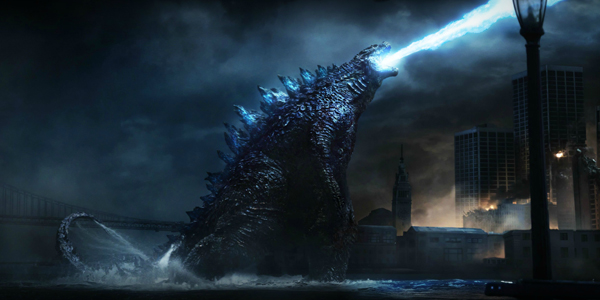
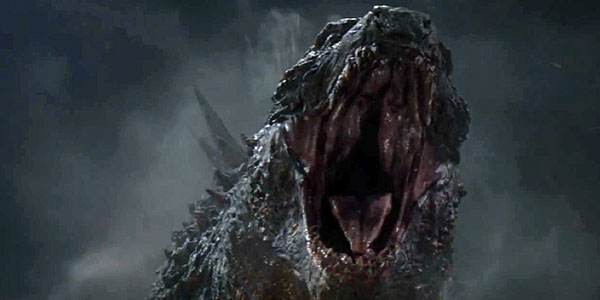
A perfectly valid criticism of Gareth Edwards' remake of Godzilla is that it has more than its fair share of tedious sequences which drag the film along. It's fair to say that a little more chopping in the editing room would have improved the pacing, but it's a minor quibble when compared to Roland Emmerich's atrocious 1998 version. Edwards drops the camp and silly antics which increasingly dominated the original Japanese movies and strives to create a thinking man's monster movie not dissimilar to the tone found in his directorial debut Monsters. While it can get a little too ponderous and times, when the action finally kicks off in the final act the scope of the spectacle is impressively handled. The box office success of Godzilla has ensured at least two more sequels are on the way, with the only real shame being that - spoiler alert! - Bryan Cranston's character was killed off in the first act and won't be returning.

5. We Are What We Are

Remaking an obscure Mexican horror movie from 2010 that was barely seen in the English-speaking world on its release gives a filmmaker a certain amount of leeway - for one thing, the chances of anyone comparing it to the original is slim to none. Fortunately for American director Jim Mickle, the end result for his remake of We Are What We Are stands as an exemplary example of how to craft something original and challenging from someone else's material, giving it a distinct look and feel and, perhaps more importantly, fitting it neatly into a new context. On paper it sounds like a conventional horror movie about a cannibalistic family, but We Are What We Are rises well above B-movie horror aesthetics and offers a compelling commentary on the way in which extreme views are indoctrinated into families and a chilling coda hinting at the continuation of a bloodthirsty tradition.

4. A Better Tomorrow

John Woo's A Better Tomorrow kick-started the trend for heroic bloodshed action thrillers emerging from Hong Kong, a subgenre which has sadly been increasingly lacking from the region in recent years (with the exception of a selection of films by directors such as Johnny To). South Korean filmmakers have picked up where Woo left off, and it's fitting that the remake for A Better Tomorrow hails from the country which gave us movies like OldBoy. Here, two brothers on different sides of the law come into conflict as an arms deal goes down, Amidst the chaotic shootouts much soul-searching and macho male bonding takes place in true heroic bloodshed style. If you're a fan of the original this remake is worth checking out as a slick update which takes the twisting and turning plot of the original and reshapes the outcome into something fresh and exciting.

3. Hara-Kiri: Death Of A Samurai

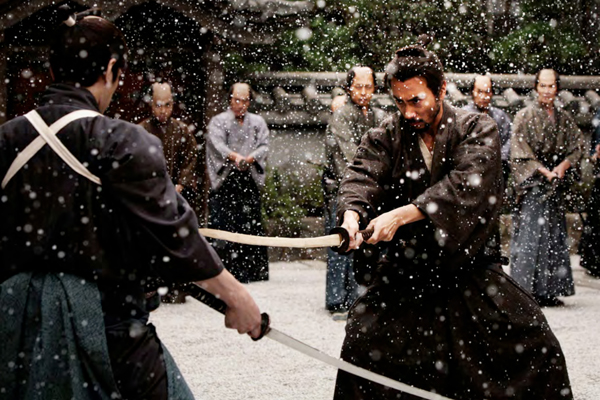
Prolific Japanese filmmaker Takashi Miike tackles the samurai genre with Hara-Kiri: Death Of A Samurai, remaking a film which the legendary critic Roger Ebert listed as one of his great movies, Masaki Kobayashi's Harikiri. Miike made the unusual tradition to shoot Hara-Kiri: Death Of A Samurai in 3D, surprising considering that there's very little in the way of flamboyant use of the medium, with most of the film taking place in the courtyard of a samurai clan's estate. A samurai arrives at their door requesting an honourable death by suicide, but as his story unfolds an ulterior motive soon becomes clear. Heavy on talk for most of its running time, Hara-Kiri might be a slow burner but the final pay-off, which places the various lengthy monologues into a new context, is a real killer.

2. True Grit

While attempts to produce big budget mainstream Westerns often flop at the box office (The Lone Ranger is the latest notable example), independent Westerns tend to fare much better. The Coen brothers' contribution to the genre came in 2010 with their remake of the classic True Grit. Jeff Bridges takes over from John Wayne in the role of Rooster Cogburn, hired by young girl Mattie Ross (a solid performance from Hailee Steinfeld) to track down her father's murderer, Tom Chaney (Josh Brolin). Matt Damon joins the fine cast as Texas Ranger LaBoeuf, also on the trail of Chaney and his gang. There's a surprising degree of restraint from the Coens in their direction of True Grit, holding back on the visual flourishes they're sometimes known for. The result is a more languidly-paced film which draws the audience in to a time and place long since lost in the race towards modernity.

1. 13 Assassins

Japanese purveyor of the weird and wonderful Takashi Miike was responsible for not one but two great remakes of this decade, his low-key retelling of Harikiri accompanied by the considerably more epic 13 Assassins. A remake of Eiichi Kudo's 1963 movie of the same name, 13 Assassins has a deceptive first act which feels similarly paced to the dialogue-driven Hara-Kiri: Death Of A Samurai. It's highly reminiscent of Akira Kurosawa's samurai classic The Seven Samurai: once the team of assassins have been assembled and set off on their mission, the dialogue gives way for some of the most impressively staged battle scenes you're likely to see. The undercurrent of perversity expected in a Miike movie is present in the film's central antagonist Lord Naritsugu, who rapes, tortures and dismembers anyone who displeases him, but with 13 Assassins the director doesn't wallow in this as much as he's prone to in the past. Honour, chivalry and lots and lots of swordplay are the driving forces at work. What other great remakes have you seen so far this decade? Why not tell us about them in the comments?

Contributor
Contributor

Andrew Dilks hasn't written a bio just yet, but if they had... it would appear here.