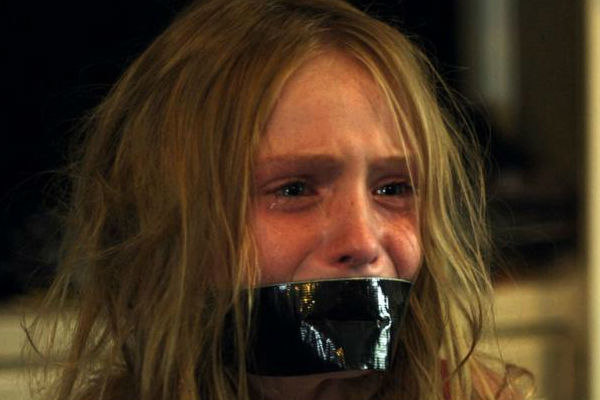
20 Scariest Horror Movies Of All Time

"They're coming to get you, Barbara...."
tumblr Whenever someone compiles a list of The Scariest Films Of All Time, they always mention the same movies: Psycho, Jaws, The Shining, The Evil Dead, A Nightmare On Elm Street, The Ring, Insidious etc. There is, as we all know, no €œbest€ of anything, but if these lists are to have a purpose, it should be to introduce readers to a broader variety of films rather than echo the opinions of others. So let€™s assume you€™ve seen those films and move on, okay? A good horror movie doesn€™t want to reassure the viewer but sneak up on them unawares and scare the bejesus out of them, to unsettle them by giving some kind of insight into the things that lurk in the darkness. One of the most unsettling moments of the last 20 years occurs not in a horror film but in Todd Solondz€™s Happiness (1998), when kindly neighbour Bill Maplewood (Dylan Baker) allows his son€™s friend to sleep over so he can drug the boy and abuse him. Which kind of knocks Insidious and Paranormal Activity into a cocked hat, don€™t you think? Each of the following films was chosen for their ability to unsettle an audience. You might care for them, you might not, but you won€™t come out of them thinking, €œMeh, what else is on?€

20. Deranged (1974)

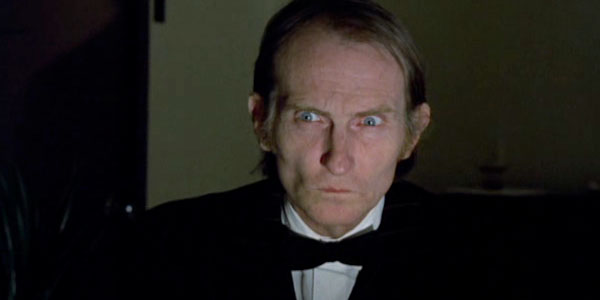
Deranged is another movie based on real-life killer Ed Gein, €œThe Wisconsin Ghoul€, whose dietary habits (and mummified mother) also inspired Psycho and The Texas Chainsaw Massacre. Jeff Gillen and Alan Ormsby€™s film differs by adhering more closely to the facts and presenting the narrative in a matter-of-fact style, even having a TV reporter address the viewer directly in certain scenes. In the lead role (which Christopher Walken reportedly auditioned for), Roberts Blossom (the crazy old man in Christine) does a fine job as €œEzra Cobb€, who digs up the corpse of his mother (€œMa Cobb€ €“ macabre, get it?), learns about taxidermy and starts robbing graves when he requires new materials. He€™s also a dab hand at making furniture out of human bones, and in one sequence displays his wares to a kidnapped girl. €œJust tryin€™ to show ya I got talent!€ he tells her.

19. Don't Look Now (1973)

Don€™t Look Now opens with the most terrifying thing imaginable €“ the death of a child, which establishes the film€™s grim, downbeat tone. It€™s also the plot device that causes Julie Christie and Donald Sutherland to uproot and leave for gloomy-looking Venice where, for a variety of reasons, the tragedy continues to haunt their new life. To reveal more would be unthinkable, because this is a movie that audiences have to experience for themselves, armed with as little knowledge as possible, which is equally unthinkable in the age of Rotten Tomatoes. The less you know, the more enjoyable the journey, and the more satisfying the ending (unless you€™ve already read Daphne Du Maurier€™s short story). Sure, you can dismiss Nic Roeg€™s direction as arty and pretentious if you wish, but doesn€™t his handling of the material add to the overall dreamlike quality of the narrative? You decide.

18. Fight For Your Life (1977)

Fight For Your Life is an in-your-face home invasion movie, but instead of the villains being the stereotypical coloured low-lives, the story focuses on a well-to-do African-American family being taunted by a white trash gang. Judging from William Sanderson€™s performance in Blade Runner, you wouldn€™t expect him to play the gang leader, but he€™s plenty unhinged in the role, sweating and leering and even placing his gun to a baby€™s head when people don€™t take him seriously. On the run from the cops, the group take refuge in the home of an African-American Minister Sanderson calls €œMartin Luther Coon€ and proceeds to belittle for the rest of the picture. He also assaults the Minister€™s friends and family, setting in motion a chain of events that leads to an outrageously violent climax.

17. The Nanny (1965)

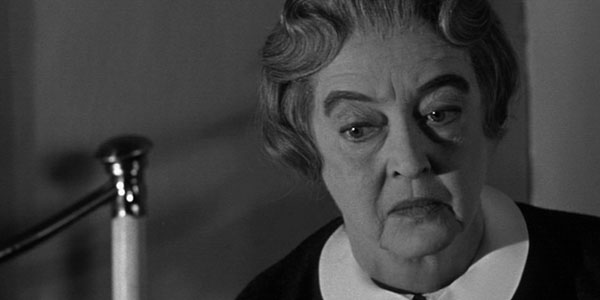
One of Hammer€™s most unsung films, The Nanny features a terrifying performance from Bette Davis, who plays a governess that murders her charges. Her latest ward is Joey, an emotionally disturbed 10-year-old who€™s just returned from a children€™s home, where he was remanded after drowning his sister. Imagine Joey€™s surprise when he returns home to his father (James Villiers, perennially cast as the snooty aristocrat) and mother (Wendy Craig, who€™s best remembered for her comedy roles) to find creepy Davis willing to dote on him. Needless to say, he rebels, little realizing that Davis is not someone to trifle with. We don€™t want to give too much away, so let€™s just say that her preferred method of punishment is a short, sharp shock €“ involving water. Davis, with a British accent, is so restrained as to make you forget about her other forays into horror, which usually saw her trying to outdo her co-stars. She was reportedly €œdifficult€ on the set of The Nanny, but with a performance this good, why complain?

16. Peeping Tom (1960)

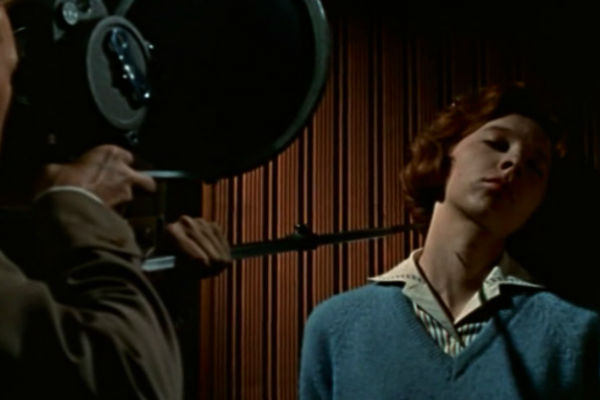
Peeping Tom opened shortly before Psycho in the UK €“ and promptly wrecked its director's career. Michael Powell was the much-lauded co-director of The Tales Of Hoffmann, A Matter Of Live And Death and The Red Shoes, but here he was directing a sleazy film about a photographer who murders women and captures their expressions on film. Had he lost his mind? It may involve a psychopathic killer, but Powell€™s film couldn€™t be more different from Psycho. It€™s a cold, clinical picture, that never skimps on the portrayal of London€™s seamier side. The first scene shows the main character picking up €“ and then murdering €“ a prostitute, which is very different from Psycho€™s €œcontroversial€ shots of Janet Leigh in her underwear. Grim and unrelenting, this is by no means a €œfun€ picture, but it appears to have influenced Hitchcock€™s later career. Returning to London in 1972 to shoot Frenzy, Hitch not only cast Anna Massey, Peeping Tom€™s lead actress, but when it came to staging the first murder, Hitch showed it in full close-up, just like Powell.

15. Wolf Creek (2005)

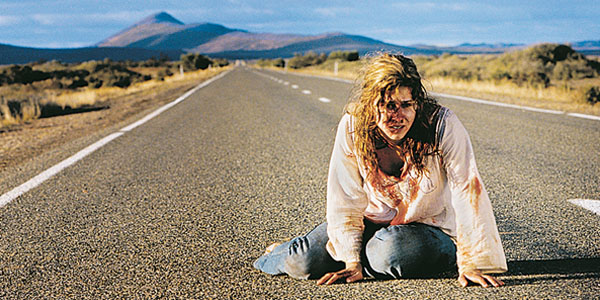
It€™s a sign of how potent Wolf Creek is that its Australian release had to be delayed until after the trial of an Australian accused of murdering a British backpacker €“ events mirrored by the film€™s narrative. That narrative boils down to a story about 3 backpackers being stalked by a killer through the Outback, but this is no standard slasher movie and Mick (John Jarratt, who once fronted a gardening show) is not your typical villain. He€™s a flesh and blood character, whose superficial charm allows him to get close to his prey, and he has the whole wilderness in which to ply his trade. In a movie with no shortage of disquieting moments, the standout has to be the €œhead on a stick€ sequence, and it€™s a toss-up which is the more unnerving €“ Mick€™s description of it or the look in his victim€™s eyes as he sets to work.

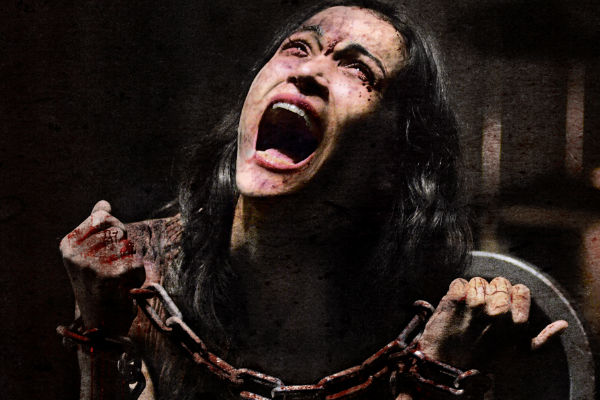
14. Martyrs (2008)

Somewhere in France, a seemingly pleasant suburban family (including their young children) is killed in cold blood by a shotgun-wielding young woman. Calling her friend, she explains that they were the people who kidnapped and tortured her 15 years earlier. That€™s just the opening 20 minutes of Martyrs, a movie that doesn€™t care what you think €“ it€™s not interested in playing by the rules. You can say that it blows its credibility early on, relies too heavily on repetitive scenes of torture and that the final explanation for the crimes is senseless and laughable, but it never shies away from its exploration of the depths of human depravity, and therein lies its power. If it copped out with a €œsafe€ ending, Martyrs would be easy to dismiss (and send up), but it has a single-minded desire to €œgo there€, and whether or not you want to follow, or think the journey was worth taking, you have to admire its resolve.

13. Cannibal Holocaust (1980)

Courtesy of fans such as Eli Roth, Cannibal Holocaust is finally getting the respect it deserves as it the granddaddy of all those €œfound footage€ movies that came along in the wake of The Blair Witch Project. The Legend Of Boggy Creek (1971) may have employed the pseudo-documentary format years earlier, but few would deny that Ruggero Deodato€™s is the more powerful. €œThose who filmed it were devoured alive by cannibals!€ shrieks the no-nonsense tagline, which is apt because this is a no-nonsense film where at no point do whiny teenagers stand around discussing horror films or giving €œironic€ commentary on the proceedings. Ah, the good old days. Handheld and grainy, the footage of (real) animal abuse and physical torture has a you-are-there immediacy that to this day has not been equalled, never mind topped. Slick movies like Rec and Cloverfield might be better edited, but what Deodato€™s movie lacks in finesse it more than makes up for in conviction.

12. Audition (1999)

A director best known for dull, overpraised gangster melodramas and over the top Manga adaptations, Takashi Miike delivers his low-key masterpiece with Audition, a movie that in the tradition of all the best horror films creeps up on you. When a lonely widower attempts to begin dating, he uses a filmmaker friend to €œaudition€ prospective girlfriends, and eventually settles for Asami (Eihi Shiina), unaware she has a past that€™s best described as €œcomplicated.€ But if you think this is going to be a psychodrama of the Fatal Attraction variety, guess again €“ Glenn Close never put needles in Michael Douglas€™s eyes or displayed a penchant for amputation. When first shown in Japan, Audition caused walkouts, with one outraged female viewer telling the director €“ to his face €“ that he was a very sick person. If you think that sounds like a recommendation, buy the DVD.

11. Suspiria (1977)

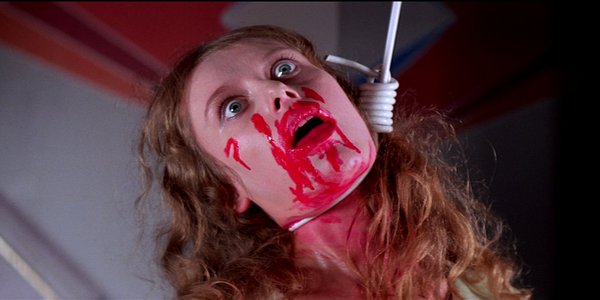
Those who admire Dario Argento don€™t like his films for their colourful characters and intricate plots, but for his mastery of cinematic technique, which is vividly displayed here. In a bravura opening sequence, a woman is butchered by an unseen assailant while Goblin€™s score thunders on the soundtrack, which might not sound like much on the page, but a late-night screening with an appreciative crowd will prove otherwise. Suspiria is defiantly anti-Hollywood: the characters aren€™t particularly likeable, it€™s not shot like a music video and doesn€™t lend itself to a franchise. Also, the kills are genuinely nasty, particularly the sequence where one victim exsanguinates while trapped in barbed wire. Needless to say, a remake is in the works, to which the only response can be an amused shrug. Whatever its intentions, it can€™t possibly match the artistry on display here.

10. Night Of The Living Dead (1968)

Made for chump change at the height of the golden age of exploitation, Night Of The Living Dead doesn€™t sound, on paper at least, like the kind of film that would stretch the horror genre overmuch. The nominal plot was an excuse for lots of violence and gore, most memorably (and disturbingly) in a sequence where a young girl, transformed into some kind of ghoul by a virus, stabs her mother to death in a cellar. Then again, not only was NOTLD well-made and full of seat-clutching suspense (how many Drive-in movies can you say that about?), but there was more going on here than met the eye. By no means a €œmere€ horror movie, this was an apocalyptic vision of a world gone insane, brought to you in grainy newsreel grey. It was a movie that refused to play by the rules, a film with a hero whose race was not an issue, who proved smart and resourceful to no avail and who in the final scene was shot and killed by his own rescuers. You can see why George Romero€™s movie caught on with academics, who were quick to point out the qualities that the critics had missed.

9. The Exorcist (1973)

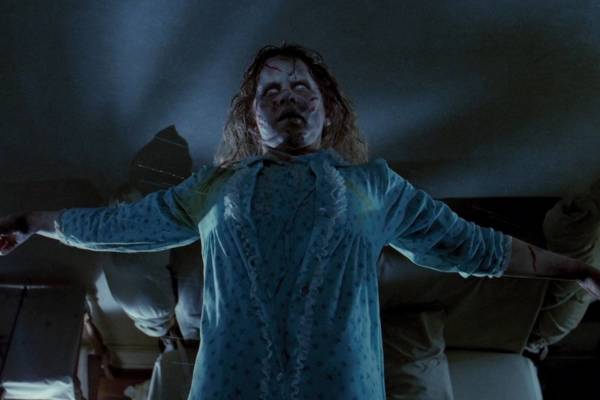
More than 40 years since The Exorcist first thrilled audiences, you can say this much about William Friedkin€™s movie: no subsequent religious-themed horror movie was as shocking, well mounted or suspenseful as his signature film. Religious horror pictures are dull dull dull (see: any movie with Exorcism or Possession in the title, plus the sequels), but not only does The Exorcist live up to the hype (€œthe most electrifying thing that will ever happen to you,€ the ads read), it throws in some still-powerful images. Watching Linda Blair perform unladylike acts with a crucifix is one thing, but how many films could show her throwing a doctor across the room without ending up as a laugh riot? When people say they don€™t make €˜em like they used to, this is the film they have in mind.

8. My Little Eye (2002)

Here€™s the pitch: it€™s 5 people in a house. For an entire movie. Their moves are recorded by hidden cameras, and if any of them decide to leave, then they forfeit the million dollars prizemoney. If ever a movie was begging to be staid and dull, it€™s Marc Evans€™s My Little Eye, but he skilfully sidesteps that exploring the dark side of reality TV, resulting in one of the nastiest films you€™ve ever seen. You see, one member of the group is a killer, and the show turns out to be a snuff movie being streamed on the internet. Unfortunately for Evans, his movie was released around the same time as a more high profile take on the same material. In Halloween: Resurrection, there€™s another group participating in a reality TV show, only this time it€™s coming from inside the Myers house on Halloween, and despite the house being rigged with cameras, Michael Myers appears to carve up the cast with his usual aplomb. It€™s a laughable time-waster, very different from Evans€™ smart, tightly controlled movie, so you know which to check out this Halloween.

7. The Silence Of The Lambs (1991)

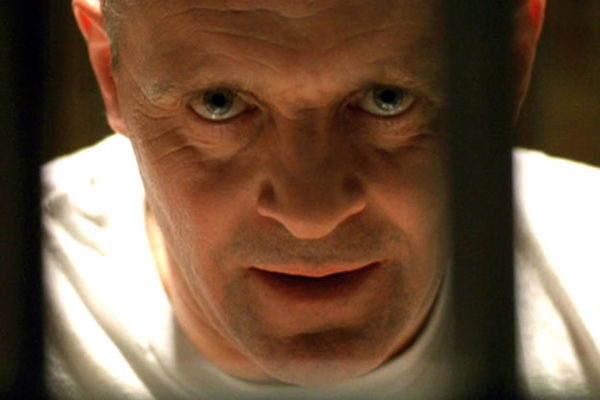
It€™s hard to believe now, but there was a time when not every crime novel or TV show was about serial killers. Thomas Harris began that trend with his novel Red Dragon, and if The Silence Of The Lambs isn€™t quite as good, you have to admit he was pretty well served by the film adaptation. The first movie since One Flew Over The Cuckoo€™s Nest to bag all the top Oscars (Actor, Actress, Director, Film, Screenplay), Silence is, like all trendsetting movies, both the best and worst thing that ever happened to the genre. While it raised the bar for what a horror film could be (who€™d have thought you could win an Oscar for biting a guy€™s face off?), it also paved the way for Hannibal (2000), Red Dragon and Hannibal Rising. Which, frankly, is unforgivable.

6. Saw (2004)

It€™s unfair to claim that Saw initiated the trend for so-called €œtorture porn€ €“ that dubious honour rests with Michael Bay€™s equally dubious Texas Chainsaw reboot, which treated us to the sight of Jessica Biel in a wet t-shirt swinging a weapon. In contrast, Saw was a movie for the head, a well thought-out psycho-thriller that didn€™t skimp on character. This first film isn€™t really about the traps or about Jigsaw €“ when it opens, it seems like it€™s going to be another of those boring two-guys-in-a-room indie thrillers. Then Leigh Whannell€™s script whisks us out of the room and straight into the story of a killer who offers his targets a choice €“ confront your worst fears, or die. His preferred method of rehabilitation for drug addicts is the €œreverse bear trap€, which, unlike in the sequels, is never deployed and actually €œhelps€ its target. Give that character a sequel €“ hell, give him 6, including one in 3D.

5. Martin (1978)

Martin is George Romero€™s €œlost€ masterpiece, the movie that€™s overshadowed by his Living Dead films, Creepshow et al. Even The Crazies got a big-bucks remake, something that€™s unlikely to happen here €“ the movie didn€™t go into the black until it reached video in the mid-80s. You need to discover this film for yourself because Martin is one of Romero€™s best structured, best shot and most entertaining films. It€™s also one of his most disturbing. In the opening sequence, the eponymous character, who believes himself to be a vampire, stalks a woman on a train, drugs her and drinks her blood. When plastic fangs prove ineffective, he resorts to razor blades, though in his fantasies (shown in monochrome, just like the classic vampire movies) he pictures himself as a traditional bloodsucker with a long black cape. Eerily prefiguring the later adulation heaped upon teenage vampires, he calls a late-night radio show to talk about his crimes and instead becomes a local celebrity.

4. The Texas Chainsaw Massacre (1974)

With a title like The Texas Chainsaw Massacre and a tagline (€œWho will survive and what will be left of them?€) so memorable that Rob Zombie immortalized it in song, Tobe Hooper€™s movie promises all the blood and guts in the world, but instead steers clear of splatter in favour of unrelenting claustrophobia and suspense. As the remake proved, this turns out to be to the film€™s advantage. Showy special effects tend to overwhelm character and narrative, so by keeping the blood offscreen (mostly), Hooper shows how less really is more. If he€™d gone for the sledgehammer method favoured by his competitors, then the picture would€™ve had nowhere to go. It certainly wouldn€™t have been able to build up to the dinner party sequence which, however you feel about it, is one of the wildest and craziest scenes in horror cinema.

3. Halloween (1978)

Halloween isn€™t a movie, it€™s a machine whose purpose is to thrill audiences, and even after nearly 40 years, it still works better than any of the sequels, remakes and rip-offs it spawned. Drawing inspiration from everything from Touch Of Evil to the films of Mario Bava and Dario Argento, John Carpenter€™s movie has no use for plotting because it€™s all about cinematic technique, something the film€™s imitators failed to notice. Michael Myers doesn€™t need to be explained, just to step out of the darkness at key moments, accompanied by Carpenter€™s memorable score. Interestingly for a movie shot in 21 days for $325,000, no subsequent movie can hold a candle to Dean Cundey€™s widescreen cinematography, which is so important to the movie€™s success. The suburbs have never looked spookier than they do here, even when the streets appear to be empty.

2. Red, White And Blue (2010)

Released in the same year as the Elm Street remake, Simon Rumley€™s movie would, in a fair world, have blown that turkey out of the water and bagged a few awards in the process. It€™s a simple story of how 3 very different people meet and how their choices result in escalating violence. When aspiring rocker Franki (Marc Senter) realizes he€™s contracted HIV from the promiscuous Erica (Amanda Fuller), he snaps and kidnaps her, little realizing that she has a platonic friendship with Nate (Noah Taylor), an Iraq War veteran skilled in interrogation. Billed as a €œslacker revenge movie€, Red White & Blue is, simply put, the best written, best acted and best directed movie you€™ve never seen. After playing a few festivals, it disappeared before eventually resurfacing on DVD with absolutely no fanfare whatsoever €“ the critics were too busy gushing over Paranormal Activity and Insidious to notice.

1. Henry: Portrait Of A Serial Killer (1990)
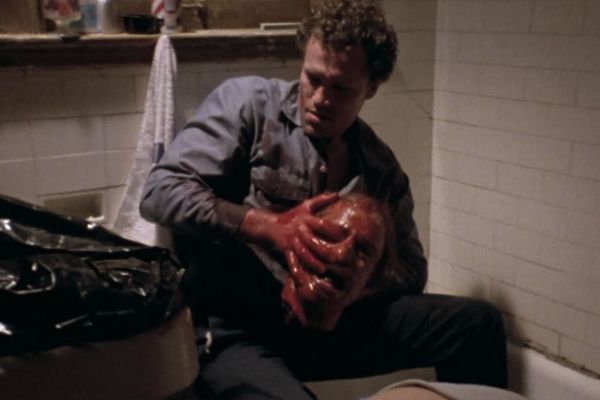
Given $100,000 to make a horror movie, John McNaughton asked himself a simple question: €œWhat€™s really scary?€ Freddy Krueger, with his dreadful puns, most certainly wasn€™t, so McNaughton looked to real life for inspiration and settled on the story of Henry Lee Lucas. Lucas was a lowlife who along with his pal Otis claimed to have murdered more than 200 people, so together with playwright Richard Fire, McNaughton told a fictionalized (but not sensationalized) account of his life, careful to emphasize Henry€™s lack of empathy €“ a quality that Michael Rooker (in his first lead role) really brings out in the character. One of the most disturbing scenes (truncated in the original UK release) features Henry and Otis watching a videotape of themselves at work, commenting on the events onscreen as they terrorize a family. Bear in mind that this was nearly a decade before Blair Witch et al €“ and a damn sight more horrifying.

In this post: 
Martyrs
 
Posted On: 
Contributor

Ian Watson is the author of 'Midnight Movie Madness', a 600+ page guide to "bad" movies from 'Reefer Madness' to 'Poultrygeist: Night of the Chicken Dead.'