25 Greatest Movie Endings Since 2000

6. The King's Speech (2010)

The Ending: Following Nazi Germany's declaration of war in late 1939, King George VI (Colin Firth) delivers a vital speech to millions of British citizens over the radio, aided slightly by his speech therapist Lionel Logue (Geoffrey Rush), and by the end of the speech, he pretty much nails it on his own. He then steps onto Buckingham Palace's balcony with his family to immense praise from the waiting crowd, before title cards reveal that Logue remained at George's side through all of his wartime speeches, and the two stayed friends for life. Why It's Awesome: Director Tom Hooper and Colin Firth manage to take a mere speech and turn it into a supremely inspirational moment, aided hugely by the brilliant use of the 2nd movement (Allegretto) of Beethoven's 7th Symphony. Only the most ardent cynics wouldn't have their heart warmed by this wonderful movie, and especially its triumphant final moments.

5. The Mist (2007)

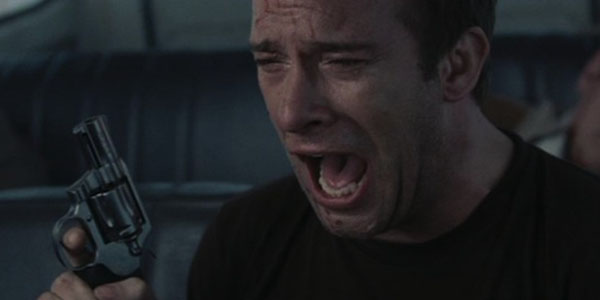
The Ending: After finding his wife dead, coming across a giant monster the size of a skyscraper and finally running out of gas, David (Thomas Jane) and the three other adult survivors agree that it's best to take the easy way out with a bullet to the brain. With only four bullets left, David shoots the three adults as well as his own young son, and then ventures out into the mist to be devoured by the beasts. Just at that moment, the mist pulls back to reveal a military convoy passing through the area with survivors in tow, having effectively quashed the monster invasion moments earlier. To rub salt in the wound, a woman who David and others presumed would die by running off to rescue her kids earlier in the movie is in the convoy, safe and sound with her children. David breaks down in front of the military personnel as the shot pulls back to reveal dozens of dead monsters. Why It's Awesome: Because after these characters are put through so much turmoil, the expectation is that they'll finally be rescued. Above all else, the kid won't die, right? Daringly, Frank Darabont intentionally deviates from the ending of Stephen King's source material (where they continue to drive to a possible but uncertain haven), and the result is so potent that King himself said he wished he came up with it. The use of Dead Can Dance's The Host of Seraphim helps cement just how heart-wrenching the twist is, and Jane's devastating performance seals the deal.

4. Oldboy (2003)

The Ending: It turns out that the villainous Woo-jin has been manipulating protagonist Dae-su (Choi Min-sik) ever since releasing him from captivity, using numerous means to make him fall in love with young woman Mi-do, as unbeknownst to either of the lovers, they are actually father and daughter. Satisfied with his punishment of Dae-su for the previous role he played in causing his sister's suicide, Woo-join then shoots himself. Some time later, Dae-su visits the same hypnotist Woo-jin used to set the scheme up, who erases his memories of the incest. Dae-su then meets up with Mi-do, and the two embrace, but Dae-su's ambiguous expression suggests that he may still remember the truth. Why It's Awesome: Because of the wonderful, demented ambiguity of it all. Oldboy takes the notion of love and completely violates it in an utterly fascinating way: nobody can blame Dae-su for wanting to live in a blissfully ignorant state, but at the same time, dude... Also, Dae-su is denied the usual "hero" opportunity to get revenge on the bad guy: instead, Woo-jin robs him of it by taking his own life. Oldboy's certainly not for the faint of stomach (like a lot of entries on this list), but it put Chan-wook Park clear on the map as a thoughtfully f***ed up filmmaker.

3. Requiem For A Dream (2000)

The Ending: Nobody gets a happy ending here: Sara (Ellen Burstyn) loses her mind following electroconvulsive therapy, Harry's (Jared Leto) infected arm from drug use is amputated, Tyrone (Marlon Wayans) is imprisoned for drug possession and suffers severe withdrawal in jail, and Marion (Jennifer Connelly) continues to participate in sordid sex shows for drugs. Each character curls into the fetal position while Sara imagines winning the game show she thought she was going to appear on. Harry appears to meet her in the dream, looking smart and engaged to Marion, and finally, the two embrace, telling each other they love them. Fade to black. Why It's Awesome: It's completely emotionally shattering, and regardless of your opinion on drug use, a shocking summation of the movie's examination of addiction in all its forms. The performances (especially Burstyn) are astounding, Aronofsky's imagery delirious, and of course, Clint Mansell's wonderfully bleak score has become an iconic pop-culture mainstay ever since. Just don't watch it if you're feeling depressed. There's not an ounce of redemption to be found.

2. Inception (2010)

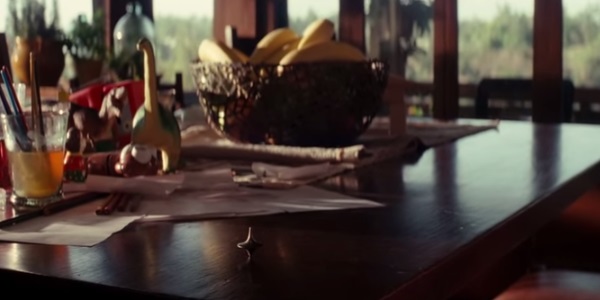
The Ending: After finally performing the mind heist which convinces Robert Fischer (Cillian Murphy) to dissolve his father's energy company, Cobb (Leonardo DiCaprio) returns home to the U.S., where he's greeted by his father-in-law (Michael Caine), who reunites him with his two young children. Cobb spins Mal's (Marion Cotillard) spinning top totem, but doesn't stick around to see if it topples or not, instead keen to play with his kids. The final shot closes in on the top as it appears to waver but doesn't fall over. Cut to black. Why It's Awesome: It's one of the most talked about endings of the century, with audiences divided on whether Cobb is still in a dream, or has in fact woken up. Though Christopher Nolan has refused to answer either way, he suggests it's more important that Cobb simply isn't looking at the totem anymore (which isn't his to begin with), but has decided to just accept the reality with which he's presented. It's an ending that's at once extremely thought-provoking and also a little frustrating too (in a good way), and Hans Zimmer's superb track "Time" being laid over the final moments made the tune instantly iconic.

1. Toy Story 3 (2010)

The Ending: As the toys prepare themselves to go into the attic, Woody (Tom Hanks) writes a note for Andy, and believing that his mother wrote it, he follows the advice on it, donating the toys to Sunnyside student Bonnie. Woody also hides himself in the same box, much to Andy's surprise, who after a little hesitation allows Bonnie to keep him also. Andy and Bonnie play together with the toys, and Andy then leaves to head to college. He looks back one last time, saying, "Thanks guys", and after he drives away, Woody says, "So long, partner" as Buzz (Tim Allen) embraces him and the camera pans to the sky, the clouds resembling Andy's iconic childhood wallpaper. Why It's Awesome: Who would have expected a movie about a young man and his toys to be capable of ripping out the hearts of audiences no matter their age? After getting to know Woody and co. over the last three movies, knowing that this would (probably) be goodbye was a tough pill to swallow, and Pixar milked that emotion for everything it was worth. The result is one of the most affecting movie endings of all time, a wonderful examination of the joy of playing with toys and, of course, growing up. It admits that everything must come to an end, but new beginnings must also be sought where possible. If you're a big fan of this series and Toy Story 3's brutal climax didn't make you cry, you may not be an actual human being. Although the news that Pixar are proceeding with an ill-advised Toy Story 4 surely will... Which movies endings since the year 2000 are your personal favourites? Shout them out in the comments!

Contributor
Contributor

Stay at home dad who spends as much time teaching his kids the merits of Martin Scorsese as possible (against the missus' wishes). General video game, TV and film nut. Occasional sports fan. Full time loon.