4. Memento And Irreversible
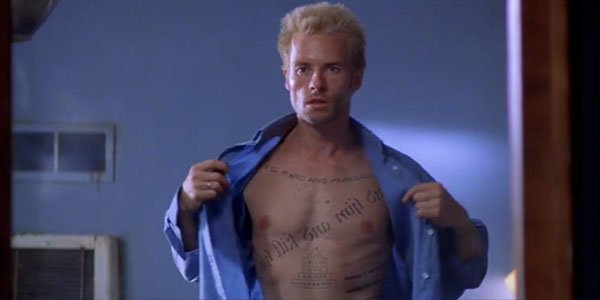
Theme: "I wish I could remember"/"I wish I could forget". Christopher Nolan's Memento positively demands repeated viewing in order to unravel its mysteries, while Gaspar Noé's hugely controversial Irréversible might be something you'd want to avoid seeing altogether. Nolan's Memento gives the audience two timelines to untangle; one in black and white which plays out chronologically, another in colour in which the scenes are ordered in reverse, following the actions of Leonard Shelby (Guy Pearce) as he tries to track down the murderer of his wife. Suffering from an acute form of amnesia which prevents him from storing new memories, he has developed a system of notes, photos and tattoos to keep track of all the clues. The effect of the use of a non-linear narrative structure is to throw the audience into his world, each sequence roughly mimicking the limitations of his memory function, putting us back at square one with each step backwards through time the film. In stark contrast, the effect of Irréversible's use of a single timeline playing out in reverse is to take us from a place of extreme violence and cruelty to blissful ignorance - except the audience, unlike the characters, remain all too aware of what is to come. The motif of "Time destroys everything", which closes the film (and opens it chronologically) sums up the nihilistic tone, while the infamous rape and revenge murder scenes secured Irréversible's place as one of the most controversial movies of all time. Gaspar Noé defended his film against the inevitable criticism which suggested the film was pure exploitation and full of misogyny, saying, "I think that Paul Schrader said that about Taxi Driver - just because you give a portrait of a criminal that doesn't mean you are a criminal yourself." It's certainly a divisive film, revered and reviled in equal measure.