7 Most Unexpected Ways Movies Had An Impact On Real Life
 When was the last time you saw a movie and said to yourself "Wow, this film has the power to change the world" when the credits started to roll? Yeah, we don't remember either. The truth is most of us are content simply by spending two hours of life watching stuff get blown up good or Hulk using Loki as a rag doll before heading back to our dull existence. But every now and again, a film so powerful will come along that will completely shatter people's expectations as to how important movies really are in the real world, and we wind up with such crazy and random stories as...
7. Lincoln Forces Mississippi To Ratify The Thirteenth Amendment
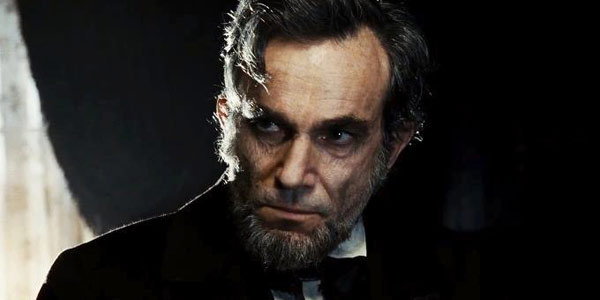 When Steven Spielberg's latest film, Lincoln, hit theaters late last year, critics and audiences alike hailed it a masterpiece, decided they should award it a few fancy awards and called it a day. Dr. Rajan Batra however, an immigrant from India living in the United States, found the film so moving that when he got back home after his screening he started doing internet searches on what had happened after honest Abe had been buried. And while most of us would get bored after 30 minutes of internet History lessons, Dr. Batra made a discovery that everybody assumed had been taking care almost 200 years prior. Namely, that the state of Mississippi had never actually ratified the amendment that abolished slavery, which meant that officially, slavery was still legal in Mississippi. Batra contacted State officials, who quickly filled out the necessary paperwork and finally ratified the Thirteenth Amendment.
6. Jaws Changes Summer Forever And Scares People Off The Beach
 For film fans worldwide, Summer is like Christmas. It's the time of year when the biggest, loudest and most spectacular blockbusters are released, with four sequels following each consequent Summer. But if you went to the movies during the summer in the late 60s and early 70s, the only films you were going to see were probably the lousiest and cheapest pictures every studio had to offer that year. -->
This all changed during the Summer of 1975, when a young Steven Spielberg released Jaws and it became a massive box office hit. Suddenly, every studio in Hollywood wanted to mimic that film's success, which is why they began to program their high concept million dollar extravaganzas around Summertime. As if that were not impressive enough, between June and September of 1975 one of the highest movie attendances in History was recorded, which coincided with a dramatic decline in beach attendance in the United States.
So next time you're wondering why people rather sit in a dark, crowded room instead of frolicking on a beach during the most beautiful time of the year, you know it's all because of a shark.
-->
5. The Dardenne Brothers Aid Child Laborers With Their Film
 When Jean-Pierre and Luc Dardenne, the Belgian filmmakers whose work baffles everyone yet they all claim to love, showed up at the 1999 Cannes Film Festival to promote Rosetta, a bleak drama about a teenage girl struggling for a better life for her and her alcoholic mother, critics showered them with universal praise and awarded them the Festival's most prestigious prize, the Palme d'Or, alongside a Best Actress award for Emilie Dequenne, who played the title role. What happened next nobody could predict however, as the citizens of Belgium were so shocked and disgusted at the conditions in which Rosetta had to live throughout the movie, that they successfully lobbied for a law that aided teenage workers across the country, forbidding employers from exploiting them by paying them minimum wage. The law would appropriately be called Rosetta's Law.
4. JFK Spurs The American Government To Create A New Transparency Board

3. Errol Morris Gets An Innocent Man Out Of Jail
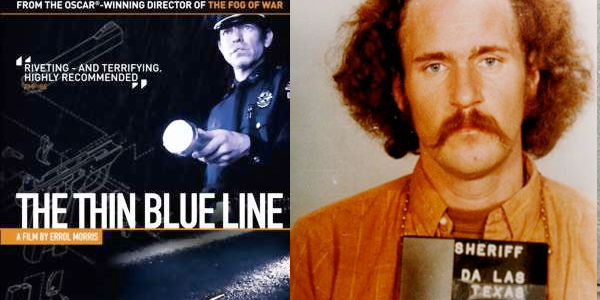 In 1977, Randall Adams was walking down the streets of Dallas, Texas, when he was arrested and charged with murder. He was declared guilty and sentenced to die by lethal injection, even though vital evidence that would clear him had been dismissed during the trial. 8 years later, Errol Morris arrived in Dallas to work on a documentary whose subject was a doctor that had been involved in the Randall Adams trial. As the doctor told him more about the trial, Morris grew increasingly intrigued by Randall Adams, and pretty soon he abandoned the doctor and started investigating on his own. 2 years later, the results of his investigation would come to light in The Thin Blue Line, a documentary which audiences and critics alike hailed as thought-provoking. The buzz surrounding the film was so that it forced the Texas appeals court to grant Adams a new trial. He was declared innocent.
2. Avatar Makes Everyone Clinically Depressed
--> No matter it's many flaws, you'd be hard pressed to find anybody who could object to the beauty and wonder of Pandora, the world Avatar takes place in. But while most viewers probably forgot about the shape of the trees or the noises the Na'vi make by the time they got home, others...did not. After the movie opened, there were several reports of fans feeling depressed because they would never be able to visit Pandora in their lifetimes. These fans expressed disenchantment with humanity in general, and some went as far as to even report suicidal thoughts. The matter got so serious that Dr. Stephan Quentzel, a psychiatrist and Medical Director for the Louis Armstrong Center for Music and Medicine at Beth Israel Medical Center in New York, commented on the fact, explaining that depression set in because the film's CGI technology was so incredible that real life could never hope to match it. Well, thanks doc. -->
1. The Passion Of The Christ Makes Someone Confess To The Perfect Murder

Dan Leach had committed the perfect murder and gotten away with it. He had made his girlfriend's murder look like a suicide by anti-depressant medications, and the police had already ruled it so. A couple of months later Leach was at the movies watching Mel Gibson's controversial picture, The Passion of The Christ, and when the film ended, Leach knew something must be done. So he rushed to find a spiritual adviser, told him the movie had made him want to confess his crimes, and then walked right into the police station and admitted he was responsible for the murder.
Leach was facing life in prison, but that did not seem to matter to him. Maybe we should keep this in mind next time Mel Gibson screws up: no matter what he says, at least he helped put a murderer behind bars. All forgiven?