9 Awesome Trilogies Made From Completely Unrelated Films
 The true crowning achievement of a film series is to make it to the fabled third installment. Rounding off a trilogy gives your story a defined beginning, middle and end (until the studio decides to add on another sequel or reboot it). The problem, however, is that a perfect trilogy is hard to come by. Too often a filmmaker will leave, marking a strong tonal shift, or the director will drop the ball and leave us with a third installment inferior to the previous two. Conventional trilogies come with too much expectation. Paradoxically, only the big studio films will become trilogies, despite smaller films being the ones who often need the time to breathe. Thats where so-called unofficial trilogies come in. Seemingly unconnected movies that share an overarching, often developing, theme form some of the best movie trios around. Without the pressure on filmmakers and anticipation from audiences, these films can be enjoyed as standalone pictures, but if you put them together they bring something more to the table. Most (if not all) of these films weren't intended to be trilogies. Some directors have retroactively dubbed them so, but for the most part its keen fans (and in one, well known case a dollar-eyed studio exec) who've brought these films together. As unofficial trilogies aren't the most well known of film groupings, today we bring you nine of these trilogies. Id recommend checking each and every one of them out - youll never look at these films in the same way again.
9. The Cornetto Trilogy
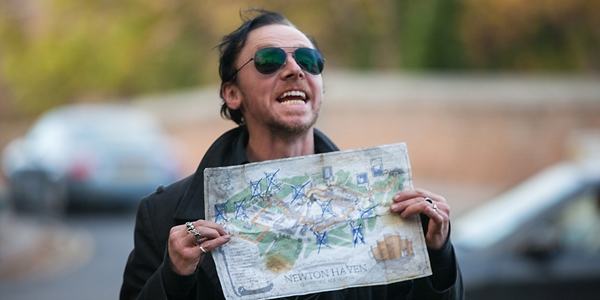
 The Films: Shaun Of The Dead (2004), Hot Fuzz (2006) and The Worlds End (2013). Why So Awesome: Edgar Wrights British comedy trilogy has only just drawn to a close, but its already a classic. Its been almost a decade since Shaun Of The Dead hit cinemas and, along with Hot Fuzz, became a mainstay of sleepovers, parties and hungover afternoons. These seemingly simple comedies not only took some of Hollywoods prolific genres and tore them apart, but created a new view of Britain that has entered the popular zeitgeist in a similar manner to Trainspotting in the nineties. The Worlds End doesn't quite scale the heights of its predecessors, but goes damn close. If Shaun was taking on zombies and Fuzz was an action pastiche, The Worlds End is really riffing on Edgar Wright movies, twisting the (admittedly small) genre we all know. Thankfully, thats not as self indulgent as it sounds. Sure, the action feels like forced segues rather than natural comedy and I personally would have been happy without the sci-fi element, but as meta end to the trilogy, its brilliant.
8. Spielbergs Running Man Trilogy

7. The Tarantino Trilogy
 The Films: Reservoir Dogs (1992), Pulp Fiction (1994) and Jackie Brown (1997). Why So Awesome: To this day Tarantino films come as their own brand. Popular, but noticeably different to the rest of mainstream cinema, they stand out almost as their own genre (although Im loathe to say that lest it boosts Quentins ego any larger). His first three films really marked this, to the point where they were affectionately dubbed a trilogy. And even though Tarantinos gone on to make many more films the title still feels justified. Starting with the short, low key crime thriller, followed by a dialogue epic and ending with a cleaner drama they feel spiritually linked, with actors (and families) passing through and showing a natural development of Tarantino as a filmmaker. Its just a shame Jackie Brown didn't have a direct link to one of the other two; the Vega brothers opened up the chance of Dogs and Fiction being set in the same world, an enticing possibility never fully explored. Also, for those of you wondering, the third image above is Tarantinos cameo in Jackie Brown - hes the voice on her answering machine.
6. Hitchcocks Strangler Trilogy

5. Tarantinos History Trilogy

4. Oliver Stone's Vietnam Trilogy

3. The Imagination Trilogy
 The Films: Time Bandits (1981), Brazil (1985) and The Adventures of Baron Munchausen (1988). Why So Awesome: After showing he could do more than just direct his friends with the criminally underrated Jabberwocky, Terry Gilliam ended up spending the next decade creating what is now known as The Imagination Trilogy. What makes this trio stand out against the rest on this list is that while the films remain unconnected, its the director whos dubbed them a trilogy. This trilogy takes us through imagination (duh) of three different ages. Each of the films, which saw Gilliam rise to greatness as a proper director and not just a former-Python, have a bent similar to their protagonist. The trilogy presents three differents types of imagining events which mirror how human obsessions change as we grow older. As children (Time Bandits), we live in the now, imagining an altered present. As adults (Brazil), we look to a future away from our current existence. And in old (ish) age (Baron Munchausen), we go back and reinvent the events we've lived.

