9 Things Universal's Classic Monsters Reboot Needs To Do

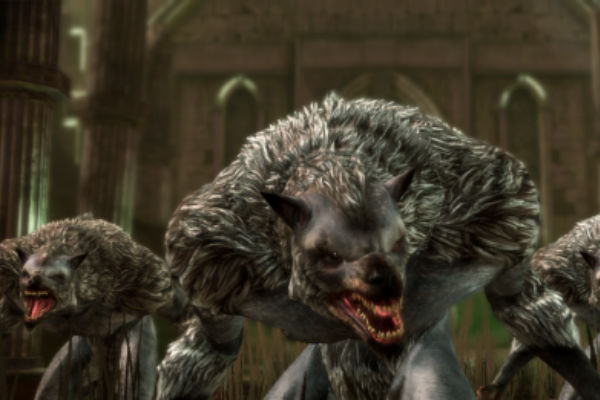
Lose the CGI werewolves, for a start.
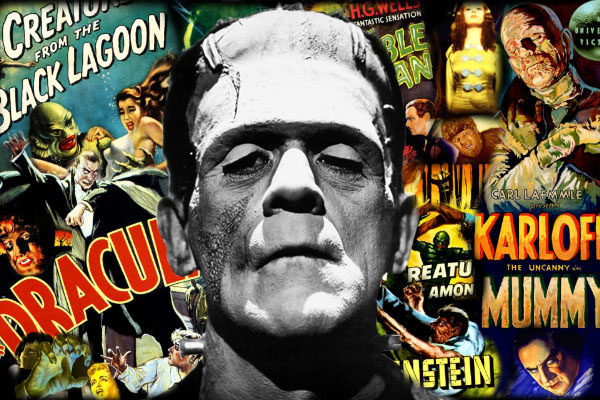
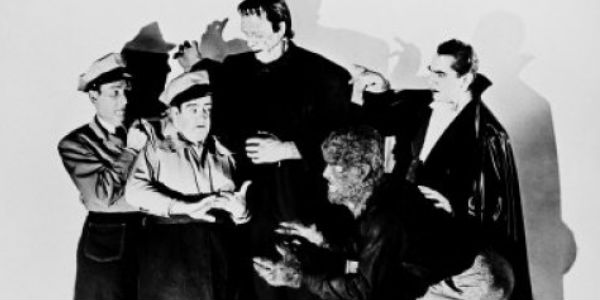
Taking inspiration from the Marvel Cinematic Universe, Universal plans on bringing back its monsters for a series of interconnected films that will ultimately bring them together in a single picture not unlike the classic House Of Frankenstein (1944). A reboot of The Mummy, due in 2017, will jettison those plans, which also include remakes of Dracula, Bride Of Frankenstein and The Wolf Man. Similar things were promised in 2014 when Dracula Untold reached cinemas, but that film€™s indifferent reception appears to have caused a rethink. Chris Morgan (Furious 7) and Alex Kurtzman (Transformers) have been brought in as producers, apparently with a remit to reimagine the old films as action spectacles for the comic book crowd, and to say they face an uphill struggle is putting it mildly. In 2010, Universal€™s The Wolf Man remake ended up costing a whopping $150 million after a troubled production that included the usual delays, rewrites and reshoots. A commercial flop, it was later described by the studio head as €œcrappy€ and €œone of the worst movies we ever made.€ Little better was Van Helsing (2004), the studio€™s first modern attempt to unite Dracula, Frankenstein and The Wolf Man, which invoked similar ire. €œAfter a brief prologue that pays homage to classic Universal horror,€ wrote Leonard Maltin, €œthis noisy, interminable, video-game-like movie discards all semblance of story or characterization.€ That€™s not to say that Morgan and Kurtzman won€™t succeed €“ flops like Elektra didn€™t impede the MCU, after all €“ just that there are points the duo need to bear in mind.

9. Assume That We Know The Origin Stories

Nobody wants to see Jonathan Harker travel to Castle Dracula or Baron Frankenstein create another monster, so instead of re-telling the same old story, credit your audience with some intelligence and pick up where the old movies left off. The Monster Squad, one of the few modern monster films worth watching, is an affectionate homage to the Universal pictures that brings together Dracula, Frankenstein€™s monster, The Wolf Man, The Mummy and The Gill Man. Shorn of the need to explain each monster€™s origins, it gets everything said and done in 81 minutes. Compare that with Paul McGuigan€™s more recent Victor Frankenstein, which takes 110 minutes to re-tell Mary Shelley€™s story in the driest, most protracted way possible. True, it€™s the first time the tale has been told from the perspective of Igor (Daniel Radcliffe), but so what?

8. Admit That Most Modern Versions Are Bloated

Maybe it€™s the studio€™s attempt to give audiences more bang for their buck, but the running time of each subsequent version of the same story usually creeps upwards despite filmmakers adding nothing worthwhile to the story. Tod Browning€™s Dracula (1931), with Bela Lugosi€™s definitive portrayal of the Count (ditto Dwight Frye as Renfield), clocks in at a slender 75 minutes, while the considerably more lavish 1979 remake, with its trendy gimmicks and unnecessary story changes, bloats the length to 109 minutes. By the time the Count appeared in Van Helsing, audience members were required to remain in their seats for a bum-numbing 132 minutes that were long on razzle dazzle but short on coherence. At least when Lugosi€™s vampire was staked, you knew the movie was over and that he wouldn€™t return for another effects-heavy confrontation.

7. Forget CGI

Given the wonders that Jack Pierce was able to create in the 1930s and 1940s, why is it necessary for modern filmmakers to resort to palpably fake digital trickery rather than practical effects? It was Rick Baker€™s experiences on 2010€™s troubled Wolf Man movie, where he felt unappreciated and was too often being overruled by money men who knew nothing about his craft, that eventually pushed him into retirement. For the 7 people reading this who don€™t know who Rick Baker is, he€™s the Oscar winning effects legend who handled An American Werewolf In London€™s transformation scenes, so when you€™ve got him on your crew, you don€™t scale back on his services in favour of CGI, you give him the time to create something truly astonishing.

6. Be Certain Of Your Genre

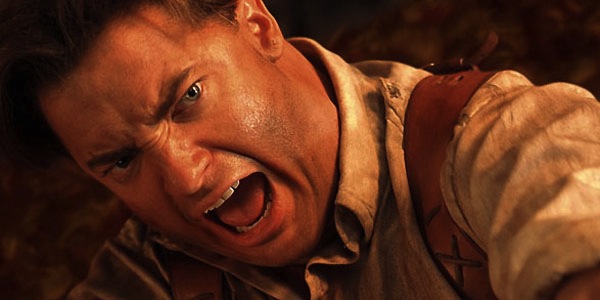
When The Mummy (1999) opened, most critics pointed out that it owed more to Indiana Jones than to Boris Karloff, and they were right: it was an action fantasy with special effects galore, more interested in chase sequences than awe and wonder. Director Stephen Sommers, who comes from the same €œmore is more€ school of filmmaking as Michael Bay, pulled off the same thing again (only worse) in The Mummy Returns (2001) and Van Helsing (2004), whose attitude towards the monsters bordered on contempt. Then there€™s Dracula Untold, the supposed first chapter in the Universal Cinematic Universe, which owed more to George R. R. Martin than Bram Stoker. Though its main character was referred to on several occasions as €œThe Impaler€, this was not the Vlad Dracula of historical legend but an impostor who€™d wandered in from an episode of Game Of Thrones. Were the filmmakers making a sword and sorcery picture, a horror film or a fantasy drama? They seemed to be trying to touch all the bases, to appeal to all of those audiences, and ended up pleasing none of them.

5. Don't Make The League Of Extraordinary Gentlemen

If you need proof that most attempts to combine characters don€™t work, look no further than 20th Century Fox€™s The League Of Extraordinary Gentleman. In the wake of this box office stiff, star Sean Connery went into retirement, director Stephen Norrington left Hollywood and author Alan Moore refused to sell any more film rights to his work. Loosely based on Moore€™s graphic novel, LXG (as it called itself in trailers) unites several characters from 19th Century literature including Allan Quatermain, Captain Nemo, Tom Sawyer and Dorian Gray. Because it can€™t decide what to do with them, the script has them run around for 2 hours dodging explosions. Included in the group is Dr Jekyll, whose transformations into Mr Hyde are more The Incredible Hulk than Robert Louis Stevenson, which must be deliberate because Ang Lee€™s Hulk opened that same summer. Whenever onscreen, he growls while destroying the scenery with his fists, so the filmmakers missed a trick by not having him say, €œHyde smash!€

4. Go Back And Watch Twilight (No, Seriously)

If there€™s a franchise that successfully brought vampires into the present, and also found room for werewolves, romance and epic battles, it€™s Twilight. Don€™t laugh €“ those films were well-mounted and took themselves seriously at every turn, never once using post-modern humour to gloss over bad filmmaking or weak narratives. They might€™ve been aimed at adolescent girls, but they proved more adept than their competitors at combining romance and the supernatural, qualities essential when remaking, say, The Phantom Of The Opera or Bride Of Frankenstein. Any fool can shoot a monster attack and make it look exciting, but being able to create memorable characters, likeable enough that an audience wants to follow them through an entire series, is a rare skill. Any filmmakers serious about bringing the classic monsters into the present who wish to develop a credible scenario could do worse than go back and watch these films.

3. Horror Characters Are Not Action Heroes

If you took Underworld, threw in elements of Blade and added a few references to James Whale€™s Frankenstein films, then overbaked it until the result was an indigestible mess, you€™d have I, Frankenstein, a movie that exists to make Blade: Trinity feel good about itself. There are gargoyles, demons and mad scientists, but there€™s never any reason to get involved because it€™s not always clear what€™s going on. The only thing the movie proves is that Frankenstein€™s creature should never ever be rebooted as an action hero. Even more headache inducing is Van Helsing, which reimagines the vampire hunter as a one-dimensional figure who€™s embroiled in another noisy set piece every 5 minutes, but doesn€™t appear to have any personality or motivation. Nor is he is ever in any peril - being an eponymous character is a better defence against vampires than a crucifix.

2. Know Your Audience

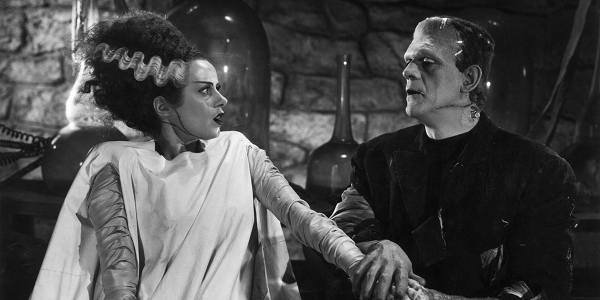
2015 marked 80 years since the release of Bride Of Frankenstein, so the main audience for a remake, far from being adolescent boys, is more likely to be older. Sound unlikely? That€™s exactly what happened with Mad Max: Fury Road, whose opening night audience was comprised mainly of people who€™d watched the original films on VHS and spent decades waiting for the next one. George Miller seemed to know it, too, and made a movie that played to them instead of trying to explain the universe to the uninitiated. In Son Of Frankenstein, Universal€™s 1939 sequel to Bride, the monster is revealed to have survived the previous film€™s climactic explosion (and lost the ability to talk), but the bride herself isn€™t so much as mentioned. Perhaps a remake could pick up where Bride left off? After all, Bride Of Frankenstein has already been remade as The Bride, and who wants to be reminded of a movie that casts Sting as Dr Frankenstein?

1. Don't Imitate, Innovate

Universal€™s classic monster cycle petered out in the 1950s when its creatures, having fought against each other, were either humanized (like the creature from the black lagoon in The Creature Walks Among Us) or, worse, selected to appear against Bud Abbott and Lou Costello. Any attempt to €œreimagine€ the films that favours overly slavish imitation will go down a similar path of ludicrous plot contrivances and self-parody unless (to paraphrase Samuel Goldwyn) Universal develops some brand new clichés. It€™s not enough just to restage Bride Of Frankenstein in colour with Angelina Jolie in the title role (as has been suggested €“ will she also play Mary Shelley?), you also require some brand new ingredients. Whatever Chris Morgan and Alex Kurtzman bring to the party, hopefully it€™ll allow the new movies to work as stand-alone pictures instead of transitions between instalments or pale imitations of the originals. We€™ve enough of those already. What do you want to see in the new Universal Monsters shared universe? Share your thoughts below in the comments thread.

Contributor

Ian Watson is the author of 'Midnight Movie Madness', a 600+ page guide to "bad" movies from 'Reefer Madness' to 'Poultrygeist: Night of the Chicken Dead.'