George Miller: Ranking His Movies From Worst To Best

It's Miller time.
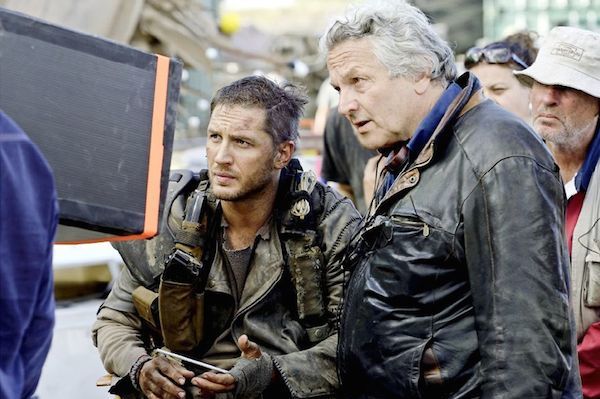
This week George Miller's long-awaited reboot of his own Mad Max explodes into theatres - and what a comeback it's purported to be! Whilst most people presumably expected Mad Max: Fury Road to be "okay" at best and "a stain on the franchise's epic legacy" at worst, it turns out that things have gone the opposite way entirely: Fury Road is a certified cinematic masterpiece, apparently, and one of the greatest action movies of all-time. It makes little sense that George Miller could return - at age 70, mind - with something quite so spectacular; with a movie currently sitting pretty on Rotten Tomatoes with an almost mind-boggling score of 99% based on 130 reviews (a single critic admitted to not liking it), especially since he hasn't directed an action movie for over thirty years. To celebrate both his career and the release of Mad Max: Fury Road, then, it's time to cast an eye back across the span of George Miller's strange and rather eclectic directorial body. What will become instantly apparent to anybody reading this list is that Miller has helmed some truly surprising films - films that couldn't be further away from Mad Max. Here, then, are the complete movies of George Miller, ranked from worst to best...

9. Happy Feet Two (2011)

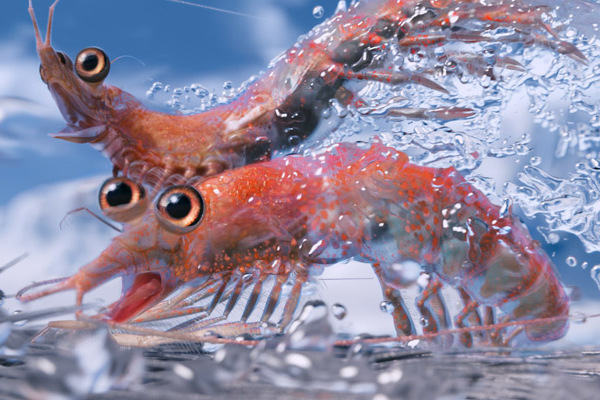
It's kind of bizarre to ponder how, exactly, George Miller - man of sand and blood - got involved with a franchise like Happy Feet. After all, he's not the first person who springs to mind when you say "dancing penguin movie" - nor he is the second, third, fourth of fifth. Alas, the success of the first Happy Feet movie in 2006 meant that Miller was positioned to return for the inevitable sequel (there was always going to be a sequel: human beings cannot instinctively turn down cute, dancing penguins). And return he did. Unfortunately, what magic was glimpsed in the original picture felt curiously absent in the follow-up; everything here feels forced, laboured and manufactured - a sequel for the sake of it. Bill and Will, two comical shrimp characters played by Matt Damon and Brad Pitt, are by far the highlight of the movie, but the rest of the picture struggles to keep things interesting, despite Miller's occasional bursts of directorial oomph made apparent through the gliding camera work - not to mention that most of the song choices here are highly insufferable.

8. Lorenzo's Oil (1992)

Lorenzo's Oil is probably the least known of all George Miller's movies. Not exactly surprising, really, given that it's a drama starring Nick Nolte and Susan Sarandon, based on the true story of "two parents in a relentless search for a cure for their son Lorenzo's adrenoleukodystrophy (ALD)." A long way from Mad Max territory, wouldn't you say? Lorenzo's Oil was nominated for two Academy Awards in 1993, and given the subject matter, it's clear that this film was supposed to win a bunch of Oscars. All these years later, though, and the melodrama feels like too much - and it is melodrama, mind you; the performances here are about as self-consciously affected as cinematically possible. Which presumably goes a way to explaining why Lorenzo's Oil, for all its merits and good intentions, has faded into obscurity. At the time, it probably felt especially powerful and relevant - nowadays this film feels like something akin to a TV movie; schmalzy and overwrought, with occasional flashes of Miller's technical genius for good measure. Also: Nick Nolte spends the length of this movie doing a terrible Italian accent. Like, the worst Italian accent ever. It's off-putting, to say the least.

7. Happy Feet (2006)

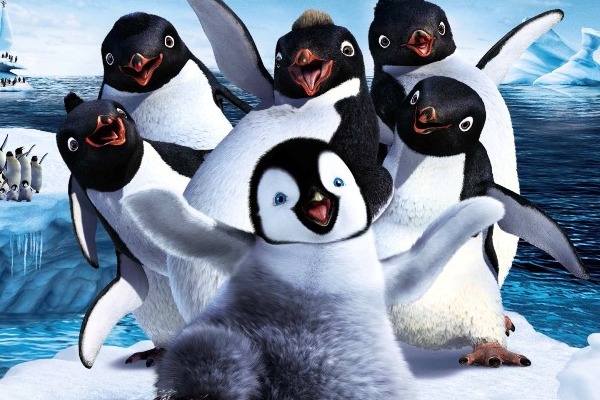
So, yes: the man who made his name with the blood-splattered car crash franchise that is Mad Max eventually found himself charged with directing Happy Feet, a movie about singing, dancing penguins in the Antarctic - a feat he pulls off with noticeable skill. Happy Feet isn't quite Pixar-level entertainment, of course, but what is? And it's hard to imagine a better film having been made from the premise behind this surprisingly fun and charming venture - one that became Miller's highest-grossing film ever upon release. Happy Feet's story focuses in on a little penguin named Mumble with a talent for dancing, of course, and his attempts to integrate into a society of penguins who prioritise singing above all else. This could have turned out to be a load of all tosh, but Miller keeps Happy Feet on the right (and environmentally-conscious) path - especially when the movie switches things up and takes Mumble to Miller's native Australia for the best chunk of the movie.

6. Mad Max: Beyond Thunderdome (1985)
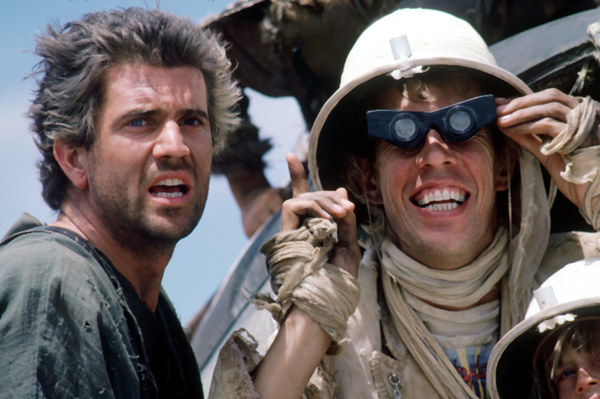
Mad Max: Beyond Thunderdome isn't a bad movie, by any means; aside from Happy Feet Two, George Miller has never made a truly bad movie. That said, Mad Max's third chapter marks the point at which Hollywood excess and an unstoppable sense of "it's the 1980s!" leaked into the franchise. As a result, most of the raw, kinetic energy inherent to the first two flicks feels lacking. It's a far sillier and less focused motion picture experience overall. That makes sense, of course, given how George Miller was known to have felt whilst shooting: disillusioned after the death of his friend and producing partner, one Bruce Kennedy, Miller opted for a co-director (George Ogilvie), and spent most of his time on the action sequences. So what the film lacks in depth, it makes up for in its action. Whilst Beyond Thunderdome is not Mad Max at its brilliant best, then, it's still entertaining. There are lots of people who adore this entry, of course, and your reaction to Beyond Thunderdome presumably depends on how you take to the idea of Tina Turner playing a villainous character called "Aunty" - arguably the most '80s thing to have happened, ever.

5. Babe: Pig In The City (1998)

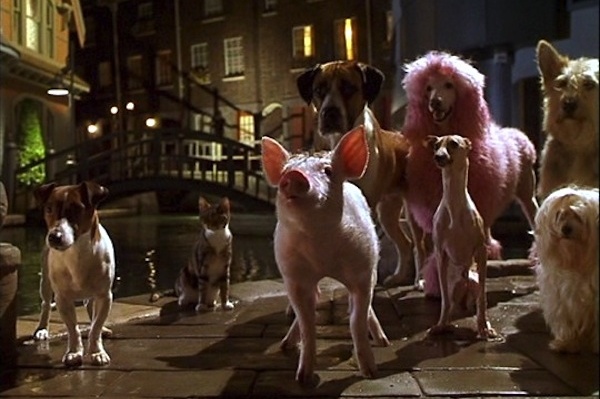
Without a doubt, Babe: Pig in the City is George Miller's most underrated movie; a downright loopy, surreal and - to be entirely honest - inconsistently-realised sequel that has never been given its due credit. And yet to understand this movie is to understand Miller. The fact it's so entirely different from the original Babe movie - directed by Chris Noonan - meant that it was a box office flop, of course, and whilst a few notable critics loved it, the majority were quick to write it off as a misfire of the highest order. Well, no. Babe: Pig in the City is about as misunderstood as misunderstood movies come. Could there be good reason as to why Gene Siskel named it the best movie of 1998? Absolutely, yes, because this is wild, inventive and b*tshit crazy filmmaking; less a sequel to Babe than an excuse for Miller to live out his cinematic fantasies on glorious celluloid. The plot, which sees sheep-pig Babe travelling to a strange hybrid city that feels like a cross between New York, Los Angeles and Paris, is far darker than that of the first movie, which - for the most part - was a light-hearted affair. There are weird, disturbing jokes scattered throughout, genuinely scary scenes, and unexpected meditations on subjects like death. More than with any of his other PG efforts, Babe: Pig in the City feels like a genuine George Miller film - a work of auteur-like brilliance masquerading as a kids' flick.

4. The Witches Of Eastwick (1987)

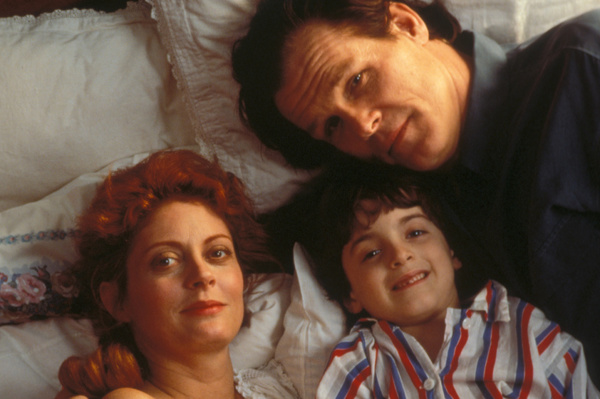
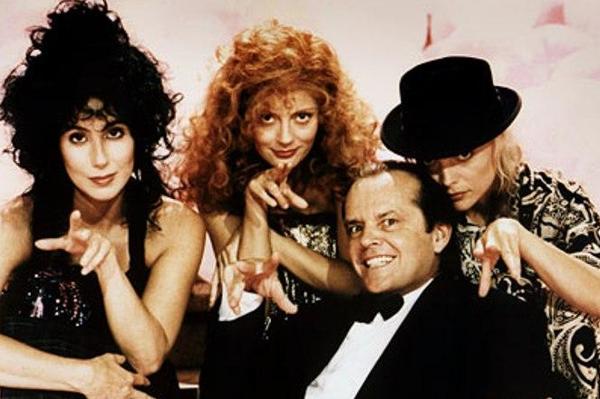
The Witches of Eastwick is a great, highly entertaining and plainly weird motion picture that seems to get forgotten about a lot. Which is a shame, really, given that it's one of the best movies of the 1980s - a genuine curiosity, packed to the brim with wonderful performances courtesy of Jack Nicholson, Susan Sarandon, Michelle Pfeiffer and - would you believe it? - Cher. Based on the novel of the same name by John Updike, The Witches of Eastwick traverses the line between comedy and drama, and never really settles on either genre - which makes it all the better. The very satirical and noticeably feminist story concerns three single women who live in a town called Eastwick (like the title of the movie, see?) and possess the strange ability to make strange things happen when they put their collective minds together - enter Jack Nicholson's charismatic bachelor, Daryl Von Horne, whose purpose is to rock their world. The Witches of Eastwick is undeniably strange in tone, but it's also laugh out loud funny. And it's here that Miller proved his could handle a comedy with as much gusto as an action flick. Definitely an essential part of the man's canon, and an underrated gem to boot.

3. Mad Max (1979)

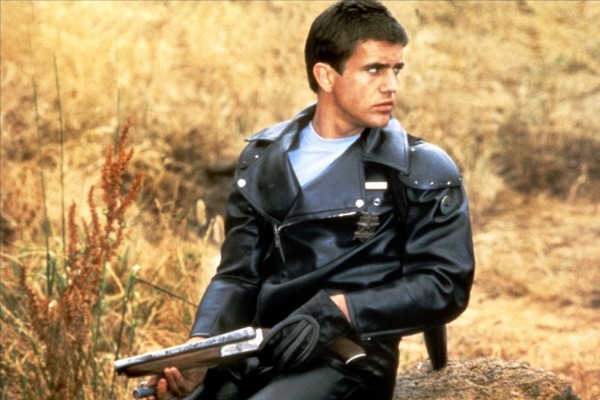
The movie that started it all; not just Mad Max, but the career of Mr. George Miller, who would go on to build an undeniably sporadic but fulfilling filmography across the span of four decades. As a showreel for what was to come, Mad Max is a tour-de-force of low-budget action cinema; a raw and cynical explosion of unforgettable atmosphere. What most people remember about Mad Max is Mel Gibson, of course - for the part of the beaten, disillusioned cop who has lost it all, there was perhaps no better choice. Gibson embraces the part with gusto, and isn't afraid to showcase the madness that he would not only reprise in later Mad Max installments, but in other franchises like Lethal Weapon. But the true star of Mad Max is George Miller, whose slightly "off-handed" direction and expert use of low-budget aesthetics are used to enhance the mood, not subject from it. In the end, it's Mad Max's colour palette that feels like its most defining feature - not to mention its seemingly endless supply of innovative shots. And, of course, there's the violence - glorious, primal, and raw: everything that the Mad Max movies ultimately stand for.

2. Mad Max 2: The Road Warrior (1981)
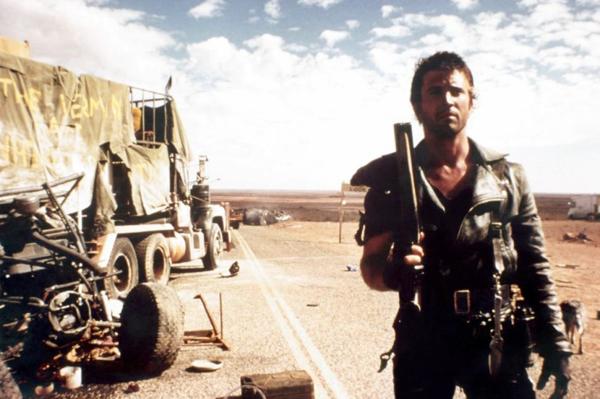
If Mad Max gave George Miller the confidence and a confirmation that he was onto something special with his approach to filmmaking, Mad Max 2: The Road Warrior is the result of a decision to just keep on truckin' - to put his foot on the pedal as hard as he could, taking the franchise to the sorts of heights that few action directors ever get to go. So without any sense of hyperbole, The Road Warrior really is an action movie masterpiece unlike any other, and one that continues to top the polls for "Best Action Film" even today (indeed, the readers of Rolling Stone magazine voted it as such as recently as last month, beating out classics such as Die Hard and Terminator 2: Judgment Day in the process). Mad Max 2 is the very definition of a sequel stepping-up to improve upon its predecessor in the best and most natural way. Here, Mel Gibson hones his performance as the iconic hero of the title as he transforms into a wandering mercenary in the vein of Clint Eastwood's Man with No Name; not quite good, not quite bad, but somewhere in the middle. Miller's directorial powers are at their peak here, too: there's an opera to the mindless violence and mayhem, which - rather oddly - imbues Mad Max 2 with a sense of the poetic. Miller might relish the sight of blood and sand at every given opportunity, but his camera work - and the cinematography - makes it so rhythmically delicious that it feels like more. And then, of course, there's that final car chase - the best, most nail-biting and visually stunning action sequence Miller has ever produced and a tour-de-force of madness. Indeed, it might well be the best action sequence of the 1980s - or perhaps of all-time.

1. Mad Max: Fury Road (2015)

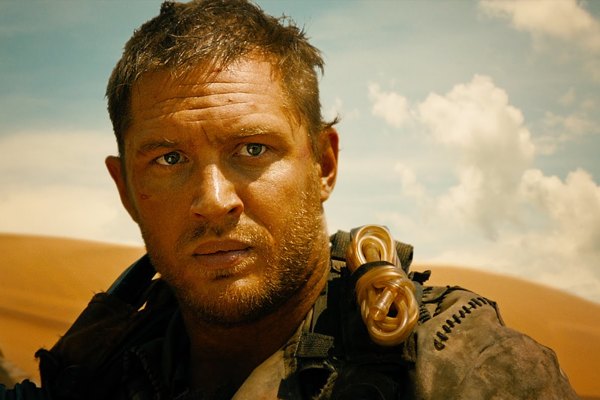
Is it possible that George Miller, aged 70, coming off the back of two Happy Feet movies, has just delivered what is perhaps his greatest ever film - his defining magnus opus? Absolutely. For all that is great and memorable about the original Mad Max movies (the first two in particular), there is something so vibrant, fresh and kinetic about Mad Max: Fury Road that it's like watching the magnificent debut of a new, exciting filmmaker - only said new, exciting filmmaker happens to be George Miller staging a massive comeback. Because Fury Road is a blockbuster masterpiece - the kind of action movie that, once over, you can't wait to revisit. Not only does Miller succeed in rendering a picture that embraces the soul of Mad Max, he updates it for the 21st century, carving out a relentlessly violent, mainstream blockbuster that also happens to be a feminist allegory. No, it doesn't make an inch of sense that it works until you sit down to actually watch it - but you must. Tom Hardy's Max isn't as instantly iconic as Gibson's, but the real hero of the movie is Charlize Theron's Imperator Furiosa, anyway - a determined badass in the vein of Alien's immortal heroine Ellen Ripley, who drives the narrative and won't take no for an answer. Throw in some fantastic, intricately detailed world-building, physical stunts that feel real and weighty, glorious cinematography, and all the weirdness that has made George Miller the icon that he is today, and Mad Max: Fury Road feels like the motion picture that the Australian director has been working towards for the sum of his long, eclectic career.

Contributor

Sam Hill is an ardent cinephile and has been writing about film professionally since 2008. He harbours a particular fondness for western and sci-fi movies.