Marvel Cinematic Universe: Definitive Guide To Easter Eggs, In-Jokes And Foreshadowing

Thor

20. Odin€™s Ravens

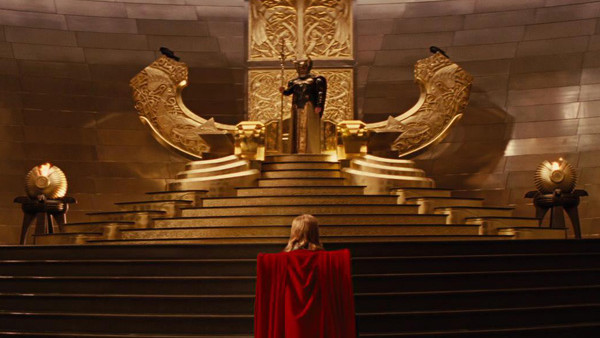
Perched on Odin's Throne sit two ravens, Hugin and Munin, a cameo from two characters who are prominent in both the comics and wider Norse mythology. Although in Thor they do very little, their cameos become increasingly pronounce as the movies have progressed.

19. Orb Of Agamotto

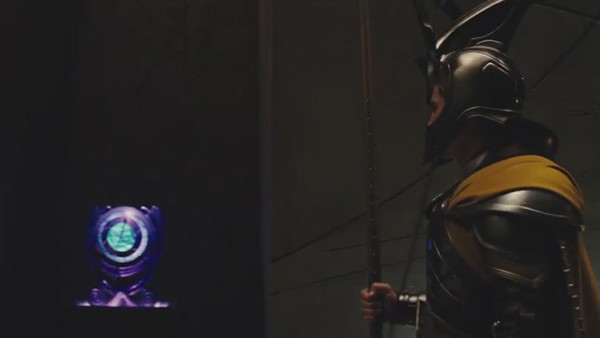
Odin's vault is a treasure trove of background Easter eggs, with several that will play a major role in future MCU events. First up is the Orb Of Agamotto, an object that serves as something of crystal ball for Stephen Strange, gifting him with clairvoyance. It's usually found in his Sanctum Sanctorum, a change in location that will no doubt be addressed in some form in Doctor Strange.

18. Tablet Of Life And Time

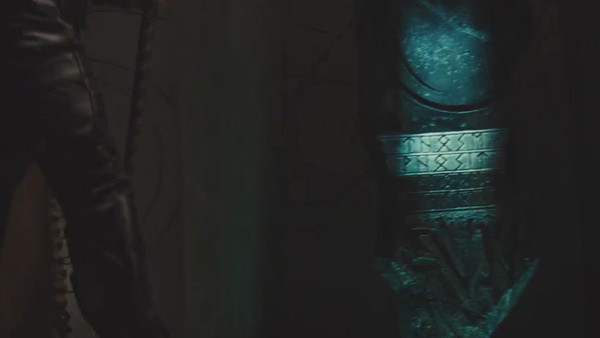
Known also as the Lifeline Tablet, the Tablet Of Life And Time has the power to gift immortality and omnipotence. Its writings translate as "Those Who Sit Above in Shadow", a reference to beings (believed to be) even higher than the Asgardians and possible hinting towards a Ragnarok-style apocalypse. Compared to the rest of the contents of Odin's Vault, the tablet hasn't featured that much in comics, meaning it's unlikely to play a prominent part in ongoing events.

17. Warlock's Eye

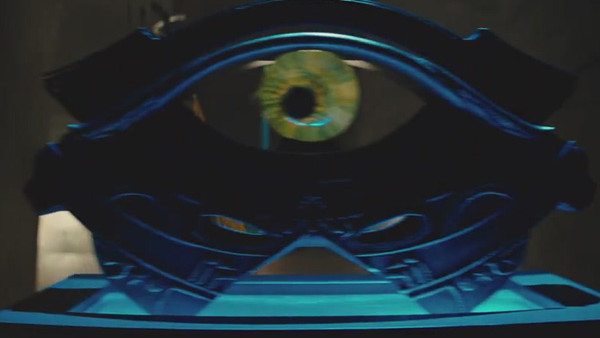
The Warlock's Eye is a powerful mind-control device that appeared in a single issue of Thor back in the sixties. Its presence in Odin's Vault could suggest that some version of those events, where Volstagg uses it to defeat Asgardian Harokin's army, have occurred sometime in the MCU's past. The prop is often mistaken as the Eye of Agamotto, the source of Doctor Strange's amulet's powers, something the official Marvel site disproves.

16. The Eternal Flame

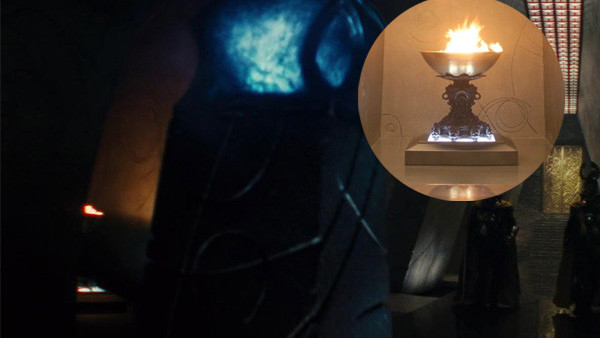
A "does what it says on the tin" device, the Eternal Flame can be seen oh-so briefly in the background of Odin's vault. Another object that has some link to the Norse apocalypse Ragnarok, an event Thor: Ragnarok could depict (it depends what version of the subtitle they're going with), expect the Flame to make a passing appearance at some point in the future.

15. The Infinity Gauntlet

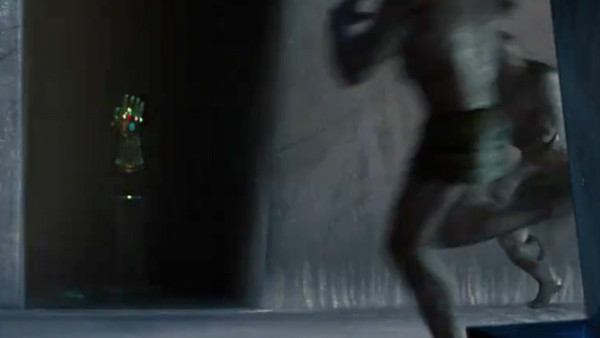
Blink as the Destroyer attacks the thieving Ice Giants and you'll miss the most important Easter egg in the whole MCU so far; the Infinity Gauntlet. A metal glove, when all six Infinity Stones (in the comics Gems) are attached the wearer gains total and complete power, a situation that will unfold with the mad Titan Thanos in Avengers: Infinity War (seven years after its first appearance here). Interestingly, the glove appears to have all six Stones attached, although that's probably more a side-effect of foreshadowing so far ahead than an indication that the glove was ready to use here (in fact, lines about the Stones since explicitly contradict that).

Thor

14. Mjolnir's Impact Looks Like Captain America€™s Shield

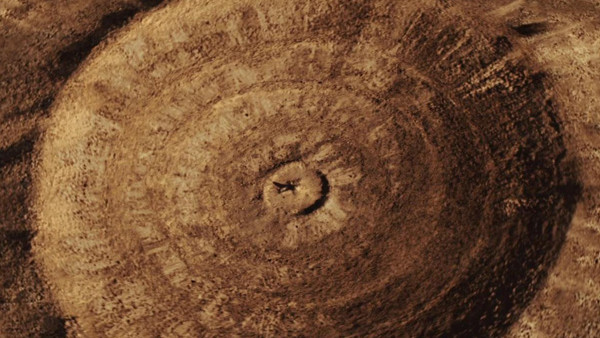
The impact crater Mjölnir creates when it comes crashing down to Earth is a visual call-out to Captain America's shield; there's distinct rings and a centre reminiscent of the star. It's not just a subtle piece of iconography though - it could be foreshadowing that Captain America's "worthy" and will, in the future, be able to lift Thor's hammer.

13. J. Michael Straczynski Cameo

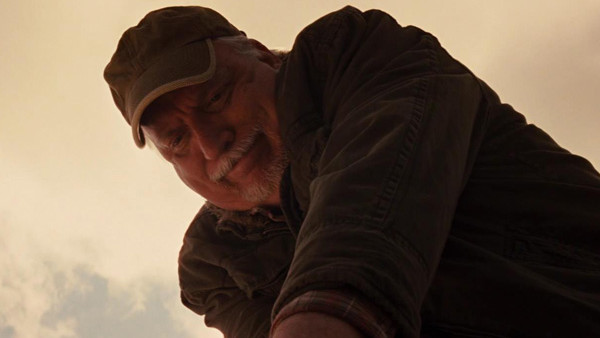
The guy who first discovers and tries to lift Mjolnir isn't just a random extra. In the first of several comic creator cameos in the film (we'll get to Stan Lee in a bit), this is J. Michael Straczynski. The man behind Babylon 5 wrote the story for the film, but also has a long history linking him to Marvel. On top of conceiving this movie, he was a writer on Thor comics in the years before release, although was most prominent as the writer on Spider-Man from 2001 to 2007.

12. The Village's Name Is An Easter Egg
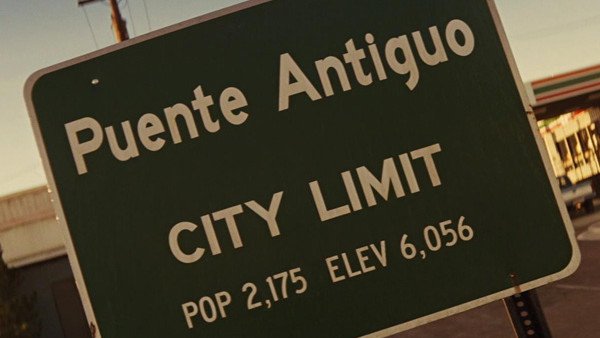
The name of the New Mexico town where the Earth-set action takes place is Puente Antiguo, which translates in Spanish to Old Bridge; an obvious (if you speak Spanish) nod to it being the connection point between Asgard and our realm via the Bifrost.

11. A Billboard Acknowledges Thor's First Appearance
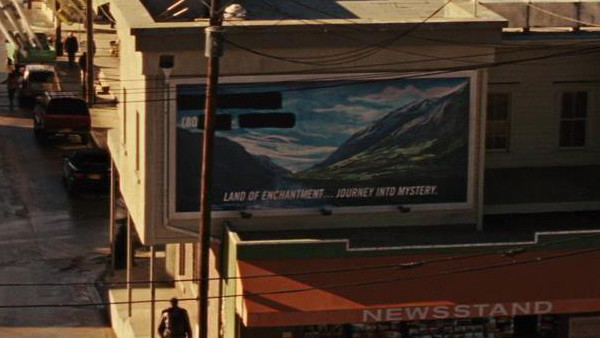
This one's not only obscure in terms of being hidden in the film, but also requires some particular contextual knowledge too. In the background of a handful of shots there's a billboard that proclaims "Land of Enchantment... Journey into Mystery", which is actually a pretty involved reference; the first part is a common nickname for New Mexico, while the second is the name of the anthology comic in which Thor first appeared back in 1962

Thor

10. Stan Lee Cameo

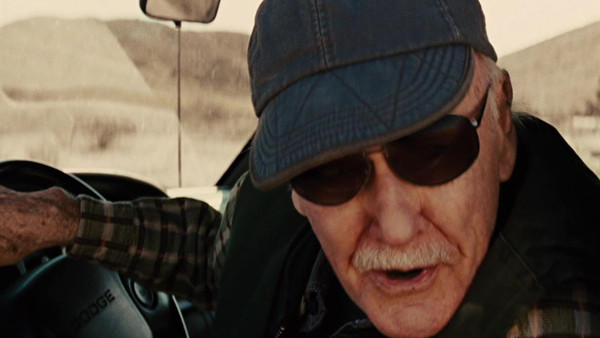
Stan Lee's cameo in Thor is something of a surprise, his appearance the punchline to a joke the audience didn't even realise the film was telling. Just before Coulson turns up in the desert (seen in the post-credits scene of Iron Man 2), various locals are trying to shift Mjolnir, including a pickup truck driver, revealed as Stan the Man himself.

9. A Water Tower Says €œWelcome. Home of the Vikings€

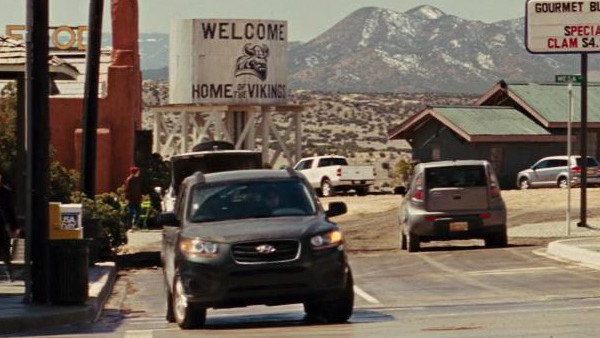
When S.H.I.E.L.D. close in on Puente Antiguo, a water tower can be briefly seen in the background proclaiming "Welcome: Home of the Vikings", a simple nod to the Norse origins of Thor, Odin, Loki et al. Coupled with the town's name, however, this suggests a backstory for Puente Antiguo, whose inhabitants were originally aware of their connection to the wider cosmic world.

8. Selvig References Bruce Banner And Hank Pym
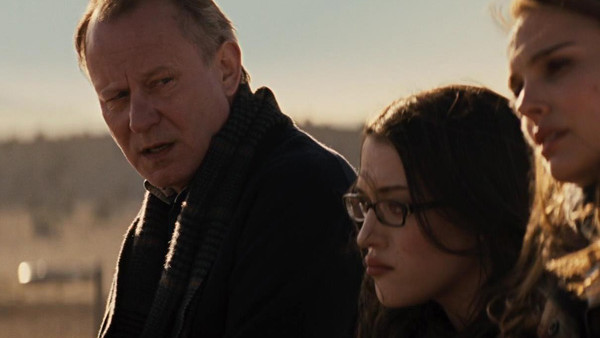
When complaining about their treatment by S.H.I.E.L.D., Selvig name-checks a couple of his contemporaries who've had run-ins with the organisation, who just so happen to be key Marvel players. First up is Bruce Banner - "I knew a scientist - a pioneer in gamma radiation. S.H.I.E.L.D. showed up, and he was never heard from again" - which highlights how his angry nature isn't widely known in the scientific community. In the script he was going to follow by saying "Dr. Pym has had some dealings with these people. I'll e-mail him and see if he can help," but it was cut at the behest of producer Kevin Feige.

Thor

7. Selvig Finds A Drawing Of Odin Holding The Tesseract
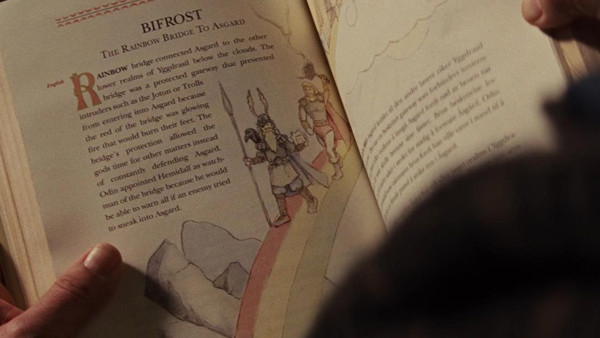
When Selvig's researching Asgardian myth, he comes across a children's book that features some pretty cool Easter eggs. On top of showing the Bifrost as the more typical rainbow bridge from the comics, it features Odin wielding the Tesseract, the second drawing of the Infinity Stone ahead of its introduction later in this film.

6. Hawkeye

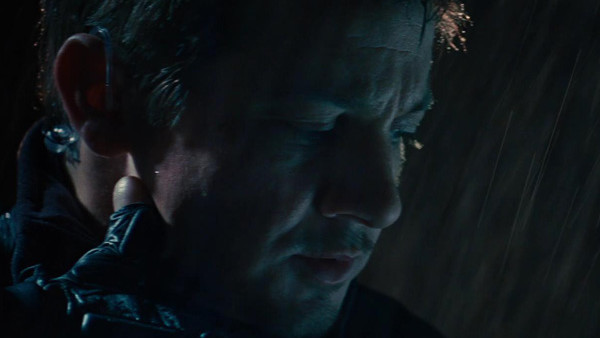
When Thor breaks into the S.H.I.E.L.D. camp to reclaim his hammer, the man called upon to take him out is none other than Clint Barton, in a brief cameo designed to establish Hawkeye ahead of The Avengers. It's the most slight set-up of any of the team, sadly setting a precedent for Hawkeye to be one of the more under-utilised heroes.

5. Donald Blake Pseudonym

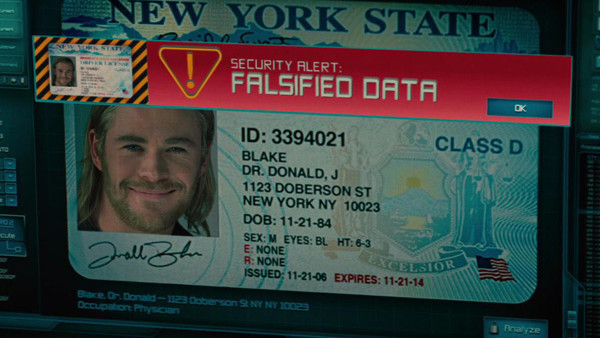
In the comics, Thor has a proper, human alter ego (created by Odin, but still), known as Donald Blake. That doesn't really fit the mask-less heroes of the MCU, so that part of the character was ejected, but there are still nods to Blake. He's set up as Jane's doctor ex-boyfriend and the name is later used as a cover when Selvig tries to break Thor out of S.H.I.E.L.D. captivity.

Thor

4. The Destroyer Is Mistaken For Stark Armour

When the Destroyer first appears on Earth, a S.H.I.E.L.D. agent comments on its slight visual resemblance to Iron Man - "Is that one of Stark's?" - anticipating the ever-increasing variety of Tony Stark's armours. It also serves a tonal purpose; one of the biggest challenges for Marvel moving towards The Avengers was consolidating the fantasy of Thor with the relative realness of Iron Man, a gap a reference like this helps to bridge.

3. Walter Simonson Cameo

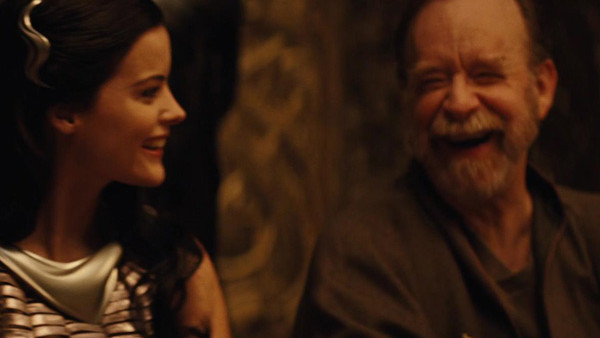
During the celebratory feast back on Asgard there's the third of Thor's comic writer cameos; the older looking guy next to Sif is Walter Simonson, a prominent writer/artist whose major work for Marvel came in the '80s on The Mighty Thor.

2. The Tesseract In S.H.I.E.L.D.€™s Hands

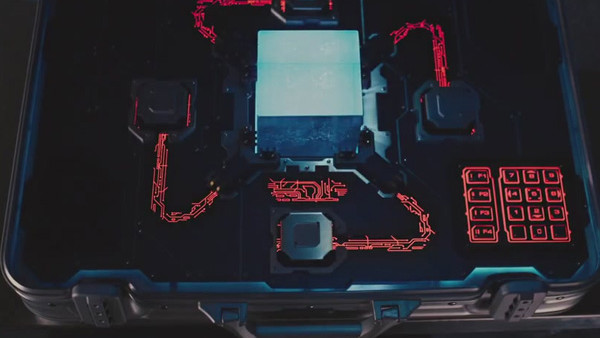
After being alluded to earlier in the film (and seen in sketch-form in Iron Man 2), the post-credit scene gives the first proper look at the Tesseract, the Space Stone, confirming that it's in S.H.I.E.L.D.'s hands and will be a major plot device going forward. Fury's mention of history and legend aligning when revealing it is a direct reference to the events of Captain America: The First Avenger, which followed a few months after Thor.

1. Loki's Alive And Controlling Selvig
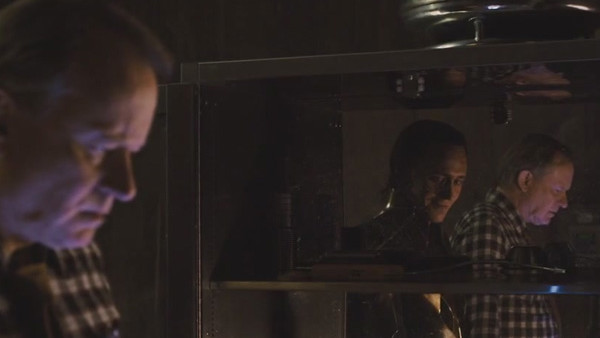
The introduction of the Tesseract isn't the only big piece of foreshadowing made in the post-credits scene; it turns out Loki's alive and has taken some control over Selvig, setting up the key conflict for The Avengers. The logic of the scene doesn't make too much sense at first - if Loki's in control of Selvig now, why does he repeat the trick at the start of The Avengers (aside from getting less-obsessive fans up-to-date)? However, with the expanded nature of Loki's staff in the team-up (and Captain America: The Winter Soldier) it's a bit more logical; there appears to be varied levels of control.

Captain America: The First Avenger

The First Avenger may be set decades before the previous four movies in the series, but that doesn't meant there's a complete disconnect between it and the rest of the mythology. In fact, it's probably the most strongly linked film thus far, with direct connections to Iron Man (Howard Stark is a key supporting character), Thor (the entire mystical side of the film is rooted in Asgardian myth) and Hulk (as revealed in The Incredible Hulk, the film's events will ultimately lead to the creation of the Green Goliath). On the face of it, the film isn't desperately setting up the imminent team-up as much as The First Avenger sub-title suggest, but there's still plenty of references to be spotted that build to long-term MCU plans or homage comic origins, including a sequence where the whole franchise gets very meta. Click next to start the Definitive Guide To Easter Eggs, In-Jokes And Foreshadowing in Captain America: The First Avenger. To go back to the start and contents, click here.

Captain America: The First Avenger

23. The Village From The Opening Is The Same As The Flashback In Thor
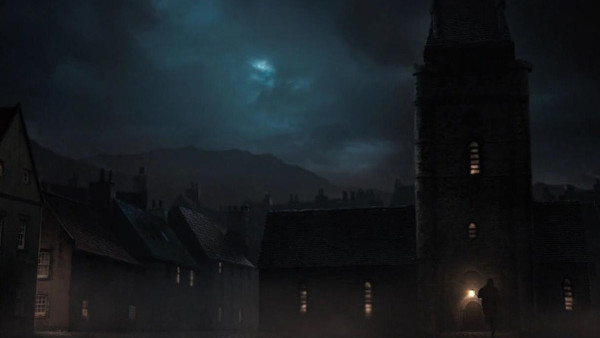
The opening of The First Avenger isn't the first time Tønsberg, the Norwegian city where Red Skull finds the Tesseract, has been in the MCU; it was also seen in Thor, in a flashback to the time Nords actually believed in the Gods. It's implied that the Tesseract made its way here in the aftermath the fight between Odin and the Frost Giants.

22. The Nine Realms

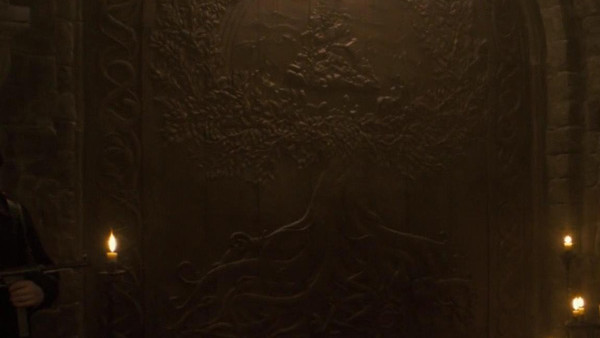
The wooden mural in the Tønsberg church is of the World Tree, a cross-culture icon of spirituality that connects the Earth to heaven and hell. The version here, however, is inspired by Asgardian myth; it's a representation of the nine realms, first seen in full CGI splendour in Thor.

21. Blood On Nazi Pin Foreshadows The Red Skull
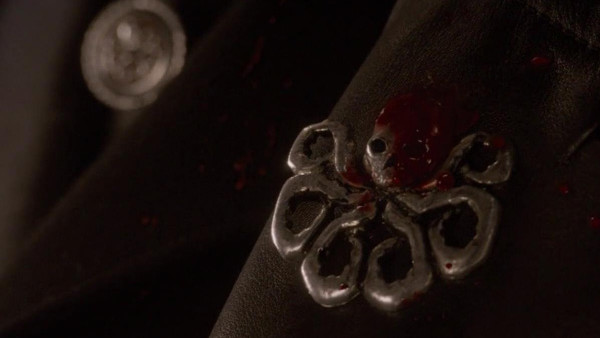
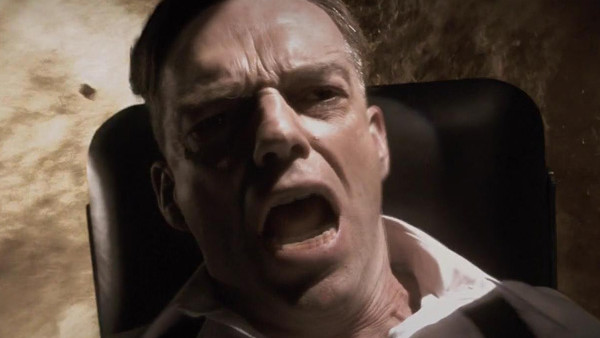
When Schmidt kills the Norwegian church keeper, some of his blood splatters on his Hydra pin, turning the skull a vibrant red. It's on the nose foreshadowing of Schmidt's real nature, emphasised by the Nazi struggling in his own skin moments before the shot.

Captain America: The First Avenger

20. Bucky Predicts The Movie's Ending
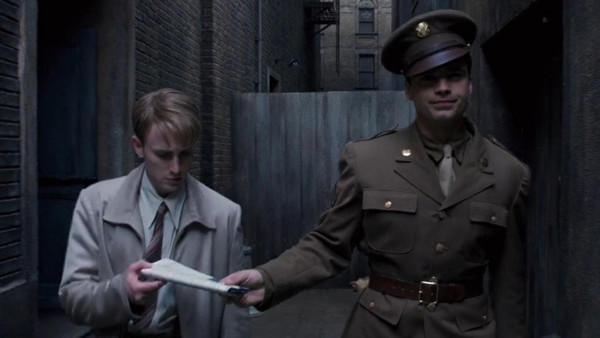
After saving Steve from a bunch of bullies, Bucky announces to his friend that they're going to the Modern Marvels of Tomorrow Expo by proclaiming they're going to "the future", an obvious wink to the audience of where Steve will be come the end credits. In the wake of Captain America: The Winter Soldier, the line takes on an even more prophetic nature - both men wind up in the present day.

19. The Human Torch

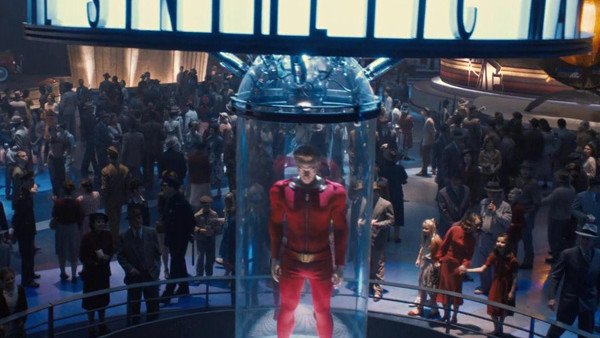
One of the prominently featured exhibits at the Expo is "The Synthetic Man", which has a design inspired by the original Human Torch, who appeared in the first ever Marvel Comic and later worked with Captain America as a member of the Invaders. Many people like to also connect this up to Johnny Storm of the Fantastic Four, who Chris Evans previously played, but that Human Torch is totally distinct to the earlier Jim Hammond version.

18. Howard Stark And His Reversion Tech
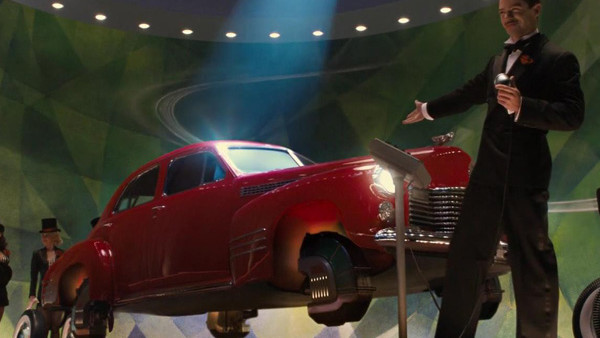
The main attraction at the Expo is Howard Stark's, where he presents his new Gravitic reversion technology, utilised here to make a car fly. Complete with a strong orange glow, these are clearly a precursor to the repulsors used decades later by his son. And although it failed here, a flying car would later be fully realised in Agents Of S.H.I.E.L.D.

17. Zola€™s Introduction Nods To The Comics

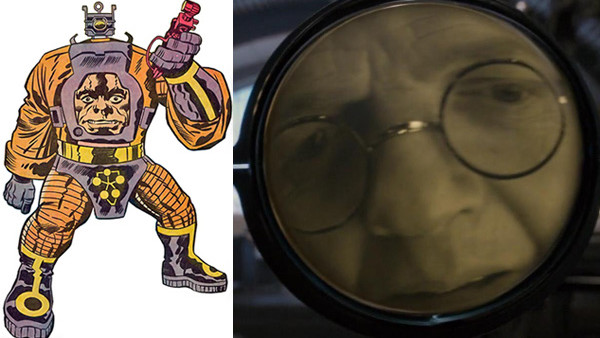
Although Armin Zola being a fully human Hydra scientist during World War II is accurate to the comics, the film still throws in a nod to the robot design his consciousness is uploaded to after the war. When Toby Jones is first seen as the character it's through a magnifying glass that blows his head up to ridiculous proportions, just like his robot body.

Captain America: The First Avenger

16. The Tesseract In Classic Imagery
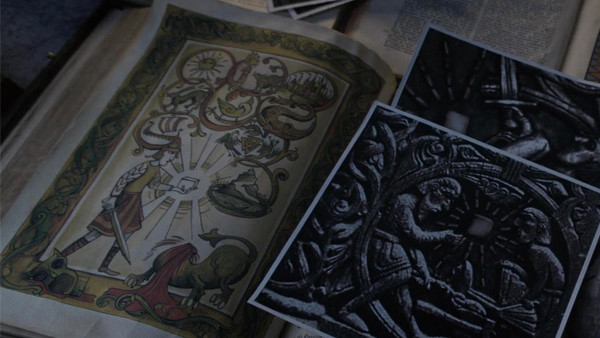
In amongst Schmidt's books are some more examples of the Tesseract being worked into the history of the MCU (this was started in Thor). This time around they're classical images with the cube edited into them.

15. Hodge Is The Old-Style View Of Captain America
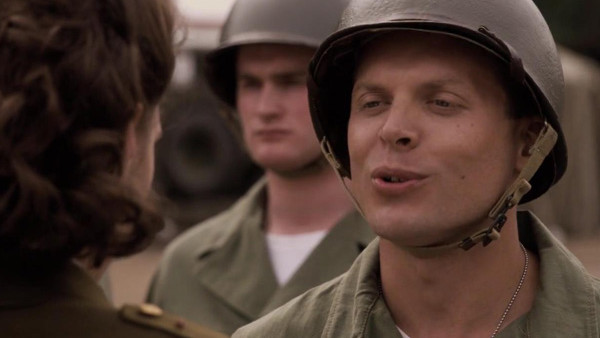
Hodge, the soldier who is favoured by Col. Phillips as an ideal candidate for the Super Soldier test, is rooted in comic lore, although he has been changed somewhat. Originally just another soldier who fought with Captain America in World War II, here Hodge is repositioned as a bullish patriot who follows orders without question. This is a role many mistake Captain America for embodying, with the film's complete dismissal of this mentality (Hodge is an unsuitable test subject) dispelling such myths.

14. Red Skull€™s Origin Expands On Abomination

When Dr. Reinstein reveals the Red Skull's backstory, he clarifies that Schmidt's deformity comes from his innate badness - he doesn't have the pure role of Steve Rogers and thus the serum amplified his bad qualities. A similar thing has happened previously in The Incredible Hulk; Blomsky, a soldier obsessed with power wound up becoming a literal abomination, possibly because of the serum's amplifying powers (and not just the cocktail of drugs in his blood).

13. Lucky Star Cab Company

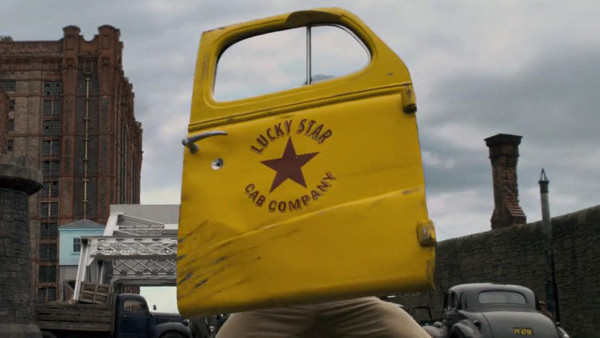
A sly wink to the character's emblem, the taxi Dr. Reinstein's assassin escapes in is owned by the Lucky Star Cab Company, whose logo features the text circling a star. Geddit? This starts off as a background Easter egg, but by the time Rogers picks up the removed door and uses a shield even the most passive viewer can probably pick up the reference.

Captain America: The First Avenger

12. The Stage Shield And Punching Hitler Nod To First Issue
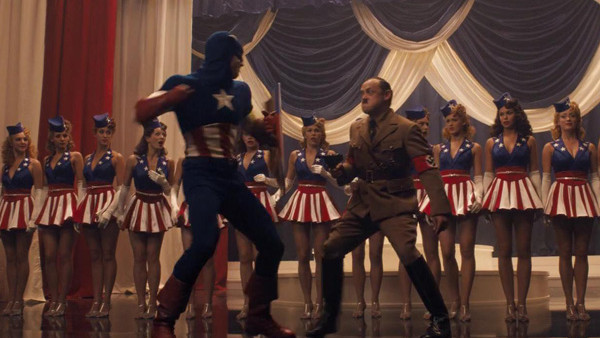
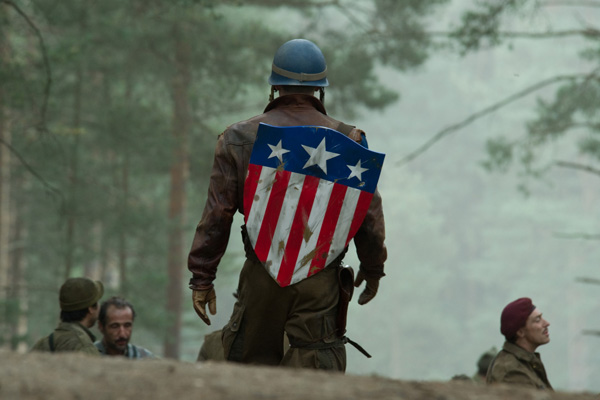
The First Avenger sees the MCU go properly meta, with the propaganda drive in which Cap was first envisioned presented in-universe as fronted by Steve Rogers. And there's plenty of callbacks in there. The part of the stage show where Cap knocks out Hitler is a direct lift from the cover of the first ever issue of Captain America, while he shield Cap uses in the first half of the film also homages the debutant comic; it's the more traditional design that featured only in that first issue (in the second it became the now-iconic circular design due to similarities with the MLJ character Shield).

11. The First Issue Appears For Real, Too
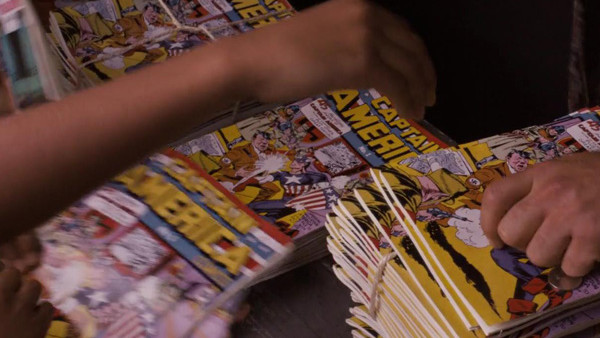
Not content with slightly referencing the cover of Captain America #1, the film works it into the main narrative. As part of the Captain America propaganda drive, comics are produced. And, of course, they're the same design as the real world first issue (and sell just as well).

10. Steve Rogers, Avid Drawer

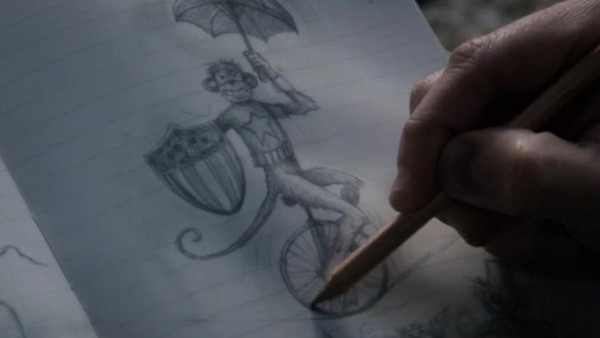
Like with Obidiah Stane with chess, the MCU likes to reference some of their characters more quirky traits, even if only in a throwaway manner. Thus, following the upbeat, but morally-sapping, propaganda montage, a moody Steve Rogers is seen doodling; in the comics he worked as a sketch artist. The drawing itself is also pretty funny - Steve has become a performing monkey.

9. Zola Picks Up Robot Blueprints

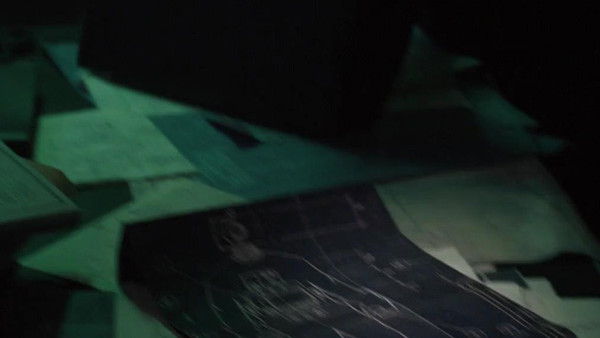
As he leaves the besieged lab, Zola grabs some very interesting blueprints; the designs for an MCU version of his traditional robot look. Looking less stocky than the comics version, you can make out both the camera head and video-screen belly. This implies the scientist has by this point already started exploring the transference of consciousness, setting up events in Captain America: The Winter Soldier (and keeping the door open for a later, robotic return).

Contributor
Contributor

Film Editor (2014-2016). Loves The Usual Suspects. Hates Transformers 2. Everything else lies somewhere in the middle. Once met the Chuckle Brothers.