Murder On The Orient Express Review: 6 Ups & 6 Downs
Kenneth Branagh's moustache = MVP.
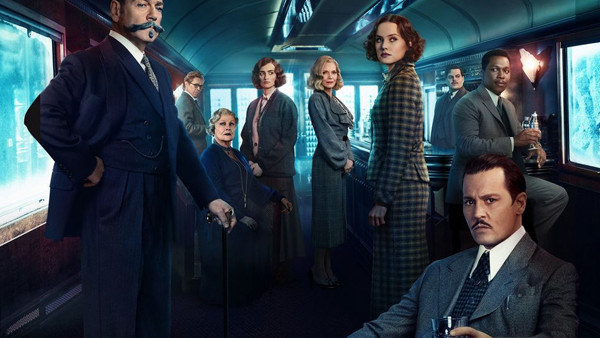
Kenneth Branagh's much-awaited adaptation of Agatha Christie's beloved mystery novel is in U.K. cinemas now ahead of its international rollout next week, and critics have been giving it a fairly measured round of praise so far.
Deemed a thoroughly three-star affair by most outlets, expect the Rotten Tomatoes score to nevertheless drop once American critics get their hands on it, as those without an existing affinity for the original story may be a little less patient with it.
That's not to say Murder on the Orient Express is a bad film, because it absolutely isn't, but those hoping for Branagh to render a deliciously witty and suspenseful take on the classic tale will probably be left pretty underwhelmed.
It works intermittently, sure, but with so many talented actors crammed into such a tight space, it's a damn shame the end result isn't more convincing. A lightly undemanding night at the movies? Sure, as long as you don't expect anything else...
Downs...
6. The Cast Is Mostly Underused
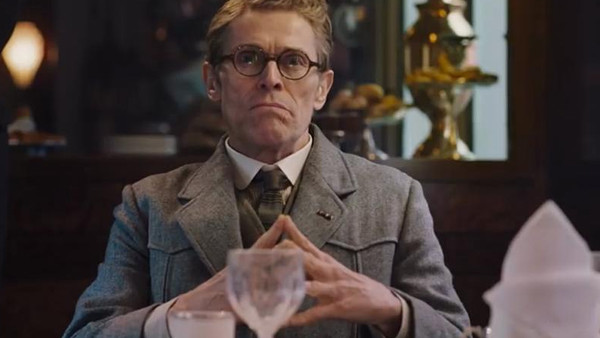
It's no exaggeration to say that the new Orient Express adaptation has amassed an embarrassment of riches as far as its cast is concerned, but in attempting to do justice to more than a dozen characters, most of the A-listers sadly don't get all that much to do.
In particular, Willem Dafoe's Austrian gentleman and Judi Dench's Russian princess are largely sidelined as window dressing and little else, effectively squandering their impeccable talents.
Elsewhere, Penélope Cruz and Olivia Colman don't get much of interest to do either, and ultimately only Michelle Pfeiffer, Johnny Depp and Branagh get to really flex their acting chops substantially.
Yes, giving so many first-rate actors great material in a movie running less than two hours isn't easy, but they barely even tried here.
5. The Pacing Isn't Great

Indeed, the movie only clocks in at 114 minutes, but it's paced to feel like an absolute slog at times regardless. For starters, the titular murder doesn't happen until 40 minutes in, with the first act being full of bloated scenes that drag on far too long without really adding much shading to the train carriage's occupants.
Then the second act effectively comprises of fairly bland, shot-reverse-shot sequences of Poirot interviewing the suspects, before act three arrives at a surprisingly abrupt conclusion, meaning the investigative aspect of the film is stunningly brief. A distended epilogue then follows, after which you'll probably be left feeling a little exhausted and miffed.
At times ponderously slow and at others needlessly rushed, it's a film with no consistent rhythm, which makes it a frequently frustrating experience.
4. The Mystery Lacks Intrigue

Though there's no arguing against the esteem of Agatha Christie's 1934 source novel, Michael Green's script fails to adequately tease the fun and intrigue out of it, ensuring that the central murder mystery just isn't that intriguing.
Perhaps part of the problem is that contemporary audiences have been exposed to narratives such as this so often that it needs that little extra something to actually click nowadays, but with Green and Branagh being so rigidly committed to honouring the source material, it feels pretty low-energy at times.
This is where the film's misuse of its stellar cast again becomes a problem: with a stronger treatment, the characters would've come across as full-bodied and interesting rather than the fairly cardboard archetypes that they are.
3. The Mediocre Visual Effects

While the majority of the movie is set inside the train, there is extensive use of visual effects when depicting the exterior of the train.
Almost every single shot showing the train's journey is awash in awkwardly noticeable CGI, namely weather elements intended to expand the scope of the locale beyond what was available during shooting.
Unfortunately it's painfully apparent, and becomes even worse when Branagh decides to zoom in close, and especially when Poirot himself even ends up standing on top of the train, the green screen becoming howlingly obvious.
It also feels totally at odds with the director's decision to shoot on 65mm film, which is a fantastic choice for capturing gorgeous vistas, but what's the point when they're mostly digital anyway?
2. It's A Totally Unnecessary Adaptation
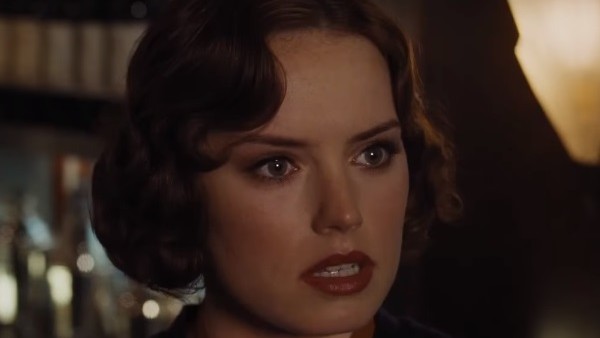
This is the fourth screen adaptation of Murder on the Orient Express, and while the most lavish version by a measure, it also can't help but feel pretty unnecessary.
The arguably even more star-studded 1974 Sidney Lumet version remains the most-praised adaptation to date, earning six Oscar nominations and proving enormously successful at the box office.
Then there's the 2010 episode of Agatha Christie's Poirot based on the novel, which was lauded for its unique approach to the material, effectively doing enough different to be a worthwhile alternate take.
This third major adaptation (there's also a 2001 Alfred Molina-starring TV movie) feels like the most perfunctory and needless of the lot, because given the film's generally enclosed, confined nature, the big budget doesn't add a whole lot more than CGI exteriors and a fleet of A-list actors who don't even begin to get their due.
1. The Climax Is Predictable & Unsatisfying
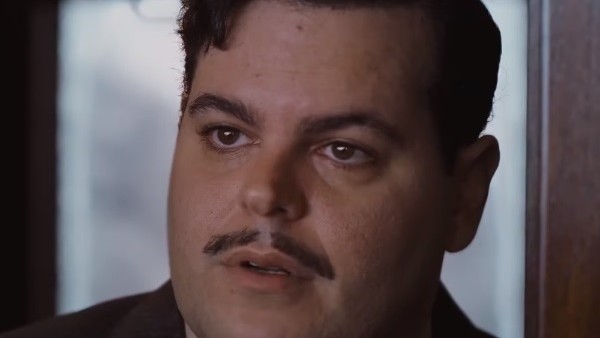
Even if you've never seen an adaptation of this story before and have no idea who the killer is, it's still not much of a whodunnit, because the answer becomes obvious pretty quickly once Poirot has completed his initial round of investigations.
The fact that Poirot doesn't figure it out quicker, honestly, works against the movie and the concept of him as the World's Greatest Detective, so perhaps the script needed to obfuscate the answer to the mystery a little better.
This won't be a problem, of course, for those well-versed in the original tale, but even then, they might find themselves a little underwhelmed at this treatment, which downplays the revelation and ultimate motive, failing to make a big, cinematic moment out of it as you'd hope for.
It's basically a shoulder shrug of a reveal, which given that the entire movie revolves around this mystery, is considerably disappointing.
All things considered, though, the film surges forward off the back of several game performances and plenty of strong style. Here's what it gets right...
Ups...
6. Kenneth Branagh's Hammy Performance

Kenneth Branagh is clearly having a ton of fun playing Poirot, and while his wildly hammy performance, complete with a ludicrously over-the-top accent and cartoonish moustache, might be too much for some, it does represent the movie's best attempt at mining the campy throwback appeal of Christie's novel.
Branagh appears in practically every scene and does a fine job keeping things chugging (sorry) along, even if he's ultimately only able to elevate things so much.
Still, his performance is one of the film's few calculations that works throughout, and if a series of Branagh-starring Poirit movies is to follow, at least the figure at the centre is going to be a lot of fun.
5. The Gorgeous Production & Costume Design
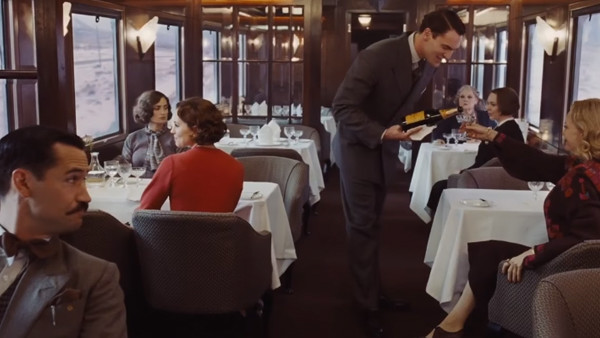
With most of the movie taking place inside the Orient Express, it's safe to say that BAFTA-winning production designer Jim Clay (Children of Men) has done a fantastic job evoking the classy pomp that's to be expected from the legendary passenger train.
Every interior location looks gorgeous, and helping further evoke the requisite period setting is some terrific costume design from Oscar-winner Alexandra Byrne (Elizabeth: The Golden Age).
Placing dazzling A-listers in this fancy locale in these dapper costumes certainly evokes the sharp period sheen you'd hope for. Above all else, the Orient Express seems like a ride you'd really want to take (apart from all that murder business, obviously).
4. Michelle Pfeiffer Is (Still) A Great Femme Fatale

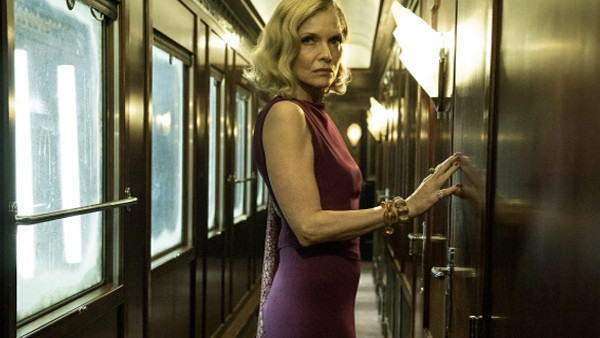
Michelle Pfeiffer has been enjoying something of a career resurgence this past year, being Emmy-nominated for her work on TV movie The Wizard of Lies, giving an incredibly memorable performance in Darren Aronofsky's controversial Mother!, and winning the much sought-after Janet van Dyne role in next year's Ant-Man and the Wasp.
She's also perfectly cast here as Mrs. Hubbard, a lonely middle-aged passenger on the train whose flirtatious behaviour and potentially duplicitous demeanour make her one of Poirot's more cagey suspects.
Pfeiffer is clearly having a ton of fun with the role and is one of movie's few actors allowed to truly dig in deep with their character, delivering a memorable monologue later on that's surely the film's most effective dramatic moment.
Fingers crossed that Pfeiffer keeps seeking out meaty roles for herself, because she's too damn good at what she does to keep taking years off from acting.
3. Patrick Doyle's Sweeping Musical Score
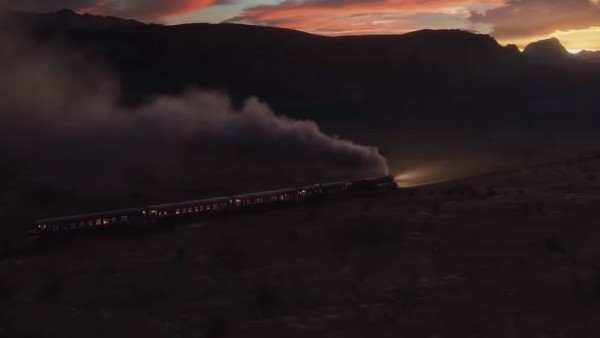
One of the film's more memorable aspects is the sweeping orchestral score from Oscar-nominated composer Patrick Doyle, who has frequently worked on Kenneth Branagh's movies and delivers one of his better scores of recent years.
The main leitmotif is particularly compelling, and especially in the movie's later portions, Doyle gets to toy around with some real earworms that do their best to enhance the emotion of what's going on...even if the script doesn't quite carry it the rest of the way.
Either way, it's a pretty impressive effort from the guy who also scored The Emoji Movie this year, and it's clear which of his two 2017 movies got all the attention and hard work put into it.
2. Johnny Depp Hasn't Been This Fun In Ages
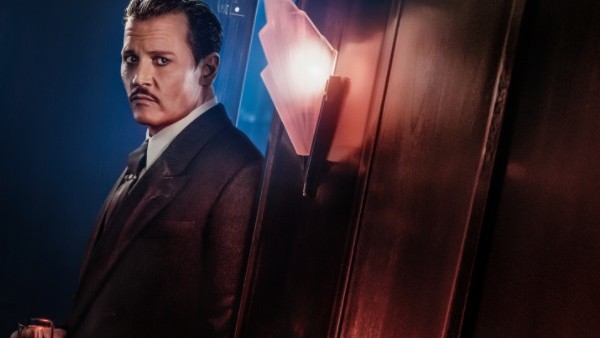
Johnny Depp hasn't had an easy time lately, what with the recent Alice in Wonderland and Pirates of the Caribbean sequels failing to spark much interest, audiences collectively groaning when he showed up in Fantastic Beasts and Where to Find Them, and of course, his much-publicised personal issues with ex-wife Amber Heard.
Well, this is easily the most fun Depp has been to watch in years: gone is the over-the-top mugging of roles such as the Mad Hatter and Mortdecai, leaving behind a slyly creepy mobster, taking full advantage of his own undeniable charms.
His smaller role here reinforces that Depp is often best used in supporting parts where he doesn't have the room to become overbearing, and without any over-the-top make-up or daft facial expressions to speak of, he actually looks like an honest-to-God movie star once again.
Nobody's calling this the start of Depp's career revival, but it nevertheless feels damn good to see him doing good work free of gimmickry and overacting.
1. It's Slickly Directed
And finally, say what you want about the script and that dodgy CGI, but Branagh does an absolutely stellar job directing the movie on a beat-to-beat basis.
He's a pro, of course, and effortlessly keeps the interior of the train visually compelling for the most part, making clever use of tracking shots, especially when Poirot first boards the Orient Express and travels down the length of his carriage in one single, unbroken take.
There are a few similar shots like this throughout the film, and though it's a shame he didn't have more compelling material to work with, at least the film is full of sharp visuals, which go hand-in-hand with the story's more regal, classically old-fashioned tone. It's still not quite enough to make this new adaptation live up to earlier versions, but at least it's frequently pleasing to the eye.
What did you think of Murder on the Orient Express? Shout it out in the comments!