Oscars: Every Best Picture Winner Ever Ranked From Worst To Best
51. Mutiny On The Bounty (1935)

There have been numerous adaptations of Charles Nordhoff and James Norman Hall's 1932 novel over the years, but the Frank Lloyd-directed version remains the best, largely thanks to the memorable performances from Clark Gable and Charles Laughton front and center.
While much has been written over the last 80-plus years about how the movie fudges the real facts of the mutiny against Lieutenant William Bligh (Laughton), embraced as a well-crafted slice of escapist entertainment, it is an enjoyable jaunt.
Its influence on pretty much every seafaring movie that followed is undeniable, which is basically enough to make it a solid Best Picture pick (while little that's succeeded it in the genre has managed to better it, especially its own remakes).
50. Titanic (1997)

James Cameron's Titanic is without question the most popular and iconic Best Picture winner to date: a rare instance of box office dynamite and awards success going hand-in-hand.
Though Cameron's screenplay gets no points for subtlety, the sheer magnificent craft on display is especially staggering in the movie's second half, while Leonardo DiCaprio and Kate Winslet do about as well with the oft-wonky material as can be expected.
More than anything, Titanic proves that Cameron is a master of manipulating audiences and evoking an emotional reaction. It might be hip to trash the film for its shamelessly saccharine moments, but if you're being totally honest with yourself, you probably cried at the end just like everyone else.
In a year where Good Will Hunting and L.A. Confidential were also nominated, though, its win can't seem anything other than wrong.
49. Grand Hotel (1932)

Though it'd be easy for Grand Hotel's legacy to cement it as the only Best Picture winner to never be nominated in another category, the movie's splendid cast - including Joan Crawford, Greta Garbo and John Barrymore - ensure that isn't the case.
Popularising the sprawling ensemble drama formula that still persists today, the film is decidedly uneven when it comes to tying together its often sparse threads, but the breezy appeal of these performers working together speaks for itself.
It may play as overbearingly melodramatic to modern audiences, but it's one of the more "fun" Best Picture winners, which there honestly aren't enough of.
48. Argo (2012)

It's fair to say that some Best Picture winners stand the test of time and others quickly cool with audiences. Argo, though a highly entertaining historical thriller, would fall into the latter camp.
Wildly heralded as the height of Ben Affleck's directorial prowess on release - and in fairness, his Best Director snub was a bit baffling - Argo is a cute mix of period thriller and Hollywood satire, such that it's easy to see why the navel-gazers among the Academy sprung for it so feverishly.
It unfortunately plays fast and loose with the truth and is a little too safe at times, but the ensemble cast crackles - especially John Goodman and Alan Arkin - and it's efficiently suspenseful when it needs to be, even as it throws veracity to the wind.
47. Shakespeare In Love (1998)

John Madden's playful rom-com routinely gets a kicking for ridiculously defeating Saving Private Ryan for Best Picture honours, and understandably so, but if you can bring yourself to remove it from that context, it is a cheeky, smartly-written and well-acted speculation on the Bard's life.
Gwyneth Paltrow's Best Actress win is also a bit of a sore point, though - Emily Watson probably should've won for her sublime work in Hilary and Jackie - and even Judi Dench herself seemed surprised at her Best Supporting Actress victory for a mere eight minutes of screen time, making the film overall feel like it just scraped by in many key categories.
It's hard not to be bitter about the win, but it is enjoyable if you can put that to the wayside for two hours.
46. An American In Paris (1951)
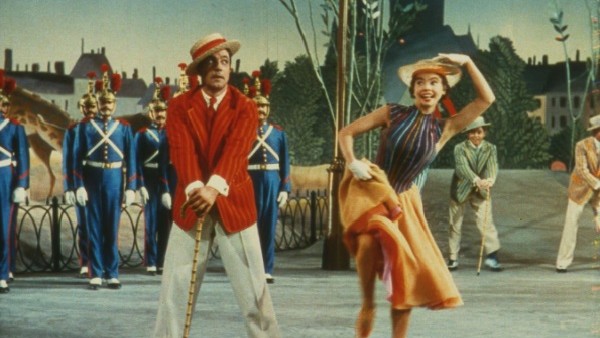
Vincente Minnelli's musical should not, in any universe, have won Best Picture over A Streetcar Named Desire, but it happened, so we all have to deal with it and get on with our lives.
An American in Paris is, however, a remarkable and memorable musical when approached on its own terms, packed with memorable music ("I Got Rhythm" remains a classic), some all-timer dance numbers, and a charming performance from the ever-lovable Leslie Caron.
Though the heft of his performance can't be disputed, Gene Kelly's war veteran Jerry Mulligan is a far pricklier customer than Kelly and co. likely figured at the time of the film's making, and if you're looking for much in the way of deep characters and themes or a nuanced story, it's best to look elsewhere.
45. The Lost Weekend (1945)
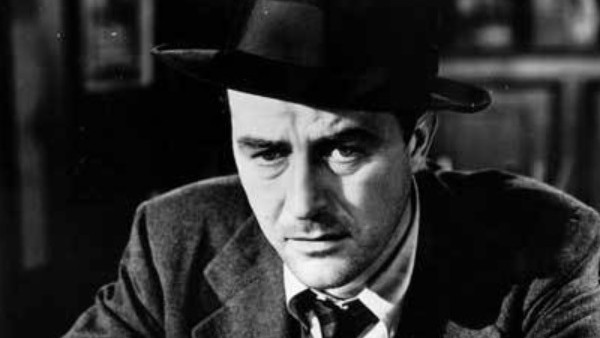
Billy Wilder turned a lot of heads with this shockingly severe, even grim account of one man (Ray Milland) desperately trying to get the better of his drinking problem, and while certain aspects of it are surely dated - the shamelessly melodramatic tone and jarring ending in particular - it remains a surprisingly visceral slice of cinematic miserablism.
Movies about alcoholism might be a dime-a-dozen nowadays, but The Lost Weekend broke new ground at the time of its release, and while hardly among Wilder's greats, it is an interesting dive into the dark world of addiction, subtlety be-damned.
44. Slumdog Millionaire (2009)

Danny Boyle's slick thriller about fate and chance remains one of the weirdest and most unexpected Best Picture winners ever, a thoroughly entertaining crowd pleaser which, with a less-aggressive marketing campaign, could've easily become a charming cult hit and nothing more.
Despite not scoring a single acting nomination among its cast, the Academy went gaga for the movie elsewhere, giving it an impressive eight Oscars. Not bad for a film that almost went straight-to-video until Fox Searchlight made the eleventh-hour save.
It's a little too syrupy in places and the overall message about destiny will seem corny and hokey to a good portion of viewers, but Boyle's never felt more in-control as a director, and the film's sheer left-field weirdness mostly keeps it chugging along.
43. All The King's Men (1949)

Robert Rossen's thoroughly engrossing political noir may come across as more than a little heavy-handed to modern eyes, but its musings on the corrupting influence of power remain as insightful and on-point as they were seven decades ago.
Broderick Crawford won an Oscar for his sublime performance as Willie Stark, a well-intentioned man who loses his soul to the allure of the political sausage factory, and while it might trade in melodrama a little too eagerly, the movie's message nevertheless hits home with sledgehammer impact.
Don't expect to be surprised or taught anything you don't already know, but if you can even halfway embrace the context of its release, it holds up rather well indeed.
42. Ben-Hur (1959)

Somewhat facetiously referred to as "the first blockbuster", William Wyler's remake of the 1925 silent film Ben-Hur is a Herculean feat of an historical epic that makes most contemporary action flicks seem lazy and low-effort by comparison.
The biggest production in film history at the time of its release, the end result lived up to the gargantuan hype, winning 11 of its 12 Oscar nominations, a number that's only been matched by two films since (Titanic and The Lord of the Rings: The Return of the King).
Its overall greatness is definitely blunted by its loony 212-minute length, but the eye-popping chariot race sequence remains more visceral than most set-pieces executed today - in large part due to a more cavalier attitude towards animal and human safety, admittedly - and how can you argue with all the grit Charlton Heston brings to the title role?