Physical Media Isn't Dying (You've Been Lied To)
Physical Media Vs. Streaming - Why Choose 4K Blu-rays Now?
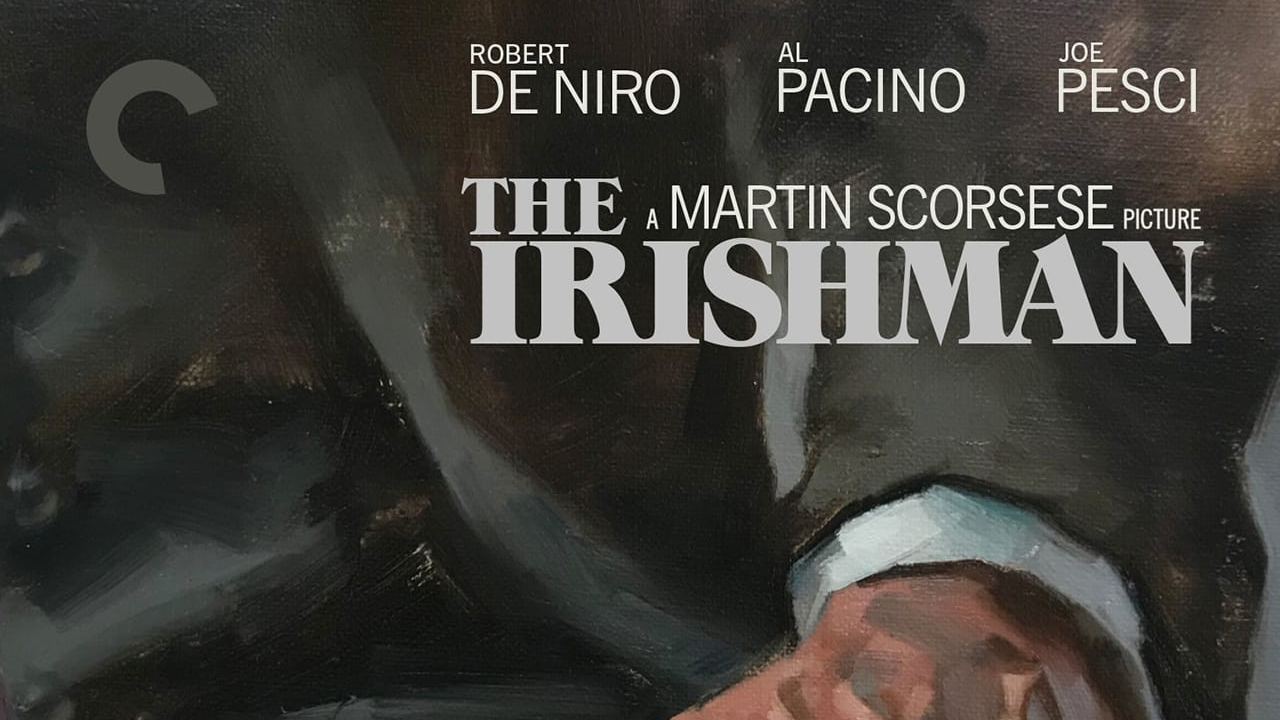
The emotional case for physical media is compelling, but so too are the technical and economic arguments. Year on year, streaming services have upped their prices. This is in part to sustain the development of new, original productions to keep people invested on their platforms, with exclusives a key way of differentiating themselves from the competition. However, the quality of this original programming varies massively, and for every David Fincher-directed banger like Mindhunter or The Killer, you end up with two of The Gray Man or He's All That - disposable slop that gets shunted into the troff with the same level of care and attention as something more prestige.
The cost is further exacerbated by the tendency for streaming libraries to rarely extend their reach past 1980. Classics get forgotten, and the same familiar stable of nineties and 2000s hits are recycled over and over. Granted, this issue proves less glaring when you have multiple subscriptions to mix and match, but the point remains that these services have constructed an extremely narrow window for audiences to engage with the medium and, in the process, inhibited the sense of discovery that was part and parcel of pre-streaming models. There are reasons why catching a film on television or - better yet - perusing a retailer and finding something new and tangible hits so different: it's a process that stands in stark contrast to the convenience and familiarity the biggest streaming platforms have come to depend on.
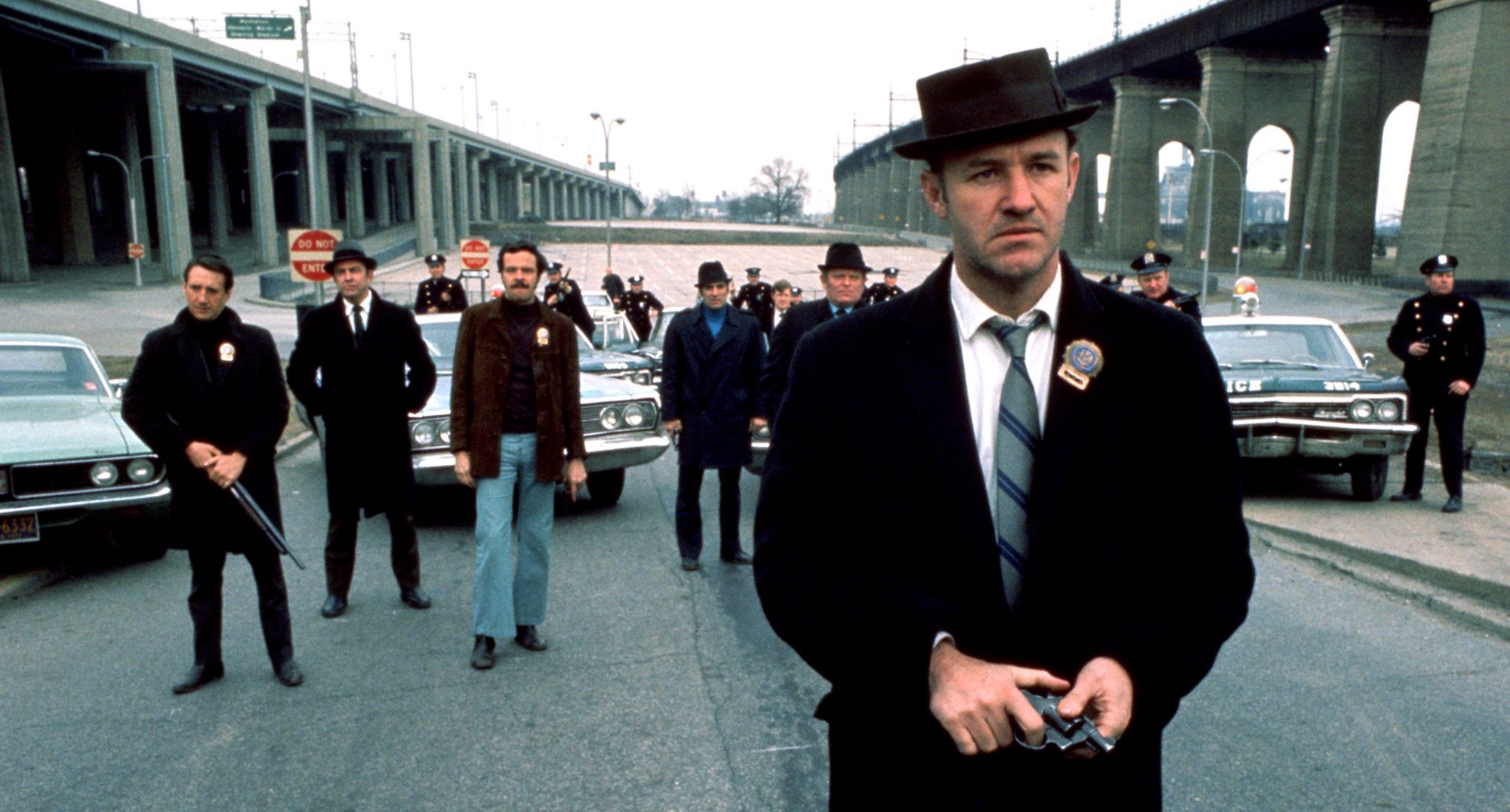
It is, perhaps, that search for safety that has also led to a worrying impulse from streaming services like Netflix and Disney+ to censor titles in their libraries. Episodes from popular TV sitcoms like Community have been delisted for fear of causing offence, while Disney's antics have ranged from the hilariously prudish to the downright vandalistic, whether that be hiding Daryl Hannah's butt with CGI hair in Splash, or accusations that it was behind the removal of a piece of dialogue in William Friedkin's The French Connection, where lead Popeye Doyle (Gene Hackman) uses a racial epithet in casual conversation.
Even if the vast majority of films are preserved on streaming censorship-free, the willingness from these services to tamper with their libraries demonstrates that they are poor custodians. Physical media doesn't entirely circumvent this issue, as new printings may also run the risk of censorship, but older discs are easily acquirable and, even with a 1080p Blu-ray, offer a superior audio-visual presentation compared to digital formats. 4K players will actively upscale 1080p Blu-ray discs, while 4K streams will always suffer from some kind of compression that makes them inferior to native 4K UHD discs. Physical releases also don't carry the risk of inconsistent subtitles or sudden delistings. In short, when you buy the disc, you're getting the superior package.
Not to say that there aren't pitfalls, of course. Navigating different restorations, editions, and cuts of different films can be a bit of a minefield - especially when it comes to discussions surrounding film grain, digital noise reduction, and so on. But at least there are options. On streaming, you get what you're given, whether it's a Frankensteined recolourisation of a black and white classic or the rubbery AI-laden restorations James Cameron has been going whole-hog on in the past few years. We're paying for a buffet, but the selection - most of the time - is wholly inadequate.
There'll be those who point to the fact that even with ballooning costs streaming still presents a cheaper alternative to amassing a physical library of films and TV shows, as well as the fact that film-first services like MUBI, BFI Player, and the Criterion Channel provide what the big streamers do not, but value is subjective.
Even if forking out cash for fancy limited editions or just average ordinary Blu-rays is objectively more expensive than paying a yearly fee for Disney+, physical editions - especially those produced by the boutique labels like Arrow - provide more bang for your buck, including a bevvy of complementary material that's absent from all of the streaming platforms. Interviews, commentaries, essays, and thoughtful physical collectables are all rolled into that price as well. The experience overall is just way more comprehensive, not to mention the lifetime value of being able to rewatch a film at your leisure however many times you please.
[Article continues on next page...]