Physical Media Isn't Dying (You've Been Lied To)
Just The Facts, Ma'am - Why Physical Media Isn't Dying, But Changing
It's undeniable that the Blu-ray and DVD market has experienced a stark contraction as streaming increases in popularity, but rumours of its demise have been greatly exaggerated. Each year, Netflix boasts of its platform adding tens of millions of users despite clampdowns on password sharing and decisions to raise the price of its tiered subscriptions. At the same time, retailers like Target in the United States have withdrawn or drastically scaled back their Blu-ray sections, while the pace of new 4K UHD Blu-ray players being manufactured by companies like Sony has also slackened.
Oh, and there's "disc rot" too. Can't forget about disc rot. (An issue that will affect only a tiny percentile of disc-owners who store their collection in the Bog Caves of Swampsville.)
The non-issue of disc rot aside, cumulatively, this paints a despondent picture for the physical media market, particularly when you dwell on how Hollywood has also constricted in variety as the popularity of home releases has declined (again, thank you Matt Damon). But while the rise of streaming has left the medium worse off, the overall niche-ification of this particular industry facet has ironically resulted in something of a golden age for hobbyists. As the big home video arms of companies like Disney and Paramount take their foot off the gas, boutique labels have stepped in to deliver better products, which in turn has also led some of those aforementioned big companies to up their game as well.
Since the advent of the 4K UHD format, cinephiles have been treated to a smorgasbord of restorations of movie classics, giving us our best window yet into how these films looked when they were first screened. The difference in visual fidelity, colour vibrancy and depth of audio between the Blu-ray of Howard Hawks' Rio Bravo and its 2023 4K release, to use just one example, is night and day, while similar restorations of John Ford's The Searchers and David Lean's The Bridge on the River Kwai have also put their previous releases to shame.
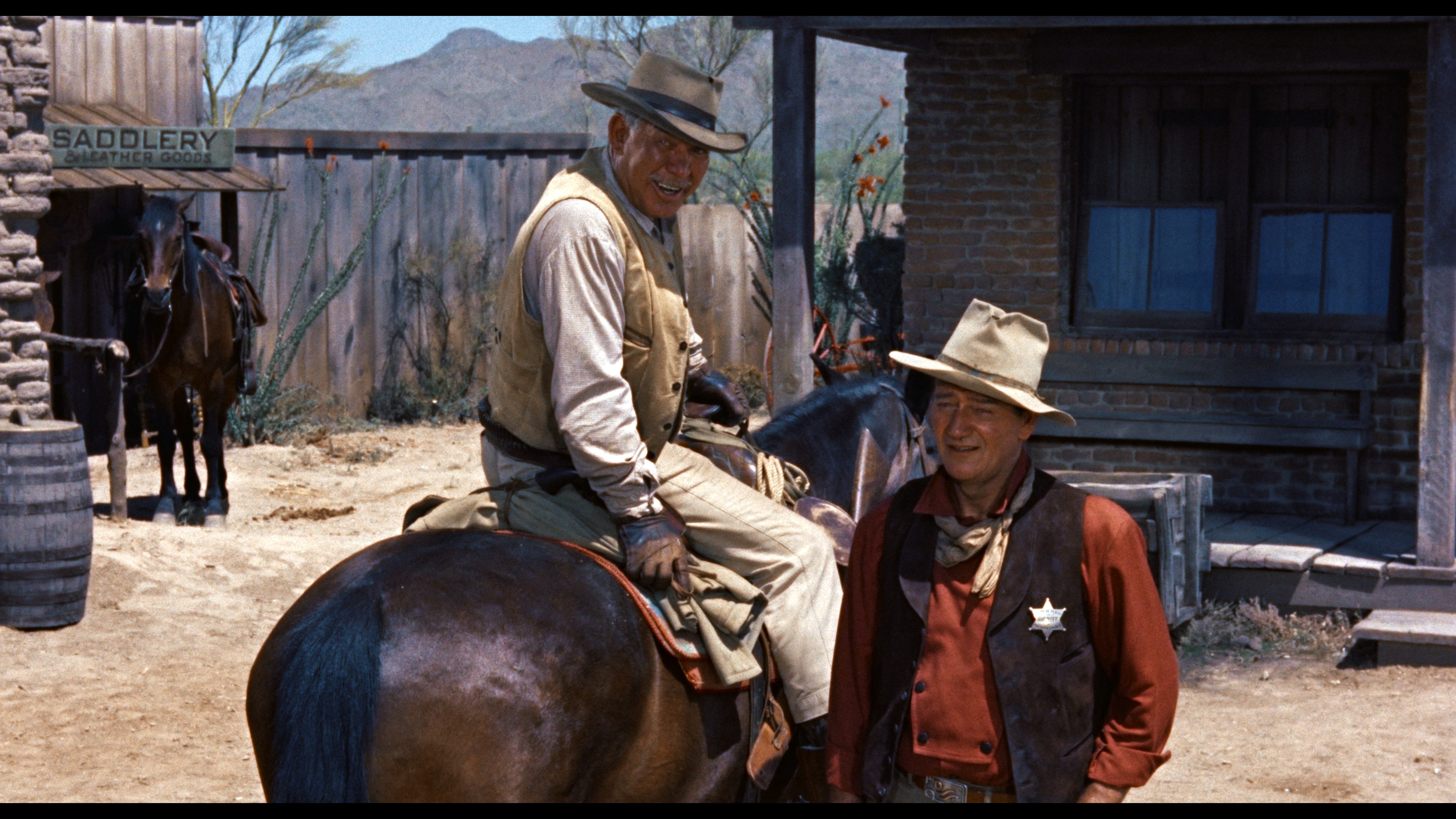
Even as the audience for physical media has shrunken, these new restorations - many of which are created alongside directors themselves - are reinvigorating familiar classics to a truly transformative degree, a process further buoyed by the revival of rep cinemas, which showcase many of these 4K restorations on the big screen to maximum effect.
But 4K is a format people can enjoy digitally, so what about physical media specifically is adding to that package? Well, apart from the aforementioned lack of compression that comes with using a disc, I think the best way of demonstrating what makes the format so strong is to pick out a few releases from my collection that best exemplify all those lovely little bonuses. Is this a glorified case of adult show and tell? Yes. Do I feel guilty about it? Absolutely not.
The first I want to show off is the collector's edition of The Hitcher done by Second Sight. Like Arrow, Second Sight is a UK-based company that specialises in limited edition packages of genre cinema, and as with Arrow, a lot of its catalogue is primarily centred around horror. I'm going to chalk that up as some kind of response to the video nasty controversies Britain endured in the eighties and nineties - so take this as some kind of ironic rebalancing of the cosmic scales that we're now the boutique horror capital of the world - but the cool thing about it is that both brands feel of a piece with that retro video rental culture, and that relationship - whether tacit or explicit - has led to dozens of cult genre classics getting bespoke 4K treatments. They're real labours of love, and Second Sight's 4K of The Hitcher is a testament to that.
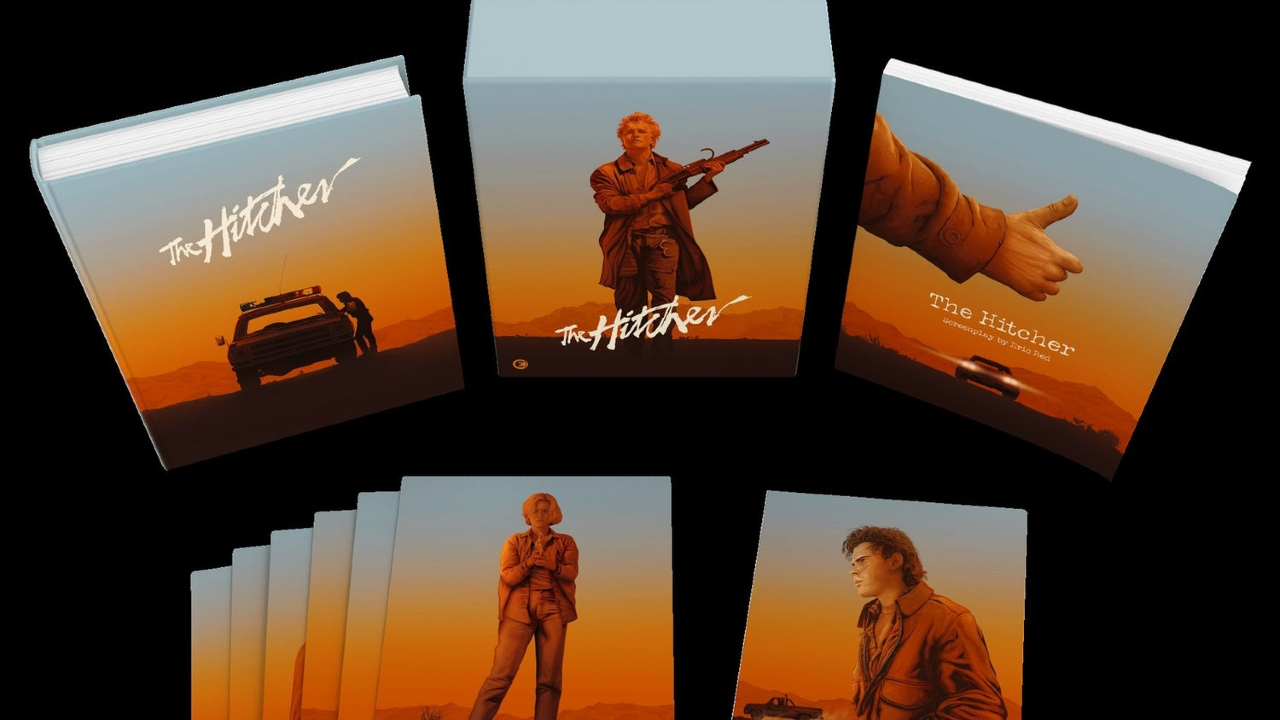
Featuring custom artwork by Adam Stothard, a 200-page book of interviews, essays, and behind-the-scenes photography, and a printing of the full, original script by Eric Red, this is what I'm referring to when I say that physical media is in a golden age. The 4K restoration itself is also stunning, supervised by the film's director, Robert Harmon. It's so good, in fact, that I initially bought the Blu-ray, watched that, was blown away, and then had to go out and get the 4K. It helps of course that The Hitcher itself is an incredible movie - one of the cult masterpieces of the eighties - but what made my affection for it even greater was the collective package provided by the physical release. It was basically the perfect springboard to dive into a Hitcher-themed abyss of thematic analysis and behind-the-scenes insight. You could not ask for more.
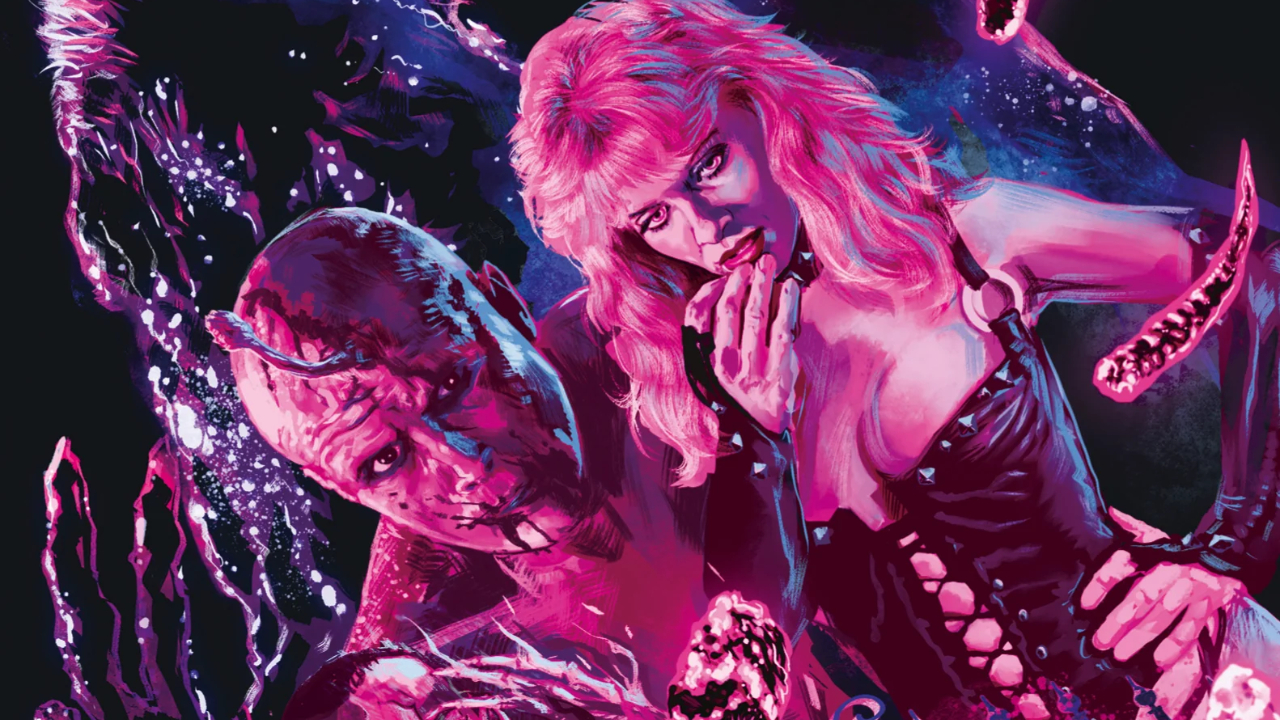
Another amazing UK-based label is 88Films, which is a bit of a genre virtuoso, covering everything from Hong Kong martial arts cinema to drama and horror. Some of my favourites of theirs include the underrated Jackie Chan, Shu-Qi, and Brad Allan-starring Gorgeous; Stuart Gordon's cult classic Lovecraft adaptation, From Beyond, featuring the brilliant Jeffrey Combs and Barbara Crampton; and lastly John Sayles' 1987 opus Matewan, a film everyone must watch at least once in their life and which has been lovingly restored and repackaged by 88.
Then there is the previously mentioned Arrow, whose catalogue spans from obscure cult cinema to mainstream Hollywood cinema. Their limited editions are always worth the price of admission - especially when they feature art from Tony Stella. Combined with that retro logo and theming, Arrow is a delicious vibe all around, as are other UK labels like Indicator and Eureka Entertainment, the latter of which is truly doing the lord's work with its Masters of Cinema series, which collects essential classics from filmmakers like Billy Wilder and Fritz Lang.
And, of course, there's the daddy of the boutique label scene - Criterion. Criterion's packages may lack goodies but they make up for that with sheer authority and presentation. The brand is also at the forefront of restoration and the cultural conversation surrounding film at home, with the Criterion Closet a physical media Mecca for hobbyists and a fantastic advertisement for the pasttime in general, with actors, directors, and other industry figures being invited to the closet to take home a goodie-bag and have a low-key conversation about the films they're choosing.
Apart from being killer viral marketing, these videos basically epitomise the forgotten catharsis of the rental store experience - the tangibility, the shared conversation, that sense of memory and discovery. Put simply, they're a conduit for community, and while social media should pick up the slack for the decline of those spaces, it's no substitute. There's a fundamental "grass-touching" component that has been steadily eroded, and now what we're left with is glimpses like this.
[Article continues on next page...]