Pixar: Every Movie Ranked From Worst To Best

From Toy Story to Inside Out - what's the best?

Pixar are many things. Genius, funny, emotional, perfect; the superlative terms are never-ending. But the biggest thing they are is consistent. In terms of quality that consistency is undebatable. Their films are regularly the best reviewed of the year, and when they do have that rare misfire it's viewed as a temporary blip, rather than a worrying sign of studio decline. Heck, they've got a whole Oscar category created in their honour; Best Animated Feature was created by the Academy when Pixar's early hits proved such critical darlings that they couldn't be ignored any more. But there's also an overarching style - a series of recognisable traits that makes a movie Pixar - that runs through their entire filmography; an emotionally mature theme paired with a suitable high concept, resulting in something at once identifiable and gleefully unique. This is something their competitors just can't offer; Dreamworks' tone varies wildly from pop culture quoting to heavy action; Disney has a carefully cultivated brand, but some of their work from the '40s/'80s/'00s looks nothing like what you expect from Uncle Walt; nobody outside of animation fans even know who Blue Sky are. To celebrate the one true King of Animation in the wake of their latest success, Inside Out, here's a definitive ranking of all fifteen of their feature films (so far).

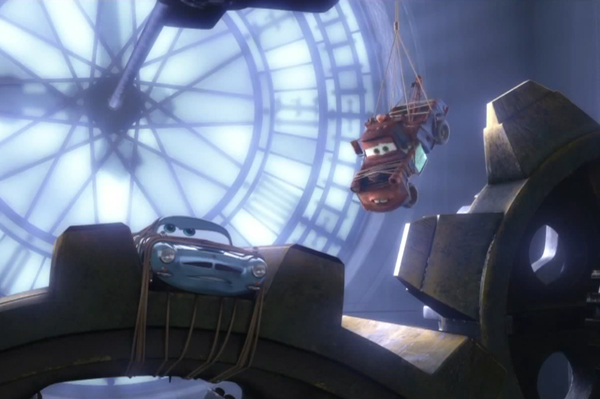
15. Cars 2

Cars 2 is a sobering reminder that even the very best can sometimes falter. The only Pixar film that can be described as actively bad, what makes it such a depressing feature is that, for all its commercial viability, it appears to have come from a genuinely creative though process. Oh, the obvious motivation for Disney's bookmakers is merchandising (the series shifts more toys than any other Pixar brand), but for director John Lasseter the reasoning comes from the heart. In interviews it's incredibly clear that the whole Cars universe is incredibly personal to him, born out of a holiday he took with his family, and that he holds a strong affinity to the characters. The problem is, nobody else over the age of six really does. Mater, the redneck tow truck voiced by Larry The Cable Guy, is bumped up to lead in a spy spoof plot that only exists as a reason to take the characters on a world tour. Everything about the film is built on an ADHD approach of saying "Wouldn't it be cool if..." before running onto the next half-baked ideas. It's the laziest screenplay the studio's offered up by a long way, made all the worse by a final act that follows absolutely no semblance of logic - the bad guys plan to blow up Lightening McQueen, but if it fails they have a bomb inside Mater, that will go off if they get close to each other (but is also on a timer just in case), despite Mater being trapped inside Big Bently about to be killed. That hardly makes sense even writing it down.

14. Toy Story 3

Pixar made a name for themselves as being able to expertly balance high emotion and well-pitched comedy without ever becoming manipulative or obvious with it. Toy Story 3 is the movie that pushed things too far. The emotional beats are built entirely on the pre-existing nostalgia an audience brings into the film, while the jokes don't fit within the world at all, thus failing to illicit any proper laughs - Mr. Tortilla Head wouldn't feel out of place in a lower-drawer Dreamworks flick. Oh, Toy Story 3 isn't a bad film - the visual style, particularly in the nightmarish Sunnyside Daycare, sets a perfect tone and the plot moves along at a speedy pace. It's just that, on the evidence of both the previous films in the series and what the studio had achieved up to this point, it's a film with a much weaker creative spark. The biggest problem is that its originality is stifled on a fundamental level; break it down and the film is essentially a remake of Toy Story 2. The overall moving on theme is nothing more than an expansion of the sentiments of Jessie's Song (albeit with a happier conclusion), while Sunnyside, with its friendly older toy and desperate escape plan, is a direct parallel to Al's scheme in the first sequel. The only deviation is the very ending, which sees Andy give up his toys, but that's unbelievable in its own right; as nice an ending to his story as it may be, it's hard to believe those are the actions of a real college freshman.

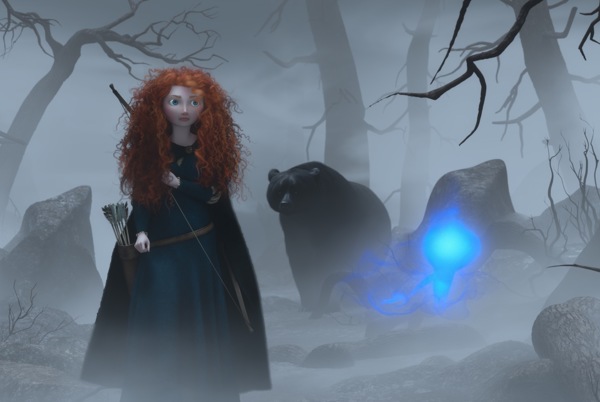
13. Brave

More Pixar movies than you'd expect had pretty troubled productions - Ratatouille is one in particular that nearly would up in the waste bin - but none have that behind-the-scenes conflict show as much on screen than Brave. Brenda Chapman left the project well into production, leaving Mark Andrews to pick up the pieces. As a result, it is essentially two films. One is medieval family drama about growing up and a woman's place in a patriarchal society, while the other is a high fantasy adventure with action and magic aplenty. Both of those respective sides are nice and do compliment each other at points, but never quite gel as a greater whole. Narrative inconsistencies aside (you get the feeling the woodcarving witch was originally meant to be in more than a single scene), however, the film's a solid watch. The representation of Scotland looks incredible, and not just because of Pixar's typically excellent rendering - the landscapes are vast and never dip too far into generic Highland clichés - while the narrative serves as an unfussed subversion of parent company Disney's princess obsession. In that vein, the real strength is Merida. Much was made upon release about how she was Pixar's first female lead and the film doesn't squander that, exploring the oft-ignored (in animation at least) mother-daughter relationship and adding an extra layer to the studio's traditional coming-of-age tale.

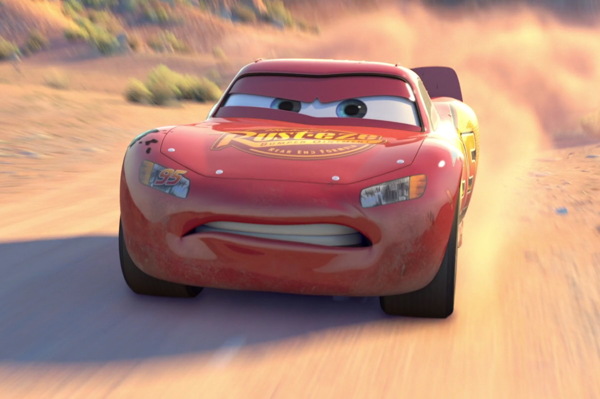
12. Cars

Cars gets an awful lot of hate (which only increased after the sequel hit), yet most of the negativity seems a bit off point. The film skews less adult than Pixar's best offerings, sure, which robs it of thematic greatness, but the usual colourful characters and tear-jerking moments are here in droves. The problem for many appears to be less with the film itself and more what it represents. The anthramorphising of vehicles struck as a cynically commercial concept, something the choice to make the windshields into eyes (as opposed to the more conventional headlights) only exacerbated. Even with a studio that had such a strong run of form (at this point Pixar were six for six), some people just wanted a film whose heart was in small-town America and Nascar to fail. And it really doesn't. Car isn't Pixar running on all cylinders (badum-tish), but it's hardly a lemon (badum-tish again). The central theme of slowing down and appreciating the little things is right up the studio's alley and the attention to detail in both look and humour is impeccable as always. You can pick apart the mechanics of a world populated entirely by sentient machines, but that's hardly the point - besides, there's such creativity in adapting the real world (see the engine-inspired rocks) it shouldn't bother. The only element that doesn't ring true is Lightning's relationship with Mater - their bonding never goes beyond hijinks and the tow-truck is a wholly unlikeable supporting player - but it's not as central to McQueen's arc as Sally's romance or Doc's mentoring, meaning it doesn't sour the overall picture like with Cars 2.

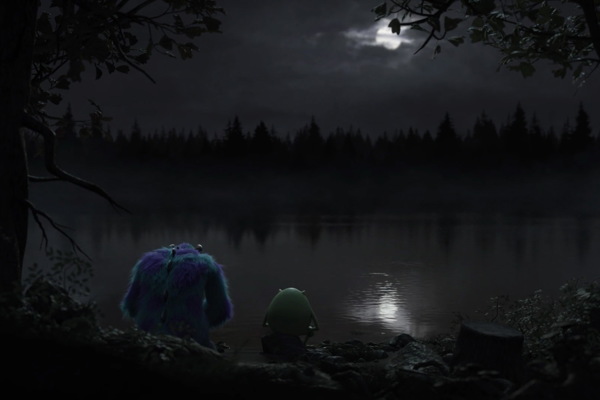
11. Monsters University

They made a prequel to Monsters, Inc. Ignoring that it's so much better than ruining the sheer brilliance of that film's ending with a sequel, that simple fact about Monsters University's existence was enough to have people chalk it up as another misfire from Pixar. It's probably this attitude that meant MU didn't even get nominated for the Best Animated Feature Oscar, the biggest snub in the category since its predecessor lost out on the big prize to Shrek. Those who went in to Dan Scanlon's feature debut with more of an open mind, however, got a funny, heartfelt movie that operates both as a Pixar send-up of college (or rather, college movies) and a logical prequel to one of their earliest classics. When introduced, Mike and Sully are entirely different beasts to the best friend duo of the later movie, but the story isn't just about getting them to the start of Inc - it understands that both movies are just stories from their wider lives. In fact, there's very little in the way of overt winking to the later events at all (Randall's arc aside, everything is gleefully self-contained). Where the film really wins, though, is in its sombre, realist message. Mike is a hard-working student who dreams of being a scarer, but even trying his absolute best he can't make the cut. Rather than scarring kids for life though, it's twisted into an optimistic show of how realising your limitations is actually the real route to success.

10. A Bug€™s Life

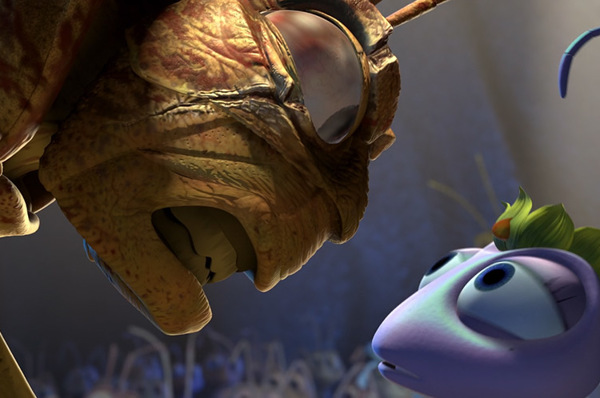
Coming hot on the heels of Toy Story, A Bug's Life now feels a bit pedestrian. Its concept isn't as gleefully novel nor is its story as maturely developed as the game-changer that preceded it, while the films that followed were much more ambitious. Excuse the growing pains of a studio still working to define itself, and a plucky upstart trying to upstage them (Antz, released a couple of months before, was explicitly created to steal the film's thunder), however, and A Bug's Life shows that unwavering commitment to a great idea will invariably lead to a great movie. There's something simple yet genius about the approach to a bug's eye view on the world. Only in the intro and outro does the shooting angle move away from a bug's eye view, framing everyday minutiae as major obstacles; rain drops fall like bombs and cracks in dried earth are deadly gorges. There's elements of fantastical embellishment - a flea-led circus - but they're so joyful and accurate in their observations that it never feels silly. And then you have Hopper. The film is populated with all manner of humorous bugs with their own eccentricities, but Kevin Spacey's dictator grasshopper overshadows them all; a charismatic, purposeful public speaker with an uncanny knack for persuasion, yet with a crippling fear of birds. Every scene he (or any of his cronies) appear in are filled with real tension, making the power-of-the-many finale (which makes perfect sense within ant logic) all the more satisfying.

9. WALL-E

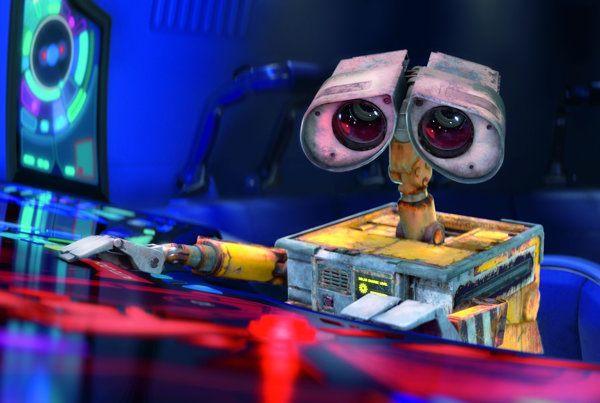
Now things get interesting. Pixar's output has been so ridiculously consistent and exceptionally high that before you even get close to halfway through their filmography you're dealing with the cream of the animated crop. So while Wall-E barely breaks into the top ten of this list, that's not to say it isn't an absolute classic. Although it has a strong eco message and stylistically has its roots in classic sci-fi (not least 2001: A Space Odyssey, which gets numerous call-outs), Wall-E is a love story. And because it's Pixar, it's a highly unconventional one that takes expected tropes (the regular guy and the out of his league girl) and turns them into something wholly original. WALL-E himself is a really unique being who fits perfectly into this idea. His design boasts inviting, wide eyes, but when you break down the rest - his long neck, tiny mouth and moveable arms - he's entirely inhuman, something that's reflected in his personality. Whereas Pixar heroes have always had parallels with regular, human adults, he's totally different; a fully developed robot whose isolation has slowly created a childlike curiosity. WALL-E is at once self-sufficient and inexperienced, so deals with the very adult emotion of romantic love with complete naivety. What's really brilliant, however, is how, while it may seem incredibly alien, that's actually totally emblematic of how devolved humans on the Axiom have become, making the malfunctioning robot a messiah of emotions. So not just a film about global warming, then.

8. The Incredibles

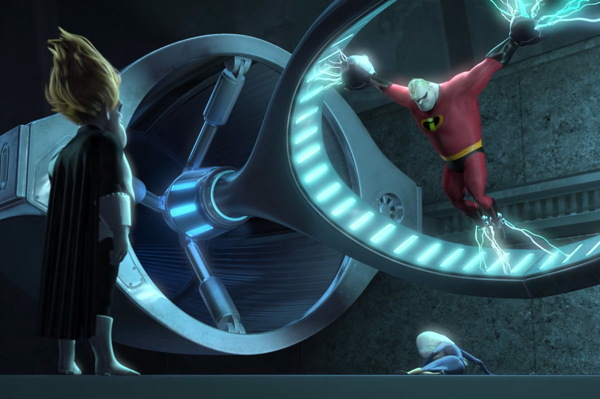
The Incredibles is essentially the cinematic equivalent of Watchmen. Yes, there was an actual adaptation of Alan Moore and Dave Gibbon's seminal comic book a few years later, but there's been no film that better dissected the genre within the medium while still delivering a worthy story than Brad Bird's animation. There's the obvious direct parallels - the issue with capes; a villain staging a city attack to further his own cause - but it's how it tackles monologuing and deals with "Supers" in the everyday world (and not the heightened "real" world the likes of Kick-Ass inhabit) that make The Incredibles such a potent superhero flick. But while it fully shows how a super-movie should work (even if many films to this day repeat the tropes it criticises), it's also a fully developed relationship drama, exploring the dynamic of an idealised nuclear family. There's not even a balancing act between these two threads - they're interlinked in their entirety, meaning whether you're watching Mr. Incredible fight an Omnidroid or Bob Parr struggle through dinner it all feels purposeful. Through all that, The Incredibles also happens to be Pixar's least Pixar movie. There's the usual heartfelt development, but the level of realism and story structure is wholly unique in their filmography. Heck, the Pizza Planet Truck (which has appeared in every other movie since Toy Story) is absent. Far from being a slight against it, that's actually one of the film's biggest strengths, making it wholly unique within their filmography (and animation as a whole).

7. Finding Nemo

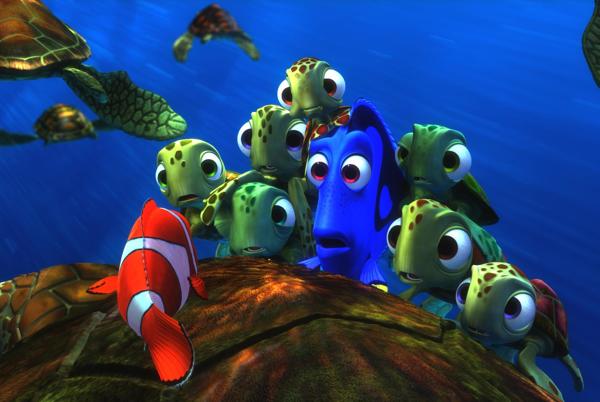
Finding Nemo bites off an awful lot; it's dealing with single parentage, father-son relationships, unconventional friendships and facing the harshness of the real world, as well as providing an incredibly varied look at the life in ocean. And it all works. From vegetarian sharks who serve as a stop-off on the wider adventure to the blue tang that can read English and speak whale, yet is unable to form any short-term memories, who is so integral she's getting their own sequel (please don't suck), they all fit perfectly. The narrative divide, with son Nemo trapped in a fish tank and father Marlin traversing the ocean to get him back, sounds like two ideas pitched to appeal to children and their parents respectively, yet thanks to both struggling to adjust to life outside of his reef and the typically well-observed interactions between them, everyone, young or old, can find something to love in every single scene. The film has proven to have a stronger legacy than anyone really expected. The strides forward in computer generated water (which was originally so realistic the animators chose to scale it back) opened up a whole new world for CGI exploration, while such a mammoth box office taking (it's still the studio's second highest grossing film) has led to many low-range animation outfits diving into the ocean, with predictably shoddier outcomes.

6. Toy Story

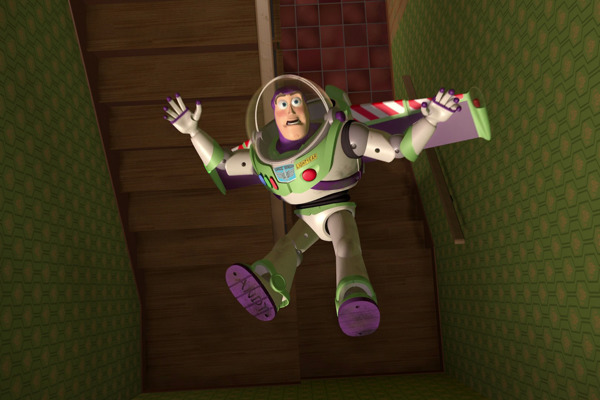
No film in the past two decades has had such a profound, irreversible impact on cinema than Toy Story. The most influential animated film this side of Snow White And The Seven Dwarfs, it totally changed how Hollywood approached family films, with its effect still felt obliquely to this day. The biggest, most lauded part of this was the presentation. It was, after all, the first feature-length computer animated film ever made, and its unprecedented success prompted rival studios to dip their toes in the CG waters, to the point where traditional 2D cell animation is now a niche form. But one thing all these imitators missed, and even the better ones are only just beginning to understand twenty years later, was that the real genius of Toy Story wasn't in its computer wizardry, but its creativity. From the taking of the notion of toys coming to life when kids aren't around and giving them their own, human-mimicking community to the wryly-observed script, everything about Toy Story on a creative level is perfect. Watch the film in a crude storyboard form, stripped of the visual whizz-bang and it's still the same exhilarating and emotional experience. Many of the traits that would go on to define Pixar - from the emotional moments to the reference-stuffed backgrounds - are present here in a totally refined, completed form, meaning that even though the technology has made leaps and bounds since (although there is a charm to the plastic-y humans), it doesn't feel antiquated amongst what followed.

5. Ratatouille

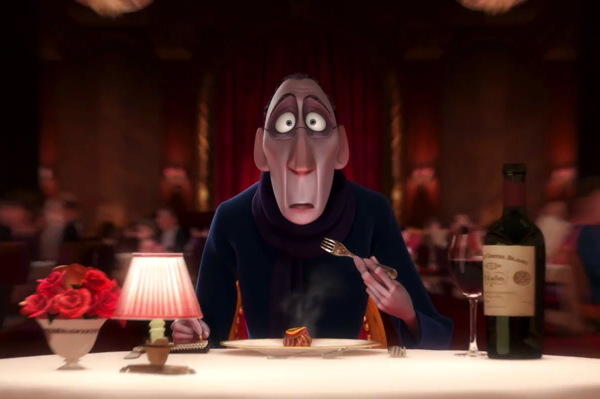
A rat who dreams of cooking in a Parisian kitchen. A narrative that jumps from human to rodent at the drop of a chef's hat. A third act turn into dissecting the motivations behind criticism. It may on the face of it be a standard Pixar flick, but Ratatouille is actually one of the studio's most daring, ambitious films. That it all comes together so seamlessly, the bonkers nature of its various concepts so measured, then, is testament to its brilliance. In fact, it perhaps manages the blend so impeccably that some don't quite appreciate what skill is at work in Ratatouille - by all reckoning it's Pixar's most underrated film. Each element the film raises is worthy of unwavering praise: the base concept, disgusting as a real world idea, is immediately buyable thanks to Remy's clear passion and the so-real-you-can-taste-it food; the gutter-perspective rat community and human world are visually (the kitchen alternates from towering to regular) and audibly (there's no actual communication) distinct, yet through a simple lack of defined barriers the film flows from one thread to another But the standout moment is when Ego, the maniacal critic, is reverted back to his childhood with a simple mouthful of Remy's ratatouille, prompting a review that winds up challenging the very nature of criticism. It's simultaneously a put-down of needless negativity, a playful attack on those who dismiss Pixar themselves purely down to their chosen form and a moment of personal self-realisation. Beautiful.

4. Inside Out

It's customary for any new Pixar release to arrive with extreme levels of hype leading to people claiming it's one of the studio's best, but with Inside Out it's wholly justified - it really is this good. The idea of a person being controlled by little people inside their head has been presented in various forms over the years, but (like with toys coming to life or monsters under the bed) it's never been with such unrelenting scope or narrative purpose before. The Pixar Movie That Takes You Inside the Mind doesn't just state its idea and play with all the hilarious hijinks it offers up (it does that, but it's mostly reserved for credits montage), but uses it as an in to a story that could only be told inside the brain of an eleven year-old girl. What stands out most about the studio's latest is not just how relentlessly emotional is, but how subtle the concepts it's dealing with are. There's a maturity required to understand the central idea of finding the sadness in joy that can really only be taught over time, experiencing such realisations first hand, and yet Inside Out manages to make it immediately accessible to a wide audience. Get the tissues ready. The studio had been through a bit of slump thus far this decade, with even the best of their output not bothering the all-time classics, but now they're back with such awe-inspiring force the future can only look bright (even if that future does include more sequels than original projects).

3. Monsters, Inc.

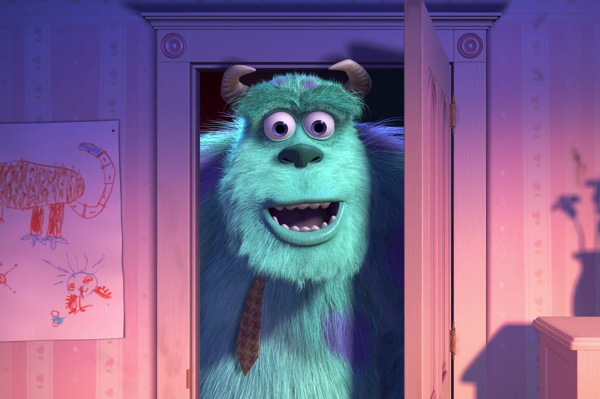
After toys coming to life, the next obvious childhood concept to expand to a massive, in-depth world is the monsters who live in the closest. And Pixar did it with, if anything, even more joyous creativity than they had with Toy Story. It's easy to forget now Mike and Sully are Pixar icons, but there's something so indelibly brilliant about taking that idea and turning the beasts into regular working Regular Joes collecting energy who must slave through corporate bureaucracy and an energy shortage, all the while being as scared of children as kids are of them. It's pure, simple Pixar genius and is complimented by hilarious in-world creations, from the little things like odourant all the way up to the massive collection of the closet doors for every child in the world. More realistic than any of that, though, is the relationship between the central duo (who through the script manage to to be more than just Billy Crystal and John Goodman). Mike and Sully are so effortlessly best friends, constantly bickering without any threat of actual argument. Whatever the origins of their unspoken bond (ignoring the prequel here) the film doesn't scream it from the rooftops and Mike's gradual wearing down, finding Sully's obsession with Boo increasingly objectionable, is downplayed so that when he does eventually snap it hits harder than a thousand snow cones.

2. Toy Story 2

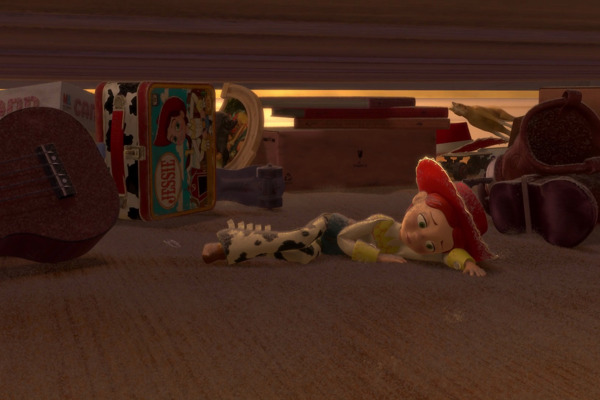
Sequels that are better than the original, while not common, aren't as hard to come by as the popular consensus would have you believe. Sequels to bonafide masterpieces that inexplicably manage to better what could reasonably be called perfection, however, are; you only really have The Godfather Part II, The Empire Strikes Back and, biggest of all, Toy Story 2. The follow-up to Pixar's breakthrough hit (which, crazily, almost went direct-to-DVD) managed to take everything that worked about the original's concept and characters and explore then further, playing up the story's allegorical nature while also providing a fun examination of more elements of toy culture. The whole story could be seen as a role reversal of the first, with Woody the one choosing an unreal life and Buzz having to convince him otherwise, but, as it's done with full acknowledgement of the previous adventure and motivated by compassion rather than irritation, that only deepens the conflict and emphasises the ultimate realisation, which is simultaneously less up-beat and more jubilant than the original's. The fact that things changes over time was a big part of Toy Story, but here things become much more definite. The universal inevitability of growing up is soberingly raised in When She Loved Me, the heartbreaking song that reveals Jessie's far-from-atypical backstory, but it joins with everything else in the film - Woody's torn arm, Al's obsession over collectors items, even the very believable theory about Andy's mom being Jessie's former owner - to work towards Woody's ultimate acceptance; he finally sees that Andy won't be around forever, but realises it's better to enjoy it "while it lasts".

1. Up

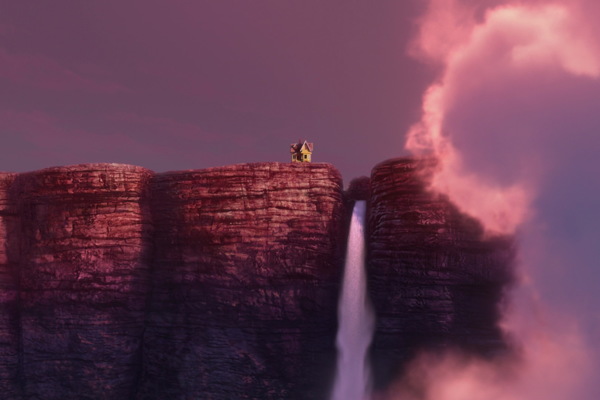
The opening of Up is faultless. Beginning with a period set piece showing children Carl and Ellie meet, it segues into a montage that spans their entire life from marriage to her death, all scored to Michael Giachinno's pitch-perfect score. It's an emotive delight, reducing even the most cynical moviegoer to tears as the beauty of a shared life and the inevitable passage of time is effortlessly shown. Yeah, the first ten minutes of Up are nothing short of greatness. But you know what else is great? The following eighty minutes. Married Life could have been a prime example of peaking too early, but Pete Docter (a director whose other films placed third and fourth on this list) is smarter than that. The highs and lows of Carl's life aren't just background to his grumpy nature, but essential to his character arc. He hangs onto Ellie, who he personifies his house as, literally dragging the burden through the rest of his life. It's only in a third act reveal, which, if anything, is more of an emotional hit than the opening, where he learns a dying Ellie wished him a new life after her passing, that he sees past such self-obsessed thoughts. Up is a kid's film intrinsically about death and moving on. All of this is juxtaposed with a bright, exciting adventure yarn of the kind Carl would have obsessed over as a kid; talking dogs, bright birds and exotic locales. He even meets his childhood hero, only to discover the inevitable disappointment such an encounter brings with it. The way the highly emotional arc and fantastical story visually and thematically blend shows Pixar at the absolute peak of their powers, making one of their most ridiculous ideas into an undisputed masterpiece. The final shot, a zoom out of Paradise Falls as the clouds clear to reveal the house sitting where a childhood Ellie dreamed it would be, is complete perfection. Up isn€™t just Pixar€™s best movie. It isn€™t even just the best animated feature ever. It is one of the greatest films of all time. Agree with this list or would you have it totally different? Share your ranking down in the comments.

Contributor
Contributor

Film Editor (2014-2016). Loves The Usual Suspects. Hates Transformers 2. Everything else lies somewhere in the middle. Once met the Chuckle Brothers.