10 Horror Movie Trailers Scarier Than The Actual Film
These trailers promised MUCH scarier films!
There are many horror movie trailers that accurately foreshadow how frightening their respective films will be.
For example, look at the previews for newer gems such as Longlegs, Talk to Me, and 2013’s Evil Dead, as well as the official teasers for older staples such The Ring, Candyman, A Nightmare on Elm Street, and The Exorcist.
Just as often, however, a horror film’s marketing misleads prospective viewers by promising an endurance test significantly scarier than the picture it’s promoting.
Now, a trailer’s job is obviously to get as many people into the theatre as possible, so it’s no surprise that the teams who’re creating them will use any tactics necessary – regarding editing, music, voiceovers, and other stylistic choices – to make them seem and look tantalisingly terrifying.
Plus, horror is highly subjective, so different audiences will inevitably get different things out of the same piece of cinema.
Nevertheless, and as the following 10 examples prove, it can be extremely frustrating and disappointing when a horror movie trailer is undeniably scarier than the actual film.
Even if they’re still good for other reasons – which some of them certainly are – these feature-length experiences still fall short of fully realising the creepiness that was advertised beforehand.
(Spoilers ahead, of course.)
10. When a Stranger Calls (1979)

The original When a Stranger Calls has one of the most masterfully unsettling horror openings of all time.
It centers on good-natured babysitter Jill Johnson as she’s harassed by a mysterious caller – later revealed to be Curt Duncan – who keeps asking, “Have you checked the children?” Soon, the police tell her that the calls are “coming from inside the house” and that said caller killed the kids she's supposed to protect.
Clearly, it was smart for the official trailer to showcase an abridged version of this scene alongside an ominous score, foreboding narration, and a couple of positive pull quotes lifted from professional reviews.
As it turns out, though, the preview was also cunningly constructed because it avoided exposing how underwhelmingly monotonous When a Stranger Calls becomes as soon as the petrifying prologue is over.
In fact, the bulk of the movie abandons the unnerving tone and narrative aftermath of Jill’s traumatizing night to focus on two other people – citizen Tracy Fuller and detective John Clifford – hunting Duncan after he escapes from a mental health facility. It’s basically a disinteresting police investigation for the entire middle hour, with Duncan’s prior threateningness being swapped for sympathetic timidness.
Eventually, Jill and Duncan get the confrontation viewers have been waiting for, and the film’s initial edginess returns. Unfortunately, it’s too little, too late.
9. Keeper
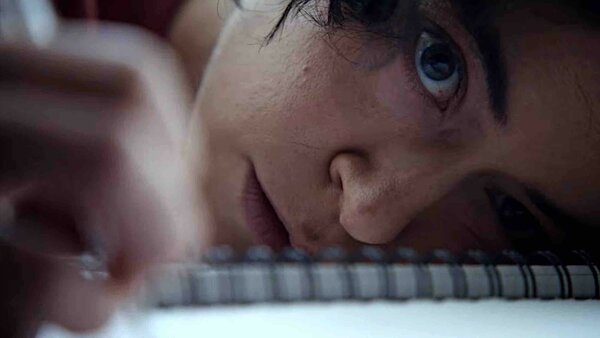
2025 folk/supernatural horror letdown Keeper was the third Osgood Perkins-directed film to come out within 18 months. Given the quality of its immediate predecessors – psychological horror darling Longlegs and comedy-horror fever dream The Monkey – it should’ve been the terrific final part of Perkins’ recent trifecta.
Of course, the cryptic first glimpse at Keeper made the movie look like another disquieting entry into Perkins’ twisted world as well.
It sees new couple Liz and Malcolm staying at a cabin and being affectionate while internally questioning each other’s trustworthiness. The implication is that either of them could have malicious intent for the other, and the fast editing, dissonant music, obscured shots of creatures and torment, and sounds of screams and crying only add to the promise of bone-chilling tragedy.
Frankly, it’s one of those advertisements that still gets under your skin even after you know how lacklustre the finished product is.
Sadly, the truth of what’s happening – Malcolm and his cousin, Darren, sacrifice women to otherworldly creatures in exchange for eternal life – is silly rather than scary. The opening montage includes Malcolm’s past girlfriends, too, so it’s obvious where Keeper is going from the jump.
Toss in a sluggish pace, eye-rolling plot conveniences, and confounding character actions and reactions and it’s readily apparent that Keeper’s familiarity, tedium, and irrationality undermine its frights.
8. It Comes at Night

It Comes at Night is a textbook example of both a horror film and its enthusiastic audience being done dirty by distorted marketing. Honestly, you could blame every preview for setting up the same false expectations, but to keep things simple, we’ll examine what the 70-second “Official Trailer 2” did wrong.
It begins with a dog barking at something in the forest while its owners wonder why. Then, dissonant strings, birds chirping, and panicked discussions about intruders blend with images of the people at peace or in conflict as grisly violence, macabre figures, and on-screen sentiments about “paranoia,” “love,” “pain,” and “evil” are shown.
Beneath all the typical A24 artsy ambiguity is the irrefutable suggestion the picture will be about, well, something dreadful and dangerous coming at night to hurt everyone.
Technically, that’s accurate, but it’s not a monster, evil spirit, zombie, serial killer or any other external threat invading their space and sparking tension between them. Instead, it’s merely their mounting distrust of each other as they fight for post-apocalyptic survival that appears when the sun goes down.
If positioned accurately as an authentically unpredictable and harrowing study of human nature, It Comes at Night might’ve garnered better reviews and a sturdier legacy. Yet, it’s largely remembered for failing to deliver the tangible terror of its trailer(s).
7. Enys Men

This one is similar to what happened with It Comes at Night: an encouragingly vague yet disconcerting snippet builds false hope and hype for a much calmer and more monotonous time at the cinema. In the case of 2022’s Enys Men, though, the end product is barely worth defending.
The abstract folk/psychological horror slog revolves around a woman on an island near the Cornish coast whose daily examinations of a flower coincide with visions of ghostly figures and other indications of danger, depression, and cultural degradation. In a sense, it’s like combining The Wicker Man, Don’t Look Now, and The Shining but removing the plot, scares, and momentum.
That’s doubly disappointing because cinemagoers’ first peek at Enys Men alluded to something captivating and daunting.
It’s spooky from the start, with unpleasant audio – wind howling, children laughing, and foreboding radio conversations – coating quick cuts of the woman running around the island and ambiguously mischievous imagery. Some of it is played in reverse, too, for extra eeriness.
Actually watching the movie is agonising for another reason: it’s intolerably slow, repetitive, experimental, and uneventful. Basically, the woman repeats the same daily routines with too little deviation or escalation as the film tries – and fails – to increase suspense and intrigue.
There’s undoubtedly a lot of hidden meaning and symbolism beneath the surface, but that doesn’t compensate for Enys Men’s lethargic stride and complete lack of scares.
6. Basket Case 2

Anyone unfamiliar with the first Basket Case would be forgiven for thinking that Basket Case 2 is pure horror. After all, its artwork is alarming and its premise – a man named Duane Bradley contends with his murderous and monstrous twin brother, Belial – could be the stuff of nightmares.
Plus, the teaser is full of shadowy lighting, demonic noises, bursts of violence, and blink-and-you'll-miss-it shots of the grotesque Belial. It even ends by having an unhinged Duane threaten a reporter with “a personal interview” with his brother, thereby implying that the siblings are entirely on the same homicidal side.
In actuality, Basket Case 2 doubles down on the tongue-in-cheek dark comedy of its predecessor, making it much goofier and less solemn than you’d anticipate from the aforementioned promo.
Rather than completely share his sibling’s wickedness, Duane is generally a lovably obtuse and well-meaning person. As for Belial’s design and actions, they’re too crude and absurd to be taken seriously. Furthermore, the trailer largely leaves out the brothers’ hilariously eccentric new caregiver – Granny Ruth – who invites them to join her family of exaggeratedly deformed and endearingly quirky "unique individuals."
The movie itself totally embraces its imaginative silliness – and to be clear, it’s a great time – but the trailer for Basket Case 2 insinuates something far more sinister and disturbing.
5. The Gallows
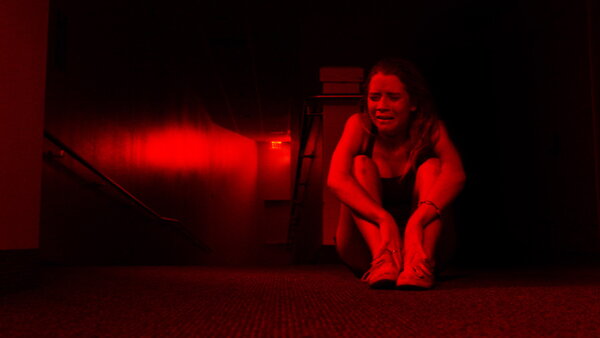
Films such as The Blair Witch Project, The Bay, Lake Mungo, and The Taking of Deborah Logan demonstrate how to do found footage right. On the other end of the spectrum, however, is 2015’s universally panned The Gallows.
Framed around four high schoolers being terrorised by the spiteful spirit of a student who was killed in a freak theatre accident 20 years earlier, it could’ve worked well if it stayed true to the fast pace, evocative tone, and relentless malevolence of its preview.
Kicking off with a night vision glimpse at football jock Reese being captured by an unseen force, it’s basically a collage of alarming scenes strung together by a haunting cover of Nirvana’s Smells Like Teen Spirit and promising review excerpts. By no means groundbreaking, it properly sets the stage (no pun intended) for a terrifying and tragic full-length picture.
Regrettably, The Gallows ties those moments together with some of the most uninteresting scenes, mediocre acting, poor writing, lame jump scares, and unlikable characters – namely, the insufferable Reese – that’ve plagued the found footage subgenre thus far.
The Gallows is irritatingly tedious and low-effort, and despite being only 81 minutes long, it’s a chore to get through. The only scary thing about it is realizing that you’ve wasted your time staying until the credits.
4. The Strangers

Horror movies are ripe with tales of paranormal activity, menacing inanimate objects, and other implausible circumstances. No matter how effective those portrayals may be, they’re rarely as potent as forcing cinemagoers to wrestle with the all-too-real possibility of random and meaningless home invasions and murders.
The Strangers is among the most famous depictions of this sort of thing happening. Although it would’ve been foolish to assume that it’d be as upsetting as, say, the original Funny Games or Straw Dogs, its main publicity reel alludes to similar anxiety-inducing tussles with similarly merciless intruders.
Mournful piano notes accompany lovers Kristen and James being affectionate at what seems to be a romantic getaway. Suddenly, they’re interrupted by a loud noise, prompting them to begin investigating, and they're soon stalked by the titular masked trio before being told that all of this is taking place because they “were home.”
At times, watching The Strangers is a distressing experience, but those alarming situations are scattered around too much uneventful padding and stupid character decisions. Kristen and James aren’t particularly sympathetic protagonists, either, so it’s far too easy to be frustrated by their choices and apathetic to – if not supportive of – what the masked psychopaths ultimately do to them.
Regardless of whether The Strangers is sufficiently frightening, though, it surely looks like a masterpiece compared to Renny Harlin’s disastrous remake trilogy.
3. Pet Sematary Two

No matter its differences from its source material, 1989's Pet Sematary is celebrated for being an appropriately unnerving and devastating adaptation of what’s arguably Stephen King’s scariest and saddest novel.
When director Mary Lambert returned – alongside new screenwriter Richard Outten – for the 1992 follow-up, they crafted a campier and less grounded movie. Of course, Pet Sematary Two isn’t an outright horror-comedy, but its story of resurrected animals and people isn’t nearly as dark, depressing, and petrifying as the first Pet Sematary.
That said, you wouldn’t be mistaken for expecting the same sort of psychological/emotional dread and grotesque imagery from it based on the wholly sombre trailer.
Punctuated by Hitchcockian strings and gruff narration, the 90-second appetiser splices together bleak and/or violent scenes to foreshadow another serious and atmospheric portrayal of murderous pets and parents. For example, it hints at a Dr. Loomis-esque expert warning patriarch Chase Matthews about the impending danger, as well as shots of actor Clancy Brown acting especially cold and sadistic.
That side of Brown is present, but he turns out to be a largely amusing threat who relishes chewing of the scenery once he’s resurrected. Undoubtedly, his kookiness – as well as multiple bits of absurdity leading up to a hammy climax featuring stagey acting from a melting mother – makes Pet Sematary Two pure popcorn entertainment.
2. Poltergeist II: The Other Side

1982’s Poltergeist was led by Steven Spielberg and Tobe Hooper, so it unsurprisingly struck an almost immaculate balance of charming childhood whimsy, dense family dynamics, and timelessly terrifying sequences. Despite neither of them returning for its sequel, the promo for 1986’s Poltergeist II: The Other Side showed a lot of potential.
It starts by contrasting two highly creepy scenes – Carol Anne talking to her dead grandmother on a toy phone and Rev. Kane trying to enter the grandmother’s house – to hint at impending torment. That sense of inescapable evil increases as storm sounds and Kane’s maniacal presence are juxtaposed by flashes of the Freeling family shrieking at supernatural set pieces.
It’s truly a masterclass in editing and audio design, and regardless of how successful those moments are in context, they can’t compensate for the finished film’s cornier and lazier execution.
Aside from lacking the cohesiveness and complexity of its predecessor, Poltergeist II isn’t nearly as well balanced tonally because it leans too far into its cheesy fantasy/mystical tone. With no disrespect meant toward actor Will Sampson or the culture/history he represents, that issue is most felt in the special effects and lame interactions involving Native American shaman Taylor.
Beyond that, the finale – during which matriarch Diane goes into the Other Side to rescue Carol Anne and reunite with her mother – is embarrassingly schmaltzy and cheap-looking.
1988's Poltergeist III may be the worst of the bunch overall, but at least it's more hair-raising than Poltergeist II.
1. Skinamarink

Kyle Edward Ball’s full-length directorial debut, 2022’s Skinamarink, remains immensely divisive, with about as many people saying it’s the scariest movie they’ve ever seen as saying it’s intolerably undercooked.
It tells the tale of child siblings who awaken to find that their father is missing; the doors and windows of their house are permanently shut; and various objects keep disappearing, reappearing, and changing positions. In the process, it taps into the requisite grainy footage, staticky audio, and abstract storytelling of analogue horror.
Ball developed the project after finding success with his 2020 short film, Heck. At just under two minutes long, Skinamarink’s trailer perfectly encapsulates why it would’ve worked better had he stuck to the same runtime limitation.
By portraying empty rooms, half-open doors, flickering lights, children’s feet, and other ordinarily innocuous things, it conveys the all-too-relatable childhood fears of abandonment, isolation, and unseen sinisterness. Naturally, the kids’ crying and unintelligible whispering – in conjunction with the distorted voice of a man periodically stating, “In this house” – heightens the horror.
The problem is that Ball employs these gimmicks across Skinamarink’s 110 minutes without doing anything extra to keep viewers engaged and afraid. Consequently, what’s unbearably nail-biting in small doses becomes unbearably dull at roughly fifty times the duration.
Frankly, you're more likely to yawn than scream by the end of it.